Science for Ocean Action
The ocean is in crisis. We're working to fix it.
Plymouth Marine Laboratory (PML) is an independent research charity, globally recognised for pioneering science addressing the interconnected challenges of climate change, biodiversity loss and marine pollution.

Our Ocean Challenges
Understanding impacts. Supporting solutions

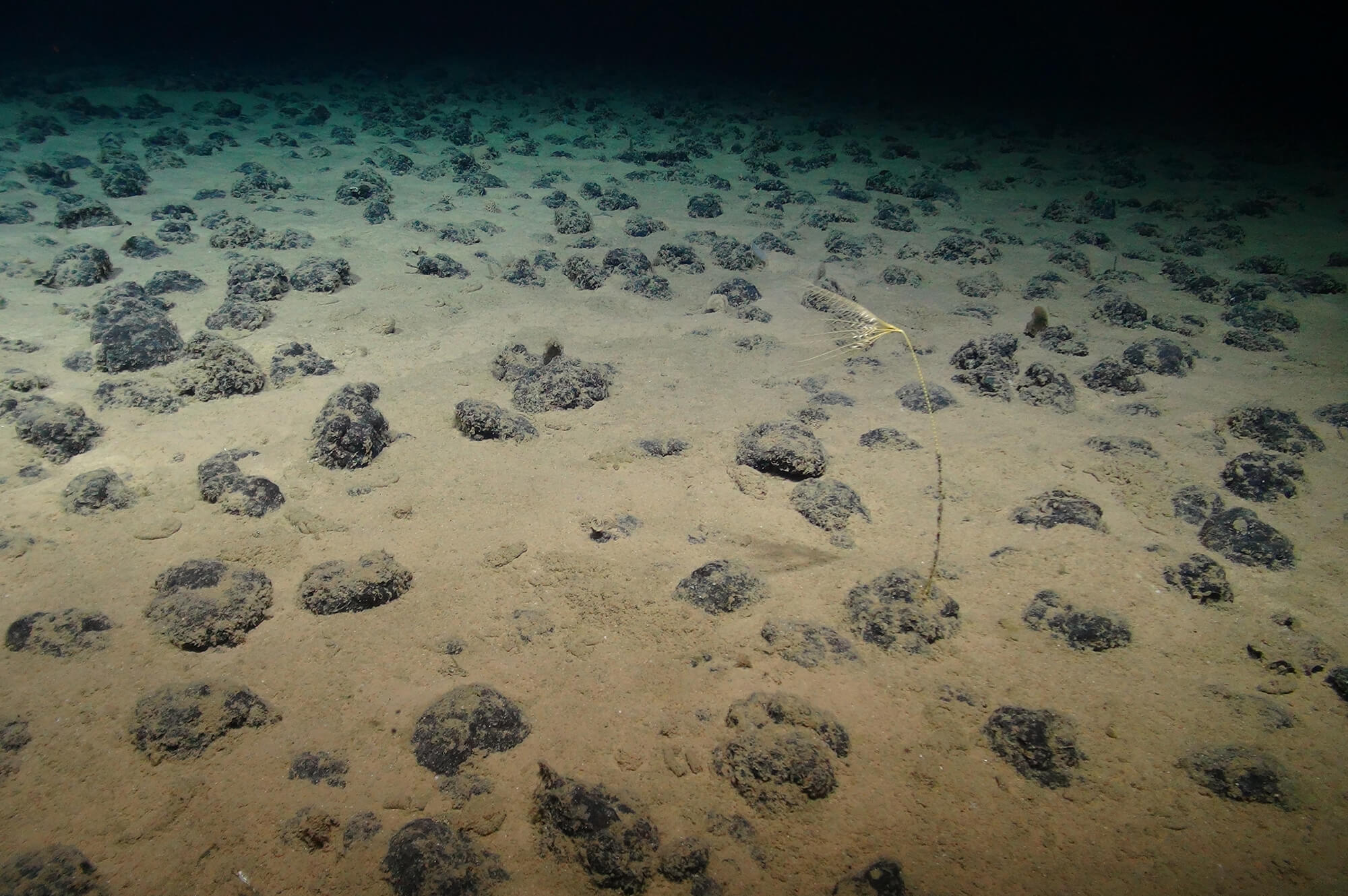
Climate Change
Climate change is affecting every aspect of life in the Ocean. PML works to understand and predict climate change, its effects and potential solutions to support decision-makers, industries and society.
Explore Climate Change
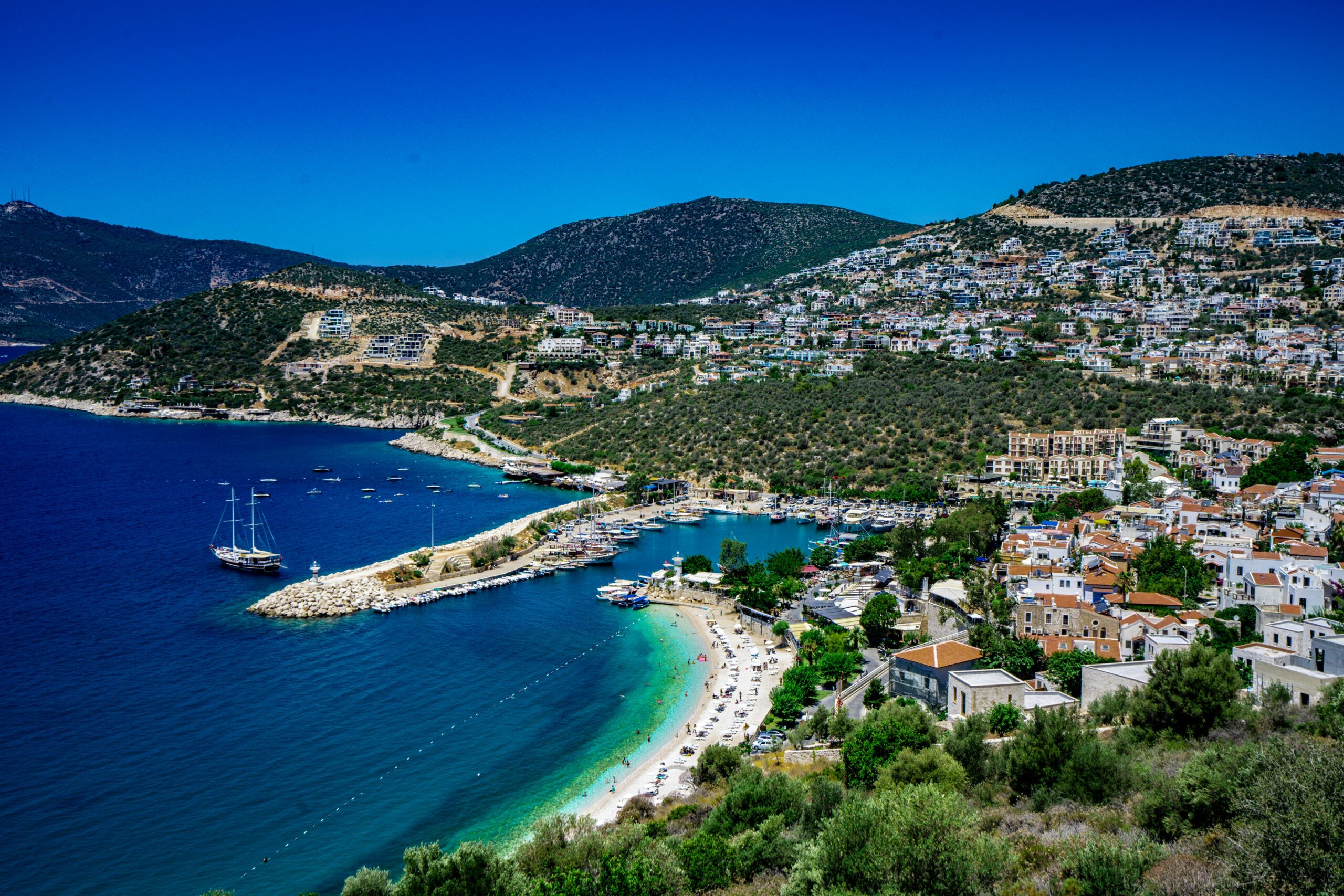
Biodiversity Loss
Marine ecosystems and species are under threat. PML harnesses advanced technologies to track and map biodiversity in support of marine protection and sustainable Ocean management.
Explore Biodiversity Loss
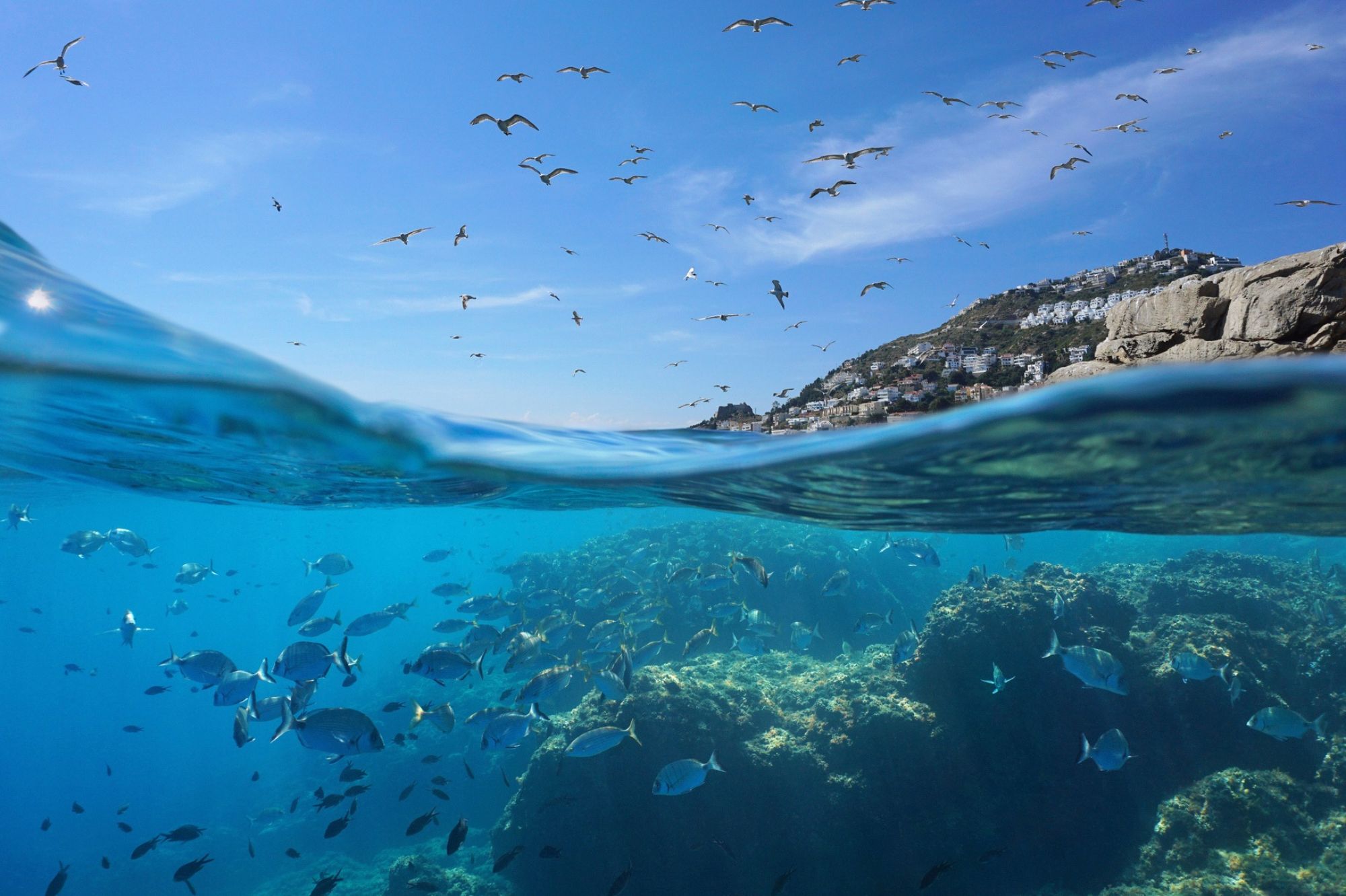
Marine Pollution
Plastics. Chemicals. Light. Noise. The Ocean is absorbing it all. PML examines the sources of pollution and its impacts in order to inform actions and solutions.
Explore Marine PollutionOur Global Impact
Delivering science that matters
Years of Research
Over five decades of pioneering marine research by PML scientists.
Publications
Our research is consistently listed amongst the top 1% of the most cited environmental science papers in the world.
Collaborations
Plymouth Marine Laboratory collaborates with more than 600 partner organisations in over 150 countries.
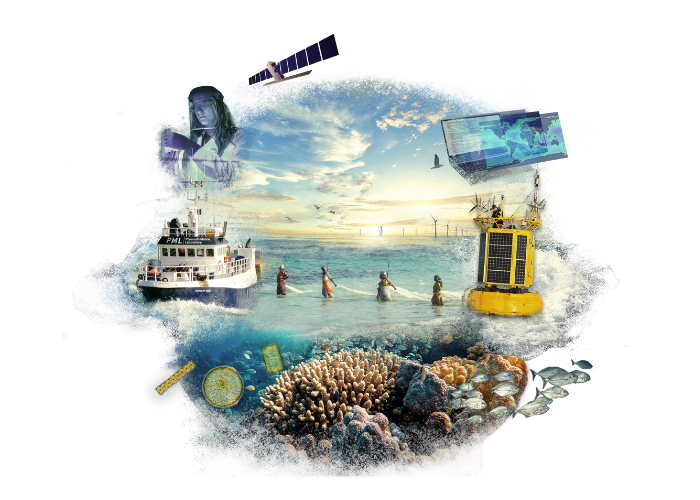
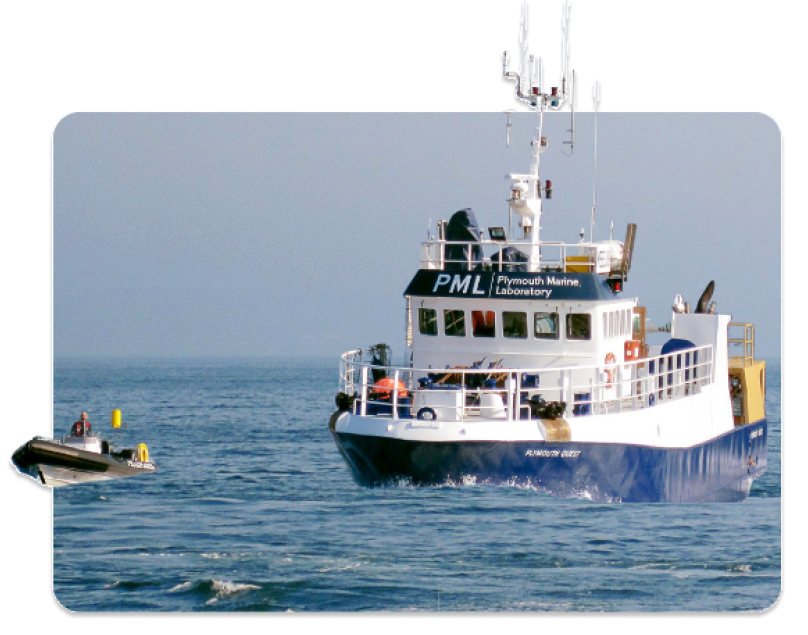
Plymouth Marine Laboratory delivers world-class marine research with real-world impact, informing policy and working with businesses and communities to better protect life in the Ocean.
Our vision, mission and values
Guided by purpose
For over 50 years, PML has been a pioneer in holistic, novel, and innovative approaches, providing integrated, solutions-driven marine science. Our interdisciplinary expertise spans marine, atmospheric, freshwater, social, political, and economic systems, making us uniquely positioned to extend our scientific understanding of the relationship between society and the marine environment.
Recognition and Excellence
Trusted, impartial and independent Science
Connecting science
We make marine science accessible and actionable, co-creating transformative ocean practices where both people and nature thrive. Our work fosters a society that understands, values, and actively cares for the ocean.
Scientific leadership
Our researchers lead international committees, advise government policy, and author landmark studies that define marine science standards globally.
Policy impact
You can find our science informing policy and referenced in science-policy reports from regional to global scale, including key roles in writing Intergovernmental Panel on Climate Change reports.
Award-Winning research
Global recognition for scientific excellence includes MBE honors, the prestigious Volvo Environment Prize for world-leading microplastics research, and A.G. Huntsman Award for Marine Sciences.
Our people
The faces of Plymouth Marine Laboratory
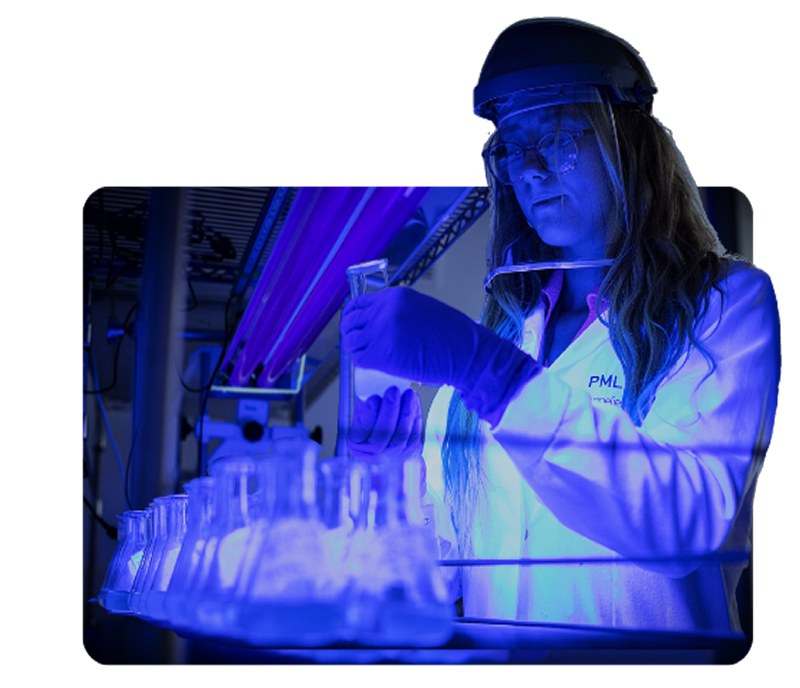
We work together to achieve our shared purpose in a socially and environmentally responsible way, delivered by our highly valued interdisciplinary team of scientists, technologists, and operational support staff. Research integrity underpins everything we do.

"PML’s research of the marine environment and those who interact with or depend on this environment is relevant to our daily lives in so many ways, informing policy and incredibly innovative. On top of that the people who work here are great colleagues and from all over the world, who would not enjoy working here?"

"Being a scientific researcher is not about knowing all the answers, it’s about knowing how to try to find the answer. This is what motivates me, the fact we don’t know everything yet; that what we are researching could help improve our interaction with the oceans, could lead us to sustainable solutions, or new innovations."

"Anthropogenic climate change is causing unprecedented change to ocean ecosystems. Working at PML allows me to engage in far-reaching, impactful, highly collaborative research that enables a deeper understanding of the marine environment and ultimately – helps provide solutions to the unique challenges we face in the conservation and sustainable management of our oceans and seas."

"Exploring the intricate interactions between the ocean and atmosphere in remote marine environments inspires me, and working alongside leading experts who share my commitment to safeguarding our planet makes this work especially rewarding."

"I am completely fascinated by the tiniest parts of our marine environment. It is so exciting to have the opportunity to learn absolutely everything I can about phytoplankton, from such an amazing team of experts. The possibilities at PML are endless, it makes me feel very grateful that every day I get the chance to work with and chat to some amazing people that are contributing to expanding our marine knowledge."

"Contracts are only important if you need to know what to do, when to do it and for how much!"
Our Funders
Enabling our global marine research


As a charitable research organisation, we depend on the generosity of funders, philanthropic trusts, foundations, companies, and individuals who share our commitment to ocean science and environmental protection. Their investment enables us to pursue groundbreaking research that addresses the most pressing marine challenges of our time.
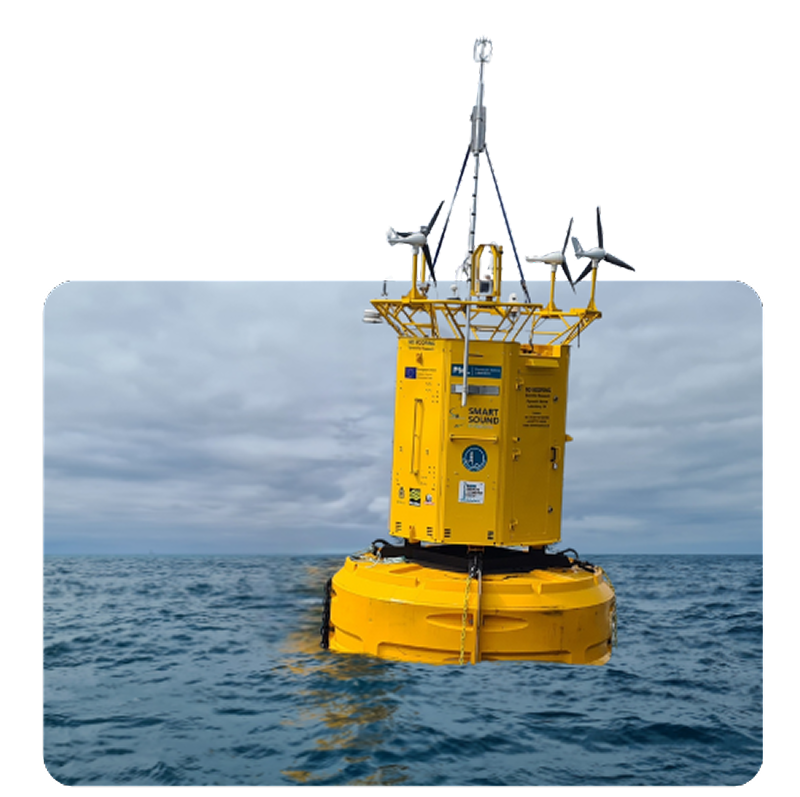
Advancing Marine Autonomy

Operated by PML, Smart Sound Plymouth is the UK’s leading marine autonomy testing facility, providing businesses, researchers, and government with a comprehensive suite of services for developing, testing, and validating marine technologies. Combining authorised water space, varied sea states, and over 50 years of marine science excellence, Smart Sound Plymouth accelerates innovation across the defence, offshore energy, environmental, and maritime sectors.
Smart Sound Plymouth WebsiteFrom research to real-world solutions

Our commercial subsidiary is an environmental consultancy, providing scientific research, consulting and training to commercial and environmental organisations. PML Applications specialises in reducing clients' marine environmental impact, bringing together world-class science and practical application. All profits are reinvested directly into our research.
PML Applications Website
Subscribe to our newsletter
Stay up to date
Subscribe to our newsletter for information on our latest research, upcoming events and seminars and more.
Join our newsletter