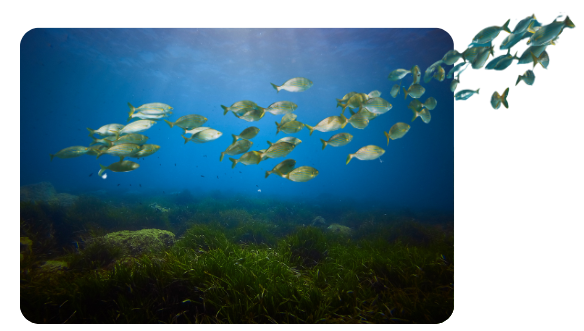
Head of Group
Dr James Clark
Head of Environmental Intelligence Group
- The Environmental Intelligence Group leads in strategic delivery of transformative solutions to understand, predict, and respond to marine environmental change.
- We have a whole systems, interdisciplinary approach, integrating physics, chemistry, biology, ecology, data science and AI to consider all dimensions of the impacts and values of marine systems, from weather and climate, at all depths including sediments and from coast to deep ocean, poles and freshwater systems.
- We deliver trusted, evidence-based solutions that enable decision-making across marine policy, management, and industries, underpinning national and international environmental and sustainability goals, and enhancing PML’s leadership in delivering impactful science for ocean action.
Our expertise includes:
- State-of-the-art computational models to simulate and predict how marine systems function and respond to local and global pressures across broad time and space scales
- Integration of observations, model outputs and advanced analysis to empower researchers, policymakers, and stakeholders to make more informed decisions.
- Designing, developing, and deploying autonomous and uncrewed marine robotic vehicles and sensors that enable agile, adaptable and efficient data collection in challenging marine environments
- Cutting-edge data analysis, artificial intelligence (AI) and visualisation tools
- Environmental Digital Twins, providing optimised simulations of real-world systems to deliver timely, actionable evidence and support intelligent solutions
- Decision Support Tools that translate complex datasets, information and knowledge into actionable insights.
-
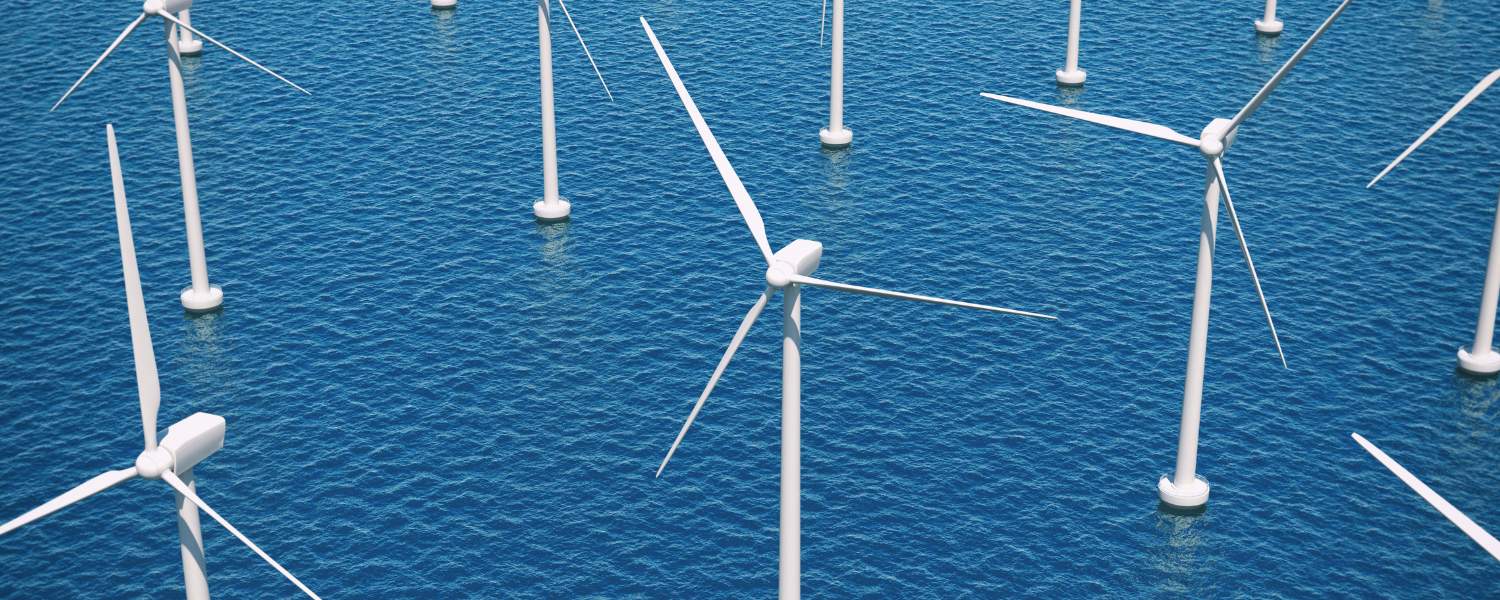 Establishing a Framework for Quantifiable Evidence of Ecosystem Change in Floating Offshore Wind (EQUIFy)
EQUIFy is a pioneering research project led by Plymouth Marine Laboratory under the NERC and The Crown Estate Ecological Effects…
-
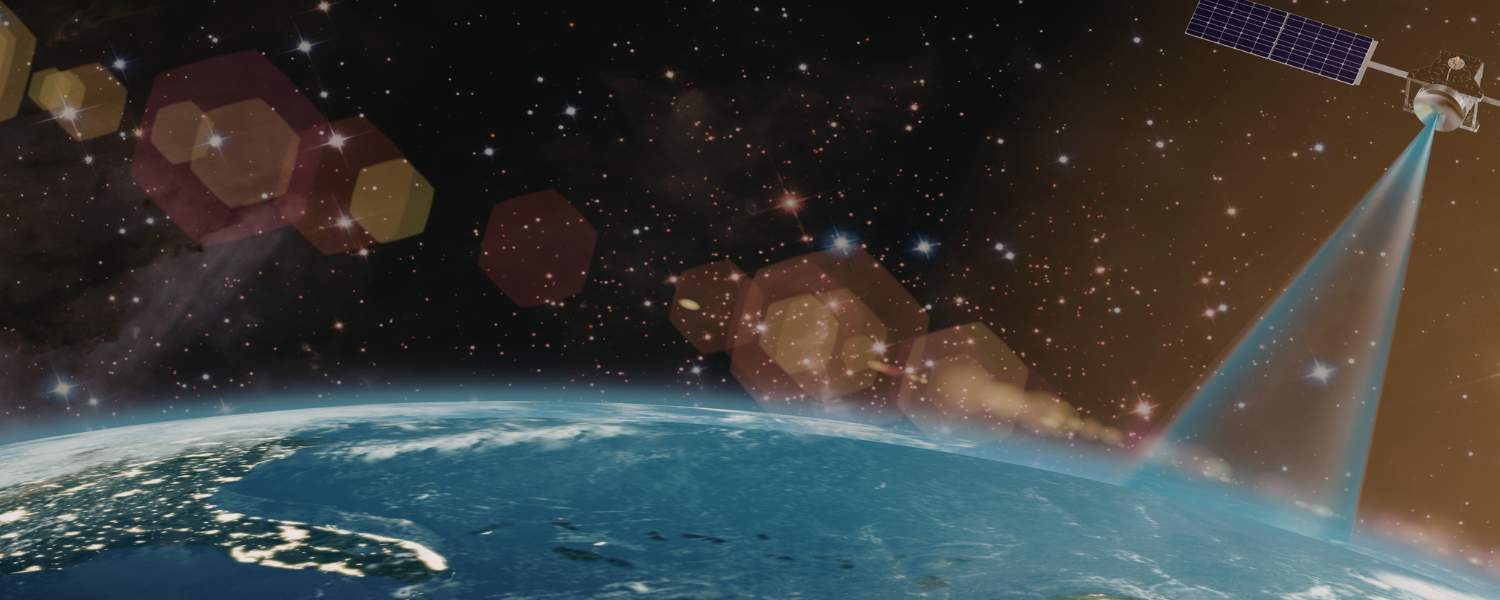 Climate and Marine Production (CAMP)
Climate and Marine Production (CAMP) is improving our understanding of ocean productivity and how it responds to climate change by…
-
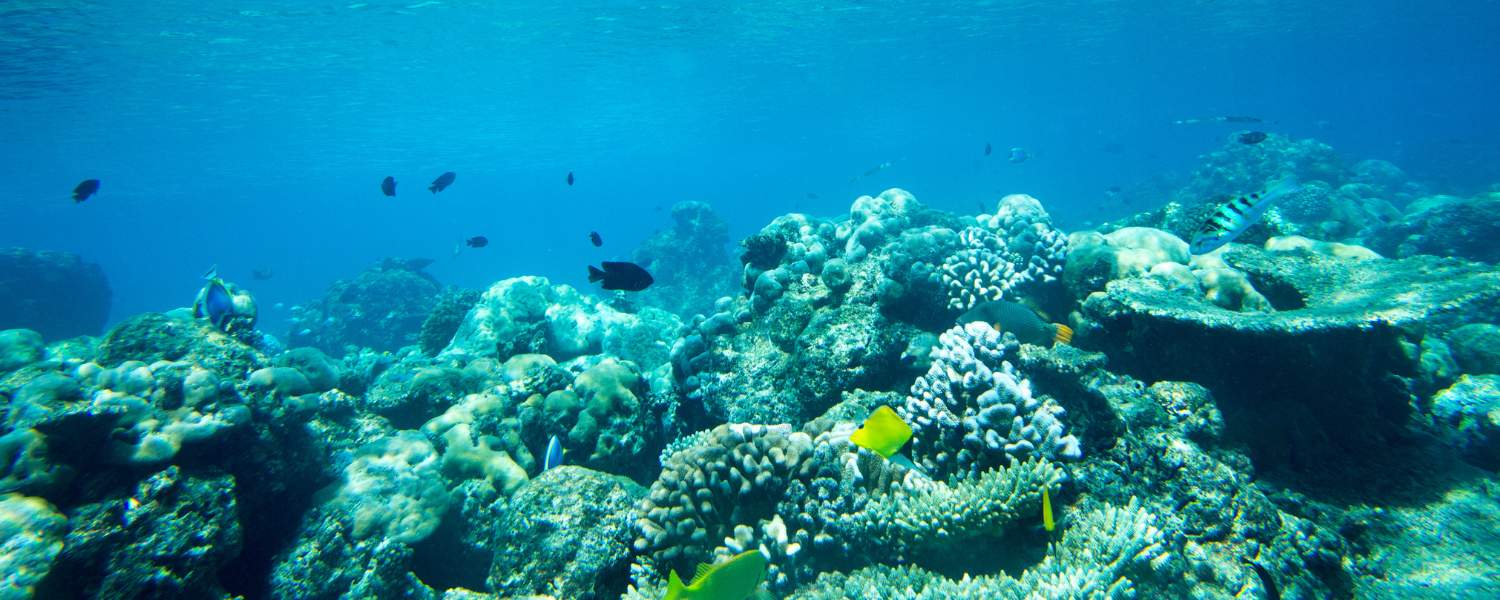 Tipping Points and Abrupt Changes in Marine Ecosystems (TIME)
The Tipping points and abrupt changes In the Marine Ecosystem (TIME) project is developing new ways to identify early warning…
-
 DEcentrAlised Learning for automated image analysis and biodiversity monitoring (DEAL)
DEAL will create an application that allows owners of biological image data to participate in decentralised, collaborative networks, where they…
-
 Monitoring Integrated Digital Support Tool – for CO2 and hypersaline brine monitoring applied to UK
In MIDST-UK, an open source, user friendly, pre-operational Decision Support Tool (DST) will be extended to also included brine release…
-
 TYRE-LOSS: Lost at Sea – where are all the tyre particles?
Tyre particles are increasingly recognised as a potentially major source of microplastic pollution, yet limited data exists on their accumulation…
-
 Future States of the global Coastal ocean: Understanding for Solutions (FOCUS)
The Future states Of the global Coastal ocean: Understanding for Solutions (FOCUS) project is working to understand how climate change…
-
 Automated, in situ Plankton Imaging and Classification System (APICS)
The Automated, in situ Plankton Imaging and Classification System (APICS) will radically improve the understanding of how environmental changes are…
-
 Environmental Monitoring at Calstock flood defence improvement scheme
Measuring the effects of new Calstock intertidal wetland on water biogeochemistry
-
 Managing the Environmental Sustainability of the Offshore Energy Transition (MOET)
MOET will assess the environmental sustainability of offshore wind, blue and green hydrogen, and carbon capture and storage for selected…