Lead contact
Professor Helen Findlay
Biological Oceanographer
The Role of Marine Dioxide Removal (CDR) in Addressing Climate Change
To meet climate goals and address the issue of climate change effectively, there is general agreement that there needs to be a dramatic reduction in global greenhouse gas (GHG) emissions. Many sectors and industries will be required to radically alter their operations to reduce emissions of the GHG carbon dioxide (CO2) but this transformation to low-carbon operating will inevitably take time. As such, there has been a rapid increase in the exploration of alternative/complementary approaches, including Carbon Dioxide Removal (CDR) , while efforts to reduce CO2 emissions continue.
CDR is the process of removing CO2 gas from the atmosphere and ‘locking’ it away for the long-term, usually in geological, terrestrial or ocean reservoirs.
The Importance of CDR in Achieving Climate Goals
CDR is explicitly included in the UNFCCC Paris Agreement as a means of contributing towards a net-zero future, although emissions reductions remain the key focus as CDR will only be effective if emissions are significantly reduced.
The ocean is already the largest carbon store on Earth. It is estimated to absorb over a quarter of CO2 emissions created by human activities and offers scope for CO2 removal. Building upon internationally recognised research and an extensive understanding of the marine environment, as well as the ecosystem services it supports, PML applies its expertise to help explore CDR initiatives provided by the marine environment, termed Marine CDR or mCDR.
Marine Carbon Dioxide Removal (mCDR) approaches include:
- Ocean fertilisation
Fertilizing nutrient-poor surface waters with nutrients, such as iron, phosphorus, nitrogen, or with naturally nutrient-rich water, can stimulate photosynthesis and “fix’ excess amounts of CO2 in living biomass of phytoplankton or macroalgae.
- Recovery of ocean and coastal ecosystems
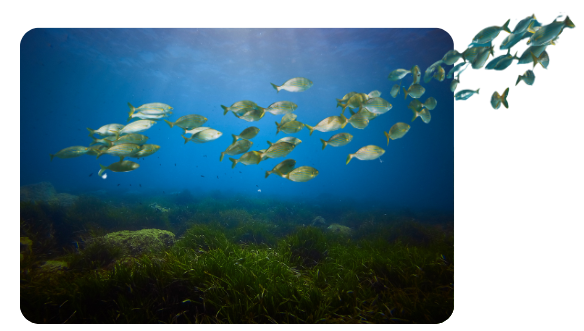
Important coastal habitats, often referred to as Blue Carbon habitats, such as mangroves, macro-algae areas, tidal marshes and seagrass meadows, are reported to absorb and store significant amounts of carbon from the atmosphere and have been recognised for their potential in managing climate change. Protecting and restoring wider ecosystems has the benefit of providing a more resilient, healthy system.
- Ocean alkalinity enhancement
A chemical change in seawater through the addition of alkalinity using one of several mechanisms, including enhanced mineral weathering, or electrochemical or thermal reactions, that release alkalinity to the ocean, with the ultimate aim of removing CO2 from the atmosphere.
- Electrochemical approaches
Direct removal of CO2 from seawater or enhancement of the storage capacity of CO2 in seawater (e.g., in the form of ions or mineral carbonates) by manipulating seawater acidity or alkalinity, respectively.
These approaches will store carbon on different timescales depending on when and how they are carried out. For instance, ocean fertilisation in the surface waters will store carbon only on the order of years to decades, alkalinity enhancement may transfer carbon to the deep ocean where it could be stored on century timescales, and capturing carbon using electrochemical methods with storage in geological formations will lock carbon away for thousands of years. Knowledge of carbon transport and cycling around the ocean is therefore vital to understand the plausibility of these techniques. PML has several decades experience in ocean carbon cycle research.

Unraveling the Potential: Exploring the Impacts of mCDR Research
mCDR research is in its infancy and there are still many unanswered questions relating to the efficacy and wider impact of such activities, to which PML has the expert capabilities to help answer. The feasibility, uncertainty, risks, evaluation and decommissioning of different mCDR approaches all need to be assessed robustly. This is vital in order to understand and avoid unintended negative consequences on the local environment, but also inadvertent impacts upon carbon fluxes overall, which is an important consideration if initiatives are to be up-scaled in the future.
It is also vital to have an advanced understanding of the environment’s baseline to be able to monitor any changes that are caused by mCDR initiatives – an area in which PML’s expertise in long-term monitoring is invaluable.
Another aspect of mCDR in which PML is active is the development of meaningful stakeholder engagement activities. This is crucial in order to enable effective and sensitive co-development, ensuring all voices related to any initiative or approach are heard, and that stakeholder interests can be appropriately balanced.
“Marine-based CO2 removal is rightly attracting a great deal of attention in terms of its potential for helping mitigate climate change impacts but the testing and adoption of any new technologies and processes needs to be underpinned with rigorous scientific research to ensure safety and sustainability.
The appetite to accelerate the use of mCDR must be balanced with approaches which are inclusive, transparent and robustly verified and it is important that investment is directed towards supporting outcomes which are genuinely beneficial for society and the environment.”
Commercial mCDR Services
From PML Applications Ltd
For commercial mCDR services, delivered by PML Applications please also visit:
Carbon removal technologies, mCDR and nature-based solutions
-
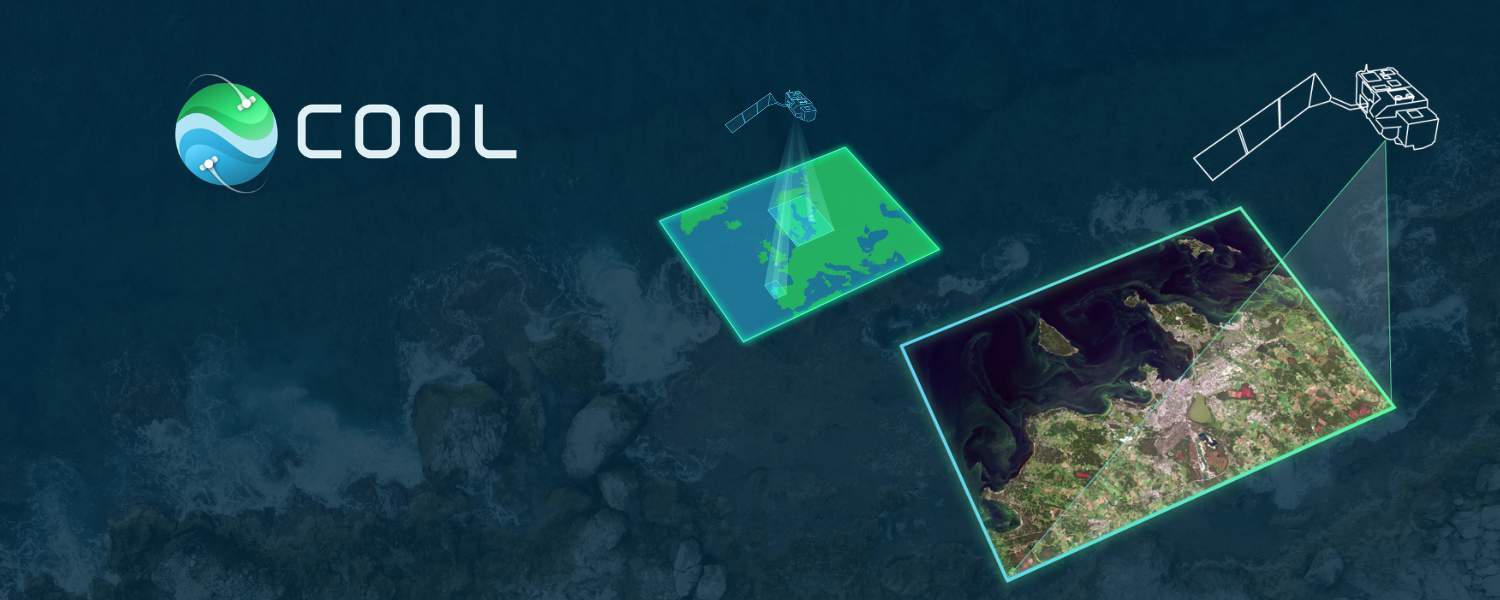 Carbon from earth Observation between Ocean and Land (COOL)
The COOL (Carbon from Earth Observation between Ocean and Land) project is a European Space Agency (ESA)-funded initiative focused on…
-
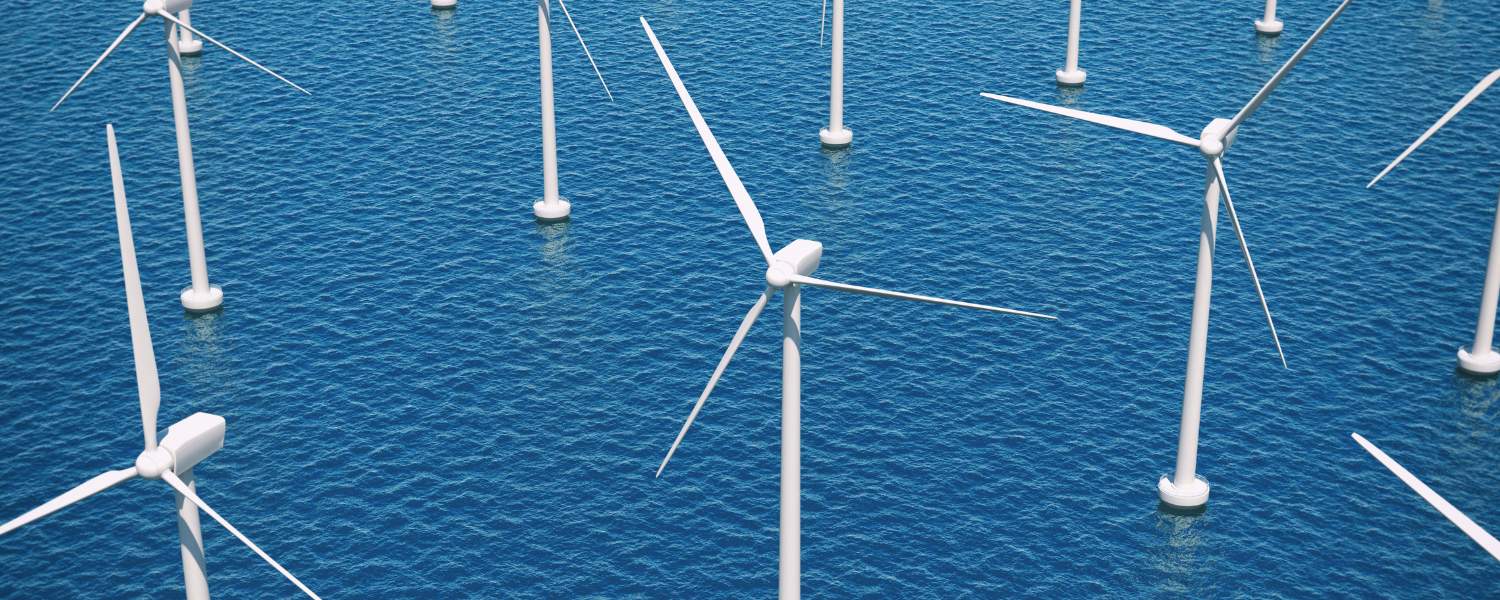 Establishing a Framework for Quantifiable Evidence of Ecosystem Change in Floating Offshore Wind (EQUIFy)
EQUIFy is a pioneering research project led by Plymouth Marine Laboratory under the NERC and The Crown Estate Ecological Effects…
-
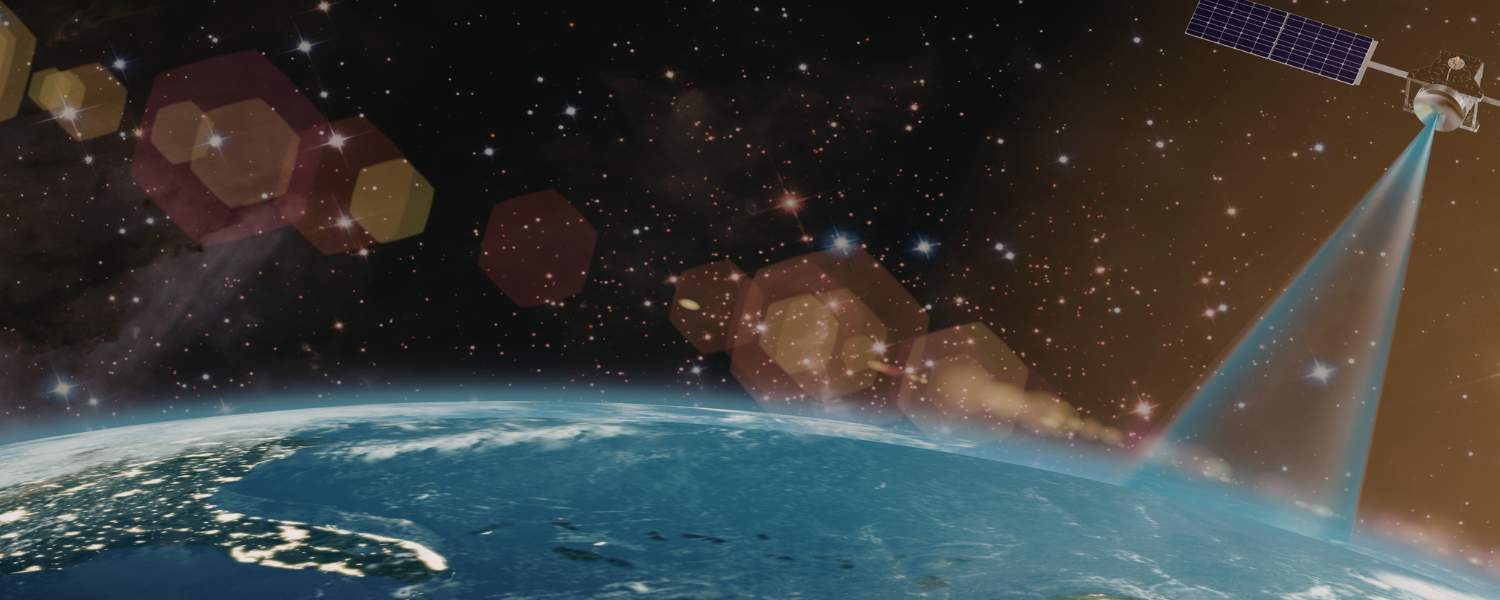 Climate and Marine Production (CAMP)
Climate and Marine Production (CAMP) is improving our understanding of ocean productivity and how it responds to climate change by…
-
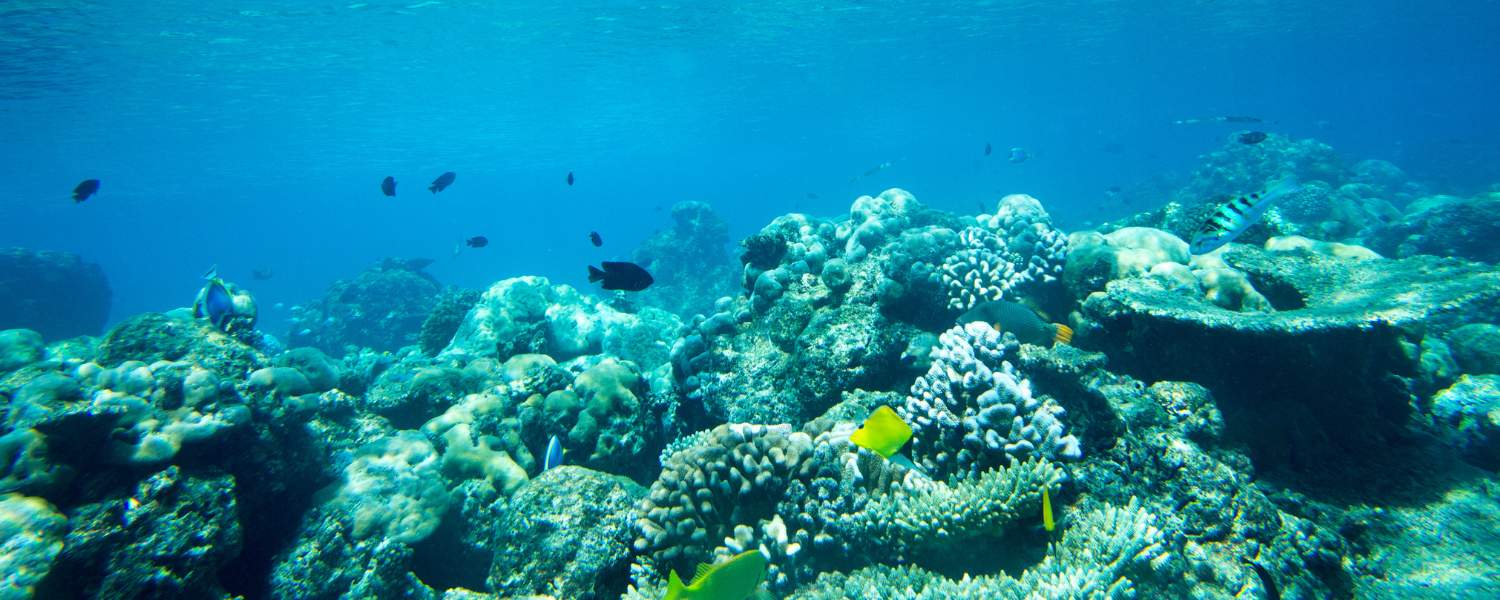 Tipping Points and Abrupt Changes in Marine Ecosystems (TIME)
The Tipping points and abrupt changes In the Marine Ecosystem (TIME) project is developing new ways to identify early warning…
-
 Satellite-based observations of Carbon in the Ocean: Pools, Fluxes and Exchanges (SCOPE)
In the Satellite-based observations of Carbon in the Ocean: Pools fluxes and Exchange (SCOPE) project, funded by the European Space…
-
 Closing the budget in marine atmospheric Oxidative Capacity through the quantification of Oceanic VOC emissions (COCO-VOC)
Roughly half of the oxidation of methane (a key greenhouse gas) and non-methane volatile organic compounds (VOCs) occurs over the…
-
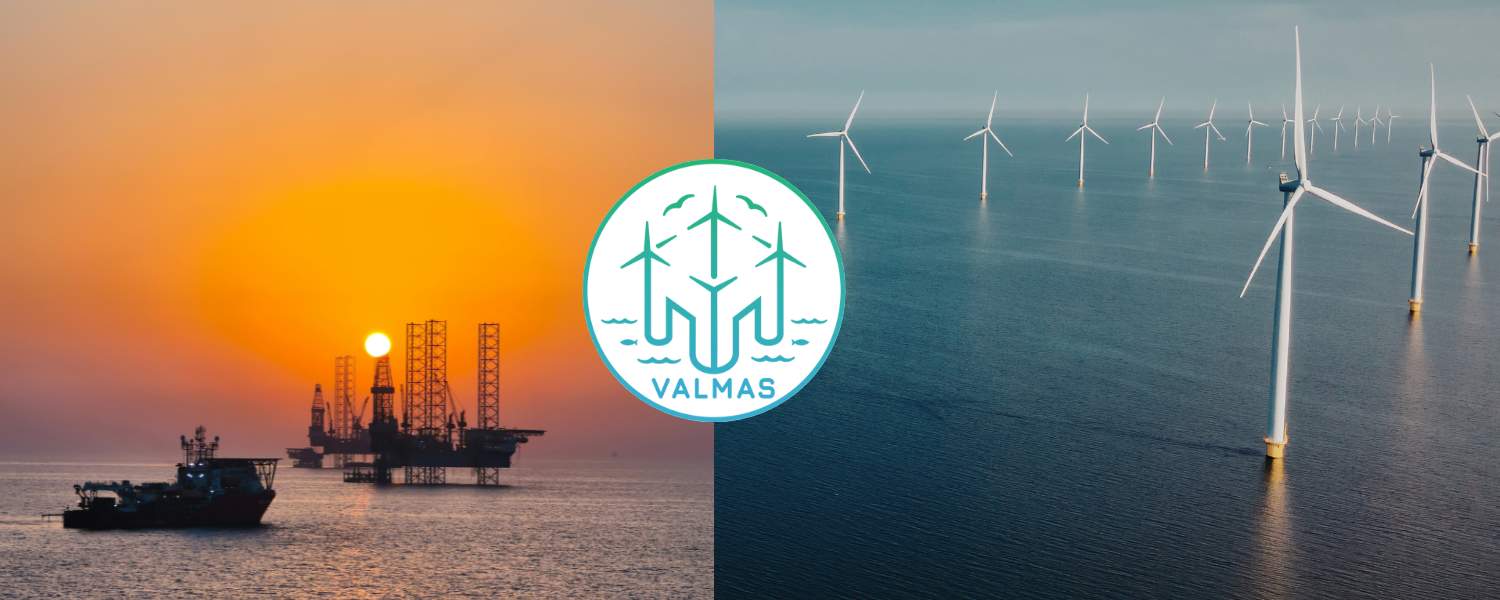 Valuing Marine Artificial Structures (VALMAS)
VALMAS is a £5.6 million UK research programme that examines how marine artificial structures, such as offshore wind turbines and…
-
 Carbon sequestration in BLUe EcoSystems (C-BLUES)
The C-BLUES project aims to significantly advance knowledge and understanding of blue carbon ecosystems (BCEs) – seagrasses, tidal marshes, mangroves…
-
 Ocean ICU: Improving Carbon Understanding
The Horizon EU OceanICU is a five year project that seeks to gain a new understanding of the biological carbon…
-
 ProBleu: Promoting ocean and water literacy in school communities
ProBleu aims to mobilise and engage students, school communities, and the wider community across the EU and associated countries to…
Cripps, Widdicombe, Spicer and Findlay (2013) Biological impacts of enhanced alkalinity in . 71: 190-198
Queirós, Ana M., Tait, Karen, Clark, James R., Bedington, Michael, Pascoe, Christine, Torres, Ricardo, Somerfield, Paul J., and Smale, Dan A.. 2023. “ Identifying and Protecting Macroalgae Detritus Sinks toward Climate Change Mitigation.” 33( 3): e2798.
Queirós, A.M., Stephens, N., Widdicombe, S., Tait, K., McCoy, S. J., Ingels, J., Rühl, S., Airs, R., Beesley, A., Carnovale, G., Cazenave, P., Dashfield, S., Hua, E., Jones, M., Lindeque, P., McNeill, C. L., Nunes, J., Parry, H., Pascoe, C., Widdicombe, C., Smyth, T., Atkinson, A., Krause-Jensen, D. , and Somerfield, P. J.. 2019. Connected macroalgal-sediment systems: blue carbon and food webs in the deep coastal ocean. 89( 3):e01366.
Polimene, L; Torres, R; Powley, HR; Bedington, M; Juhls, B; Palmtag, J; Strauss, J; Mann, PJ. 2022 . , 160 (3). 289-300.
Fairall, CW; Yang, M; Brumer, SE; Blomquist, BW; Edson, JB; Zappa, CJ; Bariteau, L; Pezoa, S; Bell, TG; Saltzman, ES. 2022 . , 9.
Related news
- SeaCURE: https://pml.ac.uk/news/3-million-for-new-carbon-capture-project-and-pilo/
- Amazon Wind/Seaweed Farm: https://pml.ac.uk/news/pml-leads-the-science-on-the-worlds-first-co-loca/
- TaliskerxParley: https://parley.tv/journal/what-a-scientist-wants-you-to-know-about-seaweed
- GOA-ON/NEA-OA: https://www.pml.ac.uk/Science/Projects/North-East-Atlantic-hub-of-the-Global-Ocean-Acidif
- https://www.washingtonpost.com/business/energy/2023/05/03/the-climate-crisis-take-care-before-enlisting-the-oceans-as-carbon-sinks/d5825a5a-e97e-11ed-869e-986dd5713bc8_story.html
- https://www.washingtonpost.com/business/energy/2023/03/30/what-s-sargassum-bloom-florida-s-seaweed-blob-may-offer-a-climate-solution/098e690c-cebc-11ed-8907-156f0390d081_story.html.
- Long-term marine monitoring and analysis
- Baseline assessment of marine biogeochemistry
- Marine ecosystem services expertise
- Stakeholder engagement
- Ocean climate-change modelling spatial meta-analysis