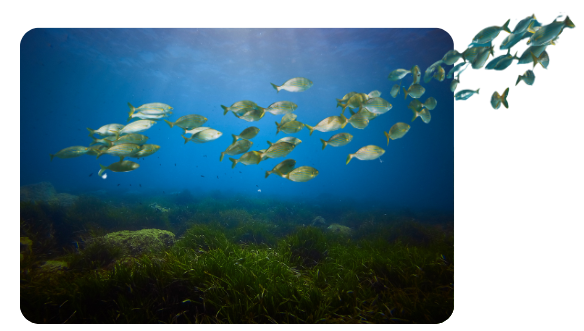
The UK’s energy transition will require further large-scale development of offshore wind, storage of blue and green hydrogen, and CO2 storage. Interaction of these operations with sensitive marine environments and other marine based activities (fishing, aggregate extraction, cables, shipping), creates potentially significant new challenges for the protection and optimal use of these spaces.
We are investigating new approaches to monitor marine life and assess the socio-economic impacts of renewable energy structures and have used the high resolution model FVCOM to assess and forecast the impacts of these structures on scales from a single turbine to an entire shelf sea.
Using our model we have demonstrated that although the effects of a single turbine are small, but cumulatively the impacts of multiple installations can disrupt the flow of water, potentially altering marine ecosystems, and possibly the heights of tides. This could disrupt the benefits we derive from a healthy marine environment where even small changes to the tides can have damaging consequences for coastal habitats and flooding risks, particularly in conjunction with the changes already seen as a result of climate change. Much more research is needed to assess if these impacts are significant or not.
In order to examine the wider costs, benefits and trade-offs of marine renewable energy, we have proposed and tested methods for holistic assessment of the impacts of tidal barrages and offshore wind farms on ecosystem services. Our environmental economists have also determined monetary values for the effects of these technologies on habitats, species and the seascape. We have further examined how the benefits of offshore wind farms could be maximised through co-location with commercial and recreational fishing activities. With the prospect of commercially viable tidal energy coming ever closer, we are examining public perceptions, the role of small scale and community-led initiatives, and the implications of tidal developments for regional economies.
PML’s expertise seeks to understand the impacts of offshore energy production, maximise the sustainability of operations, and develop appropriate monitoring strategies.
-
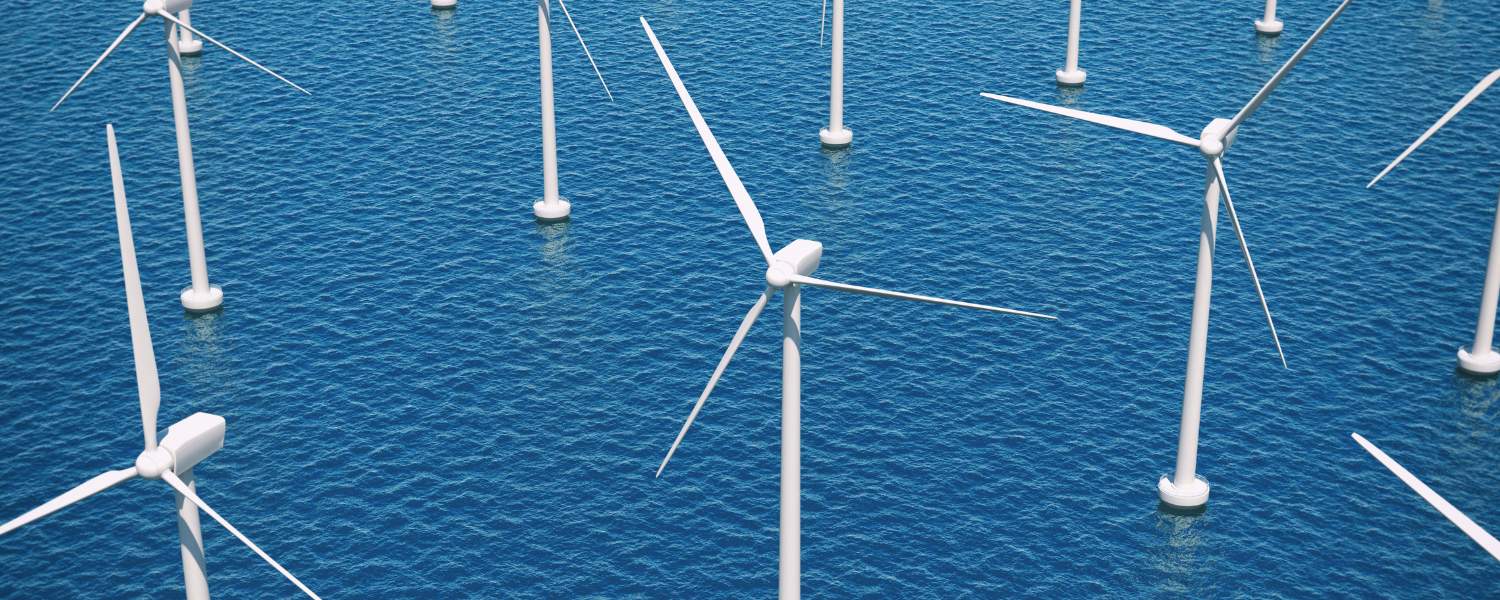 Establishing a Framework for Quantifiable Evidence of Ecosystem Change in Floating Offshore Wind (EQUIFy)
EQUIFy is a pioneering research project led by Plymouth Marine Laboratory under the NERC and The Crown Estate Ecological Effects…
-
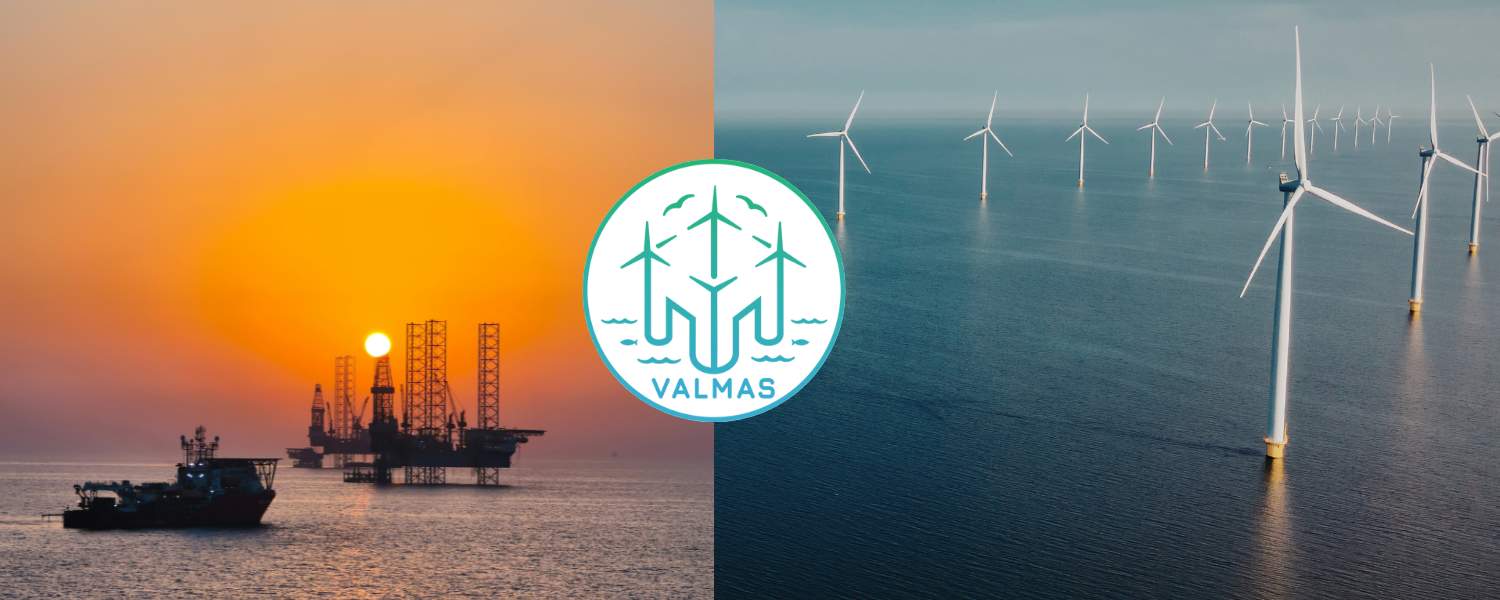 Valuing Marine Artificial Structures (VALMAS)
VALMAS is a £5.6 million UK research programme that examines how marine artificial structures, such as offshore wind turbines and…
-
 INSITE Synthesis
With the development of the blue economy, and shift to offshore renewable energy thousands of man-made structures (MMS) have been…
-
 EcoNex: The marine energy, biodiversity and food nexus
The UK has plans to increase offshore wind capacity to 50 GW by 2030. This will require an understanding of…
-
 ACTOM Decision Support Tool
The ACTOM Decision Support Tool enables operators of offshore geological carbon storage sites to plan effective environmental monitoring, whilst minimizing…
-
 Physics-to-Ecosystem Level Assessment of Impacts of Offshore Windfarms (PELAgIO)
The PELAgIO project will explore the impacts of offshore wind development across all levels of the food chain, looking at…
-
 UKERC – Energy, Environment, and Landscapes theme
This theme will apply ecosystem service and natural capital approaches to understand the environmental implications of changes in the UK…
-
 Managing the Environmental Sustainability of the Offshore Energy Transition (MOET)
MOET will assess the environmental sustainability of offshore wind, blue and green hydrogen, and carbon capture and storage for selected…
-
 Decommissioning – Relative Effects of Alternative Management Strategies (DREAMS)
The highly integrated DREAMS project is designed to bring together information about the effects of man-made structures on the marine…
-
 Act on Offshore Monitoring (ACTOM)
ACTOM developed the capability for cost-effective monitoring of offshore carbon storage projects as part of Carbon Capture Utilisation and Storage…