Story | 15 May 2026
PML shares marine planning knowledge and tools at Caribbean UNESCO summit
This week a PML scientist has been sharing cutting-edge marine spatial planning knowledge and tools with Caribbean nations at a high-level UNESCO meeting in Colombia, to help secure a more sustainable ocean future in the region.
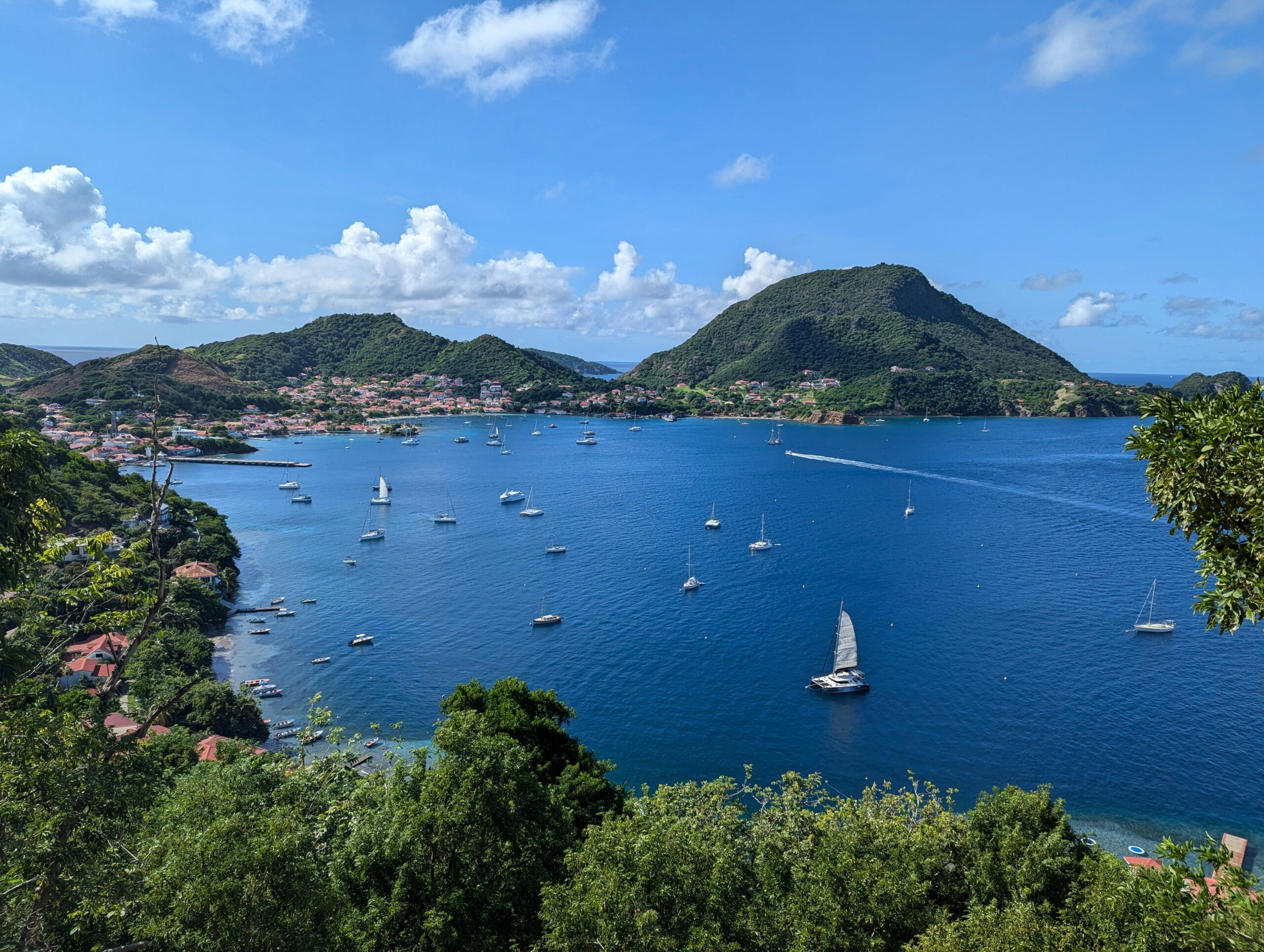
Busy bay of the south Caribbean island, Guadeloupe. Olivier Piquer | Unsplash
Professor Ana Queirós, PML Principal Ecologist and Ocean Challenge Lead for Climate Change, was an invited speaker at the UNESCO Intergovernmental Oceanographic Commission’s newly launched Marine Spatial Planning Task Team (IOCARIBE MSP-TT), which convened in Santa Marta (Colombia) on 11-13th May 2026.
What is Marine Spatial Planning?
Marine Spatial Planning (MSP) is a public process of analysing and allocating the distribution of human activities over space and time in marine areas to achieve ecological, economic and social objectives that are usually specified through a political process. Climate-Smart MSP incorporates climate evidence and solutions to help safeguard nature and economic growth into the future, as well as help create climate resilience and mitigation.
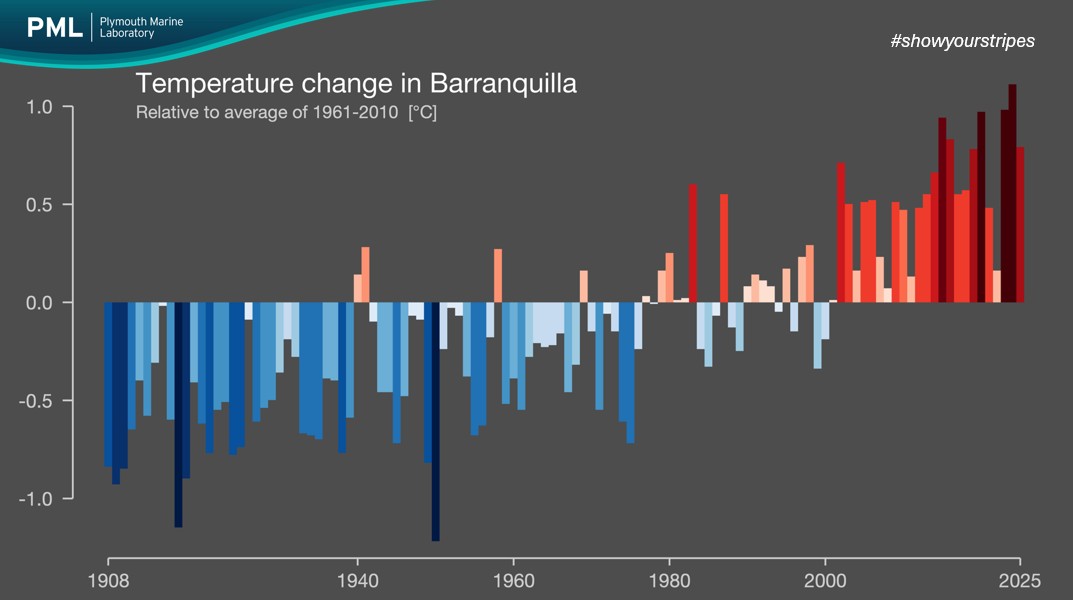
MSP is a particularly multifaceted and pressing issue for the Caribbean, supported by strong regional coordination and immediate societal needs. This is especially true for topics such as climate change, requiring adaptive and well-resourced marine planning approaches.
PML is committed to support ocean governance where it matters most
PML was honoured to join this inaugural in-person Task Team meeting, marking the formal convening of MSP practitioners from across IOCARIBE’s member states and key academics, with the goal of building a cohesive regional community of practice, share knowledge and support solution development for MSP.
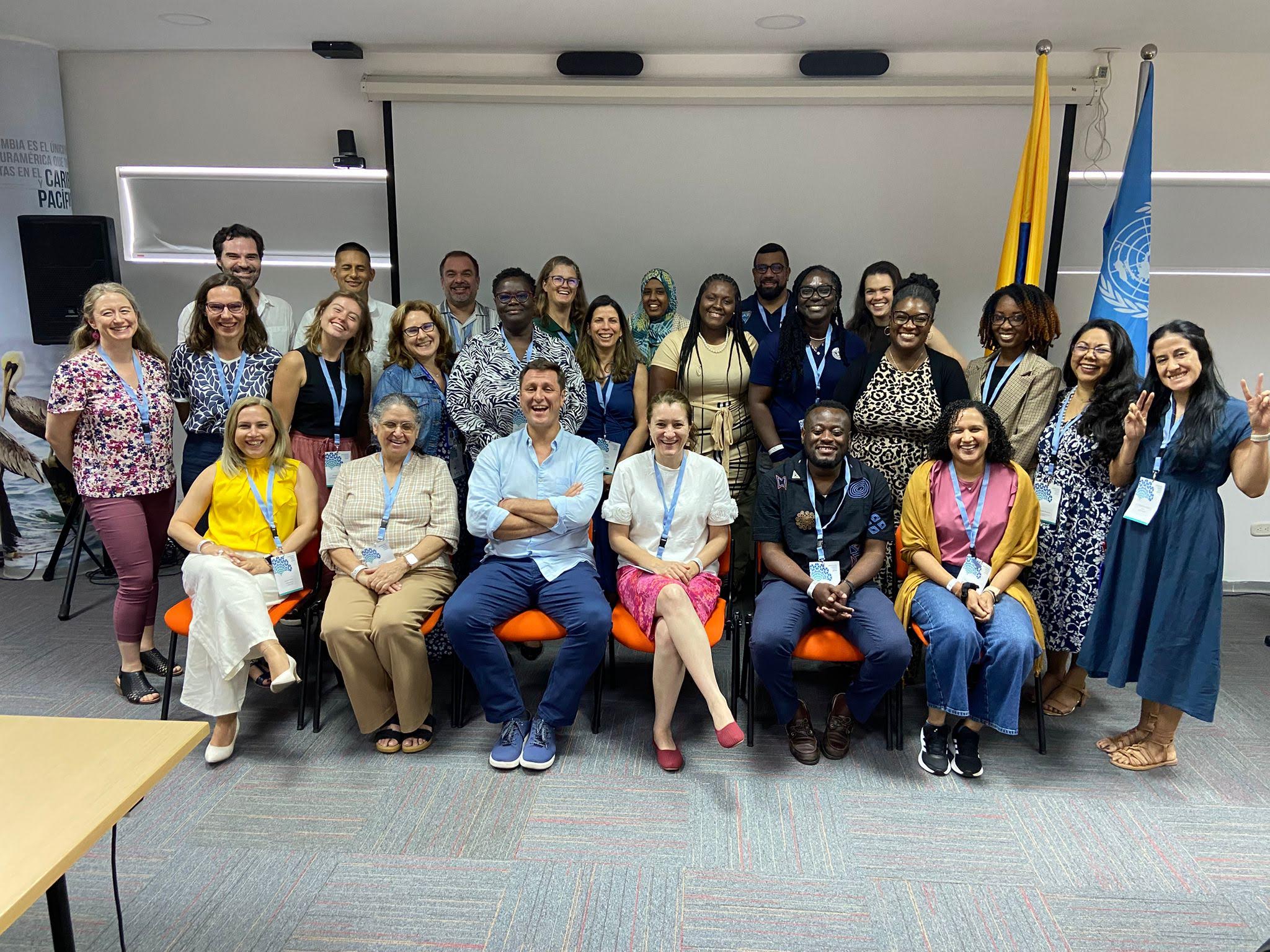
Delegates shared individual nation and territory experiences of MSP and PML was privileged to bring to the forum its leading work in the development of climate-smart MSP, drawing on PML’s research in support of the UK Overseas Territories and Barbados.
Reflecting PML’s internationally-recognised expertise in the area of climate-smart MSP, Prof. Queirós presented outcomes from the Marine Spatial Planning Addressing Climate Effects (MSPACE) project, a key one being the endorsement of MSPACE as a UN Ocean Decade Action, which is now supporting capacity development in climate-smart MSP in the region, as well as in Europe and South Africa. This is taking shape through capacity development that leads to climate-smart, economically-viable and socially-acceptable MSP solutions, including that supported by decision support tools like MSPACE’s Assisted Spatial Prioritisation Addressing Climate Effects (ASPACE) tool.
Attention was brought to the co-development of ASPACE and MSPACE with MSP stakeholders; an approach used to ensure that the development leads to fit-for-purpose research that helps sustainable management of marine resources and improves the marine environment for the next generation.
Part of the meeting focused on the delivery of the UNESCO MSP global training course on climate-smart and biodiversity inclusive MSP, resulting from two new UNESCO guideline documents recently published and to which PML colleagues, including Prof. Queirós, contributed knowledge and examples.
Promoting a sustainable future for the Caribbean marine environment
One of the outcomes of recent PML-led work Prof Queirós highlighted was the recently launched Roadmap for Climate-smart MSP in the UK Overseas Territories, in which Ana was the scientific lead as part of a Marine Climate Change Impacts Partnership (MCCIP) project, co-developed with government agencies across the UK Overseas Territories, especially Anguilla and Turks and Caicos.
Professor Ana Queirós, Principal Ecologist and Ocean Challenge Lead for Climate Change at Plymouth Marine Laboratory:
“It is a privilege to be invited to this task team and meeting and it closely aligns with our core ambition to progress climate-smart ocean planning capability around the world. This task team is an opportunity to join a community of practice of capacity development in the region, to learn about the diverse and individual context of regional nations and territories, and to support development of fit-for-purpose solutions that help resolve real-world needs in the region. This is a region at the forefront of climate change impacts but where great examples of action are coming forward.”
“This task team is a rare chance to bring together practitioners with academics, to help support joint learning and knowledge sharing, key to the delivery of sustainability and to help accelerate climate action. We are grateful to IOCARIBE for bringing this group together, and to bring us into it.”