Story | 04 June 2026
Coastal light pollution: taking research on artificial light at night to Chile - and its vast coastline
PML’s Dr Keila Guillen Oñate has recently returned from Chile, where she shared PML’s latest research on public perceptions of mitigation measures for coastal light pollution.
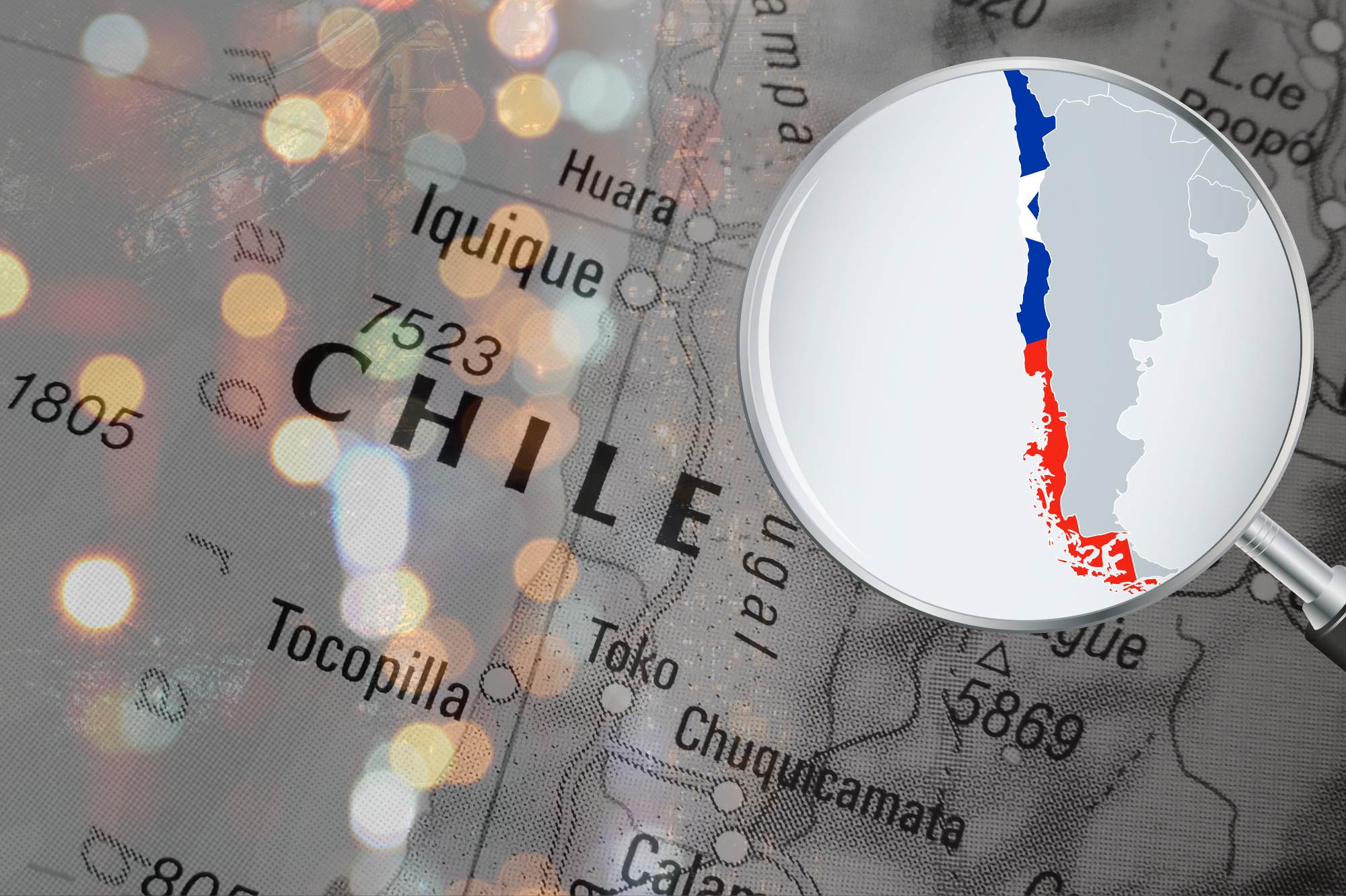
Chile is one of the world’s most geographically distinctive countries – a long, narrow stretch of land extending over 4,000 kilometres along the Pacific Ocean. As one of the longest north–south countries on Earth, its vast coastline spans a remarkable range of marine environments but also makes it particularly vulnerable to the impacts of coastal light pollution.
Did you know?
At its widest point, Chile measures around 350 km (217 miles) from east to west, narrowing to just 64 km (40 miles) at its slimmest. Bordered by the Andes Mountains to the east and the Pacific Ocean to the west, it stretches from the arid Atacama Desert in the north to the icy fjords of Patagonia in the south – and is the closest country to Antarctica.
What are the impacts of artificial light pollution?
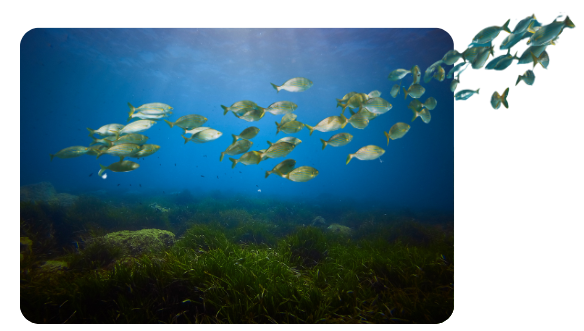
Artificial light at night (ALAN) has become an increasing focus of scientific research in recent years. Growing evidence shows that light pollution can have wide-ranging impacts on coastal ecosystems: from disorienting turtle hatchlings and disrupting coral spawning cycles, to altering predator–prey interactions and reducing the reproductive success of fish.
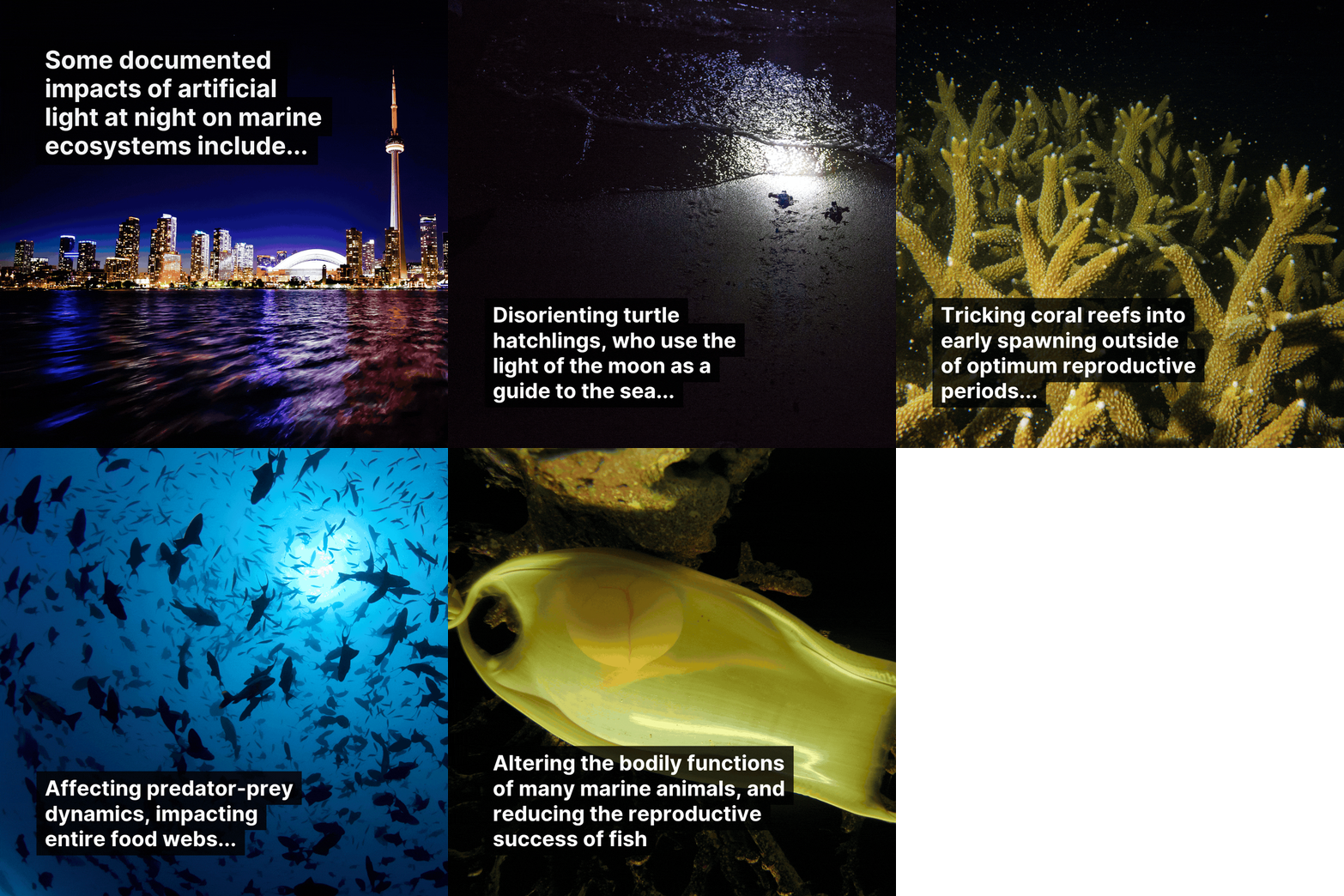
This is an area where Plymouth Marine Laboratory has been at the forefront of global research. PML scientists have helped to raise awareness of marine light pollution as an emerging environmental threat, contributing to international initiatives and policy discussions – including bringing the issue to the UK Parliament and co-leading a UN Ocean Decade-endorsed global research initiative: the Global Ocean Artificial Light at Night Network (GOALANN).
Research led by PML has further demonstrated how artificial lighting can affect even small but ecologically important species, such as beach-dwelling invertebrates, as well as static marine organisms that rely on natural light cycles for essential biological processes. Together, these findings underline that light pollution is not just a terrestrial issue, but a growing concern for ocean health worldwide.
Discover some of PML’s research on the impacts of Artificial Light at Night:
As understanding of these impacts grows, so too does the need to consider how light pollution is perceived by policymakers and the public – and which mitigation measures are most likely to be supported and implemented.
It was against this backdrop that Plymouth Marine Laboratory’s Environmental Economist Dr Keila Guillen Oñate recently travelled to Chile to share results of five years of research under the FOCUS project on Artificial Light At Night (ALAN) in coastal environments, specifically looking at Chileans’ perceptions and preferences for mitigation measures.
During her visit, she presented findings from three PML-led studies that explored perceptions and preferences for mitigation measures addressing light pollution on urban beaches. Researchers conducted surveys with local residents, both in-person and online, amassing opinions from over 1,700 participants.
Part of the study included sharing graphics with different options of street lighting, and at different periods at night.
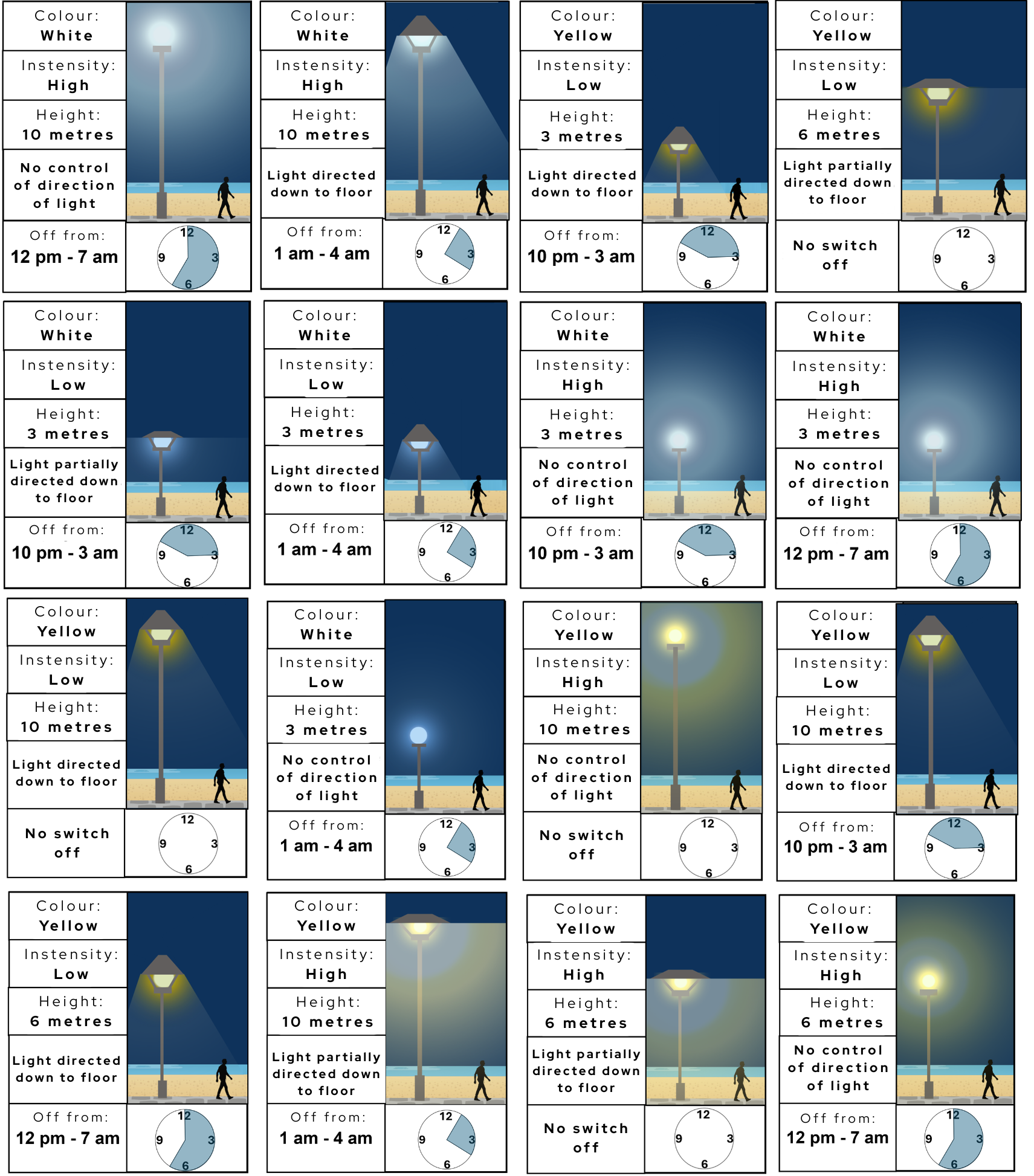
The results showed:
- There was a low awareness of the impacts of light pollution – especially on marine ecosystems.
- Key motivators for ALAN mitigation measures were driven by perceived safety, and also environmental and animal wellbeing benefits (e.g., stargazing without light pollution interference, and to reduce impacts on animals – such as disorienting turtle hatchlings)
- Preference for directing light downward and reducing intensity.
- Beach lighting shutdowns are accepted from midnight.
- General dislike of low lighting poles.
- Resistance to warmer light colours when accustomed to white/cold lighting.
- No one-size-fits-all policy; local adaptation is critical.
- Greater support for strong measures when not affecting immediate surroundings.
The research found that there is a clear need for education campaigns focused on the impacts of light pollution on marine environments, especially on charismatic species like birds, which more positively influences people’s preferences for more impactful light pollution mitigation measures.
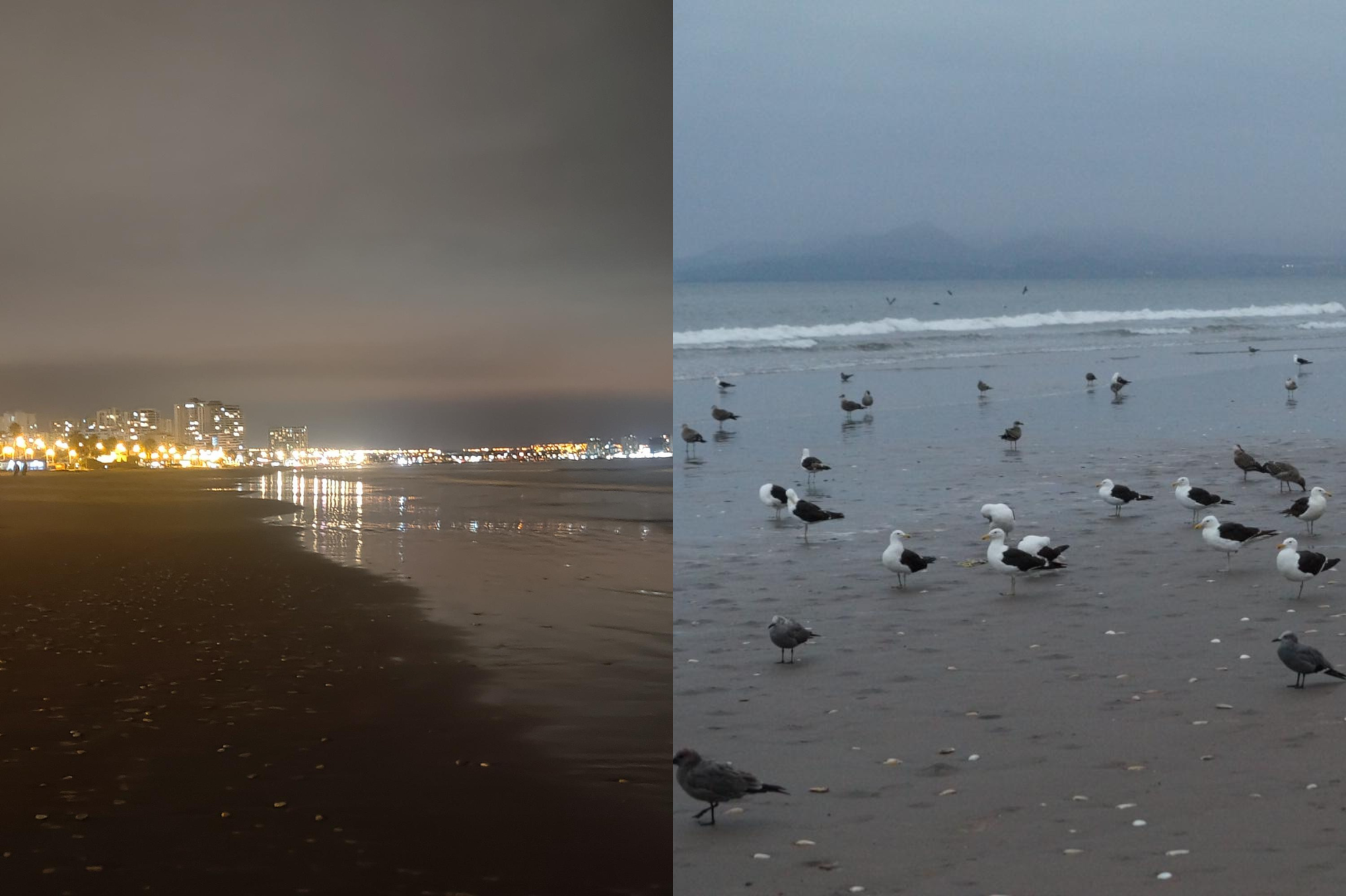
Image: Night vs day: a beach in La Serena with considerable artificial light pollution entering the marine environment at night, and some of the native birds on the beach before sunset.
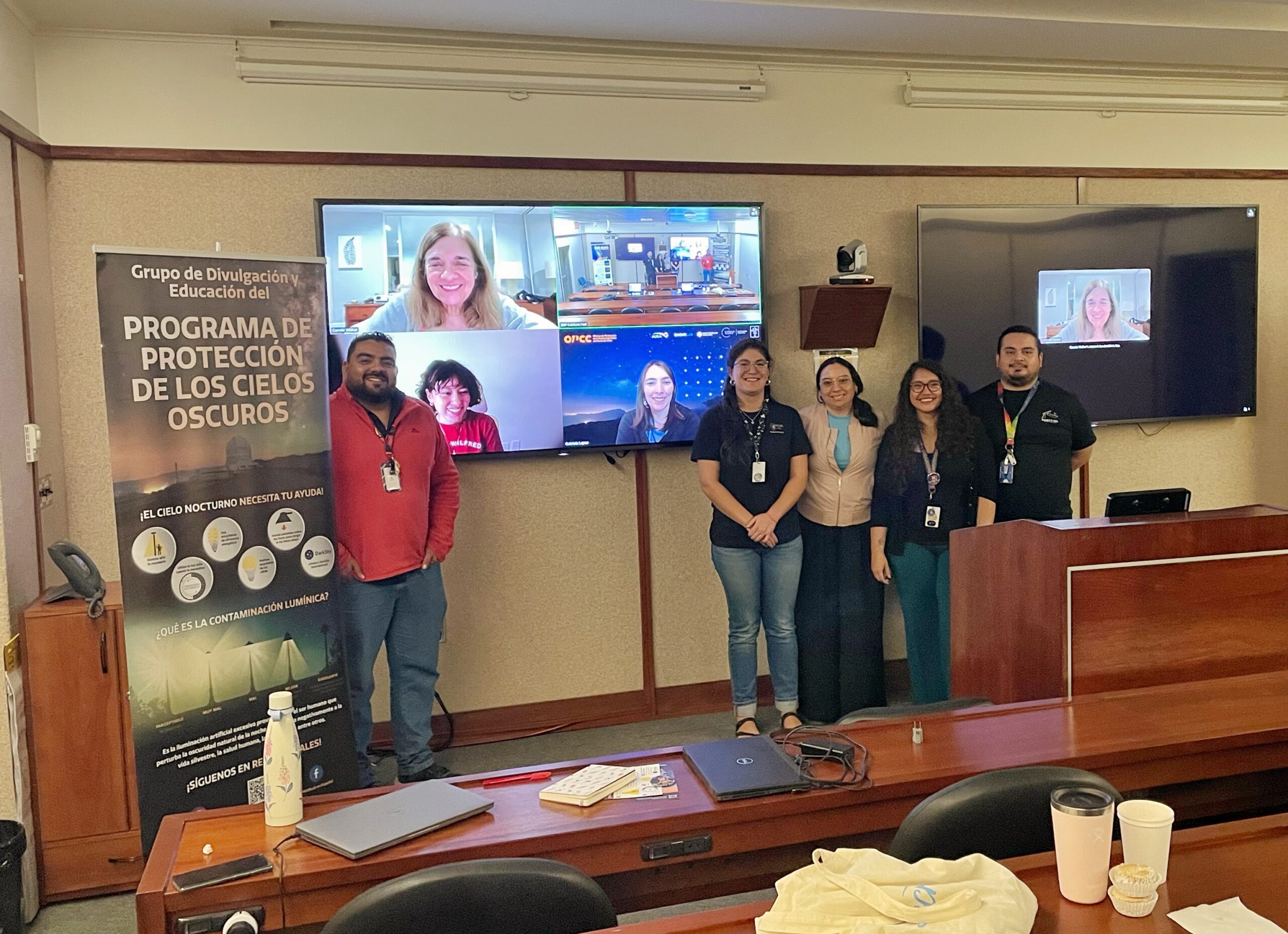
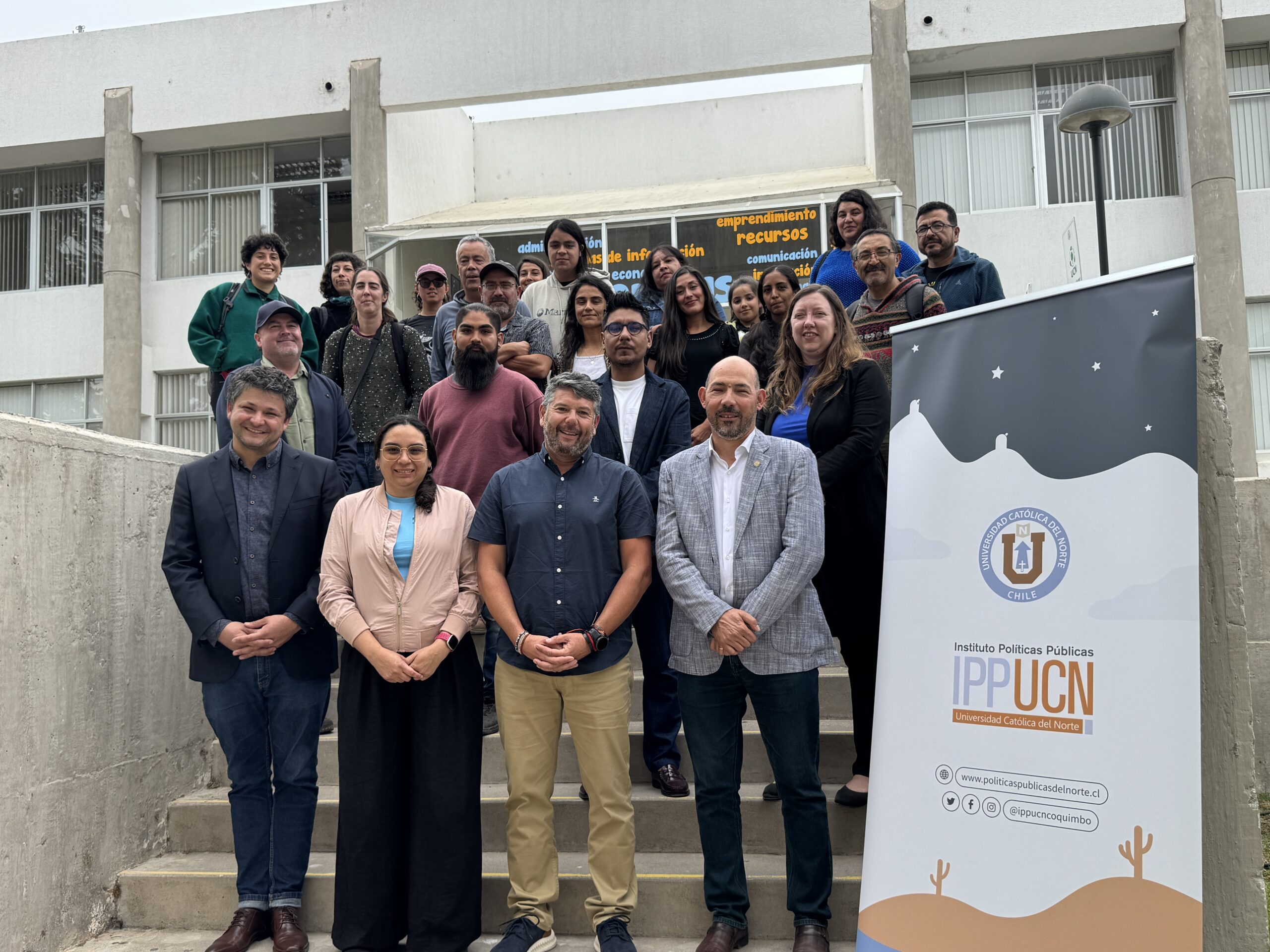
The work was shared through a series of seminars hosted by leading institutions including Universidad Andrés Bello, the Oficina de Protección de la Calidad del Cielo del Norte de Chile (OPCC), and the Instituto de Políticas Públicas at the Universidad Católica del Norte in Coquimbo. These events brought together approximately 120 researchers and practitioners working across light pollution, dark sky protection, and environmental governance. Attendees manifested their interest in using the information mostly for educational and awareness purposes, and as evidence in social and environmental evaluation for decision-making.
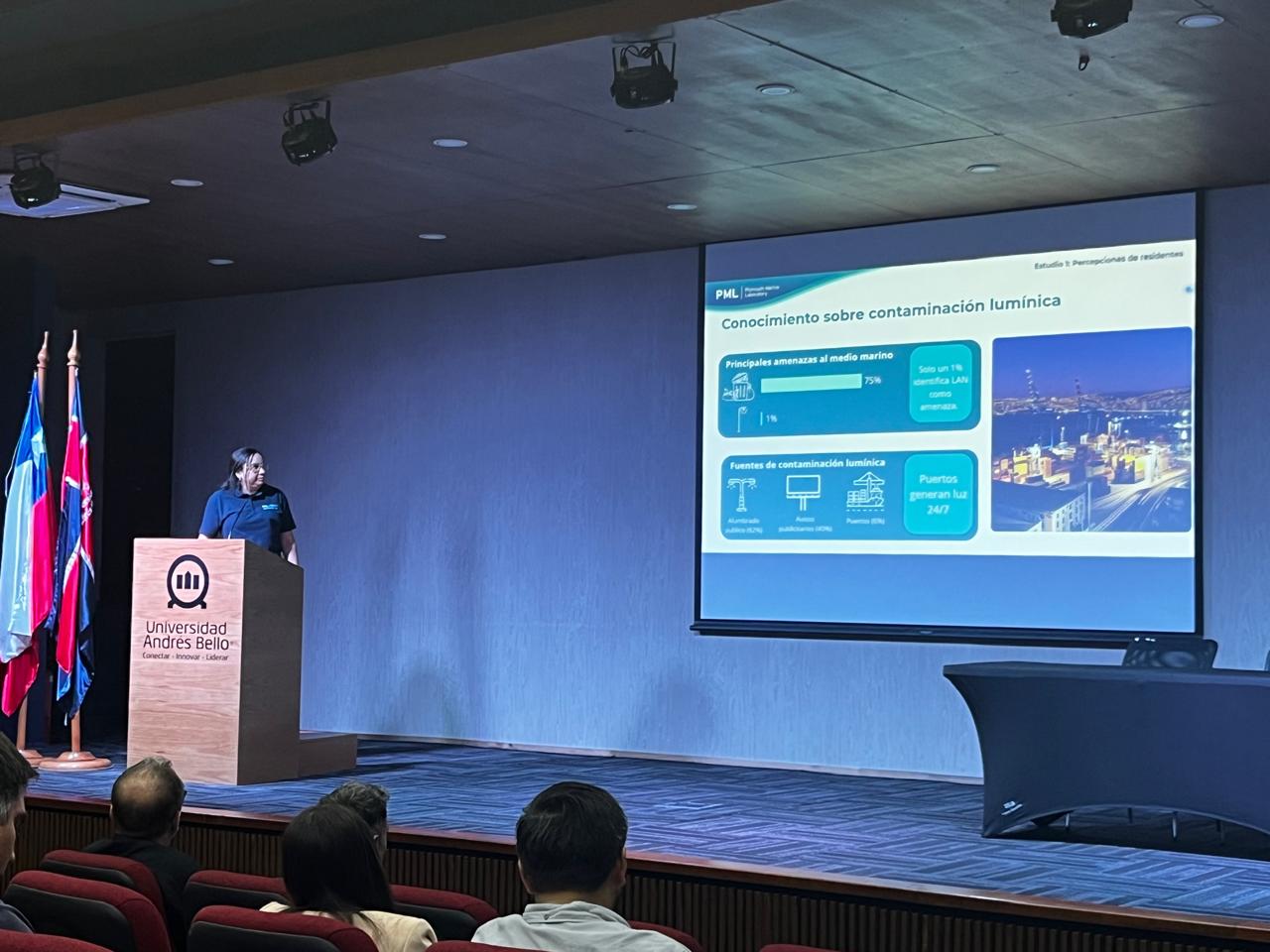
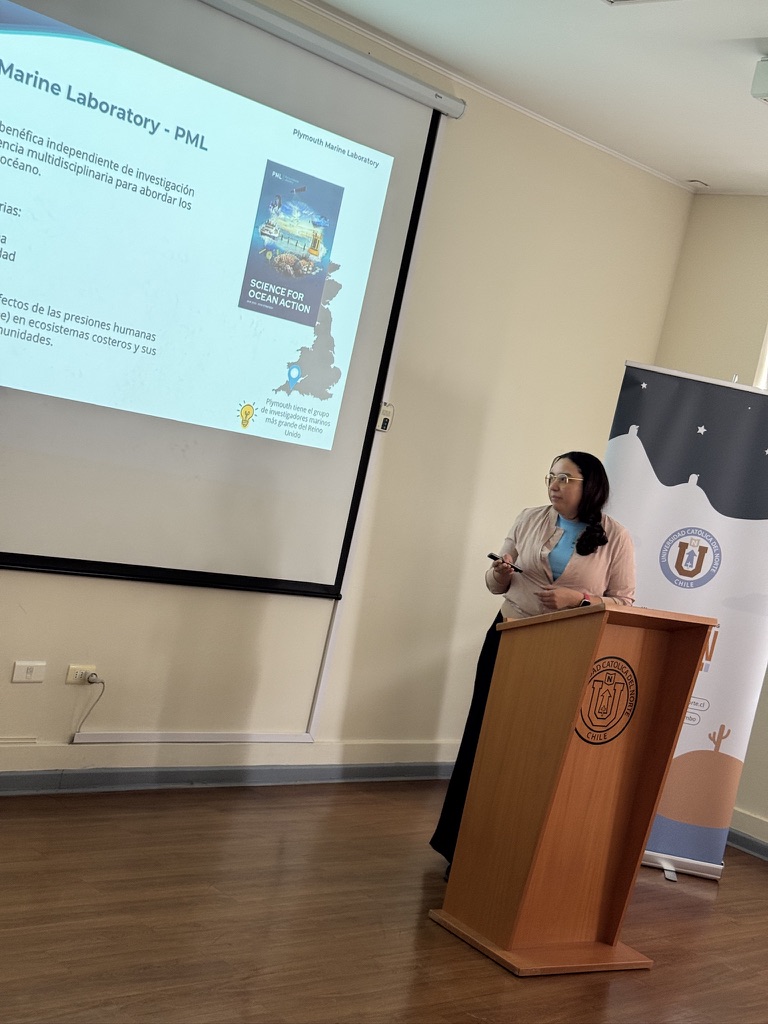
Images: Keila presenting the research at leading institutions in Chile.
Reflecting on the visit, Keila highlighted the value of connecting across disciplines:
“Light pollution is often discussed from a technical perspective – focusing on its ecological impacts or the technologies used to reduce it. But there is still very limited research exploring how people perceive light pollution, and what mitigation measures they are willing to support. Understanding these social dimensions is just as important if we want to develop solutions that are both effective and widely accepted.”
She also emphasised the importance of balancing environmental goals with social needs:
“It’s vital that mitigation measures take people’s experiences into account. For example, reduced lighting can raise concerns around safety – particularly for those who may already feel vulnerable at night. The challenge is to find balanced solutions that protect coastal ecosystems, while ensuring communities feel safe and confident in their environments.”
Highlighting the broader impact of her work, Keila added:
“By bringing together insights from science, policy and public perception, we can design more inclusive and practical approaches to managing light pollution. That’s where this research can really make a difference – helping to bridge the gap between evidence and implementation.”
The visit also provided an opportunity to learn about and collaborate with ongoing initiatives in Chile, including the implementation of new national regulations on artificial light at night, research in Antarctica examining its impacts on species in extreme environments, and work to identify and protect dark skies across the country.
Discussions also explored the economic value of coastal ecosystem services in regions such as La Serena and Coquimbo, reinforcing the importance of integrating ecological, social and economic perspectives in environmental decision-making.
“Interdisciplinary collaboration is key. Bringing together expertise from marine ecology, environmental policy, astronomy and economics allows us to better understand the full scope of the problem – and identify solutions that work across different sectors and societies,” Keila added.
Chile’s vast and varied coastline provides a powerful natural laboratory for this work. From highly urbanised beaches to remote and relatively undisturbed environments, it offers valuable insight into how increasing coastal development may alter natural light cycles in the ocean.
Please stay tuned via our website and social media channels for more on this issue, including the upcoming paper from Dr Guillen Oñate!
We would like to thank the Universidad Andrés Bello, the Universidad Catolica del Norte, and the Office for Sky Quality Protection in Northern Chile (Oficina de Protección de la Calidad de Cielos del Norte de Chile – OPCC) for hosting these seminars, and for the continued collaborations.