Category
Marine Pollution
Science topics & groups

Science group
Source to sea
The ocean, the land and freshwater ecosystems are closely interlinked and interdependent. Through applying a source-to-sea approach in our research we recognise this and aim to address knowledge gaps in support of the management of these connected ecosystems and tackling pollution at the source, ups...
Read more
Science group
Light and sound pollution
Our research aims to understand the widespread and pervasive effects of artificial light at night (ALAN), and sound pollution, on coastal and marine wildlife.
Read more
Science group
Biogeochemical cycles
The ocean plays a dominant role in the Earth’s carbon and nutrient cycles. These cycles are intrinsically linked together and sustain life in the ocean and form a key part of our climate system.
Read more
Science group
Water-related diseases
Water-related diseases affect millions of people each year worldwide. PML is monitoring the movement and spread of disease pathogens to support adaptation and reduce risks for human and ecosystem health under climate change.
Read more
Science group
Plastic pollution
Plastic pollution is a growing threat to the world’s oceans, posing a serious risk to the health of marine life, ecosystems and society.
Read more
Science group
Oil pollution
PML routinely monitors areas to detect if oil pollution occurs, so timely action can be taken.
Read moreRelated Projects
-
 Aquatic Pollution from Light and Anthropogenic Noise: Management of Impacts on Biodiversity (AquaPLAN)AquaPLAN is a four-year EU Horizon Europe project quantifying the combined impacts of artificial light at night (ALAN) and anthropogenic noise on aquatic biodiversity across Europe’s freshwater, estuarine, coastal and offshore environments. PML contributes expertise in physical and social mari...
 -
 Closing the budget in marine atmospheric Oxidative Capacity through the quantification of Oceanic VOC emissions (COCO-VOC)Roughly half of the oxidation of methane (a key greenhouse gas) and non-methane volatile organic compounds (VOCs) occurs over the oceans via reactions with the hydroxyl radical (OH). Some of these reactions lead to secondary organic aerosols (SOA), which are important for cloud formation, and ozone,...
 -
 Water-Associated infectious Diseases in India: digital Management tools (WADIM)WADIM aims to develop a multi-layered digital tool to map sanitation conditions and occurrence of disease and changes therein, especially in the event of flooding due to monsoon rainfall or natural disasters.
 -
 TYRE-LOSS: Lost at Sea – where are all the tyre particles?Tyre particles are increasingly recognised as a potentially major source of microplastic pollution, yet limited data exists on their accumulation and risks in the marine environments. The TYRE-LOSS project is tackling this critical knowledge gap.
 -
 BIO-PLASTIC-RISK: Biodegradable Bioplastics – Assessing Environmental RiskBiodegradable bioplastics (BBPs) offer promising solutions to the global plastic pollution challenge. However, our understanding of their fate in the natural environment and potential environmental effects is limited. The Bio-Risk Plastic Project brings together experts from various fields to compre...
 -
 ProBleu: Promoting ocean and water literacy in school communitiesProBleu aims to mobilise and engage students, school communities, and the wider community across the EU and associated countries to enhance understanding, stewardship, and literacy about oceans and waters, with a focus on restoring them by 2030 and growing the Network of European Blue Schools.
Related News
07 October 2026
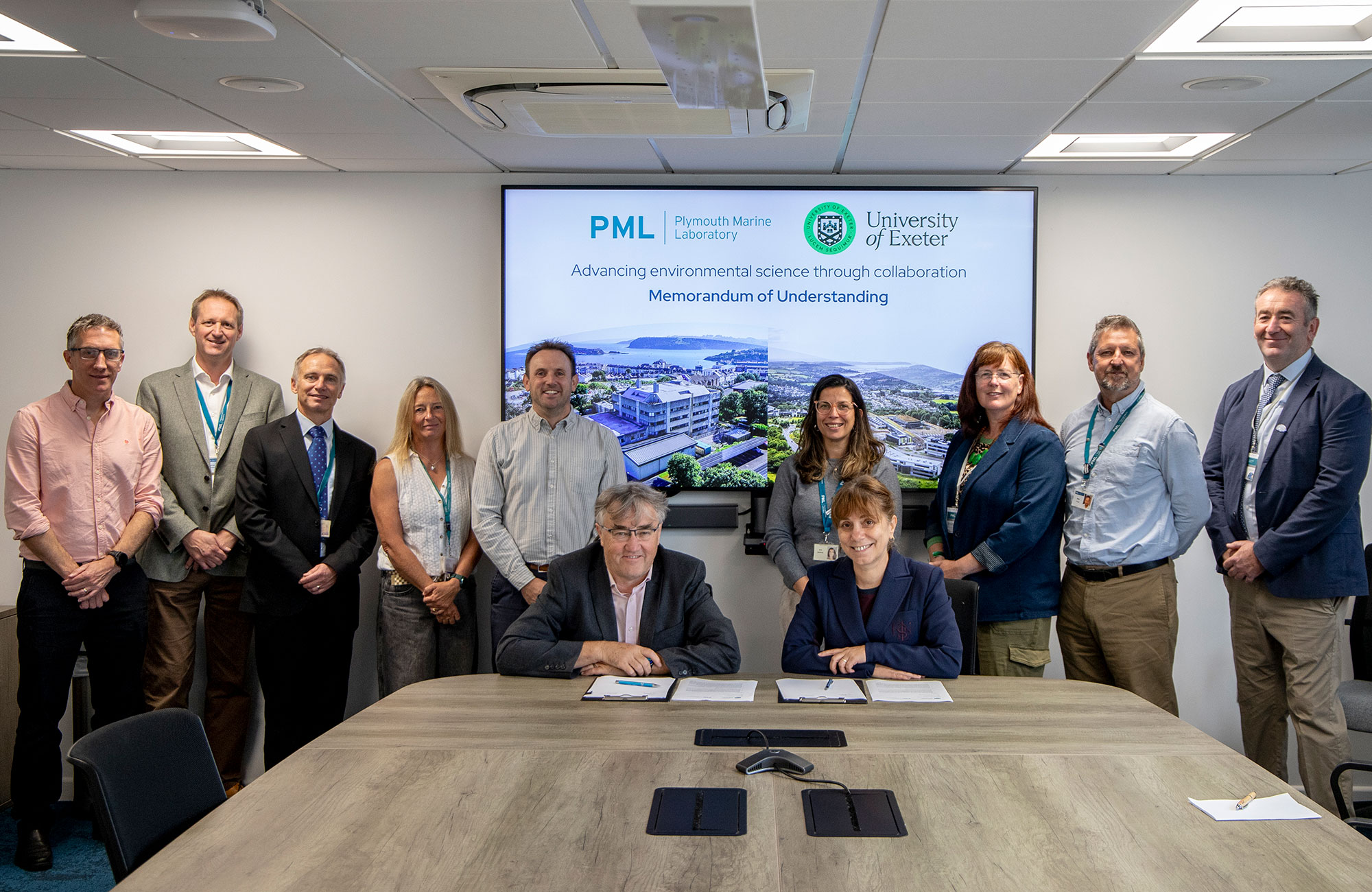
Marine collaboration strengthened in boost to South West region
Two of the South West’s leading organisations for marine research and education have signed a new Memorandum of Understanding (MoU), reflecting their shared commitment to addressing the key issues facing the sustainable future of oceans.
-
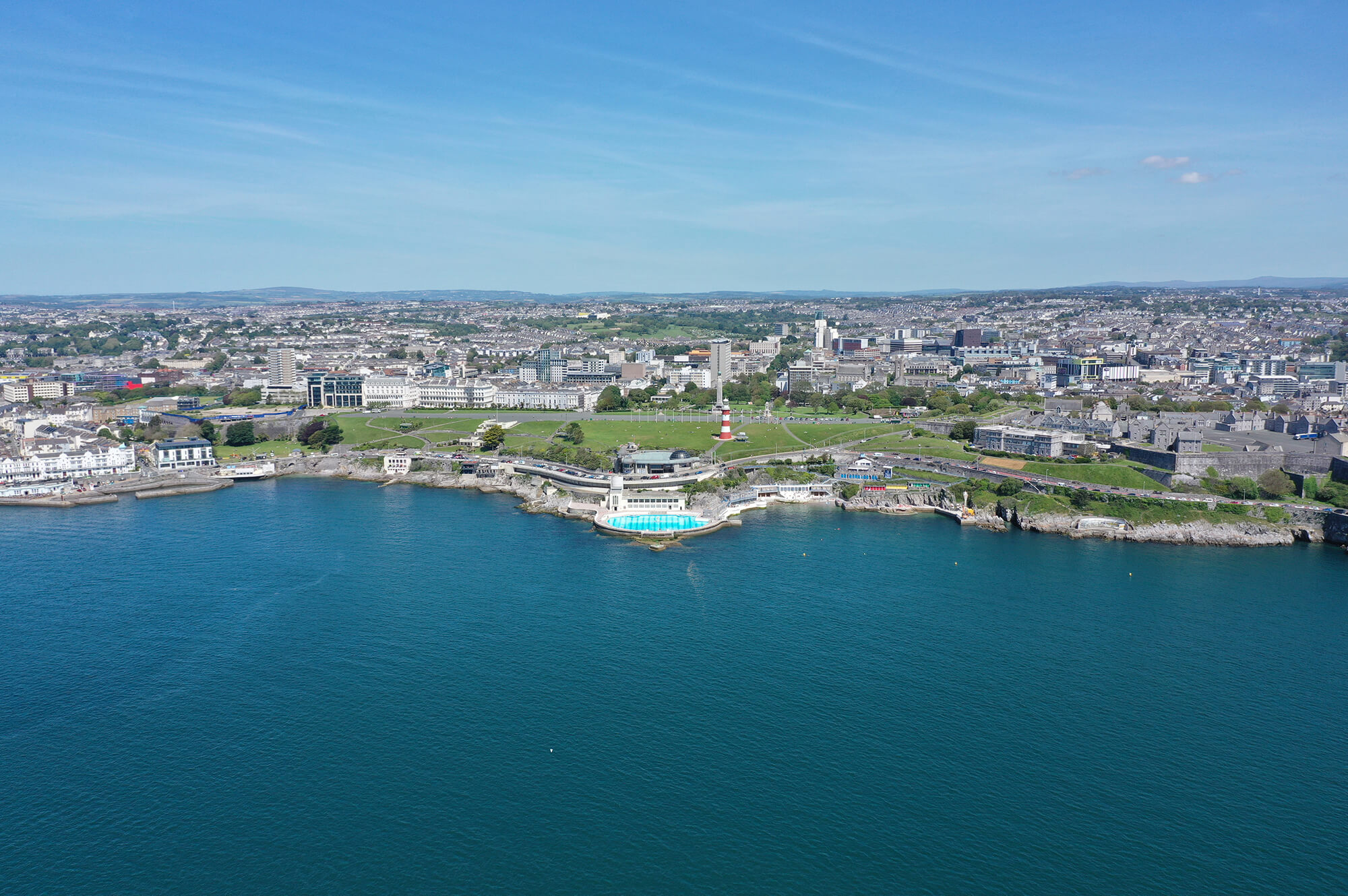 Plymouth to host 8th ‘Advances in Marine Ecosystem Modelling Research (AMEMR)’ conference in 2027
We are delighted to announce that the 8th Advances in Marine Ecosystem Modelling Research (AMEMR) conference, organised by Plymouth Marine Laboratory (PML), will be held at the University of Plymouth on the 5th-8th July 2027.
-
 Mining pollution puts nearly 300,000km of world’s coastlines at risk, study warns
New research has found that tens of thousands of metal mines and mine waste sites pose a pollution risk to almost 300,000km of the world’s coastline, a threat set to grow as climate change accelerates....
-
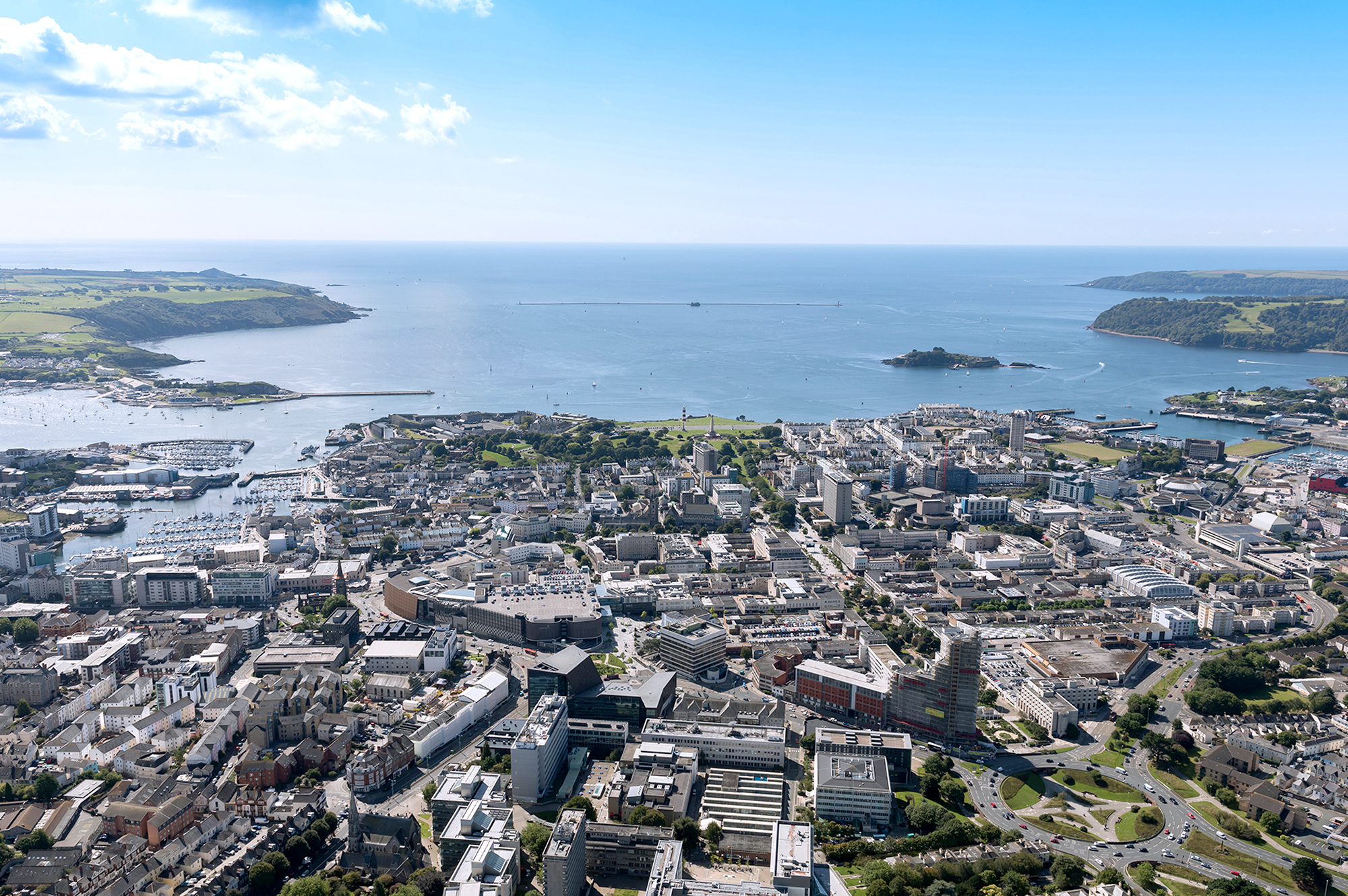 Sewage-linked bacteria traced from source to Devon beaches and shellfish farms expose gaps in pollution monitoring
Scientists from Plymouth Marine Laboratory tracked Escherichia coli (E. coli) from source to sea in Plymouth Sound and Lyme Bay (Devon, UK) and found bacteria spiking on both wet and dry days, with coastal currents and not rain determining which beaches and shellfish bed...
-
 Sun, sea and sunscreen: what happens when UV filters enter the ocean?
PhD researcher Anneliese Hodge speaks to BBC World Service about what we know – and don’t yet know – about the environmental impacts of UV filters in sunscreen.