Story | 30 April 2026
PML scientists deploy innovative plastics experiment in the Arctic
Scientists from Plymouth Marine Laboratory (PML) are examining how plastics and plant-based plastic alternatives break down in one of the planet’s most extreme environments.
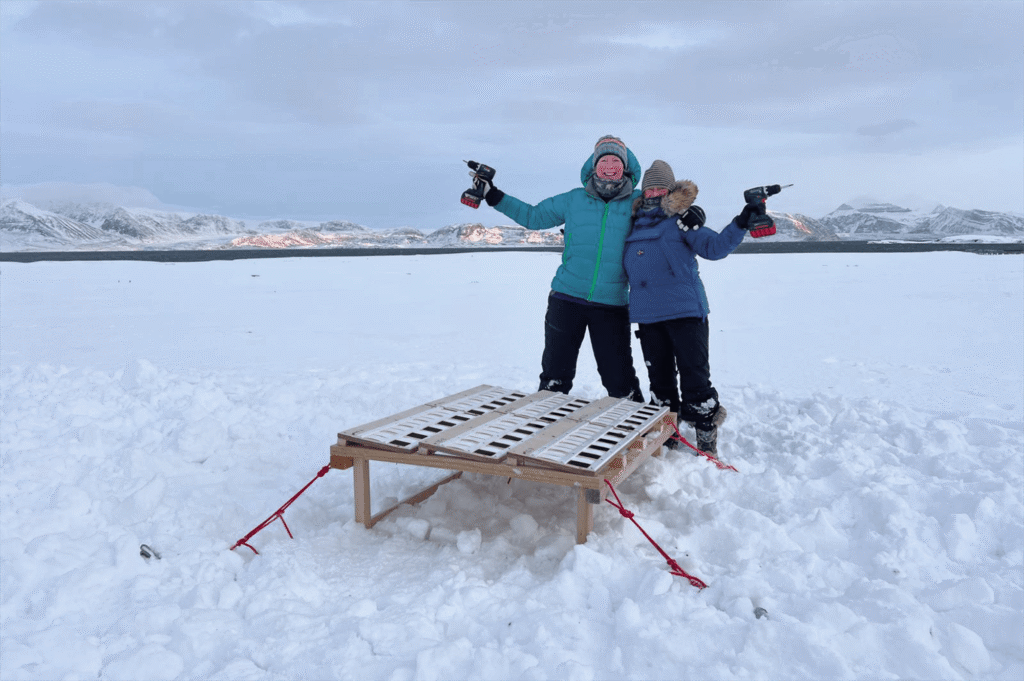
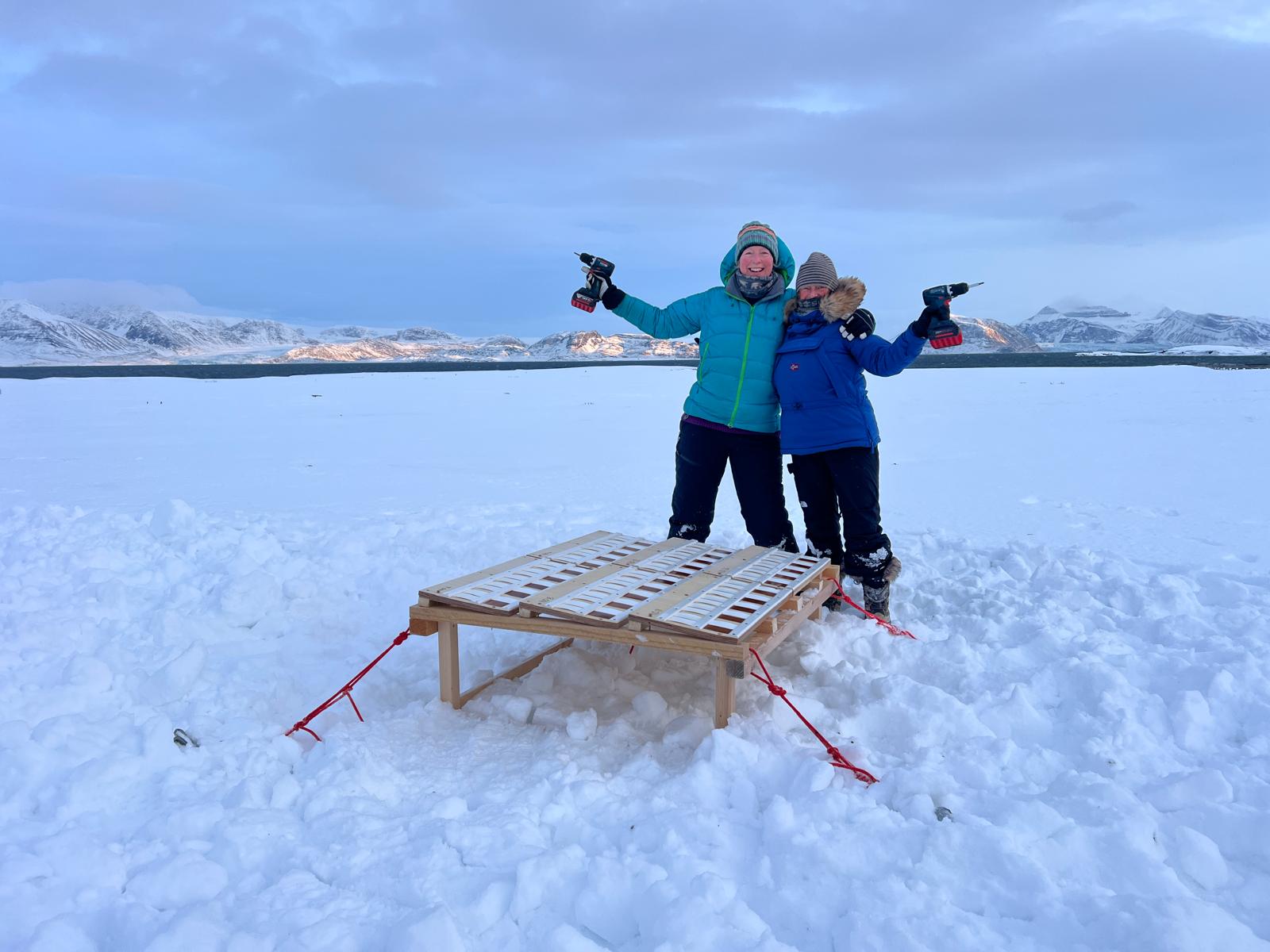
Professor Pennie Lindeque and Dr Rachel Coppock setting up the experiment in Svalbard
PML’s plastics experts Professor Pennie Lindeque and Dr Rachel Coppock have recently returned from Svalbard, where they have successfully deployed an experiment to investigate how plastics and plant-based plastic alternatives break down in tough, real-world conditions.
Even in remote environments like the, microplastics have been detected, underlining the truly global scale of plastic pollution and the urgent need to understand how these materials behave in these extreme settings.
This fieldwork marks a milestone in an ambitious new programme that aims to eliminate plastic from single-use coffee cups. Funded by Horizon Europe and led by Notpla – pioneers of seaweed-based alternatives to plastic – the project ‘NO-PLASTI-CUPS’ aims to create a market-ready coffee cup with a fully natural, home-compostable coating, designed to perform without relying on plastic.
Dr Matthew Cole, Senior Marine Ecologist and Ecotoxicologist, and project lead from PML, explains the problem at hand, and how this new project aims to offer solutions:
“It’s hard to imagine, but it is estimated that up to 250-300 billion single-use ”paper cups” are discarded worldwide each year. Despite their name, paper cups are actually a paper-plastic composite with a water-resistant plastic lining (from fossil or bio-based source materials).”
“As a mixed-material, these cups are difficult to recycle with fewer than 3% of paper cups recycled in the UK. The majority of cups end up in landfill, are incinerated, or find their way into the environment – further fuelling the huge global problem of plastic pollution.”
“In this EU Horizon-funded project, our team will be bringing expertise in environmental pollution to test the fate and toxicity of traditional disposable cups, and also these new cups from Notpla made with natural coatings.”
“Why the Arctic? The project required testing in extreme environments, and there are few more extreme than this far up north in Svalbard. But also, we know that litter can be transported from the North Sea up into the Arctic Ocean – and the Atlantic is a predicted ‘highway’ for plastic pollution, with some evidence to suggest that the Arctic may be the ‘dead-end’. It’s important that we know what happens if – or more likely, when – this litter finds its way into this environment.”
The experiment
The Arctic marks the first of five global deployment sites where PML researchers are comparing how different coffee cup linings degrade over time. Comparing current market solutions to a natural alternative developed by Notpla.
Professor Lindeque describes the issue with disposable plastic products:
“One of the fundamental challenges with plastic pollution is that most products (like disposable coffee cups) were never designed with their end-of-life in mind – there is no real ‘away’ for plastic, and once released it can persist in the environment for decades. This project is genuinely exciting because it allows us to work with innovators and material scientists at the design stage, our results will provide evidence-based feedback to guide the development of new materials”
Conventional plastics aside, materials marketed as “biodegradable” or “compostable” are often tested under ideal conditions in laboratory settings – but their degradation behaviour in natural systems, particularly extreme ones, remains poorly understood.
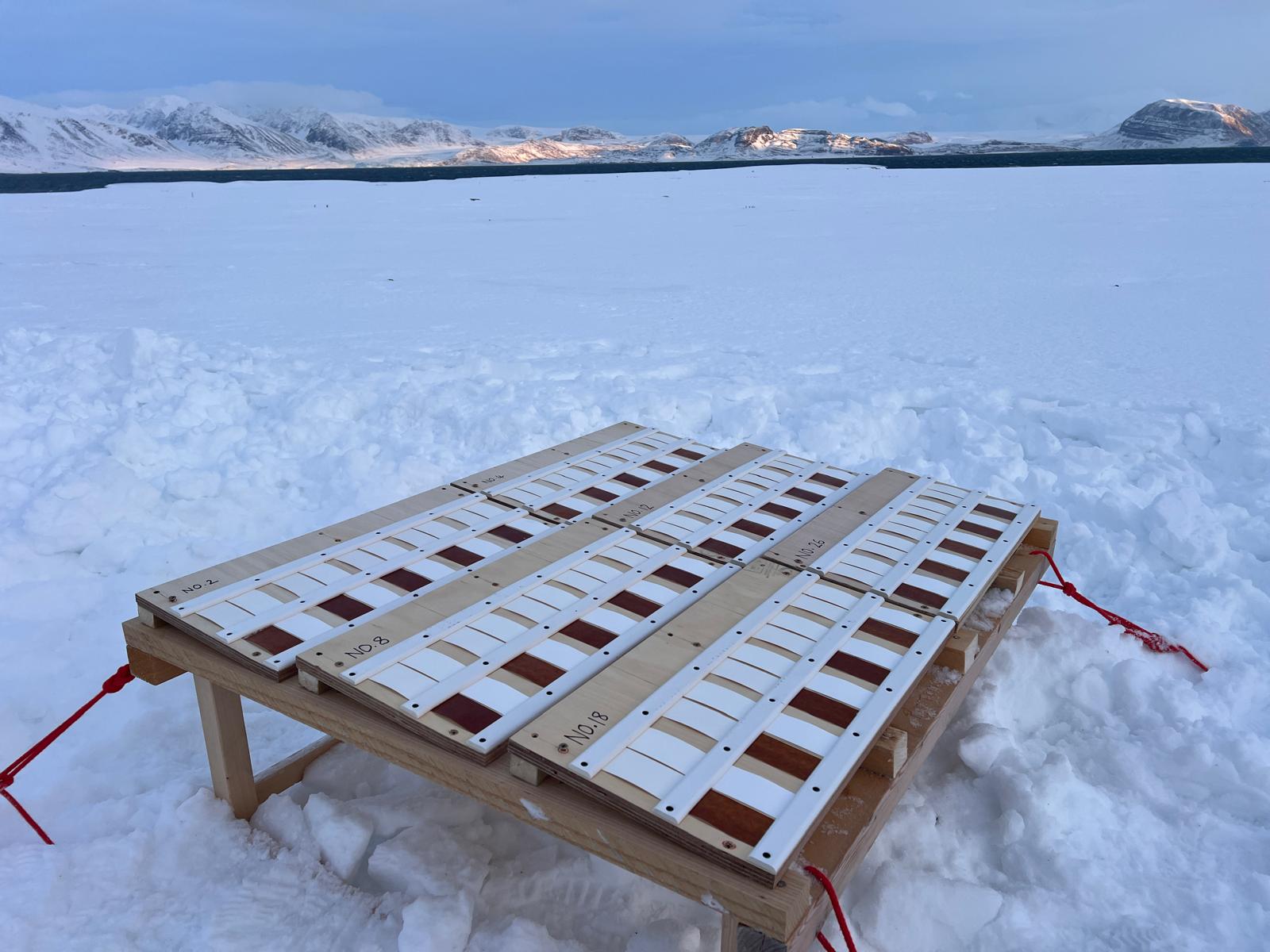
Before heading north, the plastics team fixed the range of cup materials to boards set to be deployed in testing sites across the world. A total of 30 boards were created, with six boards deployed per location.
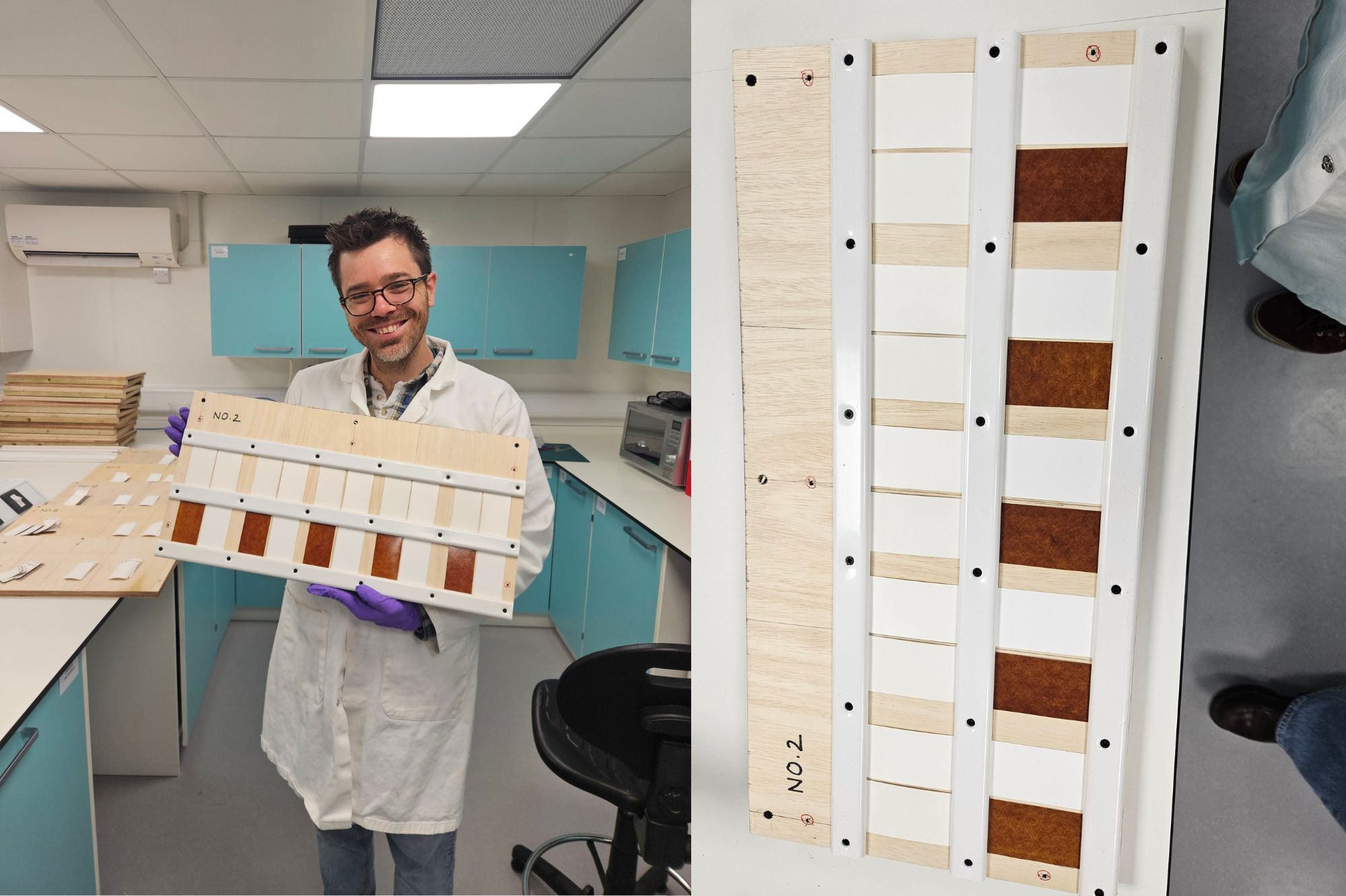
The team also took baseline measurements of the condition of the materials – to be able to compare the condition after exposure to the different environments.
The journey to Svalbard
Prof Lindeque and Dr Coppock set off with the boards in February, which is Svalbard’s dark season, but just missing the ‘Polar Night’ – a period of 24/7 darkness, running from around November 14th to January 29th – when the sun stays more than 6 degrees below the horizon.
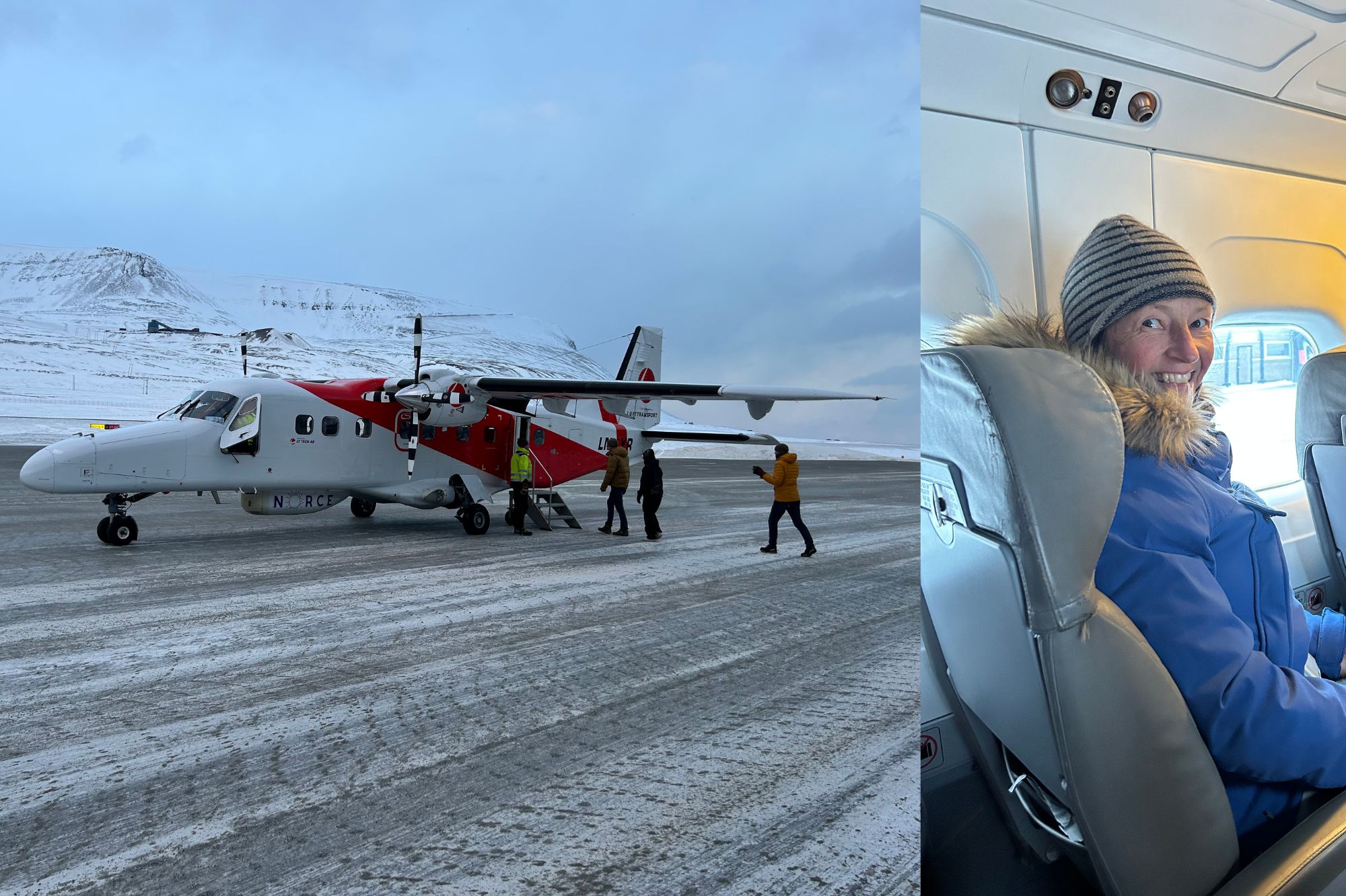
PML’s Prof Pennie Lindeque on the small plane to Ny-Ålesund, Svalbard. Prof Lindeque is a multi-award-winning scientist on the causes, effects, and solutions of microplastics and anthropogenic particles. Her work has directly influenced policy in the UK and around the world, including the UK ban on microbeads in cosmetics.
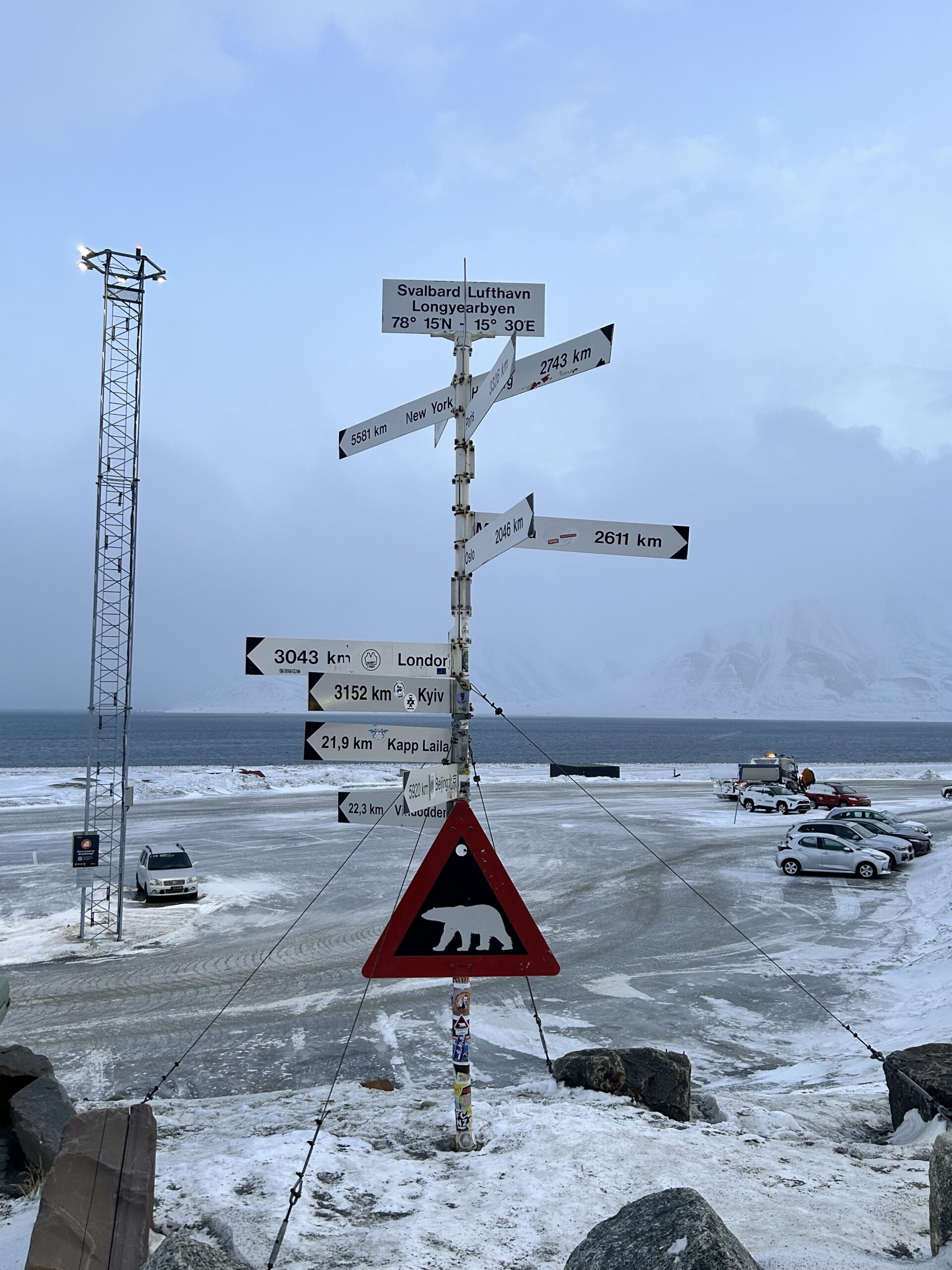
Once in Svalbard, the work quickly shifted from the controlled experiment preparation in the laboratory to hands-on fieldwork in the freezing cold.
Dr Coppock said, “It was cold, about –5 degrees during our time out there, but luckily we didn’t arrive the week before when it was nearer to –40!”
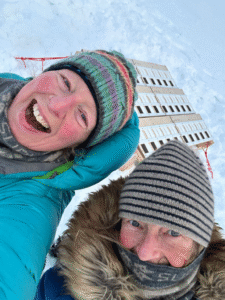
Dr Rachel Coppock – Marine Ecologist at PML (left), and Professor Penelope (Pennie) Lindeque – Head of Group – Marine Ecology and Society at PML (right). Like Prof Lindeque, Dr Rachel Coppock is an expert on the impact and fate of plastics in the marine environment. Her recent research has focused on the impact of ‘biodegradable’ plastics on marine organisms and ecosystems – and whether biodegradable materials truly do break down in the natural environment.
“To gather everything we needed, we began with a glamorous task: sourcing materials via waste inspections – a polite way of saying we ended up rummaging through skips!”, said Dr Coppock.
“It was great to be able to give waste wood a second life, rather than it ending up in landfill or being incinerated,” Pennie added.
Next, the pair needed to construct a bespoke deployment frame to hold the six sample boards – each with the full range of cup materials.
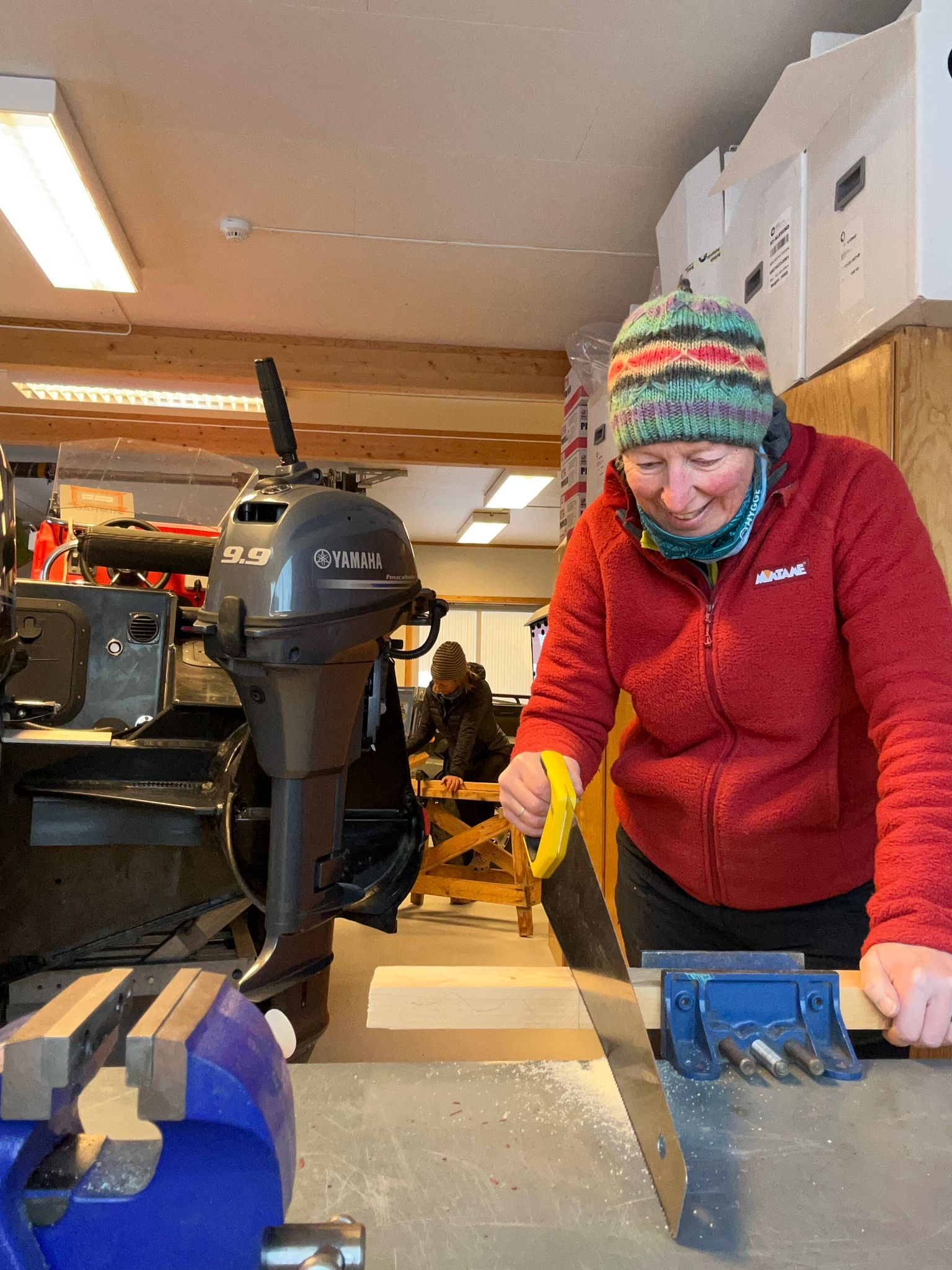
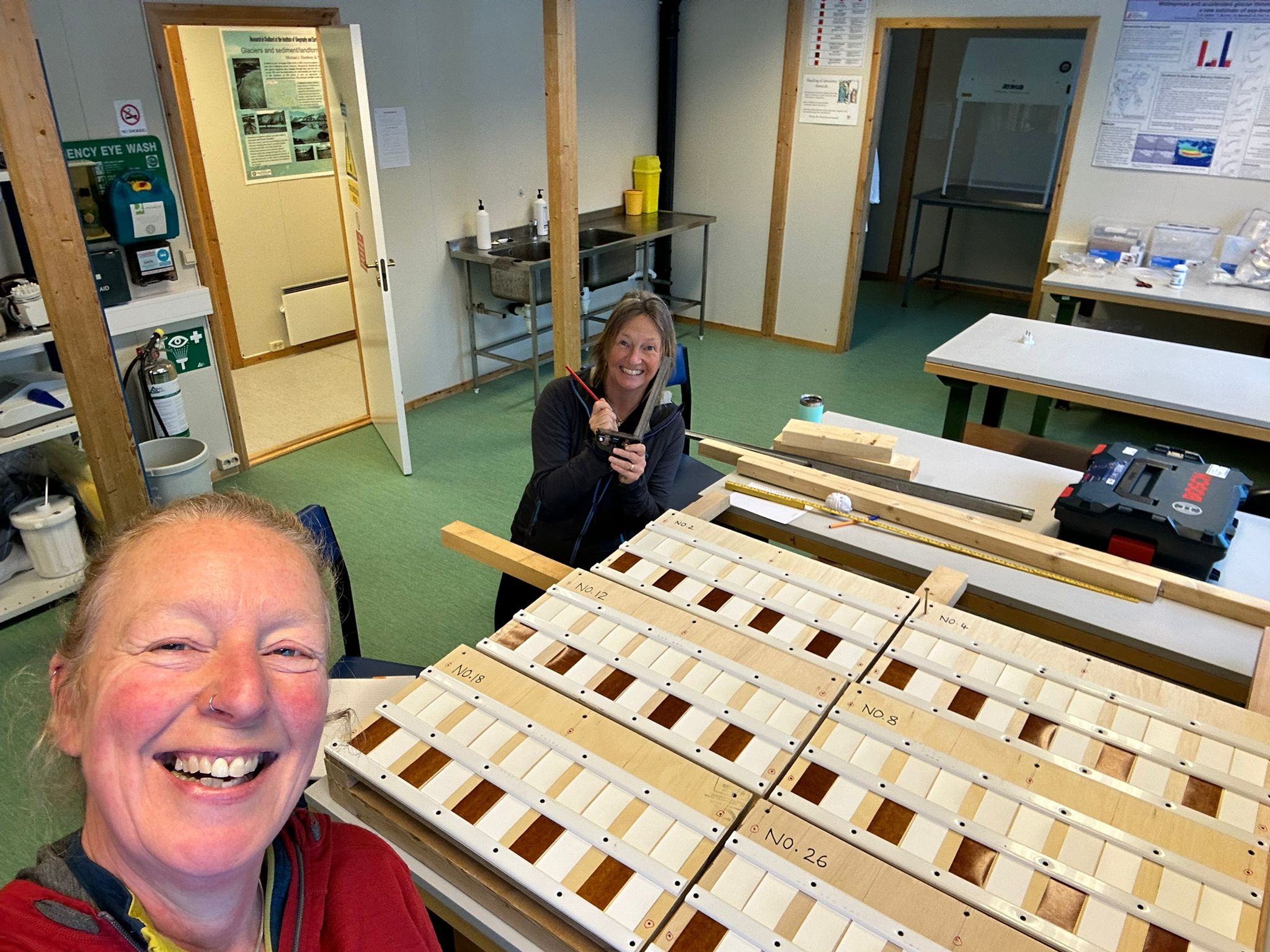
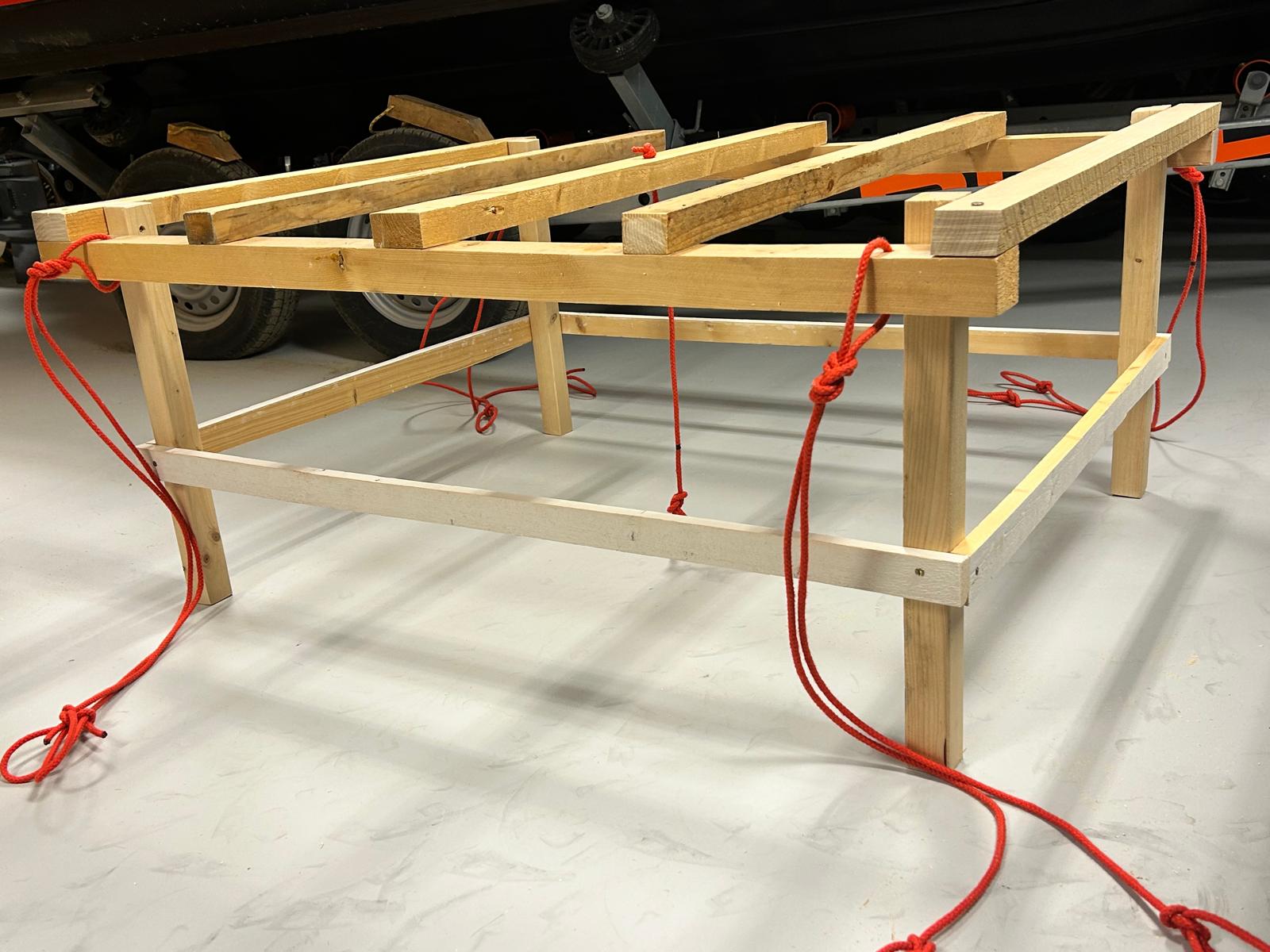
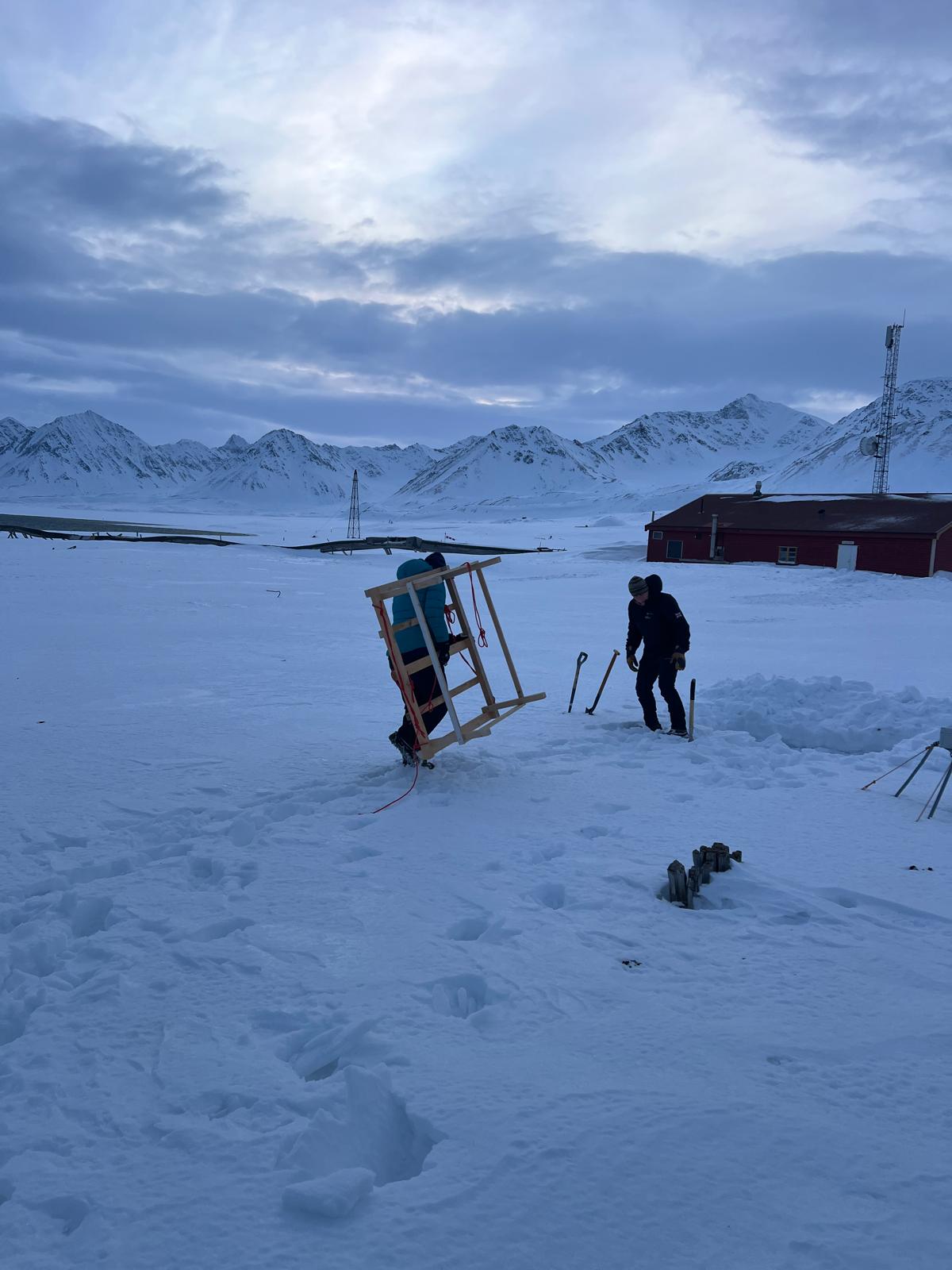
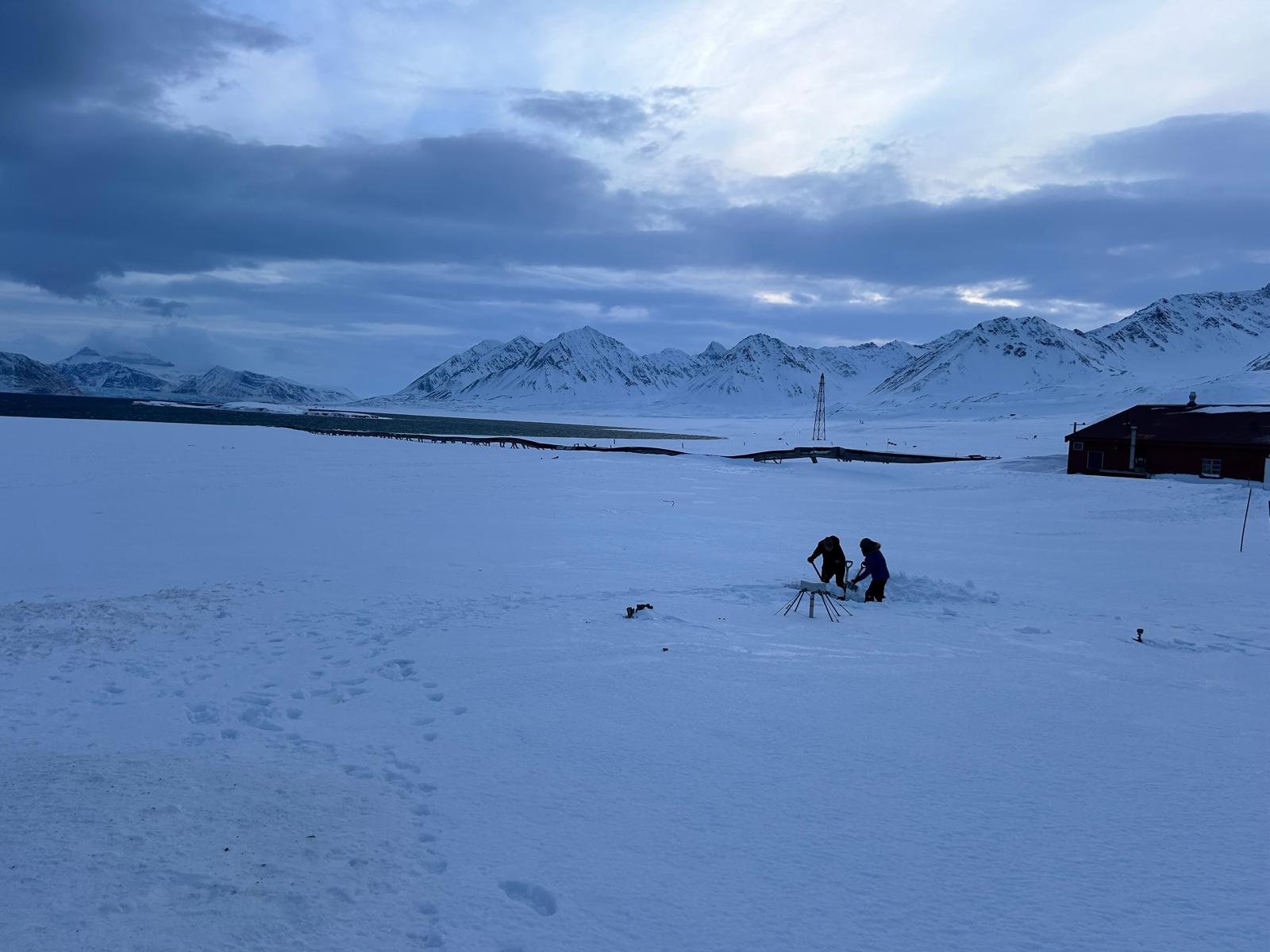
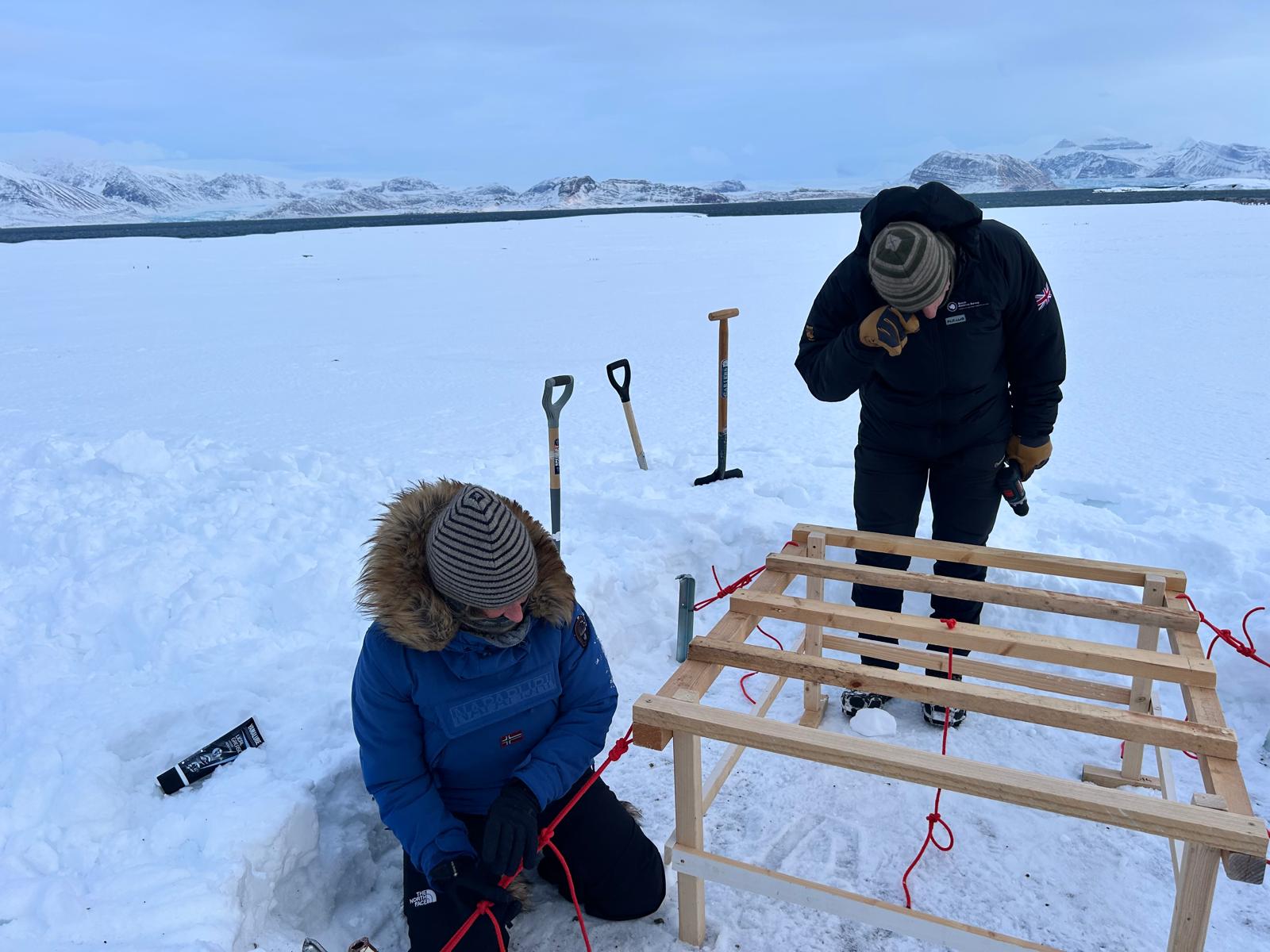
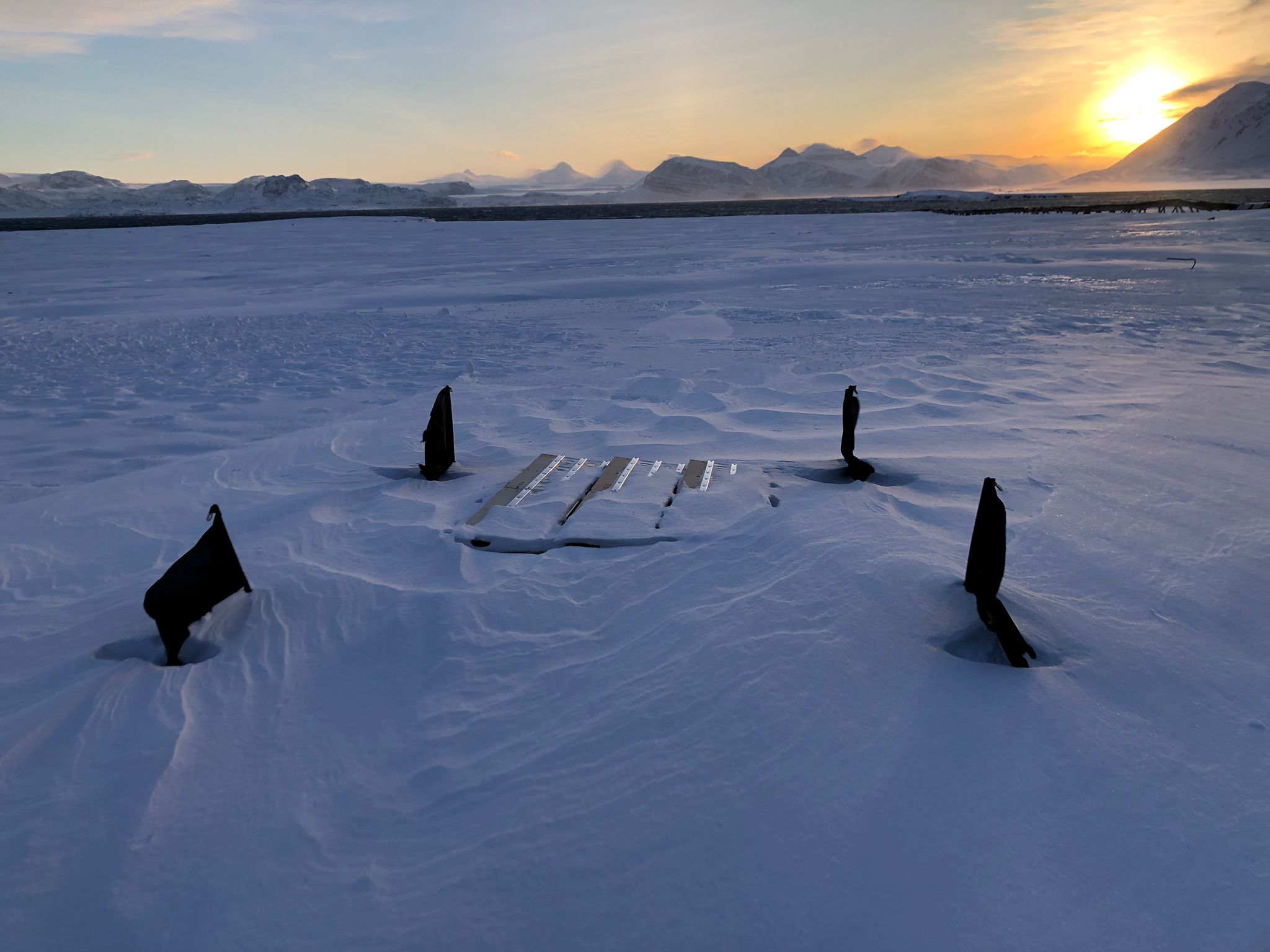
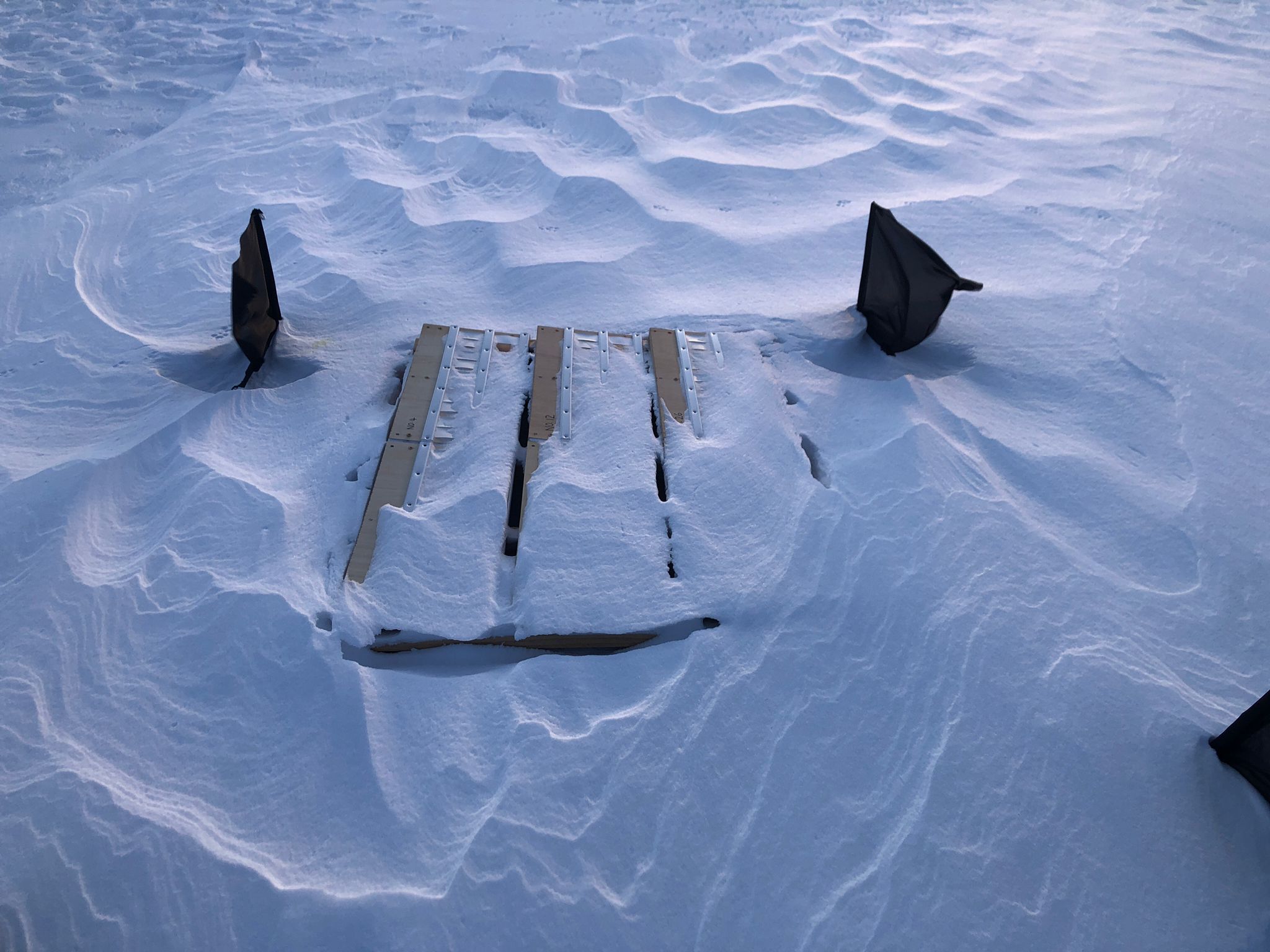
Once constructed, they needed to get the frame to the testing area, and secure it in a snow-dug site, before fixing the boards to the frame.
What happens next?
The frame holds six identical boards with the coffee cup samples on, and each board will be collected at specific time points over a six-month period.
The research is being supported by the UK Arctic Station and Norwegian colleagues at Norsk Polar Institute who will be collecting the samples at specific time points and returning them to Plymouth Marine Laboratory to analyse.
The experiment will reveal how these materials respond to cold, low-light, and highly variable environmental conditions – factors that are rarely replicated in standard testing.
By placing these materials in environments like the Arctic, the project aims to answer a critical question: do these alternatives truly break down in the real world, or do they persist like conventional plastics?
Professor Pennie Lindeque said:
“Testing these materials in the Arctic allows us to move beyond the lab and understand how they behave under real environmental conditions. There is a real need to challenge assumptions around what ‘degradable’ means, particularly in cold, low-light and remote regions – where degradation processes can be much slower.”
“Plastic pollution is a truly global issue, and even the most remote environments are not immune. This work is about ensuring that the solutions we develop are genuinely effective, wherever they end up in the environment.”
Dr Rachel Coppock said:
“Deploying this experiment in the Arctic was an incredible experience – both scientifically and personally. From preparing the samples in the lab, travelling with them to Svalbard, to installing them in frozen ground, it really highlights the lengths we need to go to understand how materials behave in the real world.”
“What’s exciting about this project is that we’re testing next-generation materials alongside conventional plastics, giving us a clear picture of whether these alternatives are truly better for the environment. That evidence is crucial for driving meaningful change.”
The findings will help inform future material design, policy decisions, and industry practices – ensuring that solutions to plastic pollution are both effective and evidence-based.
Data from this deployment will contribute to a clearer understanding of how materials perform across diverse environments – from polar regions to more temperate and urban settings.
In a month of global focus on our planet’s most fragile environments – marked by UNESCO celebrating the World Day for Glaciers and World Water Day at its Paris headquarters, alongside the launch of the Decade of Action for Cryospheric Sciences – this research is especially timely.
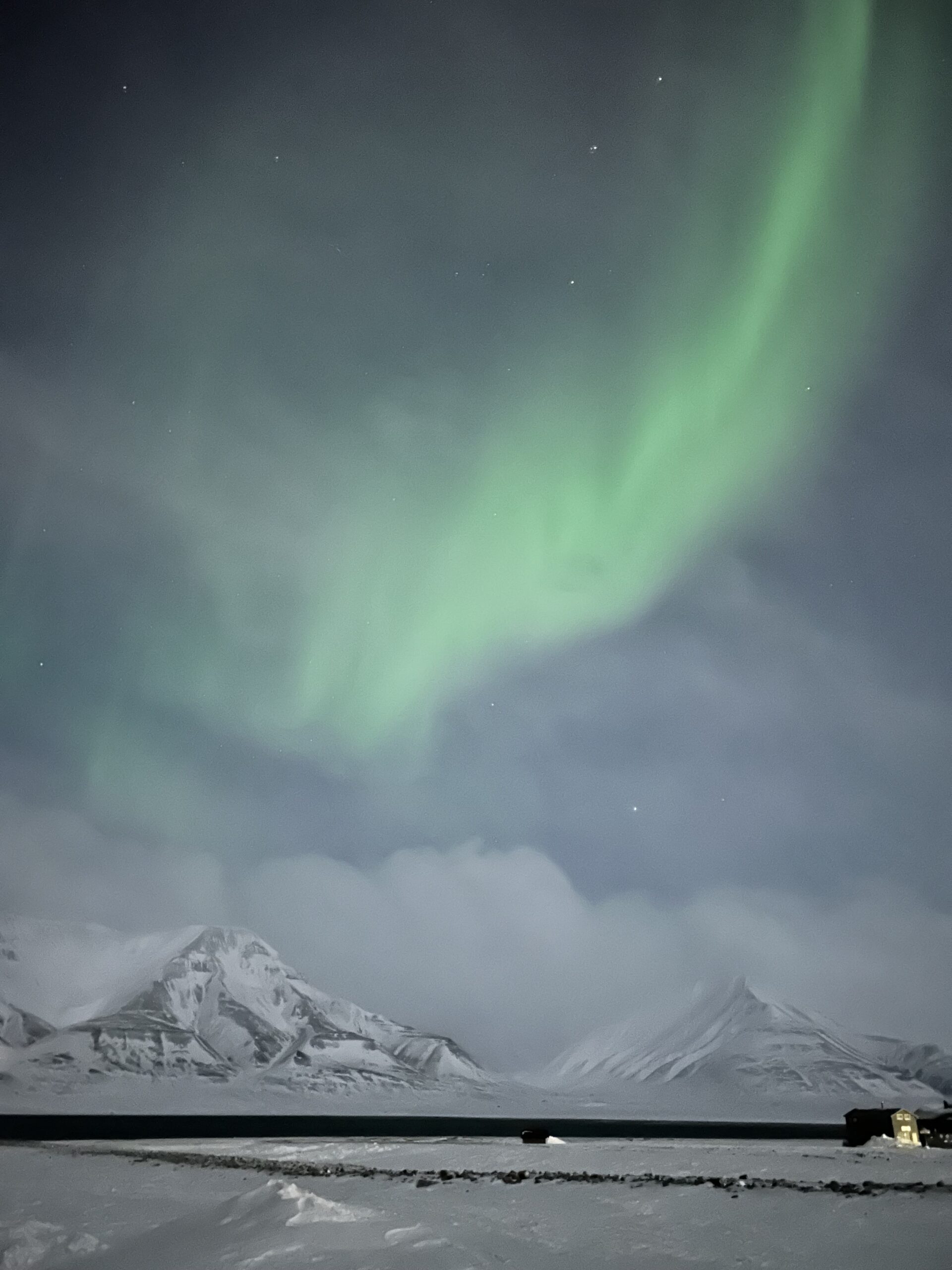
The Arctic site is the first of several global deployments planned as part of the project. Over the coming months, the plastics team will monitor how the materials change, providing vital evidence to guide the future of sustainable packaging.
Please stay tuned via our website and social media channels for updates on the next deployment locations!
You can also visit the Notpla website for more general project updates >