Marine Pollution
Monitoring human impacts on the ocean and delivering science-based solutions
About this challenge
Human activities impose a wide range of pressures on marine ecosystems, affecting their capacity to function effectively. PML offers capacity and expertise with which to observe and solve issues recognised in cultural and legislative concerns and that are key to global sustainability goals.
of global population live by the coast
pieces of plastic debris in the ocean
km3/year of river water enters the ocean each year
The Challenge
Why marine pollution matters for the Ocean
Global livelihoods depend on the ecosystem services provided by inland and coastal water bodies. Human activities continuously degrade water resources, harm the organisms that rely on them, and undermine the long-term sustainability of those services.

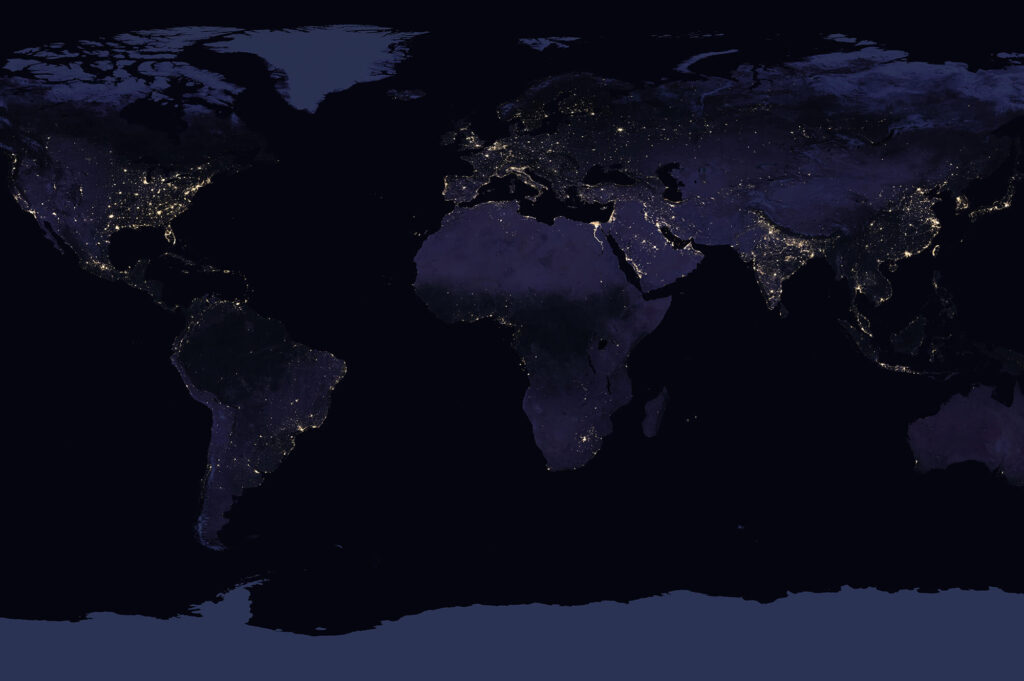
Human activities are introducing contaminants into our inland and coastal waters at a rate that is challenging our ability to understand, manage, or reverse the damage. Excess nutrients are driving eutrophication and deoxygenation in freshwaters, estuaries and coastal zones. Plastics and microfibers are accumulating throughout food webs. Harmful algal blooms are threatening public health, fisheries and drinking water supplies. Artificial light, heavy metals, and emerging chemical pollutants are silently disrupting habitats and the organisms that depend on them. The consequences fall on ecosystems, economies, and communities alike.
PML’s ambition is to deliver science-based management of catchments and their water bodies to prevent, manage and mitigate pollution. We are working towards an integrated approach that combines policy, nature-based solutions, and a water-smart society, alongside sustainable exploitation and enjoyment of natural capital assets. We want to see more effective, evidence-driven policies, improved prediction and mitigation of pollution risks, and sustained behavioural change across industries and communities, so that aquatic ecosystems can continue to support life from source to sea.
Our Solutions
How PML is addressing marine pollution
We deliver inter-disciplinary, actionable intelligence across spatial and temporal scales. Our solutions combine advanced observation, scalable modelling, and socio-economic analysis to help policymakers, industries and communities manage pollution from source to sea.

Solutions
Managing water quality from catchment to coast
PML delivers integrated, science-driven solutions to protect water quality, natural capital and ecosystem services across the water continuum, from upstream catchments and lakes, through rivers, lagoons and estuaries, to coastal seas. We combine socio-economic insight with advanced observation and ecosystem modelling to provide tailored, evidence-based support for sustainable water management. Download our leaflet to find out more about our overall…

Observation and model-based mitigation
On the interface of observation, modelling, and remediation our solutions build on observation time-series, high-frequency measurements, and advanced laboratory analysis, quantifying nutrient pollution leading to eutrophication and deoxygenation.
- We have a long track-record studying the ecotoxicological impacts and proliferation of plastics and bio-based alternatives.
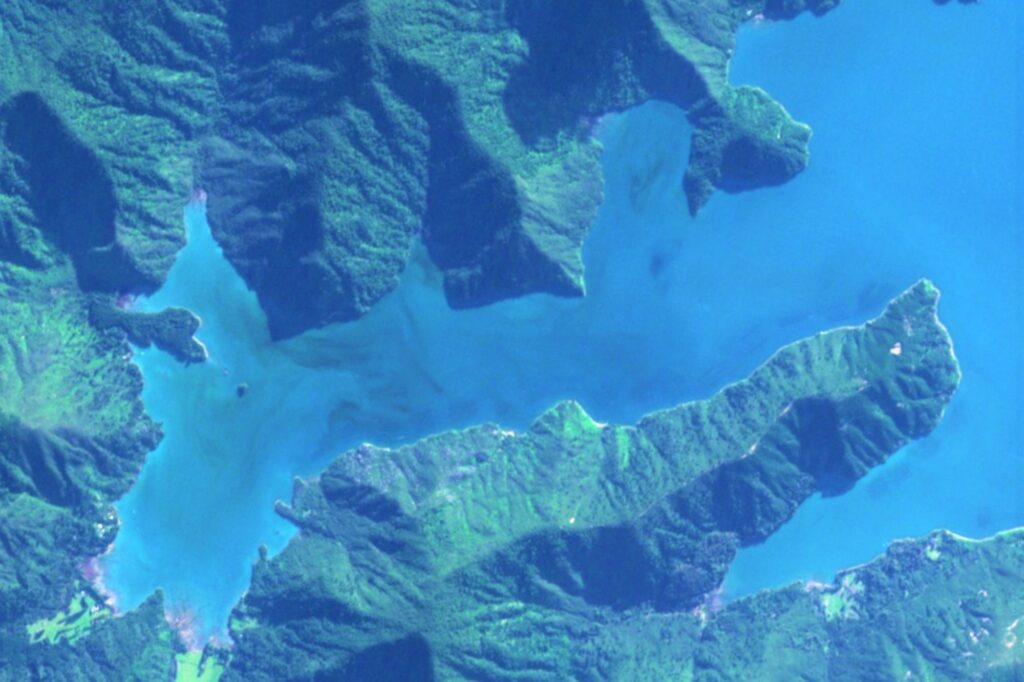
- We use satellites, drones, and ships to characterize ecosystems, observing trends and events (phytoplankton blooms, plumes) in ambient water quality of lakes, rivers, and estuaries and out to the open ocean.
- We model ecosystem dynamics and the impacts of pollution on human and animal health, down to production of shellfish and their potential for bioremediation in the context of natural capital assessment. Our models can provide short-term forecasting and extrapolate to future climate scenarios.

Impact assessment and adoption processes
We analyse:
- socio-economic impacts of ecosystem services, including their cultural value and contribution to health and wellbeing, to improve decision-making.
- the economic impact of management scenarios, from improving farming practices or ecosystem restoration.
- pollution mitigation options through policy change or nature-based solutions, on the value of those ecosystem services, through valuation, the landscape of beneficiaries and benefits, and the finance and investment mechanisms that would make them sustainable.
We use inclusive approaches and robust methods to understand economic value and social preferences when developing interventions, environmental standards, or certifications, and we look at the behavioural context to identify motivations and trade-offs of stakeholders towards improved practices, compensation schemes, incentives or investments.

Solutions
Monitoring and restoring disturbed biological systems
The marine ecosystem, it’s function and diversity is increasingly impacted by anthropogenic pressures which might imbalance biological activity beyond a natural or optimal condition.
For more information please contact Dr Elizabeth Atwood.

Solutions
Marine infrastructure and shipping
The proliferation of offshore structures alongside increasing commercial shipping offers both physical and chemical pressures to the marine environment.
For more information please contact Dr Gennadi Lessin.
Science in Action
Featured news & projects
Our scientists are advancing understanding of Marine Pollution using the latest tools and techniques.




Experts working in marine pollution















Get In Touch
Want to work on marine pollution with us?
Ocean Challenge lead details
Professor Andy Rees
Ocean Challenge Lead: Marine Pollution