Category
Source to sea
Science topics & groups

Science group
Source to sea
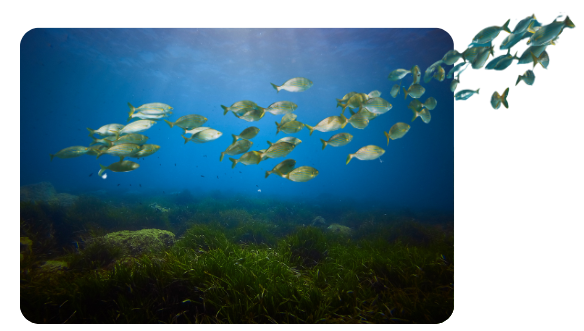
The ocean, the land and freshwater ecosystems are closely interlinked and interdependent. Through applying a source-to-sea approach in our research we recognise this and aim to address knowledge gaps in support of the management of these connected ecosystems and tackling pollution at the source, ups...
Read moreRelated Projects
-
 AgZero+ Towards sustainable, climate-neutral farmingPlymouth Marine Laboratory (PML) is a partner in a major five-year £13.8 million research programme, named “AgZero+’, to support the UK’s transition towards home-grown food production that is sustainable, carbon-neutral and has a positive effect on nature.
 -
 Land ocean carbon transfer (LOCATE)Our climate, and hence our lifestyle and economy, is profoundly influenced by the concentration of carbon dioxide in our atmosphere, which regulates the amount of heat which arrives on earth from the sun that returns to outer space.
Related News

21 August 2026
Sun, sea and sunscreen: what happens when UV filters enter the ocean?
PhD researcher Anneliese Hodge speaks to BBC World Service about what we know – and don’t yet know – about the environmental impacts of UV filters in sunscreen.
-
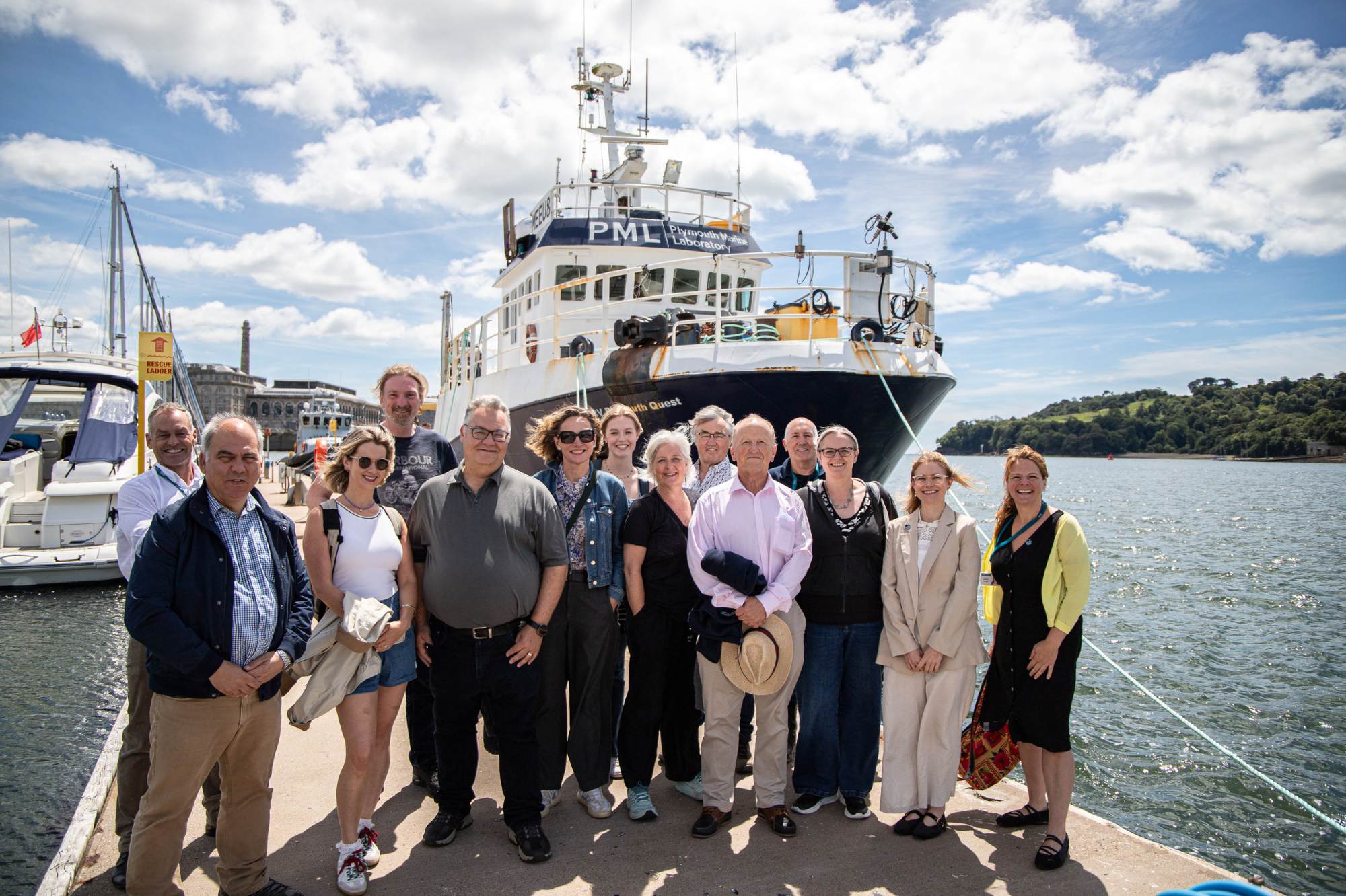 Parliamentarians take to our lab – and the seas – to discover how ocean research supports environmental decision-making
Yesterday, a group of cross-party UK parliamentarians joined us in the laboratory and set sail aboard
-
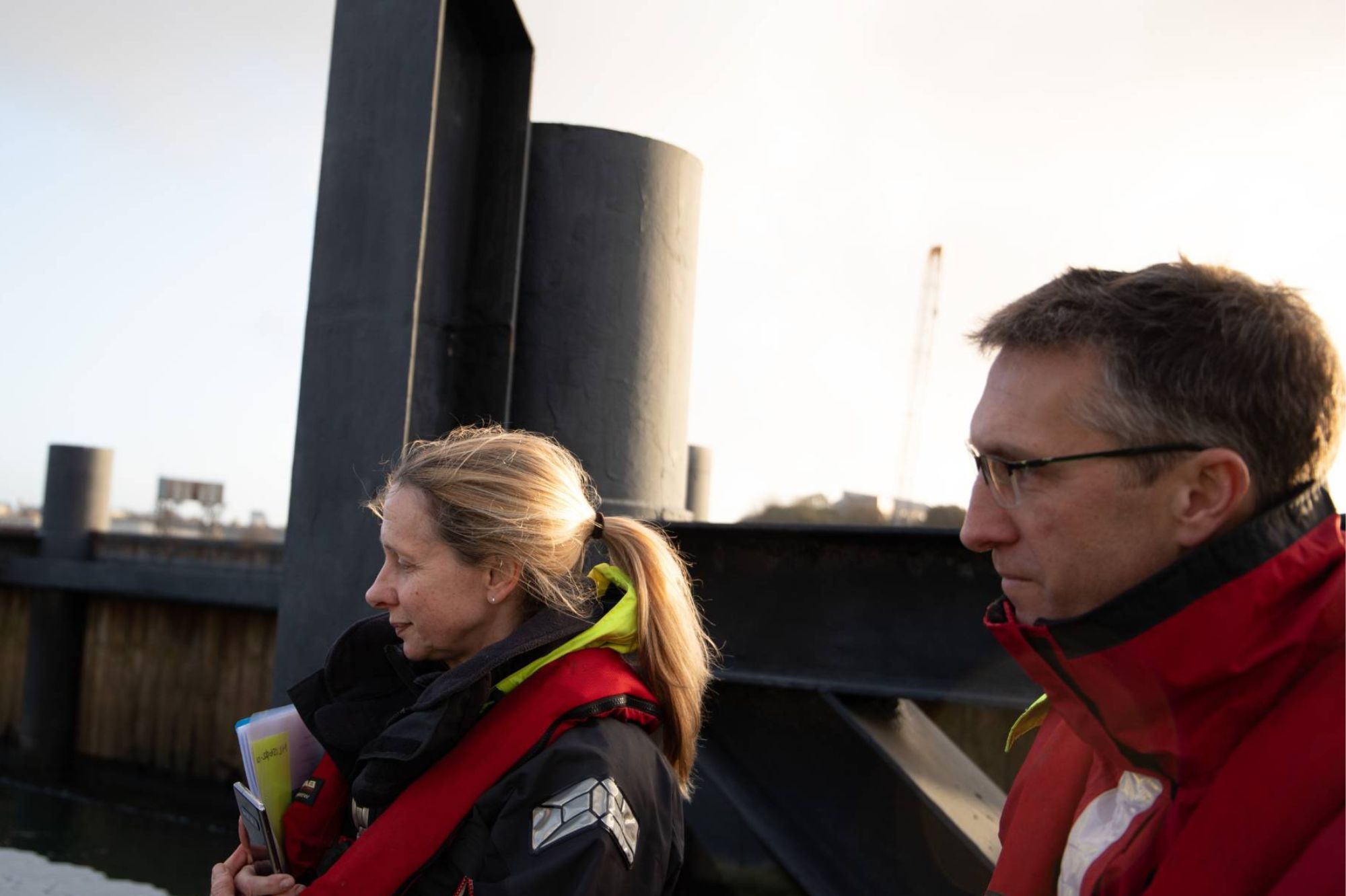 PML announces new Head of Group for Environmental Intelligence
It was announced this week that
-
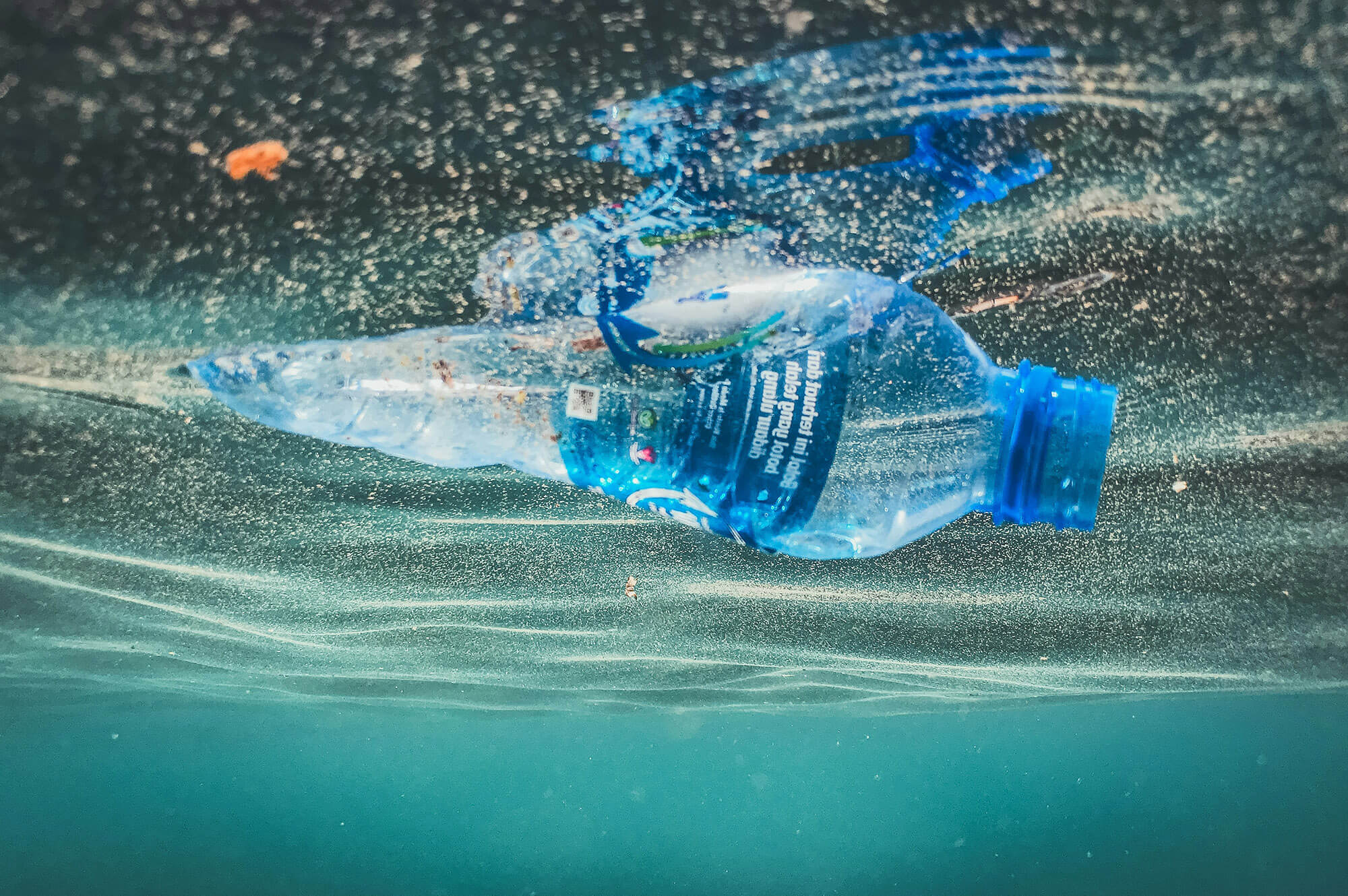 Food and drink litter dominates global plastic pollution
A new study reveals the most common types of marine litter worldwide
-
 PML scientists to showcase cutting-edge research at Ocean Sciences Meeting
From marine carbon dioxide removal to AI-powered biodiversity monitoring, PML scientists will present the latest research addressing some of the most urgent environmental challenges of our time – and explore how the ocean both responds to climate change – an...