Story | 30 July 2026
New report forecasts major impacts on the marine food web as sea temperatures rise and plankton shift
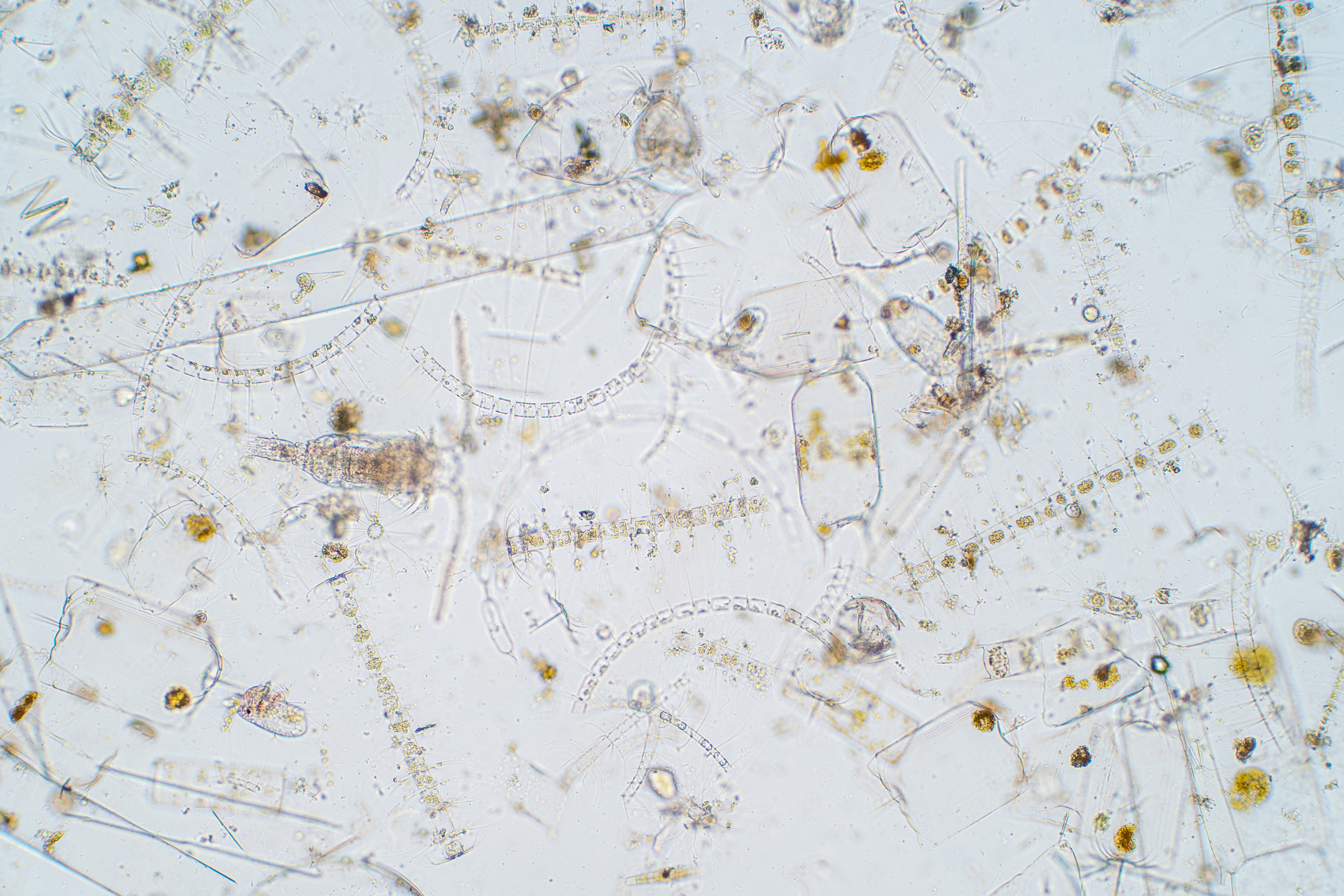
A new study from the UK’s Marine Climate Change Impacts Partnership (MCCIP) warns that continued warming of UK waters is likely causing major changes to the tiny drifting organisms that are the foundation of marine food webs – plankton.
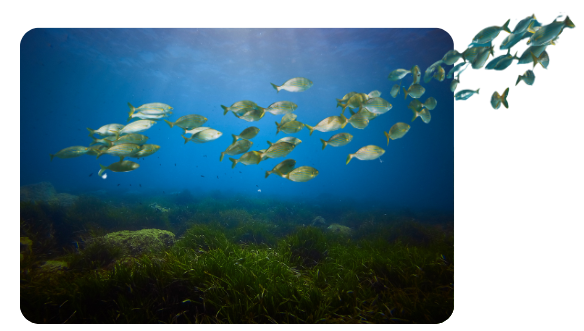
As plankton communities change, less energy may be passed up the food web to fish, raising concerns about the efficiency of the UK’s marine food web, the future productivity of UK fisheries and the long-term security of seafood supplies.
Pelagic (open ocean) habitats and the plankton they support form the foundation of marine ecosystems in UK waters, underpinning fisheries, food webs, biodiversity and climate regulation. Plankton are particularly sensitive to environmental change, making them useful early warning indicators of climate impacts.
Findings from the MCCIP study ‘Impacts of Climate Change on plankton and pelagic habitats in UK waters around the UK and Ireland’ show that as sea temperatures rise, the timing of the spring plankton bloom has changed in many parts of the North Sea, potentially creating a mismatch between plankton availability and fish spawning.
Additionally, while many plankton species are likely to shift further north in search of more suitable habitat conditions, fish and other marine wildlife are expected to follow suit.
Gelatinous organisms, such as jellyfish, are increasing in some regions. This is likely due to warming as well as changes in predator and prey availability, however, in most regions they remain poorly monitored.
Marine heatwaves and other extreme events may impose increasing stresses on plankton communities as well, although their effects are still in early stages of being explored.
These climate-driven pressures on plankton communities are amplified by eutrophication, changing nutrient ratios, coastal darkening (reduction in water clarity caused by land runoff and sediment resuspension), fishing impacts and offshore energy infrastructure.
This rolling review is led by Dr Matthew Holland from the University of Plymouth and co-authored by scientists, including Professor Angus Atkinson from PML and colleagues from the Marine Biological Association, Environment Agency, Centre for Environment, Fisheries and Aquaculture Science (Cefas), Marine Directorate of the Scottish Government and the Scottish Association for Marine Science.
The team worked from a range of data sources, including data generated by the PML-led long-term monitoring programme, the Western Channel Observatory, that bring together the latest evidence on how climate change is affecting UK seas, including impacts on habitats, species, fisheries and coastal communities.
Professor Angus Atkinson MBE, co-author on this report, lead scientists for the Western Channel Observatory and Senior Marine Ecologist at PML, said:
“The findings in this report demonstrate both the value of long-term monitoring, such as that performed by the PML-led Western Channel Observatory, and the urgency of maintaining marine monitoring programmes around the world. As climate pressures intensify, improving our understanding of plankton dynamics will be fundamental to safeguarding marine ecosystems, supporting sustainable fisheries and informing effective marine policy.”
For more information, please visit the Plankton section of the Marine Climate Change Impacts Partnership (MCCIP).
MCCIP is chaired by PML’s Head of Office for International Affairs, Professor Matt Frost.