Story | 10 November 2026
Global warming may continue after net zero, new study finds
As people gather for COP31, research involving PML suggests the temperature at which net zero is reached will determine how much extra warming follows.
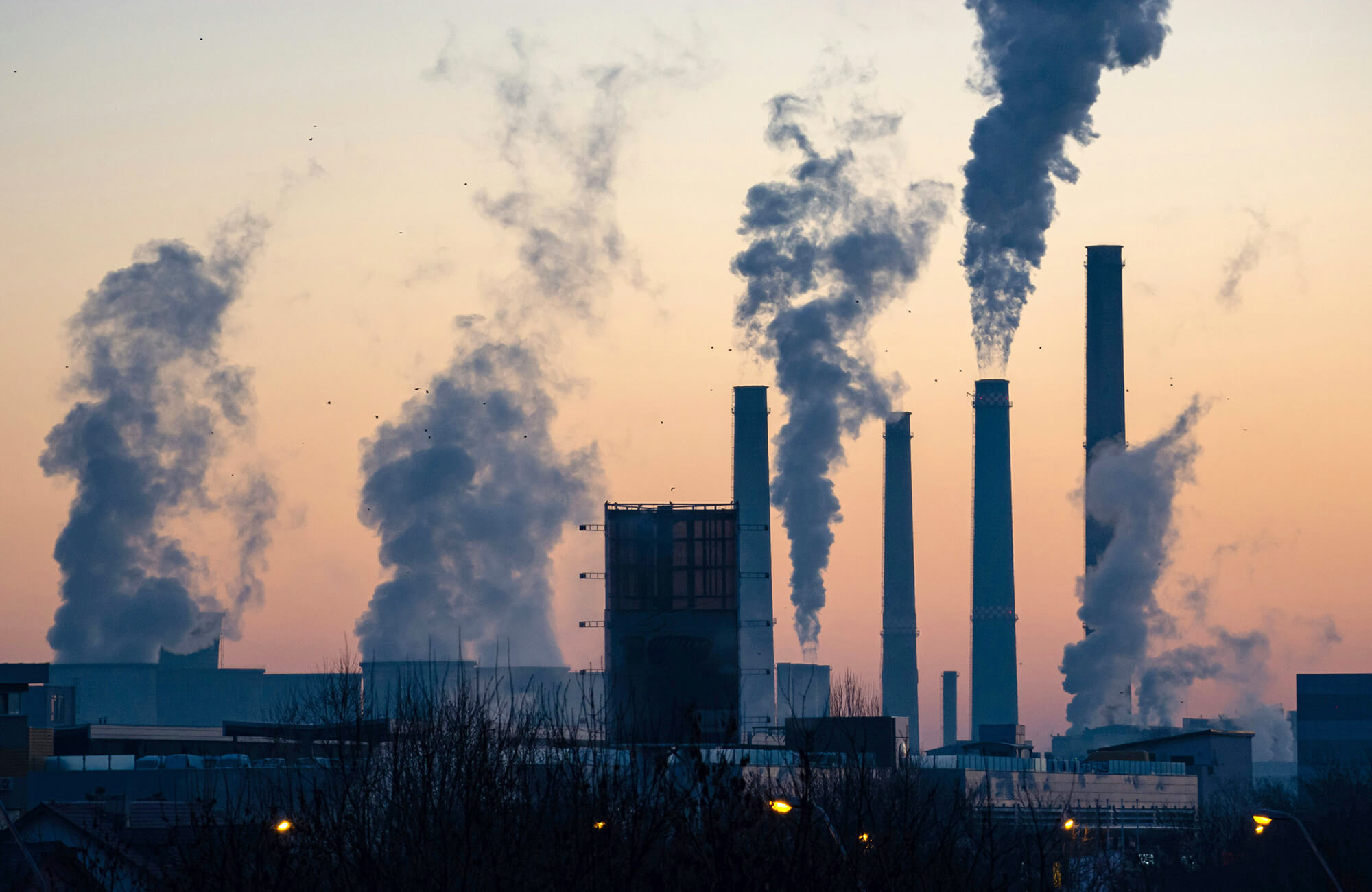
Ella Ivanescu | Unsplash
Many countries, including the UK, are committed to reaching net zero by 2050; balancing the greenhouse gases they emit with the amount removed from the atmosphere. It has often been assumed in policy assessments that once net zero is reached, global temperatures would stay broadly stable.
New research led by the Met Office Hadley Centre tested that assumption using the UK Earth System Model, simulating what happens when emissions stop at global warming levels between 1.5°C and 6°C. The team found that the temperature change after emissions cease, known as the Zero Emissions Commitment, depends on how much warming has already occurred across the planet.
At 2°C or below, there is little to no additional warming after emissions cease. At higher levels, however, warming continues and reaches around 0.2 to 0.6°C of additional warming over the next 150 years.
The study, published in Nature Climate Change, suggests two main reasons for the difference. At higher temperatures, the land’s ability to absorb carbon weakens and although the ocean continues to absorb carbon, each additional unit has less of a cooling effect.
Dr Lee de Mora, Marine Ecosystem Modeller at Plymouth Marine Laboratory (PML) and a co-author on the study, said:
“When we do get to net zero globally, unfortunately, that doesn’t mean that global warming is over. In this study, we looked at what happens to the global average temperature after net zero, and we found that it changes with time. There will likely be additional warming after net zero, and how much additional warming depends on the planet’s temperature when we reach net zero. If we manage to reach net zero at a low temperature, like 2 degrees or lower, then there would be very little to no extra warming. But if net zero happens after 4 degrees or more, there would be a lot more additional warming.”
The authors say further work is needed to test whether other models show the same pattern. They also note that the results have implications for future global carbon budgets, as the higher the peak warming, the harder it becomes to reverse.