Marine Carbon Dioxide Removal (mCDR)
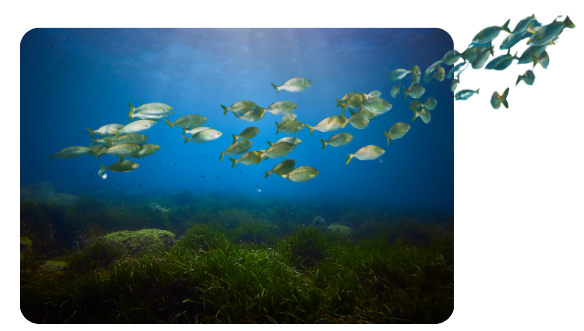
Marine Carbon Dioxide Removal (mCDR), also known as Ocean Carbon Dioxide Removal (oCDR), is designed to remove carbon dioxide (CO2) from the atmosphere using the marine environment and its chemical and biological processes.
Our focus
Exploring, testing and validating marine carbon dioxide removal approaches to provide independent evidence on their efficacy, their safety, if they are genuinely beneficial, and sustainable deployment options.
The Challenge
Meeting climate goals requires more than emissions reductions alone
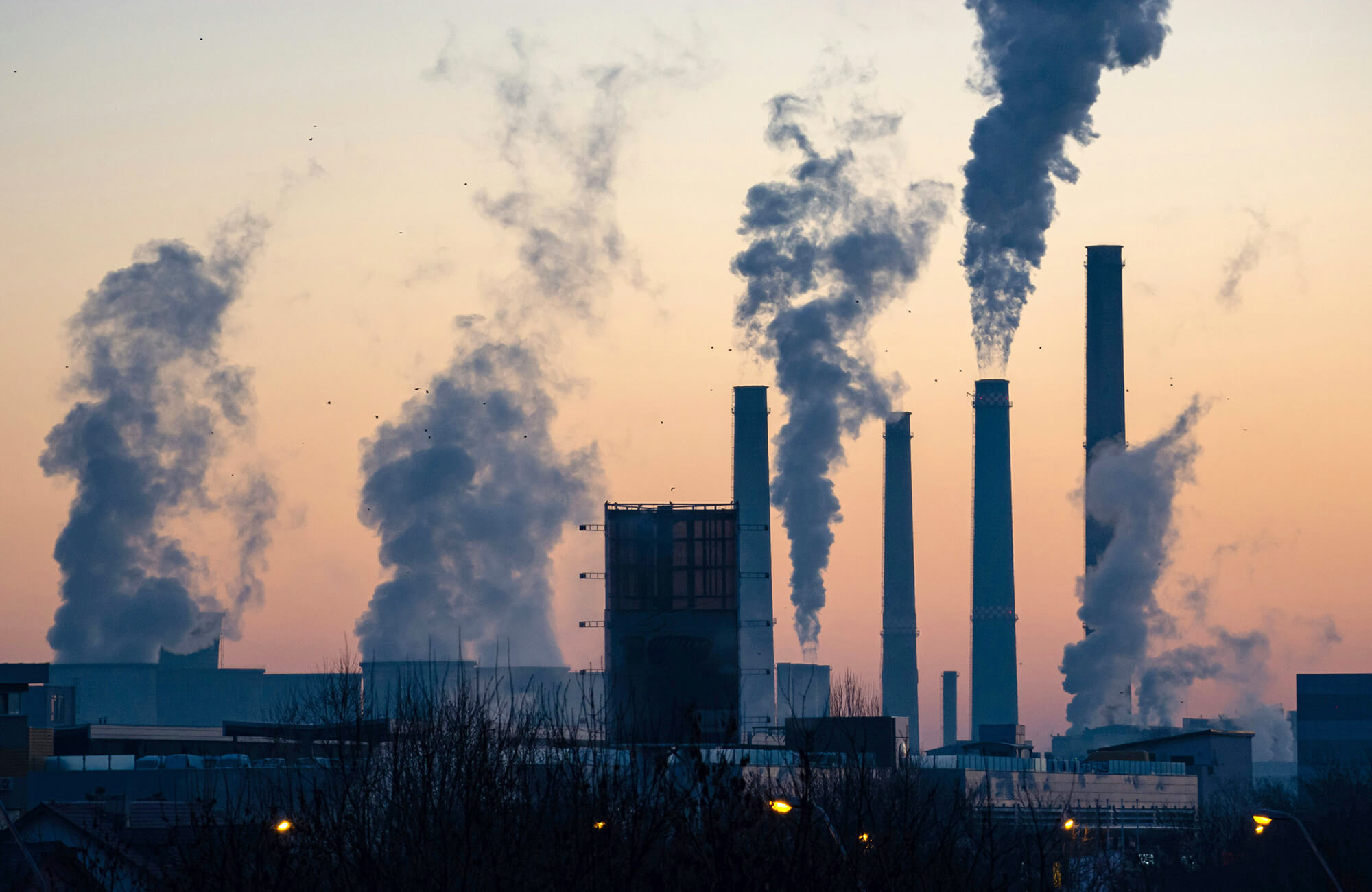
Meeting climate goals requires a dramatic reduction in global greenhouse gas (GHG) emissions. Many sectors and industries will need to radically alter their operations to reduce emissions, but this transformation will inevitably take time.
As a result, there has been a rapid increase in the exploration of alternative and complementary approaches, including Carbon Dioxide Removal (CDR), which is explicitly included in the UNFCCC Paris Agreement as a means of contributing towards a net-zero future.
However, marine CDR (mCDR) research is still in its infancy, and many questions remain about the efficacy and wider impact of these activities.
The feasibility, uncertainty, risks, evaluation and decommissioning of different approaches all need to be assessed robustly and independently from commercial interests.
This is vital to avoid unintended negative consequences on the marine environment, and inadvertent impacts on carbon fluxes overall, which matters if initiatives are to be scaled up in the future.

Building on internationally-recognised research and our extensive understanding of the marine environment and the ecosystem services it supports, PML applies our expertise to understand and explore mCDR initiatives, ensuring investment is directed towards activities which are genuinely beneficial for society and the environment.
Across the life cycle of CDR projects – from concepts through to trials, monitoring and monitoring – we apply high quality independent research expertise to inform decision-making and ensure a better understanding of the role mCDR can play and the impacts it may have.
Our Approach
Ensuring mCDR is inclusive, transparent and robustly verified
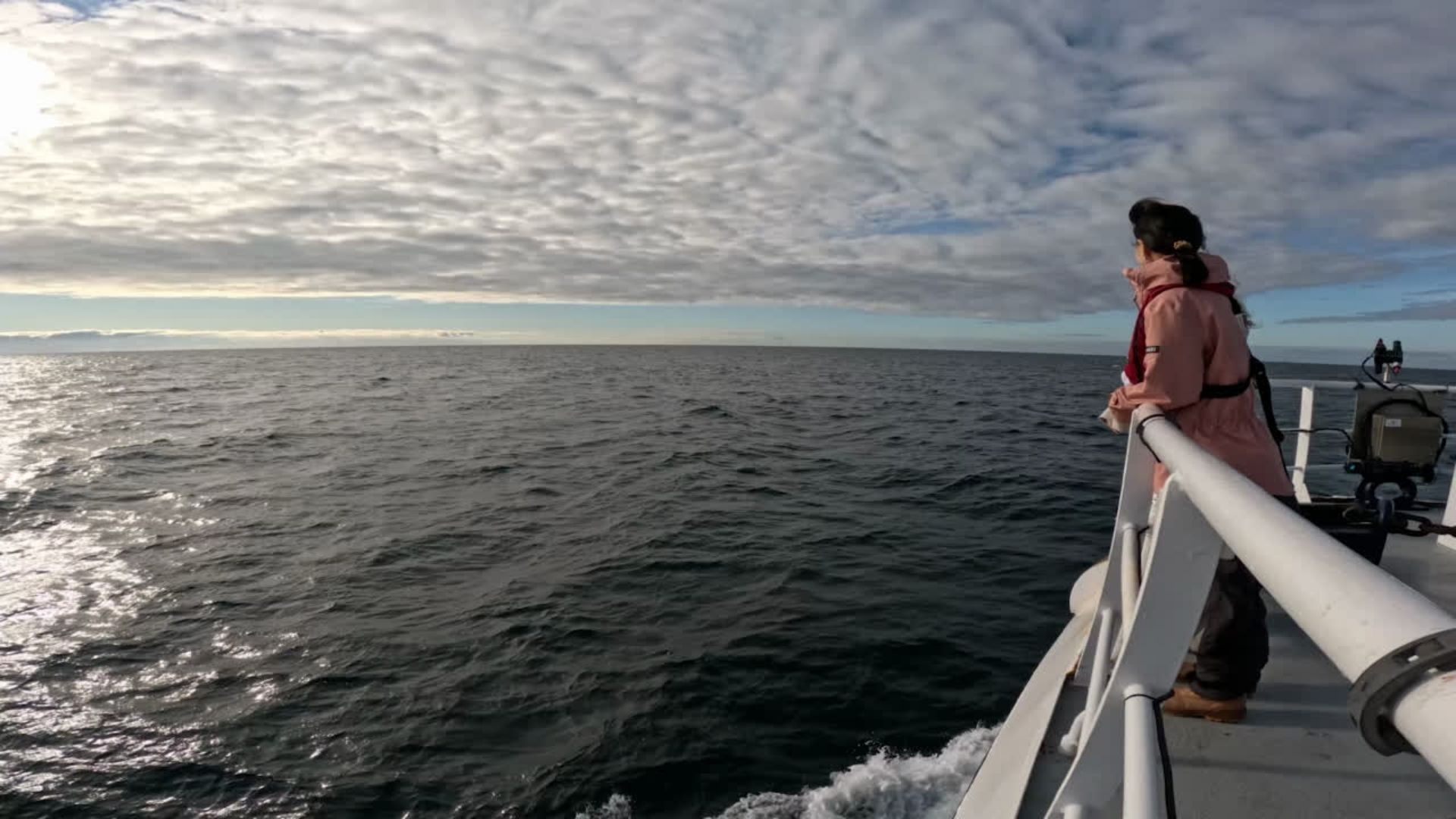
PML applies a phased and gated research approach, progressing from laboratory experiments to mesocosm studies and carefully controlled field trials, supported throughout by numerical modelling and with decision gates applied at each stage.
Reducing uncertainty and informing risk mitigation are core scientific objectives, particularly given the inherent complexity of CDR techniques. Read our mCDR statement.

Ocean fertilisation
Adding nutrients such as iron, phosphorus or nitrogen, like fertiliser, or adding naturally nutrient-rich water to nutrient-poor regions of the ocean, can stimulate photosynthesis and “fix” excess CO2 in the living biomass of phytoplankton or macroalgae.
Recovery of ocean and coastal ecosystems
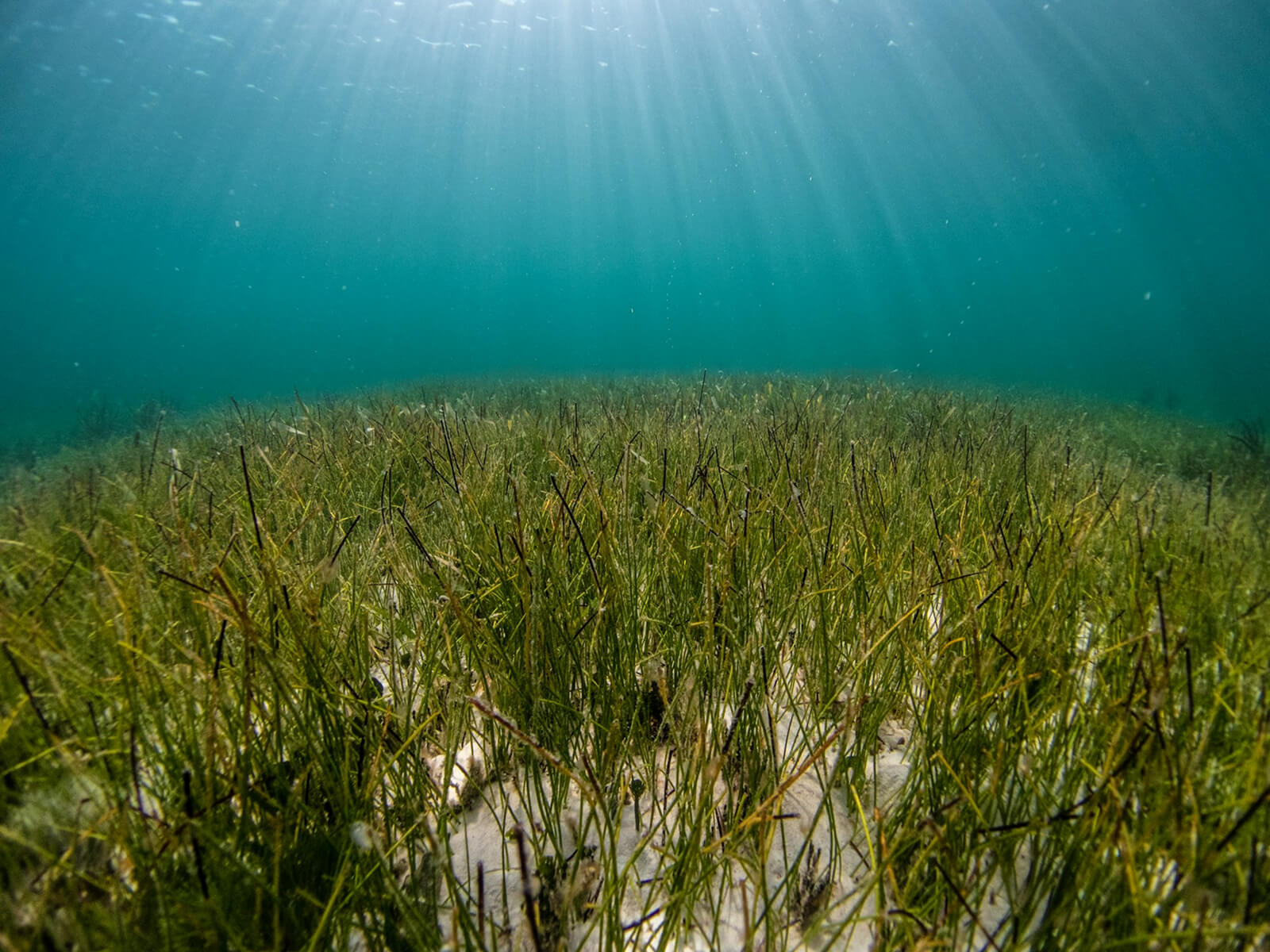
Coastal habitats often referred to as Blue Carbon habitats, such as mangroves, macro-algae areas, tidal marshes and seagrass meadows, absorb and store significant amounts of carbon from the atmosphere. By protecting and restoring such ecosystems it can enable increased carbon sequestration.

Ocean alkalinity enhancement (OAE)
A chemical change in seawater through the addition of alkalinity, using one of several mechanisms including enhanced mineral weathering, or electrochemical or thermal reactions, with the ultimate aim of removing CO2 from the atmosphere.

Electrochemical approaches
Direct removal of CO2 from seawater, or enhancement of the storage capacity of CO2 in seawater (for example, as ions or mineral carbonates), by manipulating seawater acidity or alkalinity.
Our capabilities
Our services
PML science helps to underpin innovation in the research, development, measurement, testing and validation of carbon removal technologies and also informs decision-making at the highest levels. Alongside our commercial arm PML Applications, the services we provide include:
Rigorously evaluating and validating marine carbon dioxide removal (mCDR) methods to assess their effectiveness and performance.
Using specialist biogeochemical models to simulate the movement of carbon through marine ecosystems, providing insights into carbon cycling, storage and removal.
Conducting thorough environmental assessments to understand and evaluate the potential impacts of marine carbon removal technologies on marine ecosystems.
Applying precise carbonate chemistry analysis and modelling to predict, monitor and validate the performance of marine carbon removal technologies.
Supporting trials at every scale, from land-based monitoring to full-scale at-sea testing. Capabilities include vessel-based surveys, static monitoring buoy deployment, spatial dispersion analysis, baseline and post-discharge monitoring, and environmental monitoring programmes.
Translating complex geospatial, biogeochemical and ecological data into accessible digital tools and actionable insights to support mCDR research, assessment and decision-making.
Assessing the social dimensions of local and small-scale trials, understanding public perceptions and supporting engagement to build awareness of marine carbon removal approaches.
Providing MRV documentation and reporting to support carbon credit verification, including trial data compilation and analysis, carbon budget assessment, third-party verification and regulatory compliance documentation.
Assessing the social and economic value of mCDR technologies to support decision making.
PML Highlights
See our science in action
News
£3 million for new carbon capture project and pilot plant: SeaCURE
Plymouth Marine Laboratory are part of a new carbon capture project that could pave the way for large-scale removal of carbon dioxide (CO2) from the atmosphere using the ocean.
Explore news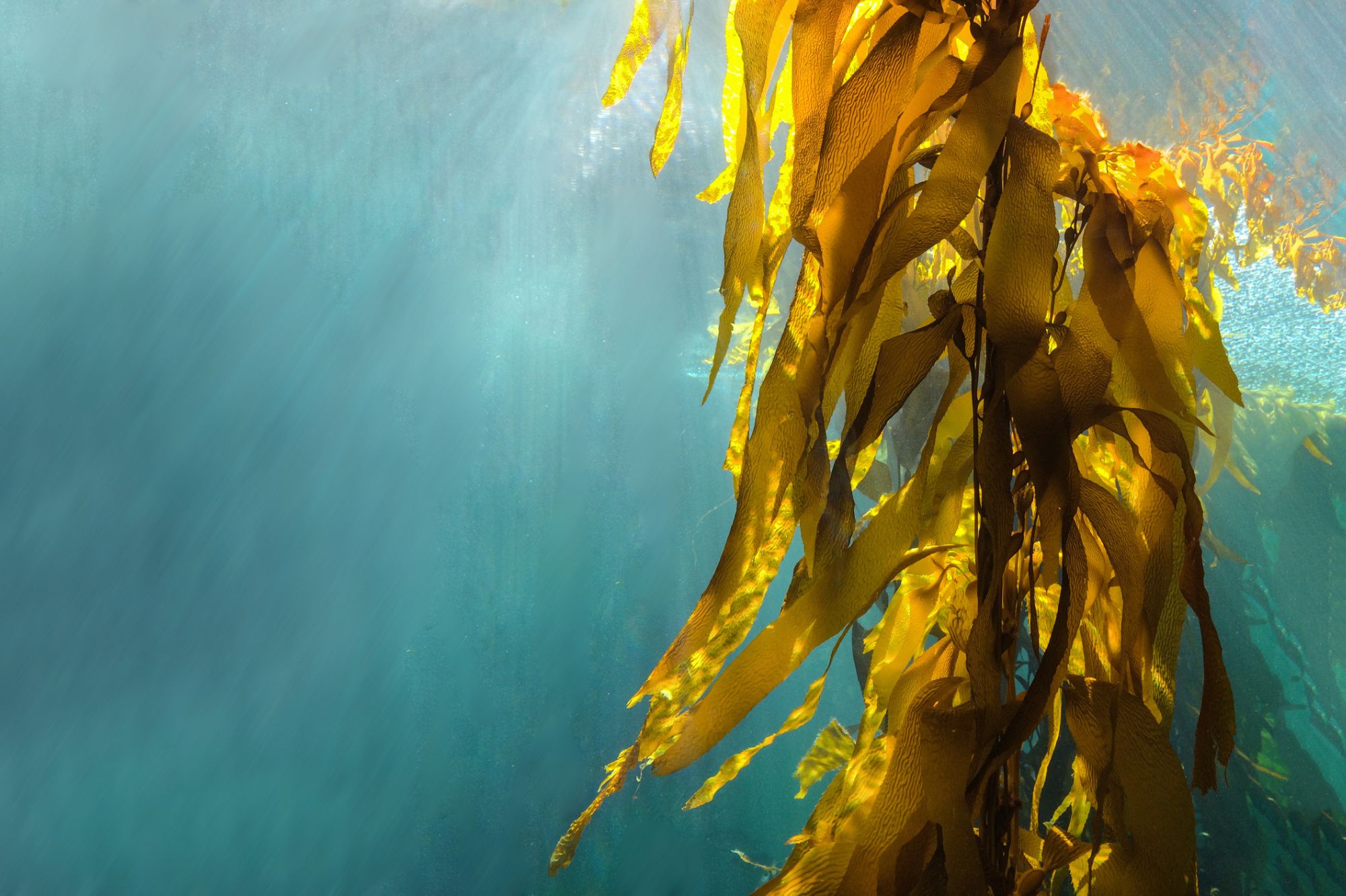 News
PML leads the science on the world’s first co-located seaweed and offshore wind farm
PML to provide independent analysis of the Amazon-funded North Sea Farm 1 project
Explore news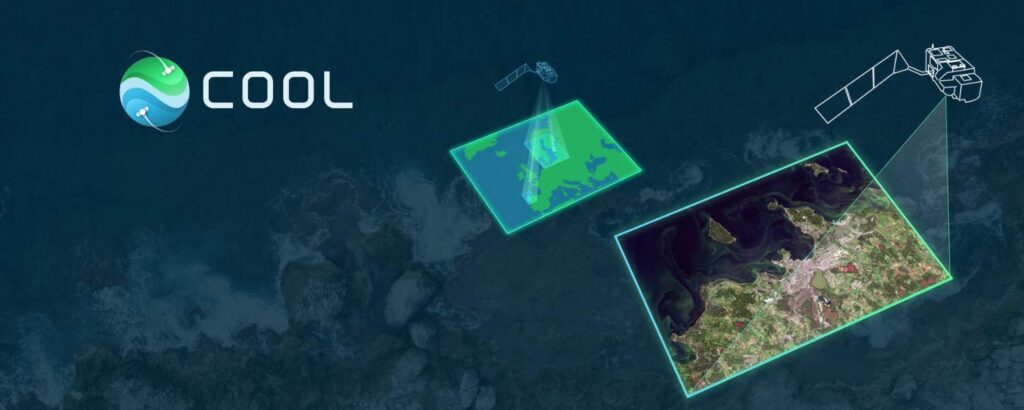 Project
Carbon from earth Observation between Ocean and Land (COOL)
The COOL (Carbon from Earth Observation between Ocean and Land) project is a European Space Agency (ESA)-funded initiative focused on improving how we observe and understand the carbon cycle in coastal waters using satellite data.
Explore project Project
Satellite-based observations of Carbon in the Ocean: Pools, Fluxes and Exchanges (SCOPE)
In the Satellite-based observations of Carbon in the Ocean: Pools fluxes and Exchange (SCOPE) project, funded by the European Space Agency (ESA), we bring together an international team of experts to study the ocean carbon cycle from space to better understand how much carbon the ocean stores and how this changes over time.
Explore project Project
North East Atlantic hub of the Global Ocean Acidification Observing Network
The North East Atlantic Ocean Acidification Hub was established to serve European countries that are conducting monitoring, and other OA activities, within the NE Atlantic region.
Explore project Project
Ocean ICU: Improving Carbon Understanding
The Horizon EU OceanICU is a five year project that seeks to gain a new understanding of the biological carbon pump and its processes in order to provide fundamental knowledge and tools to help policy makers, regulators and Ocean industry–fishing and mining, along with the wider blue economy–manage and understand the impact of their actions on Ocean carbon. This will…
Explore projectScientific Leadership
Experts working in this area of research

Portfolio Lead – Marine Carbon Dioxide Removal (mCDR)
Professor Helen Findlay














Why PML?
The expertise to advance mCDR responsibly
Decades of research and monitoring expertise
We have several decades of experience in ocean carbon cycle research, alongside the facilities, expertise and technology to evaluate and monitor projects at all stages. Our understanding of environmental baselines and long-term monitoring is invaluable for identifying and assessing changes associated with mCDR initiatives.
Meaningful stakeholder engagement
We develop engagement activities that enable effective and sensitive co-development, ensuring all voices related to an initiative are heard and stakeholder interests are appropriately balanced.
A framework for responsible mCDR
We have co-developed a comprehensive framework to monitor environmental impact, because it is important not to create a secondary problem in the process of solving the original one. By carefully assessing and managing potential impacts, we can advance mCDR technologies responsibly while maintaining healthy ocean ecosystems.
Support from laboratory to scale-up
We work alongside multiple companies with novel mCDR technologies, aiming to validate them in a laboratory setting before field trials and then scale up the design. We can support testing at each stage to provide tangible evidence of effectiveness and to assess any associated environmental impact.
Who We Work With
Serving a diverse ecosystem of partners
Working with organisations across policy, conservation finance and stakeholder engagement to translate climate science into lasting ocean management improvements.



Selected partners, collaborators, and funders across our projects and research.
Get In Touch
Ready to discuss Marine Carbon Dioxide Removal?
Portfolio Lead
Professor Helen Findlay
Ocean Challenge Lead: Climate Change