Offshore energy: supporting a just transition
Offshore renewable energy is central to achieving net zero. Yet delivering it at scale risks conflict with fishing, coastal communities and marine ecosystems. At PML, we combine expertise in ocean health, social science, economics and decision-support systems to ensure expansion can be done in an efficient, sustainable and informed way, underpinned by high-quality, independent science.
Our focus
Using science, evidence and community knowledge for offshore energy that is fair, inclusive and nature-positive.
The Challenge
Responsible expansion is a delicate balancing act
As offshore energy evolves, decisions must account for the cumulative effects of existing infrastructure, new developments and emerging technologies, alongside the needs of marine industries and coastal communities.
Offshore energy development is complex, fast-moving and highly contested. Unless managed effectively it can:
- Restrict fishing access and marine space
- Place added pressure on marine ecosystems
- Leave coastal communities uncertain about their future livelihoods
- Overlook who benefits, who bears costs and how impacts accumulate.
If these impacts are not addressed early, projects risk:
- Conflict, legal challenge and project delays
- Higher project costs and delivery risk
- Lost trust and social licence to operate
- Long-term environmental and social impact risks
Drawing on our unique combination of expertise and trusted role within UK and international marine policy and regulatory ecosystems, PML supports a ‘just transition’ across offshore energy systems, helping developers, investors, regulators and communities make decisions that reduce risk, improve outcomes and build public confidence.
We provide high-quality impartial evidence and deliver co-creation strategies and practical solutions that allow offshore wind, fisheries and other marine sectors to operate successfully alongside one another.
This is supported by our end-to-end capability across observation, modelling, valuation, and decision-support tools.
Our Approach
Offshore energy: helping developers, investors, regulators and communities
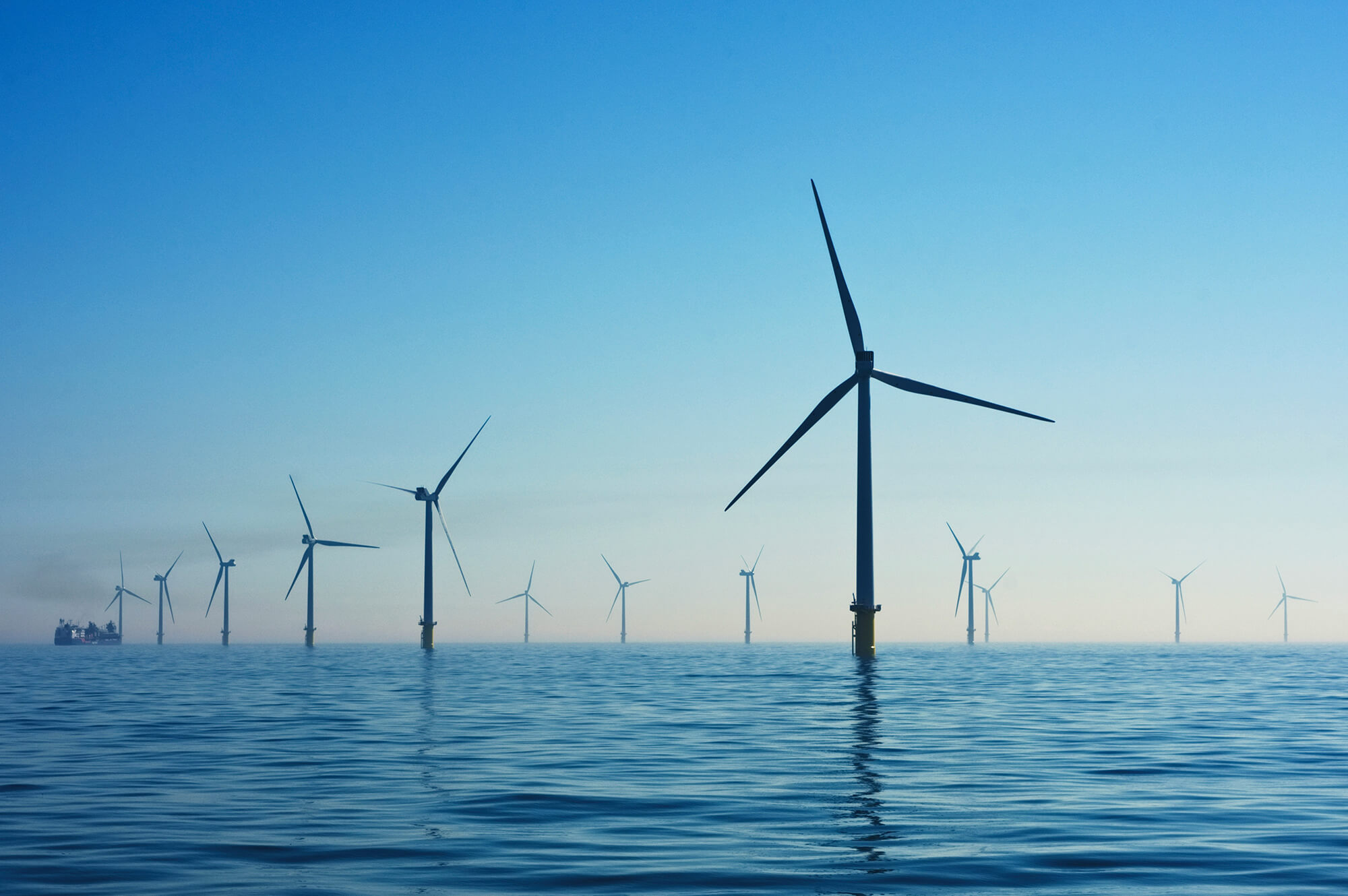
Ocean Health
We assess how marine development and human activities affect ecosystems, biodiversity and the natural processes that support a healthy ocean.
- Environmental assessment and monitoring: understanding environmental impacts and ecosystem change.
- Data, modelling and decision-support systems: helping clients evaluate scenarios, compare options and make defensible decisions.
- Strategic advice and evidence for development: supporting planning, investment and environmental decision-making across relevant marine and energy sectors.
- Ecological expertise and ocean health assessment: assessing risks to marine ecosystems and biodiversity.
- Nature-positive delivery: We provide scientific evidence to inform habitat restoration, biodiversity enhancement and approaches to reducing environmental impacts.
Fisheries
We help assess and manage the impacts of marine development on fishing activity, livelihoods, food security and coastal economies.
- Displacement and effort redistribution: We assess how changes in marine use affect fishing activity, operating costs, safety and profitability.
- Co-produced knowledge and evidence: We bring fishers’ knowledge together with scientific evidence to build a more complete understanding of impacts and opportunities.
- Socioeconomic analysis and adaptation: We explore how development affects fishing businesses and communities, informing options for adaptation and future livelihoods.
- Co-existence and access planning: We provide evidence to help assess competing uses of marine space and identify opportunities to reduce conflict.
- Community resilience and future opportunities: We help identify potential opportunities in marine supply chains, environmental monitoring and other marine services.

Communities
We help understand and manage the social and economic impacts of marine development, supporting fair outcomes for coastal communities and other marine users.
- Fair siting and participatory planning: We combine spatial evidence with stakeholder knowledge to identify potential conflicts and minimise impacts on communities and marine activities.
- Distributional impacts and cumulative risk: We assess who benefits, who bears the costs and how the combined effects of development affect people and places.
- Socioeconomic analysis and stakeholder engagement: understanding impacts on communities, fisheries and other marine users.
- Monitoring and adaptive management: We track social, economic and environmental outcomes to inform decisions and improve approaches over time.
- Socioeconomic assessment and Just Transition advice: We provide evidence to help assess equity, livelihoods and benefit-sharing in marine development.
Our Capabilities
Science and solutions that accelerate transparent, defensible and future-proof decision-making
Assessing environmental impacts and monitoring ecosystem change to support responsible marine development and management.
Assessing risks to marine ecosystems and biodiversity, drawing on interdisciplinary expertise to understand environmental pressures and their effects on ocean health.
Exploring the socioeconomic impacts of marine development on coastal communities, fisheries and other marine users, alongside stakeholder engagement to support inclusive decision-making.
Using data, modelling and decision-support tools to evaluate scenarios, compare options and help clients make informed, defensible decisions.
Providing strategic advice and robust scientific evidence to support planning, investment and environmental decision-making across relevant marine and energy sectors.
Combining numerical modelling and socioeconomic research to explore possible futures and assess the outcomes of different decisions.
PML Highlights
See our science in action
 Project
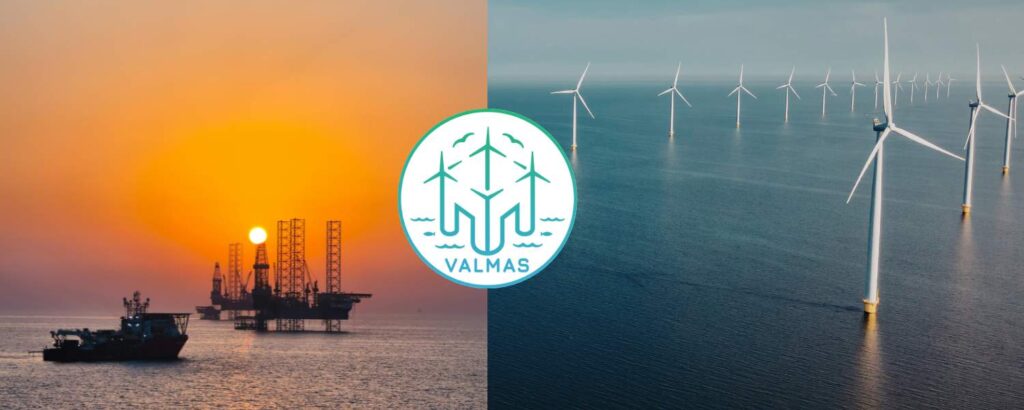
Valuing Marine Artificial Structures (VALMAS)
VALMAS is a £5.6 million UK research programme that examines how marine artificial structures, such as offshore wind turbines and oil and gas platforms, interact with marine ecosystems and society. Plymouth Marine Laboratory is a key project partner, with Dr Steve Watson as Deputy Project Lead, contributing evidence and tools to support sustainable offshore energy development.
Explore project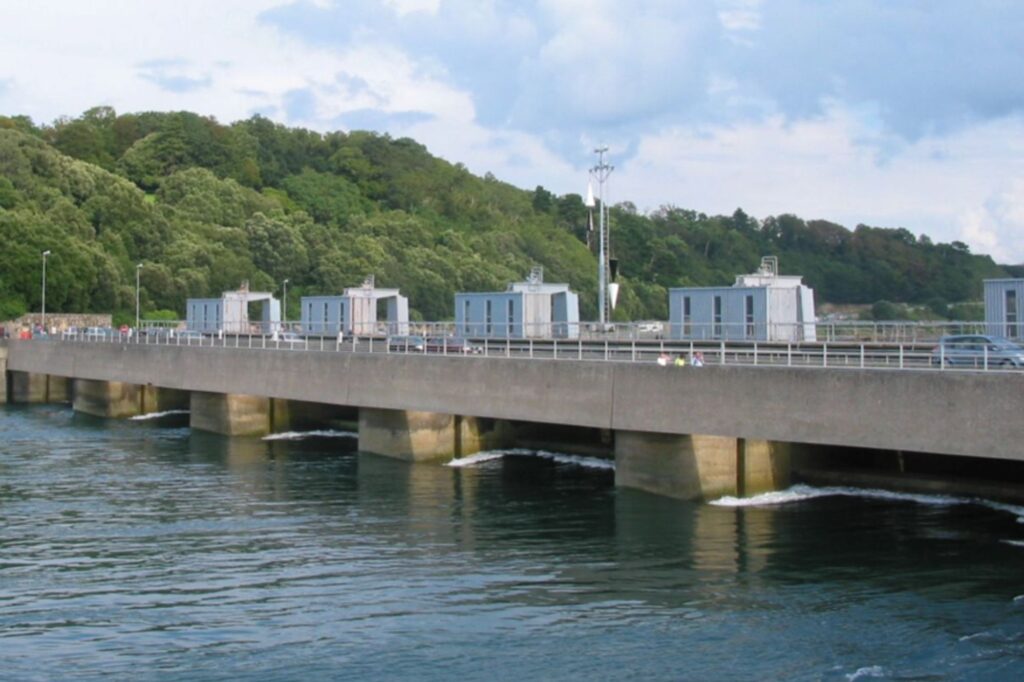 News
Communities hold the key to tidal energy projects, new study finds
A new study shows that gaining deeper understanding of the drivers behind public attitudes to renewable energy is the key to minimising opposition to deployment.
Explore news Project
Managing the Environmental Sustainability of the Offshore Energy Transition (MOET)
MOET will assess the environmental sustainability of offshore wind, blue and green hydrogen, and carbon capture and storage for selected test areas of the UK offshore, and will develop solutions for planning the technology and infrastructure of the offshore energy transition. It will also assess public understanding and acceptance of those technologies.
Explore project Project
Act on Offshore Monitoring (ACTOM)
ACTOM developed the capability for cost-effective monitoring of offshore carbon storage projects as part of Carbon Capture Utilisation and Storage (CCUS), aligning industrial, societal and regulative expectations with technological capabilities and limitations.
Explore project News
What are the potential effects of floating offshore wind on marine ecosystems?
Plymouth Marine Laboratory is a leading partner in a new programme focused on enhancing understanding of how UK marine ecosystems may respond to future expansion of floating offshore windfarms (FLOW).
Explore news Project
Decommissioning – Relative Effects of Alternative Management Strategies (DREAMS)
The highly integrated DREAMS project is designed to bring together information about the effects of man-made structures on the marine ecosystem and the benefits that it provides for humans.
Explore projectScientific Leadership
Experts working in this area of research

Portfolio Lead – Offshore energy: supporting a just transition
Dr Stephen Watson











Why PML?
PML combines interdisciplinary marine science, environmental monitoring and applied research
Our established expertise supports offshore renewables and a fair transition for coastal communities, with potential to extend into emerging areas such as the environmental impacts of data centre infrastructure.
Better decisions with less risk
PML provides the scientific credibility, infrastructure, and delivery pathways that integrate offshore renewables, fisheries, and ocean health.
Proven expertise in offshore renewables and nature-positive development
Our scientists have led numerous research papers, evidence syntheses and monitoring frameworks for offshore wind environmental impacts, ecosystem services, and cumulative effects.
Interdisciplinary science supporting fairness and livelihoods
PML’s work in ecosystem services and environmental economics (e.g., valuation, cost–benefit analysis, and finance mechanisms) strengthens our ability to assess and communicate fairness, distributional impacts, and benefit pathways - the heart of a Just Transition.
Direct working relationships with The Crown Estate and strategic marine governance bodies
PML has established an ongoing collaboration with The Crown Estate, supporting evidence generation and applied science for offshore renewable energy leasing rounds, marine spatial planning, and environmental enhancement strategies.
Who We Work With
Serving a diverse ecosystem of partners
Working with industry, communities, stakeholders and regulators.



Selected partners, collaborators, and funders across our projects and research.
Get In Touch
Interested to talk about offshore energy?
Speak to our team of experts about how we can support you.
Portfolio Lead
Dr Stephen Watson
Senior Ecosystem Services Scientist