Monitoring and restoring disturbed biological systems
Various forms of pollution are increasingly disrupting aquatic ecosystems, driving biodiversity loss and reducing ecosystem resilience. Plymouth Marine Laboratory delivers the integrated science needed to understand and manage disturbed biological systems. Combining Earth observation and remote sensing, advanced monitoring techniques, modelling, ecotoxicology and socio-economic expertise, we help detect emerging threats, predict cumulative impacts and develop solutions that protect ecosystems and the benefits they provide to society.
Our focus
We address three major aspects of pollution disturbance: (1) Emerging contaminants, (2) nutrient pollution, and (3) underwater light and noise.
The Challenge
Building Resilience to the Cumulative Impacts of Pollution and Disturbance
Human activities are placing increasing pressure on coastal and ocean ecosystems, weakening the critical services they provide, including food security, carbon storage and coastal protection. Immediate action is needed to prevent long-term environmental degradation that could undermine economic resilience and human well-being.

Plastics and associated toxins introduce persistent pollutants that infiltrate food webs, impair organism health and alter habitats, while nutrient pollution from agricultural runoff, sewage discharge and sediment loading drives eutrophication, harmful algal blooms, microbial contamination and the expansion of hypoxic “dead zones”.
These chemical and biological pressures are compounded by emerging stressors such as Artificial Light at Night (ALAN), ocean and coastal darkening, and underwater anthropogenic noise which disrupt behaviour, sensory ecology and ecosystem functioning. A diverse range of chemical and pharmaceutical contaminants, including personal care products, oil spill residues and industrial compounds, can also exert chronic effects on physiology, reproduction and population dynamics, contributing to long-term ecosystem change.
Critically, these environmental pressures interact with societal factors, including stakeholder perceptions, behaviours and willingness to adopt mitigation measures, influencing both the effectiveness of interventions and the distribution of costs and benefits. Together, these interconnected environmental and socio-economic pressures create complex, cumulative challenges that require integrated monitoring, modelling and stakeholder-informed solutions to safeguard aquatic ecosystems and the services they provide.
PML endeavours to understand, quantify and predict the cumulative effects of pollution and other anthropogenic disturbances on marine and coastal biological systems, enabling earlier intervention before environmental thresholds and irreversible ecological tipping points are reached.
We look to provide decision makers with integrated evidence that combines environmental, social and economic perspectives, transforming fragmented knowledge into trusted assessments, practical mitigation strategies and measurable outcomes. A central goal is to work collaboratively with stakeholders across government, industry and society, to support the reduction of harmful pressures, enhance ecosystem resilience and recovery, and deliver healthier, more productive and nature-positive marine ecosystems that continue to provide essential benefits for both people and the economy
Our Approach
We deliver the integrated science needed to understand and better manage disturbed biological systems
Emerging contaminants
Spanning plastics (from large to small, including biobased to biodegradable), pharmaceuticals, personal care products, tyre wear particles, antifouling paint, oil-derived contaminants and antimicrobial resistance (AMR), we investigate pollutant sources, transport pathways and environmental fate from source to impact. Our research examines contaminant effects on organisms and ecosystems through ecotoxicology and bioindicator studies, while evaluating mitigation options, nature-based solutions and societal perceptions of environmental risk.
Nutrient pollution
Covering nutrient enrichment, suspended sediments, sewage pollution, agricultural runoff and Harmful Algal Blooms (HABs), we investigate the sources, transport and impacts of anthropogenic inputs across various ecosystems. Our work examines how these pressures affect water quality, biodiversity and ecosystem functioning, combining monitoring, modelling and stakeholder engagement to support forecasting, mitigation and ecosystem recovery.

Underwater light and noise
Encompassing Artificial Light at Night (ALAN), coastal and ocean darkening, and underwater anthropogenic noise, we investigate how human-driven changes to light and sound environments affect marine life and ecosystem processes. Through monitoring, experimentation and modelling, we assess ecological impacts and develop mitigation strategies that support healthier, more resilient aquatic ecosystems.
Our Impact
Understanding and managing environmental pressures
Nitrate, nitrite, phosphate, silicate and ammonium nutrient data have been collected since 2000 at station L4. A longer time-series of other parameters, dating back to 1934, is available for station E1 and is now depth-resolved. Data are often available on the same day as collection.
Environmental DNA (eDNA) provides a rapid, whole-ecosystem view of marine life, from microbes to fish. By monitoring how biological communities change in response to environmental pressures, eDNA helps identify ecosystem disturbance, track recovery, and provide evidence for effective restoration and management actions.
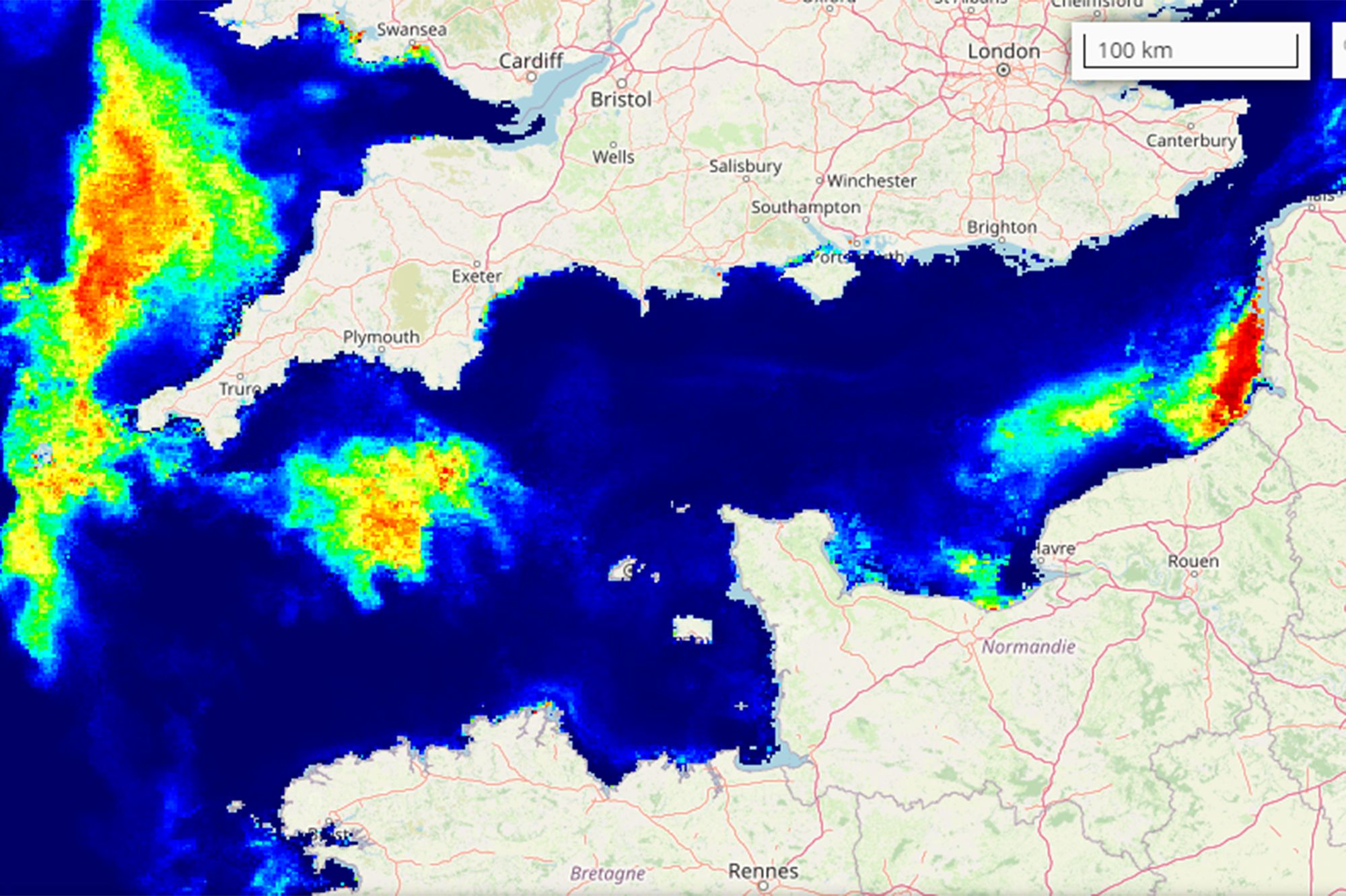
PML and cross-Channel partners created S-3 EUROHAB, a harmful algal bloom early warning system covering the whole English Channel. This web-based alert system enhances the existing £2 million shellfish industry sampling network, which covers only 6% of the Channel area.
Plymouth Marine Laboratory and the University of Plymouth are investigating how sunscreen-derived UV filters contribute to chemical pollution in marine ecosystems. Building on research into the impacts of these compounds on algae, fish and coral reefs, the study highlights widespread public unawareness of sunscreen as a marine pollutant and the need for clearer environmental guidance. The work supports efforts to reduce pressure on coastal ecosystems by informing policy, product labelling, consumer behaviour and future pollution mitigation strategies.
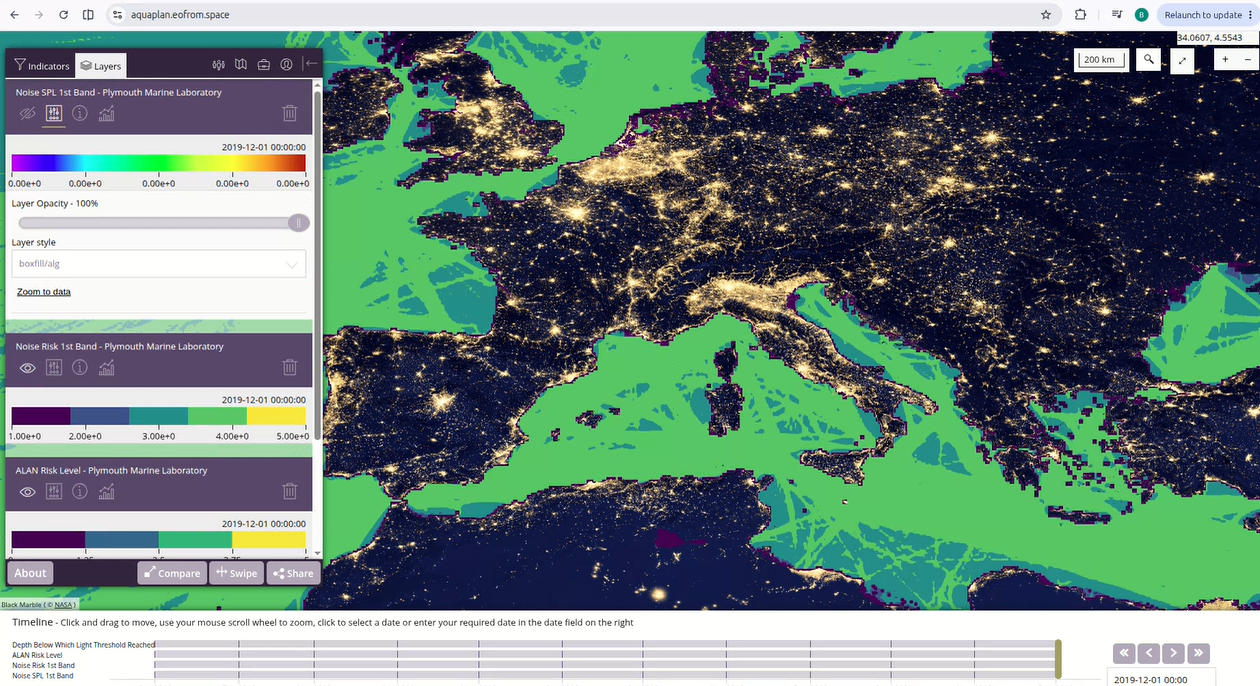
Artificial Light at Night (ALAN) from coastal development, ports and offshore infrastructure now affects approximately 2 million km² of the world’s oceans, disrupting biological processes (such as behaviour, reproduction and ecological interactions) that underpin marine ecosystem health. Modern blue LED lighting can penetrate more than 100 m into the water column, extending light pollution impacts far beyond the sea surface. PML has led the development of the first global atlas of ALAN under the sea.
PML Highlights
See our science in action
 Project
AgZero+ Towards sustainable, climate-neutral farming
Plymouth Marine Laboratory (PML) is a partner in a major five-year £13.8 million research programme, named “AgZero+’, to support the UK’s transition towards home-grown food production that is sustainable, carbon-neutral and has a positive effect on nature.
Explore project News
Impacts of flooding on coastal water quality from sewage, agricultural and industrial effluent
A new two-year project, named Vis4Sea, has been granted funding to measure the impacts of flooding on water quality in the Plymouth Sound and the wider Western Channel Observatory with lessons learnt to also be applied to the Fitzroy River in Australia where periodic flooding is becoming more frequent.
Explore news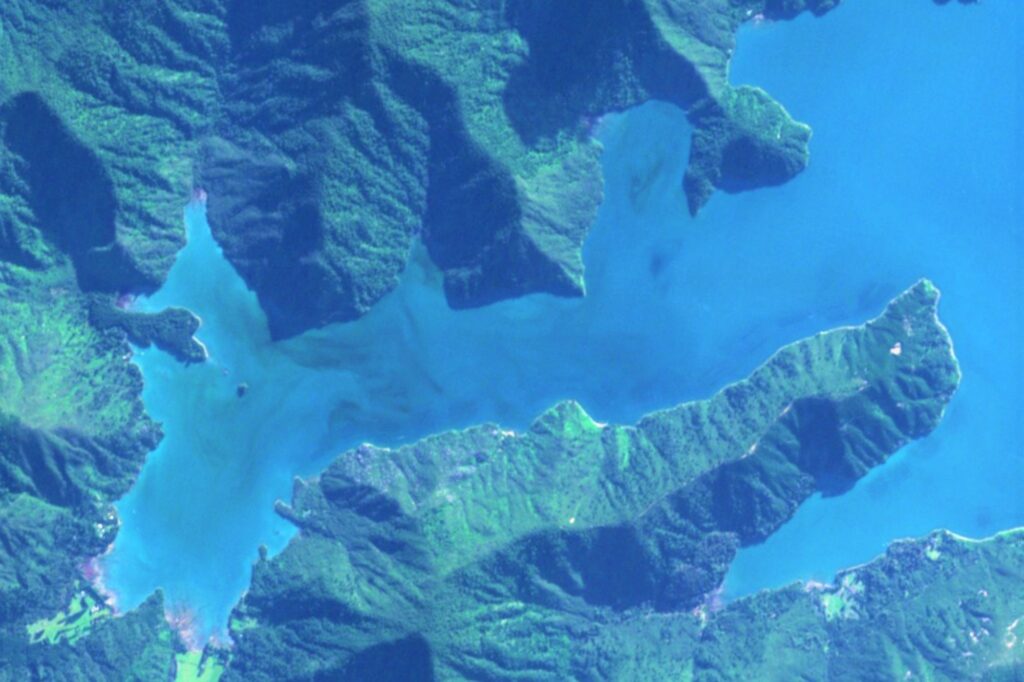 News
Joining forces on harmful algae: PML leads satellite project with NZ partner
As South Australia confronts one of its most damaging harmful algal blooms on record, a new UK–New Zealand research project led by Plymouth Marine Laboratory (PML) will boost monitoring of phytoplankton that produce toxins, early-warning systems and coastal resilience across the Southern Hemisphere.
Explore news News
Sunscreen’s potential impact on marine life needs urgent investigation, new study reveals
The chemicals found in sunscreens are becoming an increasing presence in our ocean. But there are still significant gaps in our understanding of how they might affect marine ecosystems, according to a new study.
Explore news Project
Aquatic Pollution from Light and Anthropogenic Noise: Management of Impacts on Biodiversity (AquaPLAN)
AquaPLAN is a four-year EU Horizon Europe project quantifying the combined impacts of artificial light at night (ALAN) and anthropogenic noise on aquatic biodiversity across Europe’s freshwater, estuarine, coastal and offshore environments. PML contributes expertise in physical and social marine sciences, working with 14 partner organisations spanning 10 countries to deliver empirically grounded management strategies for these under-regulated pollutants
Explore projectScientific Leadership
Experts working in this area of research

Portfolio Lead – Monitoring and restoring disturbed biological systems
Dr Elizabeth C. Atwood

















Why PML?
Unique integrated science
PML provides the unique integrated science needed to understand, predict and reduce the cumulative impacts of pollution on marine ecosystems
End-to-end understanding of disturbed biological systems
PML uniquely links anthropogenic pressures to biological responses, ecosystem change, ecosystem services and management outcomes. Rather than focusing on a single stressor, discipline or part of the evidence chain, we integrate observation, experimentation, modelling and stakeholder engagement to understand the full pathway from source to ecological impact and recovery.
Expertise in cumulative and interacting stressors
Many organisations specialise in individual issues such as plastics, nutrient pollution, contaminants or underwater noise. PML's strength lies in understanding how multiple stressors interact, accumulate and amplify impacts from the species to the ecosystem level, thus providing a more realistic basis for decision-making.
Evidence-to-action approach
Central to PML’s work is to support real-world decisions. By working directly with regulators, industry, policy-makers and communities, we co-develop evidence, tools and assessments that are transparent, trusted and readily applicable to environmental management.
Independent and trusted scientific authority
PML combines internationally recognised research excellence with a track record of delivering evidence that informs policy, regulation and environmental stewardship. This enables us to act as an honest broker between science, industry, government and wider society.
Who We Work With
Selected partners, collaborators, and funders across our projects and research.
Get In Touch
Interested to talk about disturbed biological systems?
Speak to our team of experts about how we can support you.
Portfolio Lead
Dr Elizabeth C. Atwood
Earth Observation Senior Scientist