Marine infrastructure, shipping and seabed use
Human use of the Ocean is intensifying across multiple sectors simultaneously – from shipping and seabed trawling to offshore energy development and the decommissioning of oil and gas infrastructure. PML works directly with the full range of actors in this space – from local stakeholders to industry and policymakers – to provide timely, integrated evidence that supports nature-positive outcomes.
Our focus
End-to-end environmental evidence for nature-positive decision-making across offshore and coastal development lifecycles and resource use.
The Challenge
Sustainable ocean use requires holistic and informed decision-making
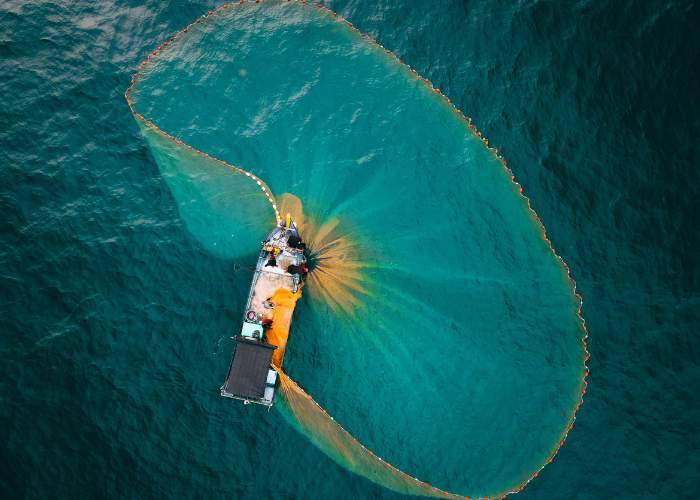
The development and decommissioning of marine artificial infrastructure, maritime activity (including shipping) and the use of the seabed, such as bottom trawling, have major potential environmental effects on marine ecosystems.
Evidence on these impacts is often fragmented by sector and stressor, rarely integrated across scales, and rarely translated into timely, decision-relevant outputs.
Furthermore, short-term economic pressures can compromise the longer-term health and resilience of marine ecosystems.
The result is that nature-positive development and resource use often remains a policy aspiration rather than an evidenced outcome.
PML provides timely, integrated evidence on cumulative impacts across sectors and scales, filling the gap between fragmented science and actionable decision-making.
From baseline observation through to impact modelling and decision support tools, we deliver:
- High-quality evidence and expertise spanning the ecological, social and economic dimensions of pollution and disturbance
- Credible cumulative assessments grounded in our sector-specific expertise
- Transparent frameworks that build a shared understanding of trade-offs and opportunities between stakeholder groups.
This enables clearer, faster regulatory pathways, reduced consenting risk and cost savings for industry partners and better evidence for regulators in addition to measurable nature-positive outcomes and demonstrable impact from investment.
Our Capabilities
Understanding and managing environmental pressures
Monitoring the marine environment through long-term observations, advanced sensors, AI and marine autonomous technologies.
Continuously linking observations and models for exploring ‘what-if’ scenarios and testing different management options.
Investigating contaminants and emissions to understand their effects on marine organisms, ecosystems and environmental health.
Combining numerical modelling and socioeconomic research to explore possible futures and assess the outcomes of different decisions.
Developing faster ways to observe, analyse and predict environmental change using artificial intelligence and efficient computational models.
Bringing complex marine data together and translating scientific evidence into accessible information and practical decision-support tools.
Working with communities, policymakers, industry and other partners to shape research around real-world needs and deliver useful, actionable outcomes.
Evaluating the results of interventions and actions to demonstrate what works, measure progress and inform future improvements.
PML Highlights
See our science in action
 Project
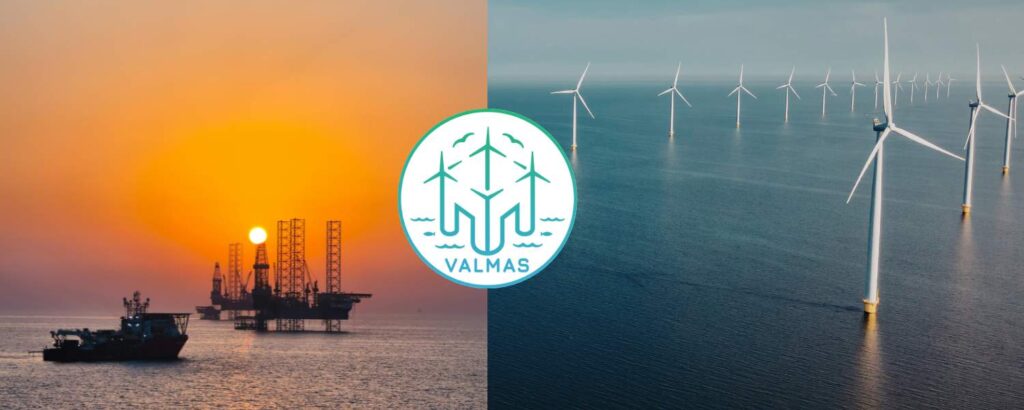
Valuing Marine Artificial Structures (VALMAS)
VALMAS is a £5.6 million UK research programme that examines how marine artificial structures, such as offshore wind turbines and oil and gas platforms, interact with marine ecosystems and society. Plymouth Marine Laboratory is a key project partner, with Dr Steve Watson as Deputy Project Lead, contributing evidence and tools to support sustainable offshore energy development.
Explore project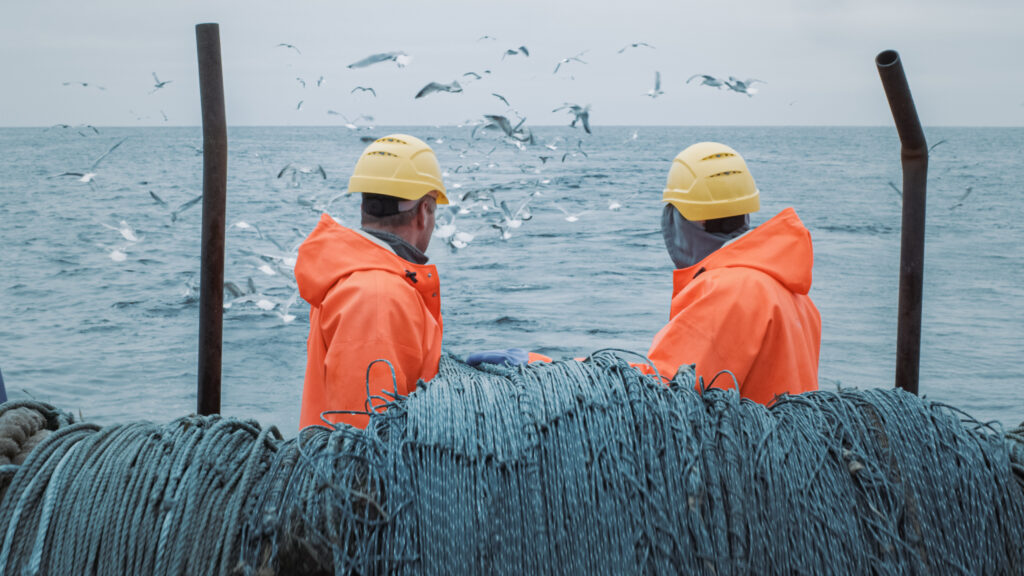 News
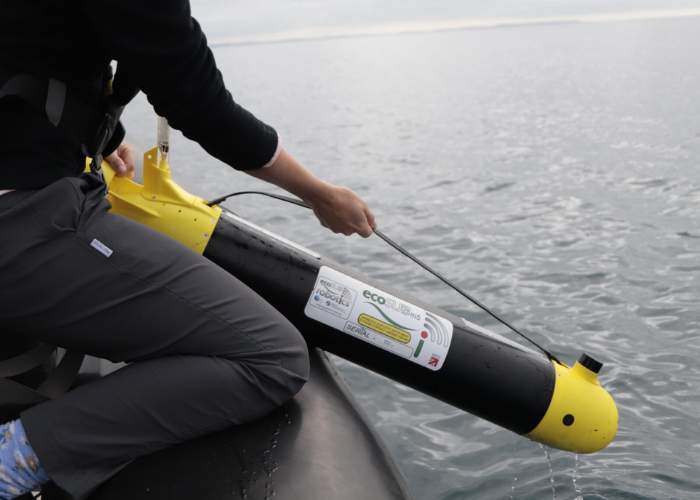
Underwater autonomy to determine trawling’s hidden carbon cost
PML researchers are deploying autonomous underwater vehicles in the Western English Channel to measure how trawling disturbs carbon stored in the seabed
Explore news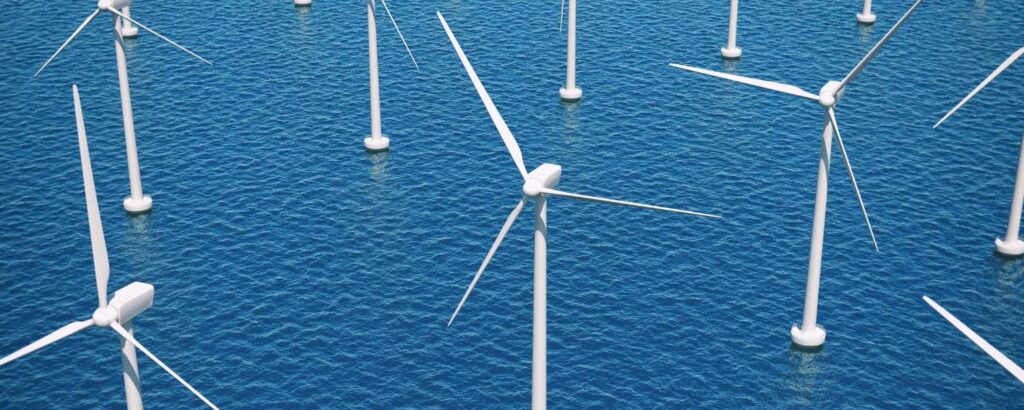 Project
Establishing a Framework for Quantifiable Evidence of Ecosystem Change in Floating Offshore Wind (EQUIFy)
EQUIFy is a pioneering research project led by Plymouth Marine Laboratory under the NERC and The Crown Estate Ecological Effects of Floating Offshore Wind (ECOFlow) programme. The project will develop a robust, transferable framework to quantify and understand ecosystem change across the full lifecycle of floating offshore wind (FLOW) developments. Focusing on planned expansion in the Celtic Sea, EQUIFy will…
Explore project Project
Aquatic Pollution from Light and Anthropogenic Noise: Management of Impacts on Biodiversity (AquaPLAN)
AquaPLAN is a four-year EU Horizon Europe project quantifying the combined impacts of artificial light at night (ALAN) and anthropogenic noise on aquatic biodiversity across Europe’s freshwater, estuarine, coastal and offshore environments. PML contributes expertise in physical and social marine sciences, working with 14 partner organisations spanning 10 countries to deliver empirically grounded management strategies for these under-regulated pollutants
Explore project Project
Decommissioning – Relative Effects of Alternative Management Strategies (DREAMS)
The highly integrated DREAMS project is designed to bring together information about the effects of man-made structures on the marine ecosystem and the benefits that it provides for humans.
Explore project Project
Atmospheric Composition and Radiative forcing changes due to UN International Ship Emissions regulations (ACRUISE)
Ship emissions are significant sources of polluting aerosols in coastal regions, causing hundreds of thousands of premature deaths per year globally. To address this, in 2015 the International Maritime Organization (IMO) ordered a reduction in the maximum ship sulphur emissions in coastal Sulphur Emission Control Areas (SECAs) of Europe and North America. From January 2020 this will be expanded to…
Explore projectScientific Leadership
Experts working in this area of research

Portfolio Lead – Marine infrastructure, shipping and seabed use
Dr Gennadi Lessin

















Why PML?
End-to-end services from baseline observations to decision-making support
Underpinned by world-leading interdisciplinary science.
Track record of UK and international programmes working alongside industry and regulators.
Advanced technological capabilities including the use of marine autonomy and AI
Cross sector expertise
We co-design solutions with the full range of stakeholders across marine sectors.
Who We Work With

Selected partners, collaborators, and funders across our projects and research.
Get In Touch
Interested to talk about marine infrastructure?
Speak to our team of experts about how we can support you.
Portfolio Lead
Dr Gennadi Lessin
Marine System Modeller