Category
Climate Change
Science topics & groups

Science group
Marine Carbon Dioxide Removal (mCDR)
Marine Carbon Dioxide Removal (mCDR) (also known as Ocean Carbon Dioxide Removal oCDR) activities are designed to remove carbon dioxide (CO2) from the atmosphere using the marine environment and its chemical and biological processes.
Read more
Science group
Offshore energy
Globally and in particular in UK waters there is a huge development of renewable energy infrastructure mainly led by offshore wind. The provision of clean energy is vital for sustaining prosperity whilst aiming for net zero carbon emissions and limiting global temperature rises. However, the degree ...
Read more
Science group
Blue carbon
Blue carbon research focuses on the ways that oceans and vegetated coastal ecosystems, like mangroves, tidal marshes and seagrass beds, contribute to the global carbon budget.
Read more
Science group
Flooding and coastal erosion
Climate change is leading to rising sea levels and an increased number and severity of extreme weather events which are putting coastal communities at risk of flooding and coastal erosion.
Read more
Science group
Sea-level rise
Sea level has been rising for most of the last hundred years, with potential devastating impact on coastal communities. The challenge is to quantify this accurately enough that regional patterns can be discerned and understood, and the contributions from thermal expansion and from ice sheet melting...
Read more
Science group
Ocean acidification
The term ocean acidification is used to describe the ongoing decrease in ocean pH caused by human CO2 emissions, such as the burning of fossil fuels. This is having an adverse effect on many important marine species such as corals, oysters, crabs and plankton. Due to the unprecedented rate of acidif...
Read more
Science group
Air-sea gas exchange
Ocean-atmosphere exchange has profound implications for the environment and the Earth’s climate.
Read moreRelated Projects
-
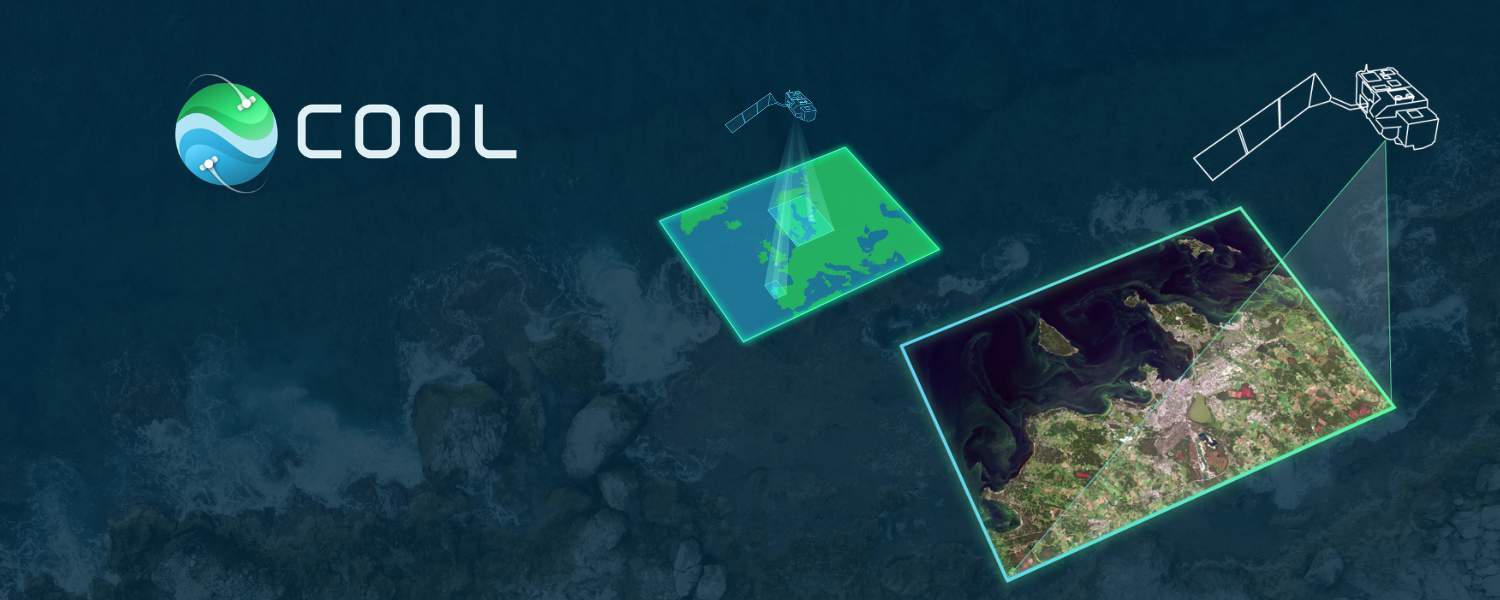 Carbon from earth Observation between Ocean and Land (COOL)The COOL (Carbon from Earth Observation between Ocean and Land) project is a European Space Agency (ESA)-funded initiative focused on improving how we observe and understand the carbon cycle in coastal waters using satellite data.
 -
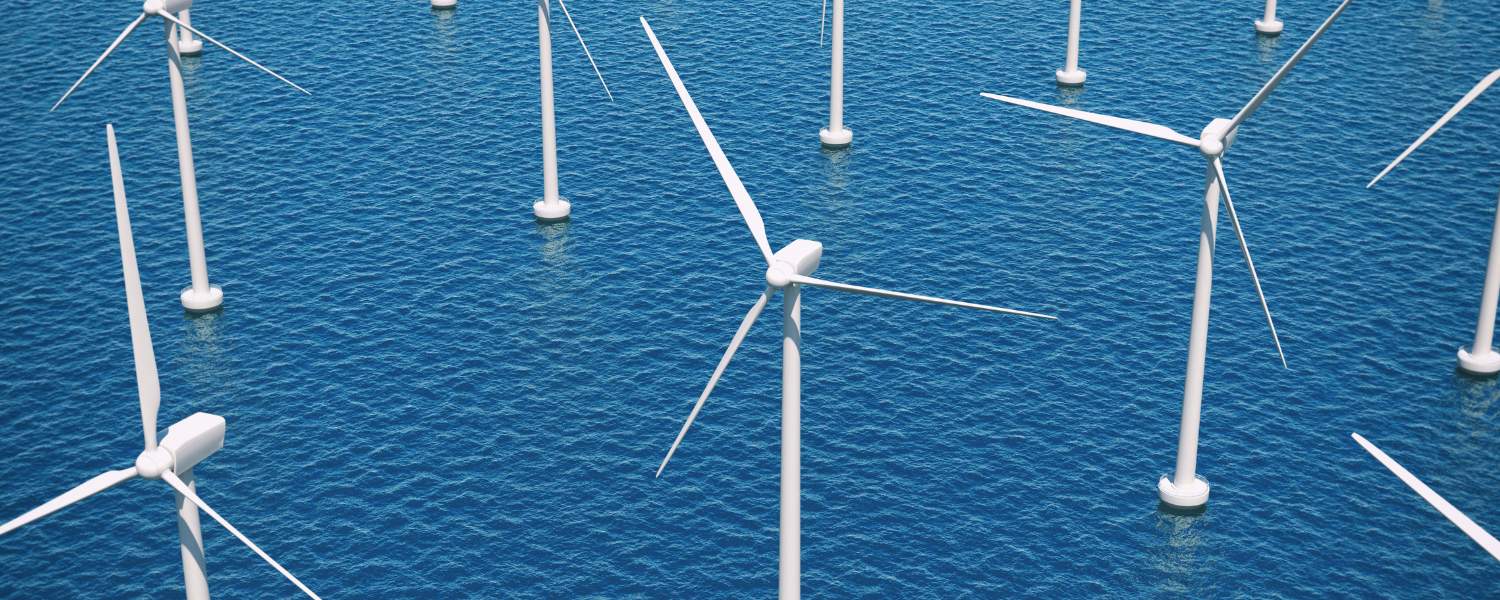 Establishing a Framework for Quantifiable Evidence of Ecosystem Change in Floating Offshore Wind (EQUIFy)EQUIFy is a pioneering research project led by Plymouth Marine Laboratory under the NERC and The Crown Estate Ecological Effects of Floating Offshore Wind (ECOFlow) programme. The project will develop a robust, transferable framework to quantify and understand ecosystem change across the full lifecy...
 -
 Climate and Marine Production (CAMP)Climate and Marine Production (CAMP) is improving our understanding of ocean productivity and how it responds to climate change by enhancing marine ecosystem and biogeochemical models.
 -
 Tipping Points and Abrupt Changes in Marine Ecosystems (TIME)The Tipping points and abrupt changes In the Marine Ecosystem (TIME) project is developing new ways to identify early warning signs of major changes in marine ecosystems. By combining satellite observations, in situ measurements, and ecosystem models, TIME aims to improve our understanding of how ma...
 -
 Satellite-based observations of Carbon in the Ocean: Pools, Fluxes and Exchanges (SCOPE)In the Satellite-based observations of Carbon in the Ocean: Pools fluxes and Exchange (SCOPE) project, funded by the European Space Agency (ESA), we bring together an international team of experts to study the ocean carbon cycle from space to better understand how much carbon the ocean stores and ho...
 -
 Closing the budget in marine atmospheric Oxidative Capacity through the quantification of Oceanic VOC emissions (COCO-VOC)Roughly half of the oxidation of methane (a key greenhouse gas) and non-methane volatile organic compounds (VOCs) occurs over the oceans via reactions with the hydroxyl radical (OH). Some of these reactions lead to secondary organic aerosols (SOA), which are important for cloud formation, and ozone,...
Related News

09 October 2026
What is El Niño, how does it work and what will it do?
PML’s Dr Lee de Mora explains the science behind El Niño and explores how it could shape weather around the world – and here in the UK.
-
 New paper highlights the ocean‘s role in uniting global environmental action
The article, co-authored by PML’s Office for International Affairs, presents scientific and policy rationales for positioning the ocean as a unifying agenda to advance major international environmental treaties.
-
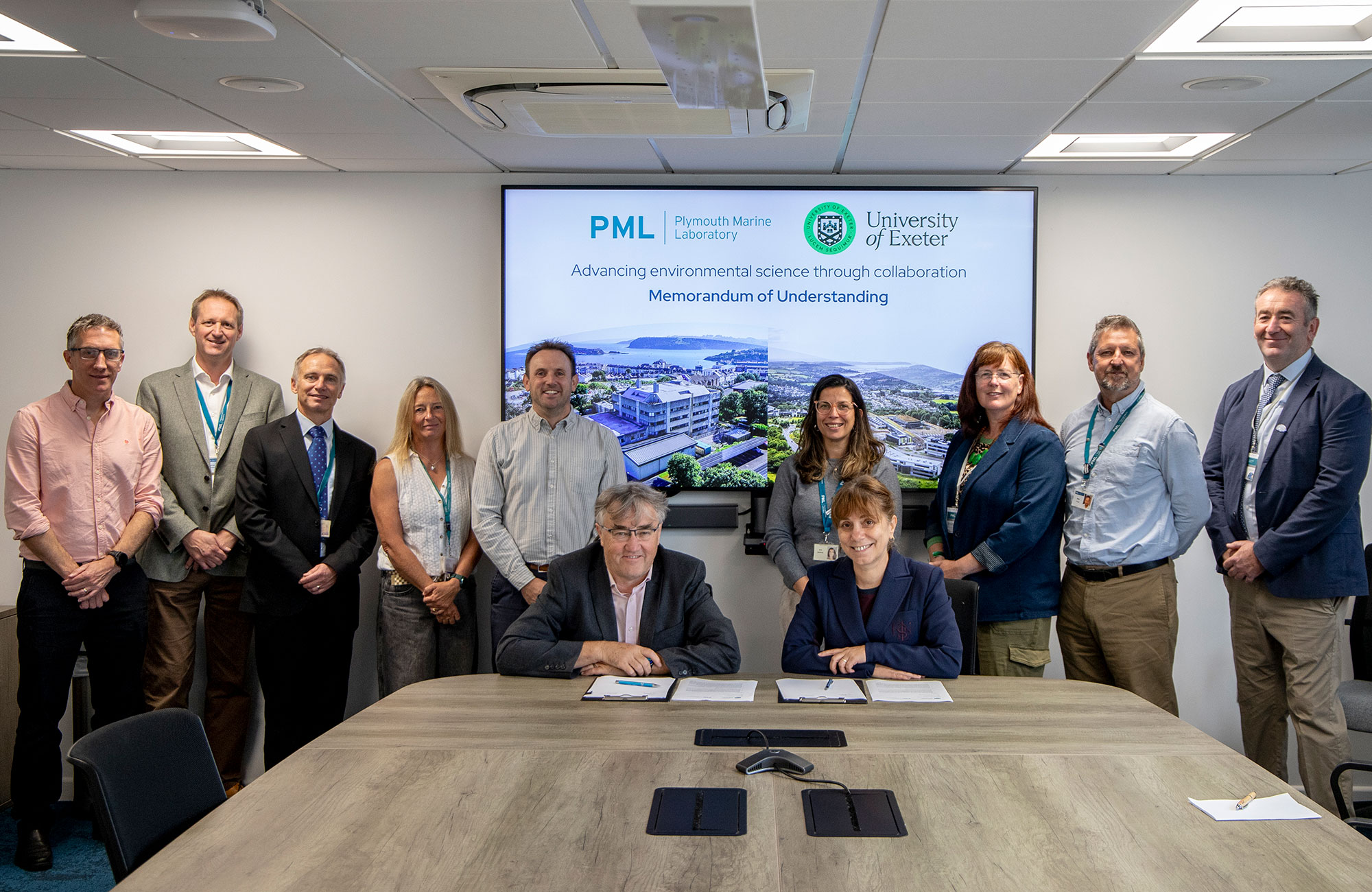 Marine collaboration strengthened in boost to South West region
Two of the South West’s leading organisations for marine research and education have signed a new Memorandum of Understanding (MoU), reflecting their shared commitment to addressing the key issues facing the sustainable future of oceans.
-
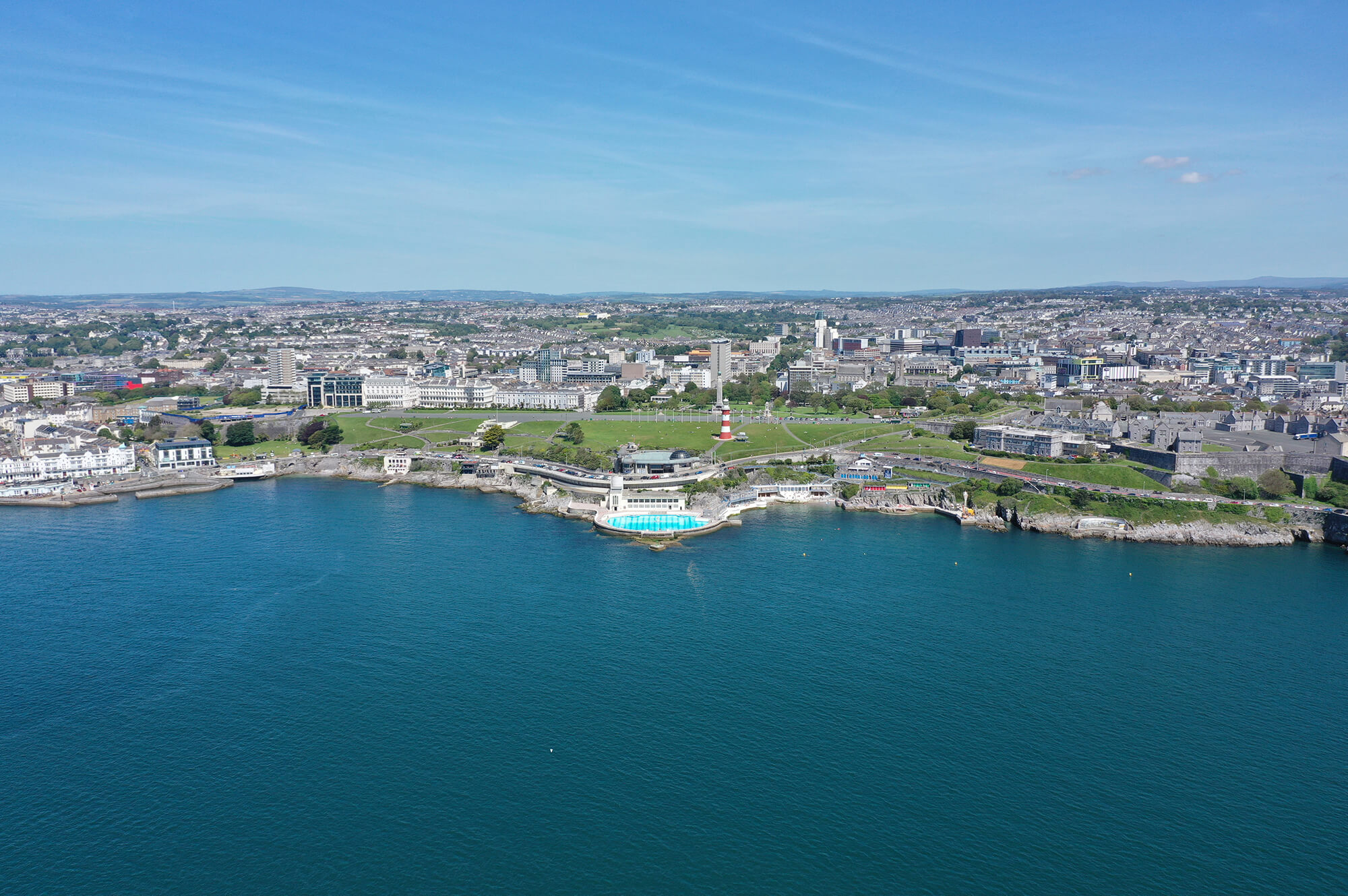 Plymouth to host 8th ‘Advances in Marine Ecosystem Modelling Research (AMEMR)’ conference in 2027
We are delighted to announce that the 8th Advances in Marine Ecosystem Modelling Research (AMEMR) conference, organised by Plymouth Marine Laboratory (PML), will be held at the University of Plymouth on the 5th-8th July 2027.
-
 Major UN climate report examines pathways to limit global warming overshoot
PML visiting Fellow Dr Elvira Poloczanska is among the contributors