Category
Air-sea gas exchange
Science topics & groups

Science group
Air-sea gas exchange
Ocean-atmosphere exchange has profound implications for the environment and the Earth’s climate.
Read moreRelated Projects
-
 Closing the budget in marine atmospheric Oxidative Capacity through the quantification of Oceanic VOC emissions (COCO-VOC)Roughly half of the oxidation of methane (a key greenhouse gas) and non-methane volatile organic compounds (VOCs) occurs over the oceans via reactions with the hydroxyl radical (OH). Some of these reactions lead to secondary organic aerosols (SOA), which are important for cloud formation, and ozone,...
 -
 SCIPPER: Shipping Contributions to Inland Pollution Push for the Enforcement of RegulationsThe SCIPPER project deploys state-of-the-art and next-generation measurement techniques to monitor emissions of vessels under normal operation.
 -
 Detection and Attribution of Regional greenhouse gas Emissions in the UKDARE-UK is developing systems to estimate greenhouse gas emissions to improve the accuracy of the UK’s greenhouse gas emissions inventory reports.
 -
 Atlantic Meridional Transect Ocean Flux from Satellite Campaign (AMT4OceanSatFlux)The AMT4OceanSatFlux project will measure the flux of carbon dioxide (CO2) between the atmosphere and the ocean utilising a state-of-the-art eddy covariance technique along the length of the Atlantic Ocean on board the 28th Atlantic Meridional Transect (AMT) cruise. These measurements will be then u...
 -
 Atmospheric Composition and Radiative forcing changes due to UN International Ship Emissions regulations (ACRUISE)Ship emissions are significant sources of polluting aerosols in coastal regions, causing hundreds of thousands of premature deaths per year globally. To address this, in 2015 the International Maritime Organization (IMO) ordered a reduction in the maximum ship sulphur emissions in coastal Sulphur Em...
 -
 Pathways and emissions of climate-relevant trace gases in a changing Arctic Ocean (PETRA)The Arctic Ocean is a rapidly changing environment, with rising temperatures leading to an ongoing decline in sea ice and shifting conditions for marine life. Despite the presence of important and complex ecosystems in Arctic waters, there are knowledge gaps in how the Arctic Ocean and its inhabitan...
Related News
14 August 2026
As Arctic sea ice melts, it can produce clouds that can reduce warming – but what happens next for the climate?
A new study provides the first real-world evidence of how melting sea ice can boost cloud-seeding particles in the Arctic. But whether more clouds could help cool the region – or trap heat – remains uncertain.
-
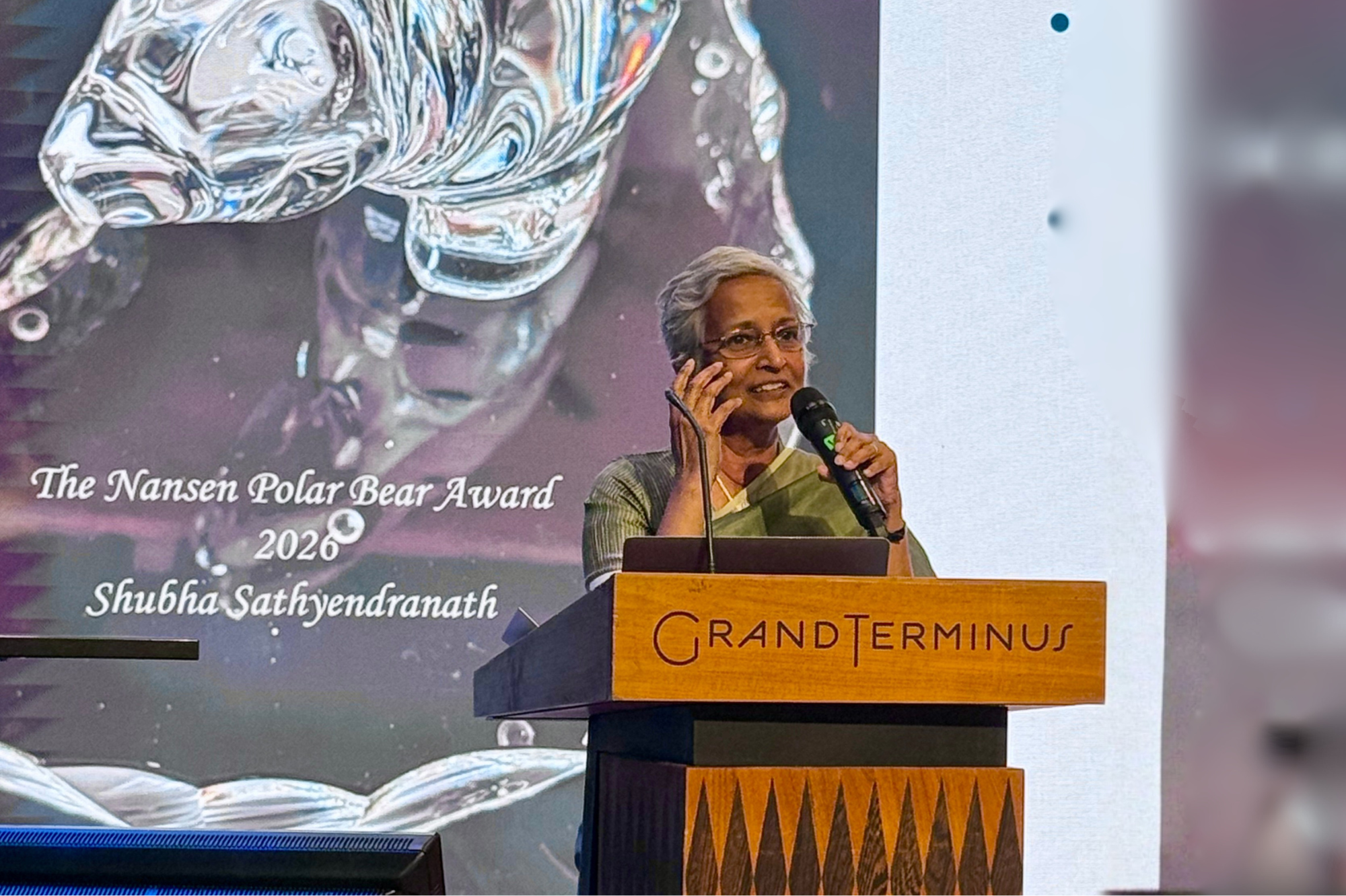 PML’s Professor Shubha Sathyendranath MBE awarded prestigious Nansen Polar Bear Award
A legacy of marine science: PML’s
-
 MEDIA: PML’s research on ‘Mighty mangroves’ in Asia Research News 2026
Plymouth Marine Laboratory’s research on mangrove ecosystems has been featured in Asia Research News 2026, highlighting ongoing collaborations between the UK and Malaysia.
-
 From Plymouth to Brazil: PML researchers join global SOLAS Summer School!
Early career scientists from PML joined a global cohort in Brazil to build skills, collaborations and knowledge to tackle climate challenges.
-
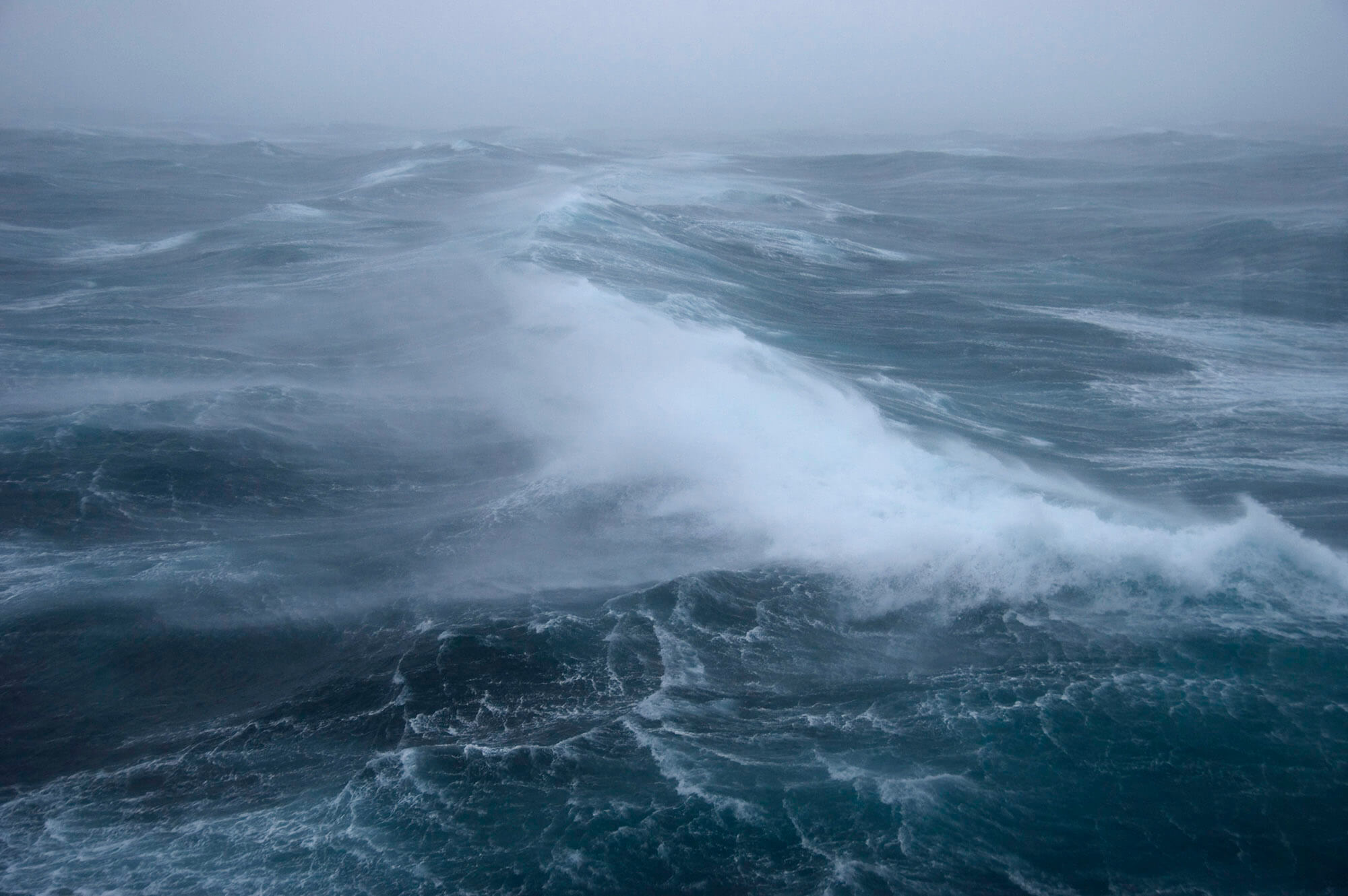 “Major blind spot” in ocean carbon research could undermine global climate predictions
A new international report coordinated by the Intergovernmental Oceanographic Commission of UNESCO highlights a critical gap in understanding how the ocean absorbs and stores carbon – a “blind spot” that could significantly undermine global climate predi...