Category
Ocean acidification
Science topics & groups
Science group
Ocean acidification
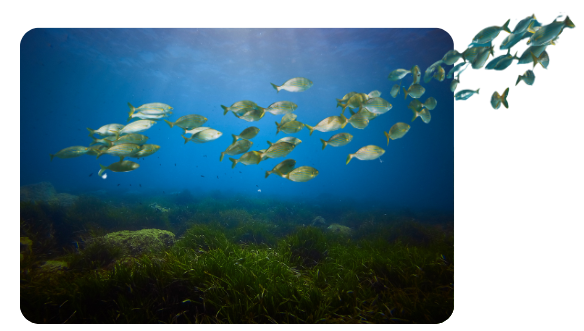
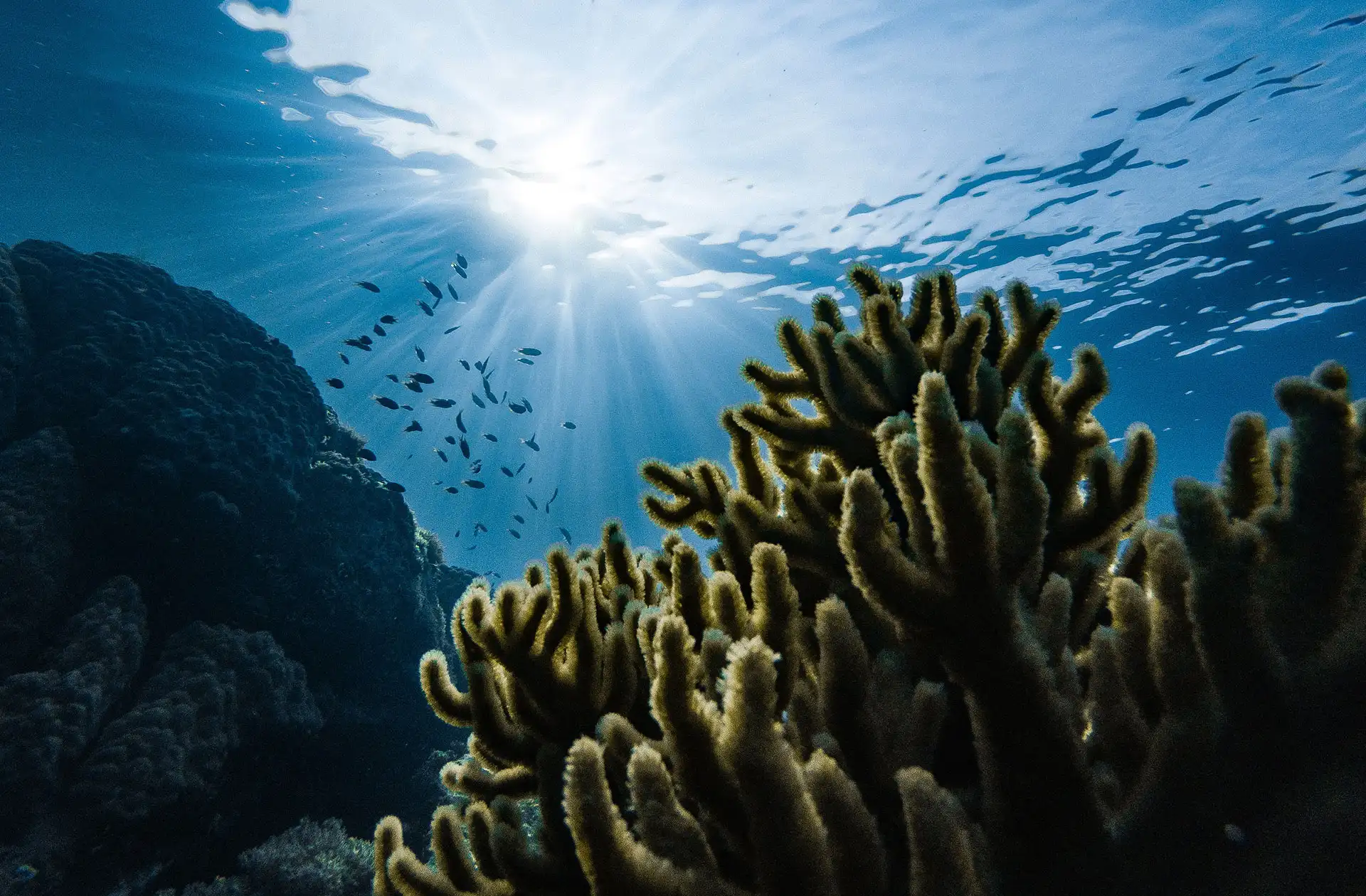
The term ocean acidification is used to describe the ongoing decrease in ocean pH caused by human CO2 emissions, such as the burning of fossil fuels. This is having an adverse effect on many important marine species such as corals, oysters, crabs and plankton. Due to the unprecedented rate of acidif...
Read moreRelated Projects
-
 COMFORT: Our common future ocean in the Earth system – quantifying coupled cycles of carbon, oxygen, and nutrients for determining and achieving safe operating spaces with respect to tipping pointsCOMFORT will identify tipping point in future marine ecosystems induced by climate change and the associated multiple stressors. The impact of these tipping points on ecosystems will then be assessed and the safe operating space to avoid them identified.
 -
 Mission AtlanticMission Atlantic is the first ever initiative to develop and systematically apply Integrated Ecosystem Assessments (IEAs) at the Atlantic basin scale.
 -

-
 Coral Communities: Building Socio-Ecological Resilience to Coral Reef Degradation in the Islands of the Western Indian Ocean.Improving the resilience of communities and coral reefs to changes anticipated as a result of climate change is an issue of huge global importance. Hundreds of millions of people rely on coral reefs to provide essential services such as food and coastal protection. These ecosystems also contribute s...
 -
 Western Channel Observatory (WCO)The Western Channel Observatory (WCO) is an oceanographic time-series and marine biodiversity reference site in the Western English Channel. In-situ measurements are undertaken weekly at coastal station L4 and fortnightly at open shelf station E1 using our research vessels and that of the Marine Bio...
Related News
21 September 2026
7 out of 9 Planetary Boundaries breached: PML joins calls for UN security briefing
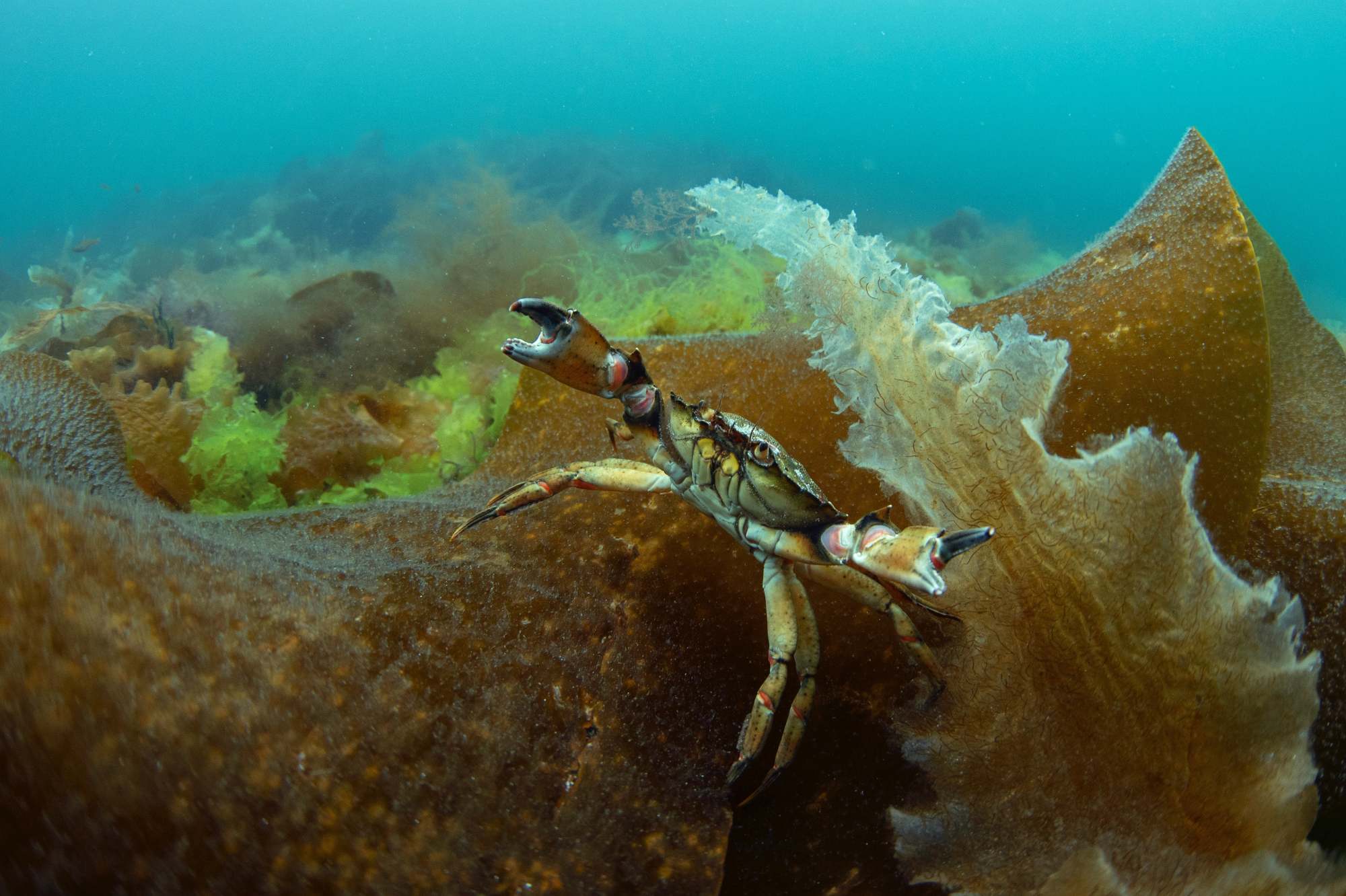
With seven out of nine Planetary Boundaries now crossed, “now is the time to act” urges PML’s Professor Helen Findlay, who today joined international scientists and organisations calling for an annual UN security briefing.
-
 Scientists urge caution on Marine Carbon Dioxide Removal as pressure to limit global warming intensifies
Emissions reductions remain the priority as highlighte...
-
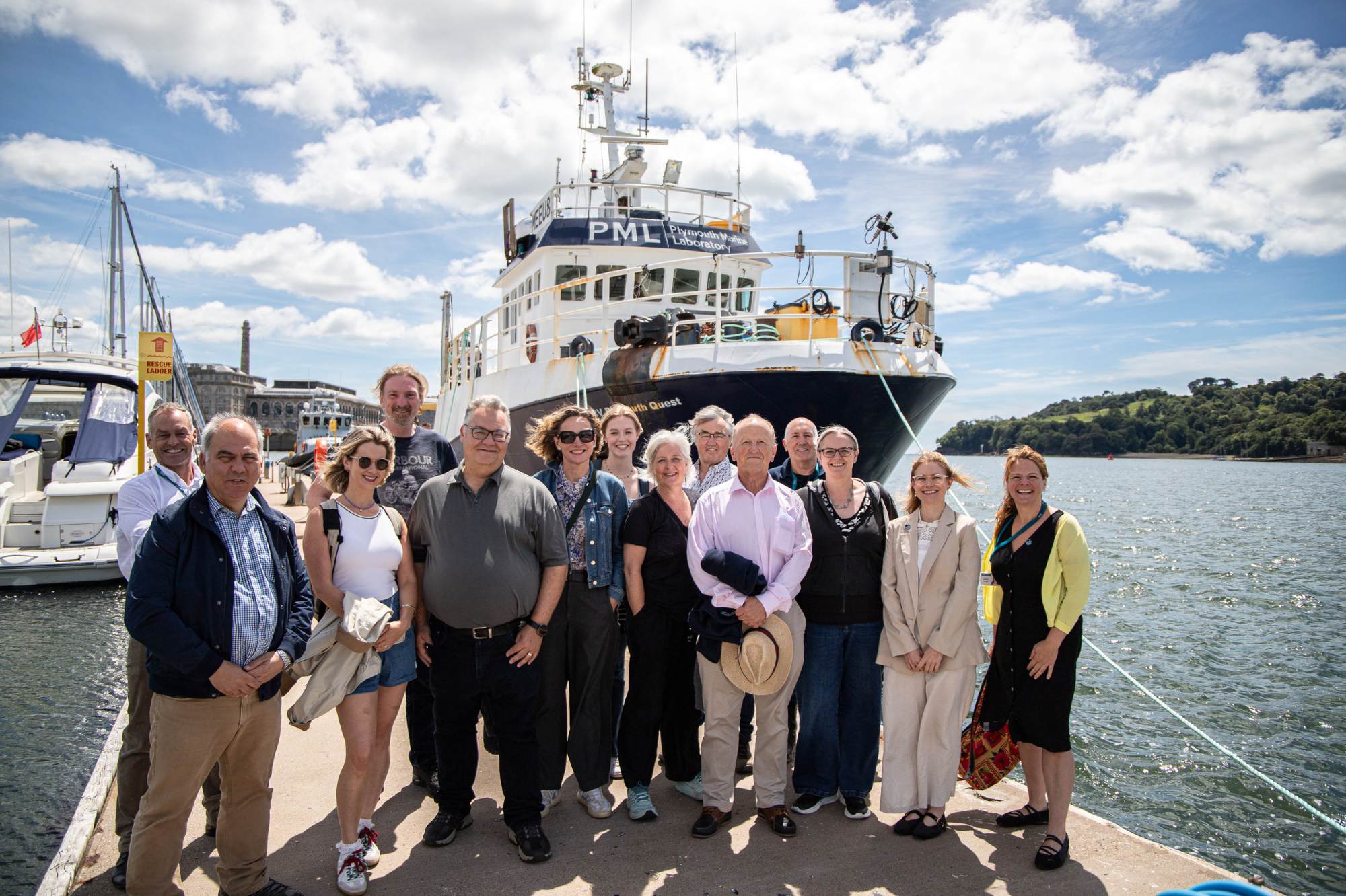 Parliamentarians take to our lab – and the seas – to discover how ocean research supports environmental decision-making
Yesterday, a group of cross-party UK parliamentarians joined us in the laboratory and set sail aboard
-
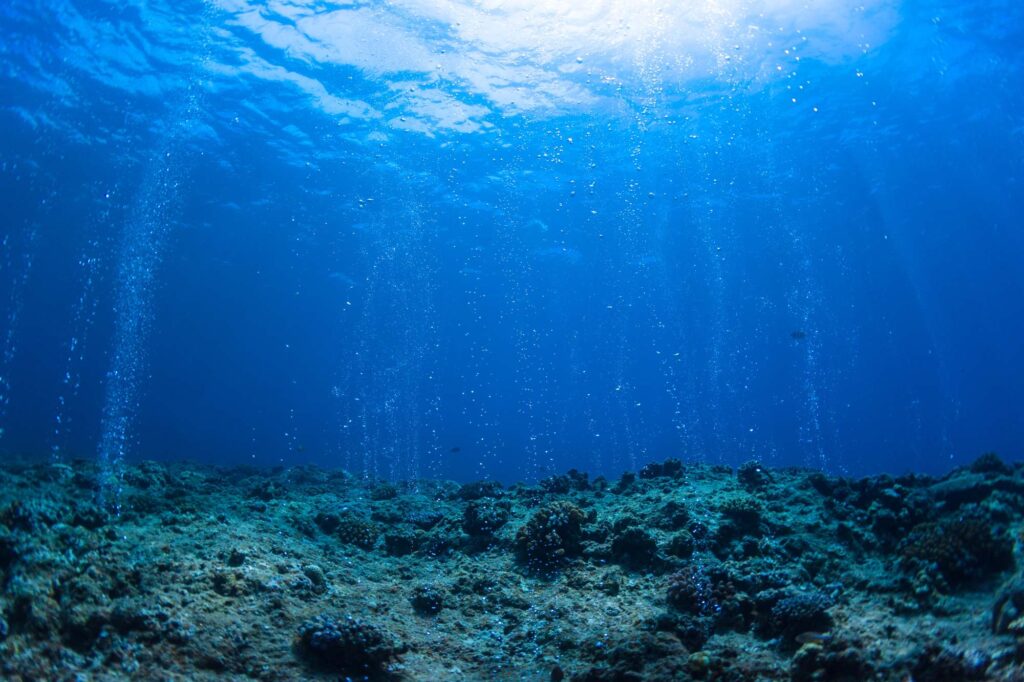 PML backs call for safeguards on emerging ocean carbon removal technologies
Plymouth Marine Laboratory (PML) has joined international organisations in backing a new joint statement calling for robust governance, transparency, and public participation and trust in the development of engineered marine carbon dioxide removal (mCDR) approaches....
-
 PML’s Prof. Helen Findlay shortlisted as the UK’s National Champion for the US$1 million Frontiers Planet Prize to tackle planetary crisis
The Frontiers Planet Prize named 25 National Champions in 2026, honouring scientists from around the globe that are presenting scalable, evidence-based solutions to help humanity live within Earth’s planetary boundaries...