Story | 08 June 2026
Can Marine Protected Areas withstand climate change?
As the world marks World Ocean Day 2026 under the theme ‘Strong Marine Protected Areas for Our Blue Planet’, PML’s Dr Liz Talbot explains exactly how we can strengthen marine protection and conservation in a changing climate.
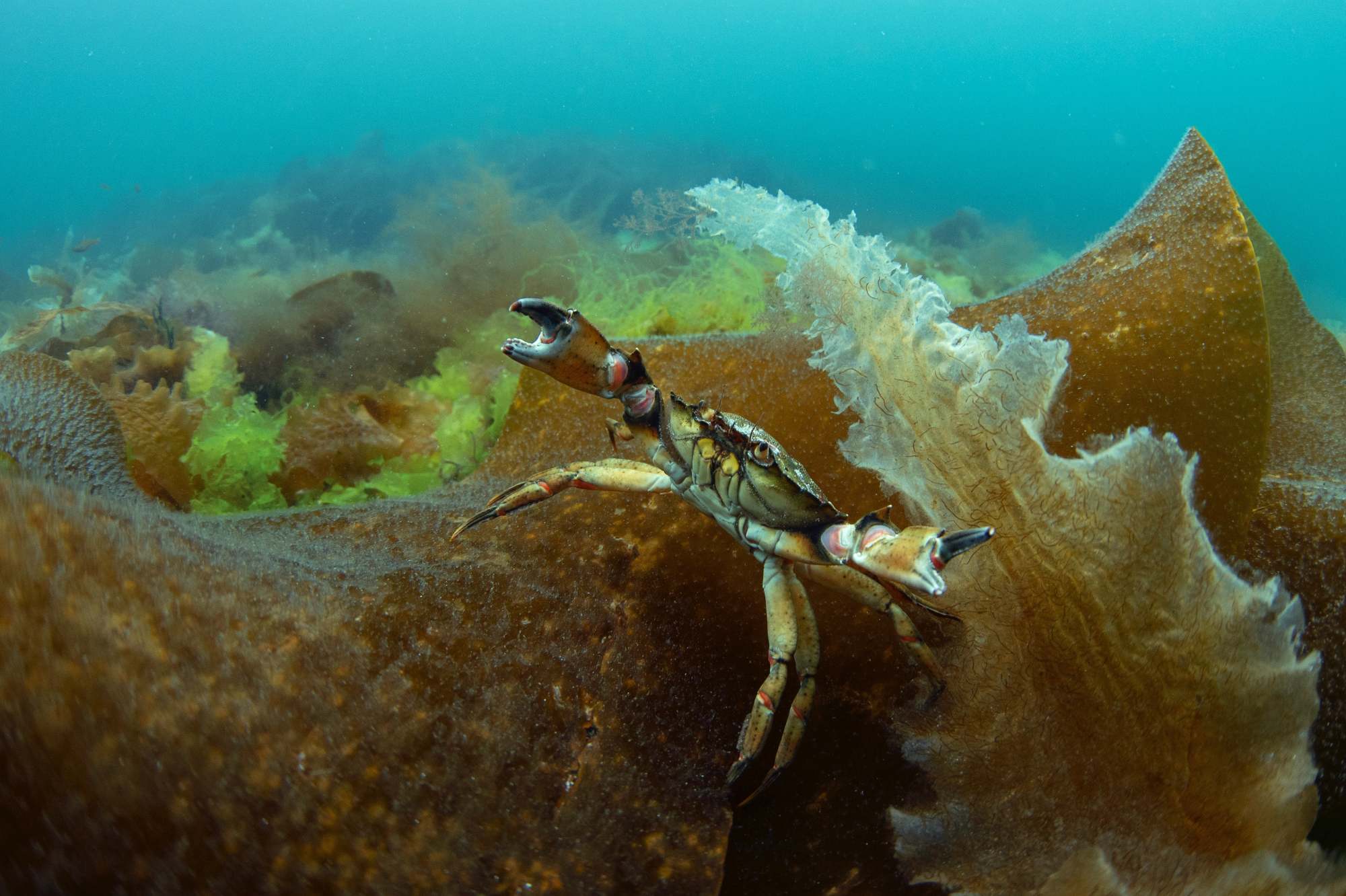
The theme marks a global call to strengthen ocean protection and deliver on international commitments to protect at least 30% of the world’s lands, waters and ocean by 2030 (30×30).
While the UK has already designated around 38% of its waters as Marine Protected Areas (MPAs), ensuring these areas are actually well-protected and remain effective in the face of climate change presents a growing challenge.
In this new video, PML’s Dr Liz Talbot explains why climate change is forcing a rethink of how marine protected areas are managed and how ASPACE can help policymakers, conservation organisations and marine planners make more informed, climate-smart decisions.
Dr Talbot introduces ASPACE: a new, free tool to support real marine protection
ASPACE is free to use and includes step-by-step guidance designed for non-technical users. Development is already secured until at least 2030.
By providing evidence-based insights into future climate impacts, the research aims to support those who depend on the marine environment, while helping to ensure that the habitats and species people value today can continue to thrive in the future.
ASPACE (Assisted Planning Addressing Climate Effects) is a free, web-based decision-support tool developed by Plymouth Marine Laboratory (PML), in partnership with the University of Valencia, University of Essex, the University of York, and the Joint Nature Conservation Committee (JNCC), as well as key end-users around Europe.
The tool, which will support ‘climate-smart’ ocean management, combines three key types of evidence into one interactive platform:
- Ocean climate modelling analysis showing in which marine and coastal areas nature and human activities are most likely to thrive, despite climate change
- Input-output economic modelling calculating the effects of spatial decisions on the wider blue economies within these areas
- Stakeholder value assessments reflecting what attributes of marine space are most important to marine stakeholders and how different spatial decisions align with these.
For the first time, those investing in nature, growing marine sectors, marine planning or conservation will be able to create, visualise and compare alternative spatial management scenarios to reduce climate risks from spatial management decisions and balance nature, economy and societal needs.
The tool, whilst initially developed for the UK, already includes datasets for Europe, Western Indian Ocean and SE Asia, and will soon include global data.
ASPACE is being released in its first version as a free, web-based tool designed to grow capacity for evidence-based management of marine and coastal waters that will be effective into the future.
It builds on four years of co-created research and collaboration with practitioners from across the UK, the EU and beyond.
Professor Ana Queirós, ASPACE lead, Climate Change Lead at Plymouth Marine Laboratory and an internationally-recognised expert in climate-resilient ocean spatial management, said:
“We are at a crossroads at which we need to decide now what future we want for our ocean and our planet. Climate change is impacting all aspects of our natural world and our relationship with it, be it ecological, economic, cultural.”
“Building on 4 years of development – and over a decade of experience helping marine stakeholders and communities prepare for the future – ASPACE is a critical first step to ensure that the future of our ocean, and that of the communities that depend upon it, is a sustainable one. This matters as much in our coasts and seas, as in Areas Beyond National Jurisdiction.”
“ASPACE products are already being used to support decisions by the Crown Estate and governmental departments in the UK, from local to national scale, and we are now starting to deploy it in Europe. With ASPACE now publicly available, and as the ASPACE community grows, this capacity will become available globally. This will be key to ensure everyone has access to the tools needed to deliver evidence-based, sustainable ocean into the future.”
ASPACE has been further supported by NERC: Natural Environment Research Council, INSITE NORTH SEA, Horizon Europe and AXA Investment Managers.