Category
Biodiversity Loss
Science topics & groups
Science group
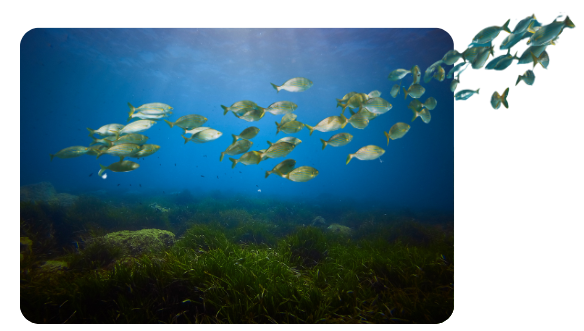
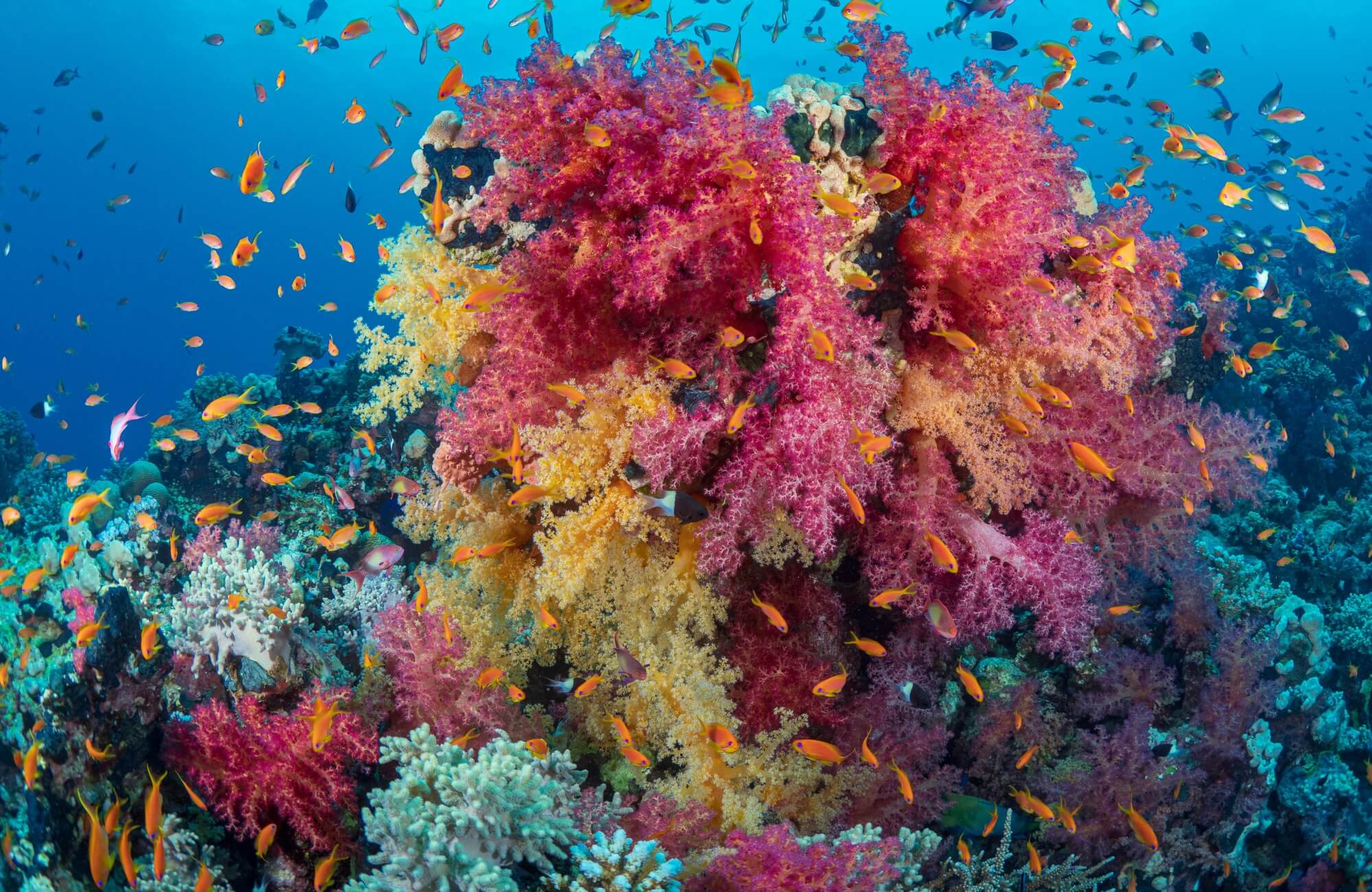
Biodiversity
Our vision is for the restoration of diverse and productive ecosystems that are maintained and managed sustainably.
Read more
Science group
eDNA
At Plymouth Marine Laboratory, we are at the forefront of cutting-edge biomolecular science, using environmental DNA (eDNA) analysis and advanced molecular approaches to reveal a clearer, more holistic picture of life in our oceans. From identifying the species present to understanding how they resp...
Read more
Science group
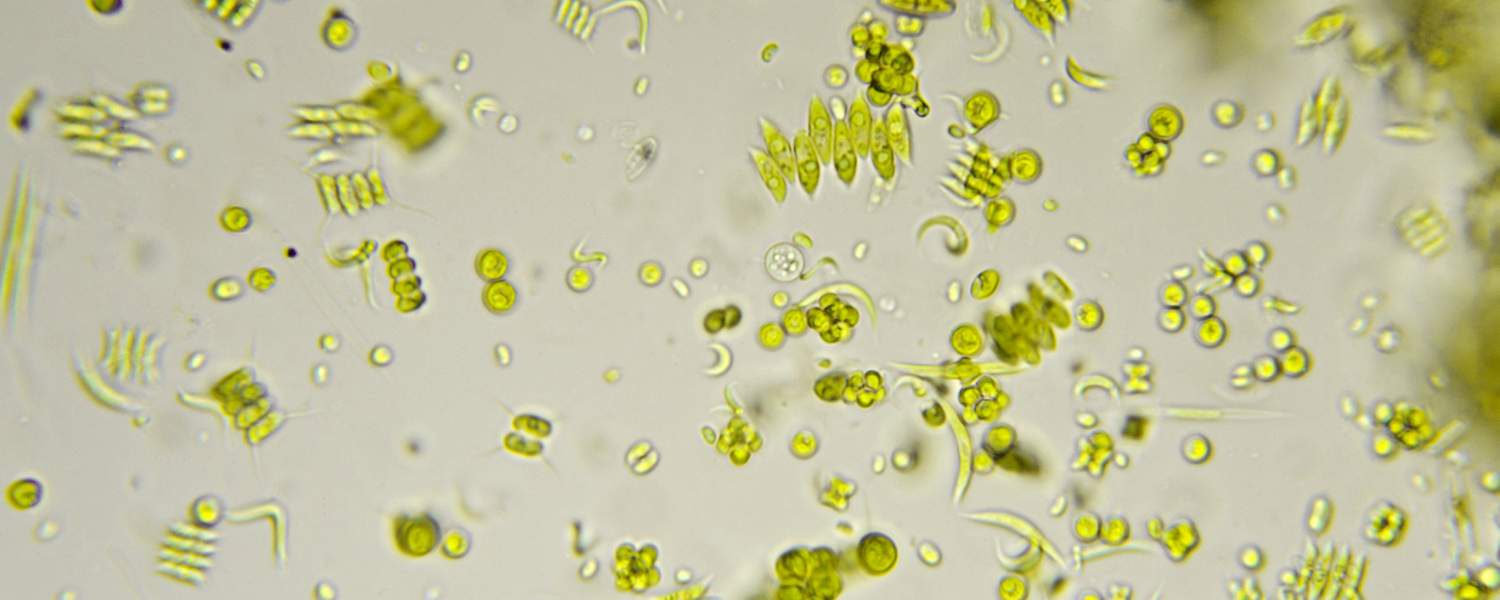
Plankton
Plankton support the majority of marine ecosystems and the human communities that depend on these ecosystems. Through primary production, phytoplankton fix carbon to provide food, and generate oxygen, for higher trophic levels. Plankton both affect our climate and are affected by it. Understanding t...
Read moreRelated Projects
-
 Aquatic Pollution from Light and Anthropogenic Noise: Management of Impacts on Biodiversity (AquaPLAN)AquaPLAN is a four-year EU Horizon Europe project quantifying the combined impacts of artificial light at night (ALAN) and anthropogenic noise on aquatic biodiversity across Europe’s freshwater, estuarine, coastal and offshore environments. PML contributes expertise in physical and social mari...
 -
 PlanktoSpaceThe PlanktoSpace project is an ESA‑supported initiative that aims to transform our ability to monitor ocean life from space by linking satellite observations with detailed measurements of plankton biodiversity.
 -
 Phytoplankton biomass and diversity Climate Change Initiative (PHYTO-CCI)The PHYTO‑CCI (Phytoplankton Biomass and Diversity Climate Change Initiative) project is part of the European Space Agency’s Climate Change Initiative (CCI) and focuses on advancing our understanding of the ocean’s biological carbon cycle using satellite observations.
 -
 Phytodiverse: Advancing Ocean Biodiversity Science from SpacePhytodiverse will advance the science of phytoplankton diversity algorithms for Essential Biodiversity Variables (EBV) and derived indicators from space. The project develop innovative techniques to combine ESA satellites (Sentinel-2 and Sentinel-3) with hyperspectral data from PACE to create enhanc...
 -
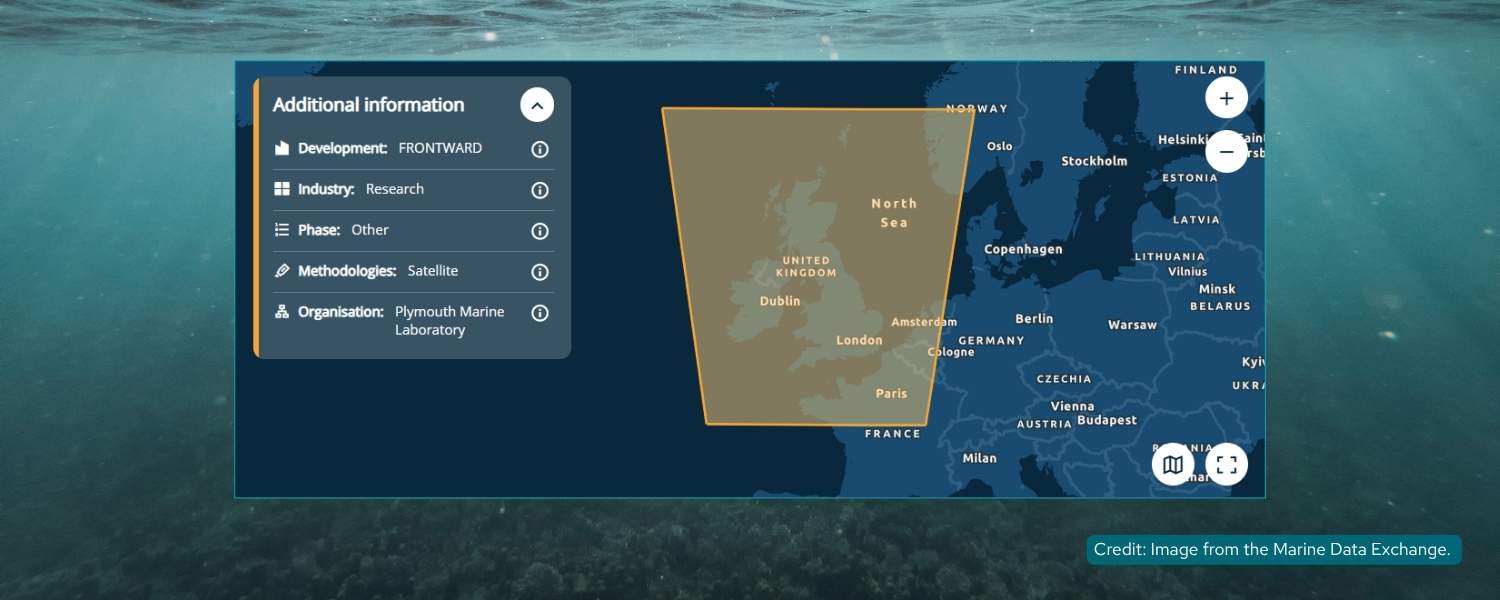 Fronts for Marine Wildlife Assessment for Renewable Developments (FRONTWARD)Fronts for Marine Wildlife Assessment for Renewable Developments (FRONTWARD) aims to enhance our understanding of the relationship between ocean fronts and biodiversity hotspots, and to evaluate how these data can be applied in the future planning of marine sectors, such as offshore renewables.
 -
 Tipping Points and Abrupt Changes in Marine Ecosystems (TIME)The Tipping points and abrupt changes In the Marine Ecosystem (TIME) project is developing new ways to identify early warning signs of major changes in marine ecosystems. By combining satellite observations, in situ measurements, and ecosystem models, TIME aims to improve our understanding of how ma...
Related News
08 October 2026
New paper highlights the ocean‘s role in uniting global environmental action
The article, co-authored by PML’s Office for International Affairs, presents scientific and policy rationales for positioning the ocean as a unifying agenda to advance major international environmental treaties.
-
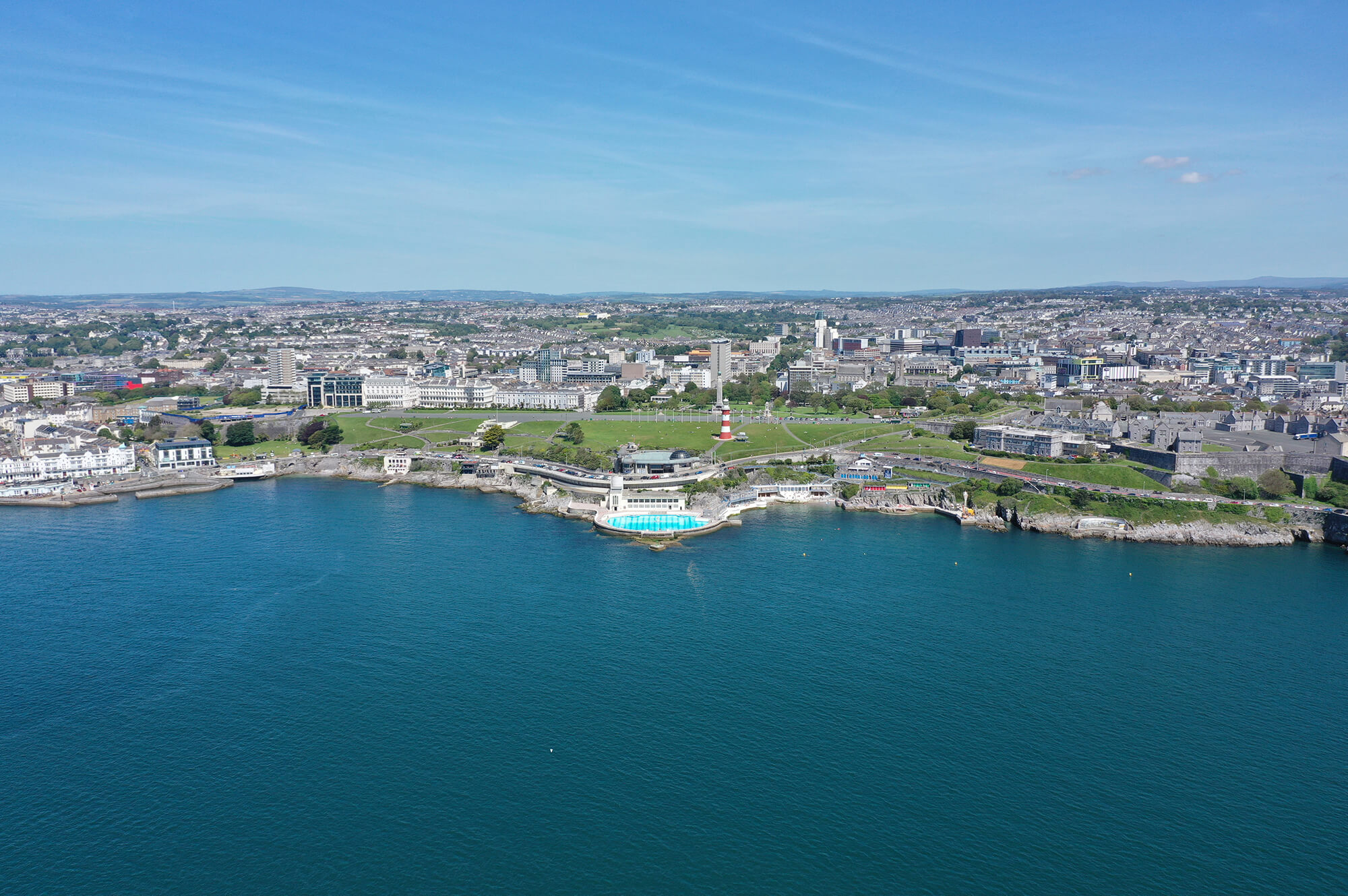 Plymouth to host 8th ‘Advances in Marine Ecosystem Modelling Research (AMEMR)’ conference in 2027
We are delighted to announce that the 8th Advances in Marine Ecosystem Modelling Research (AMEMR) conference, organised by Plymouth Marine Laboratory (PML), will be held at the University of Plymouth on the 5th-8th July 2027.
-
-
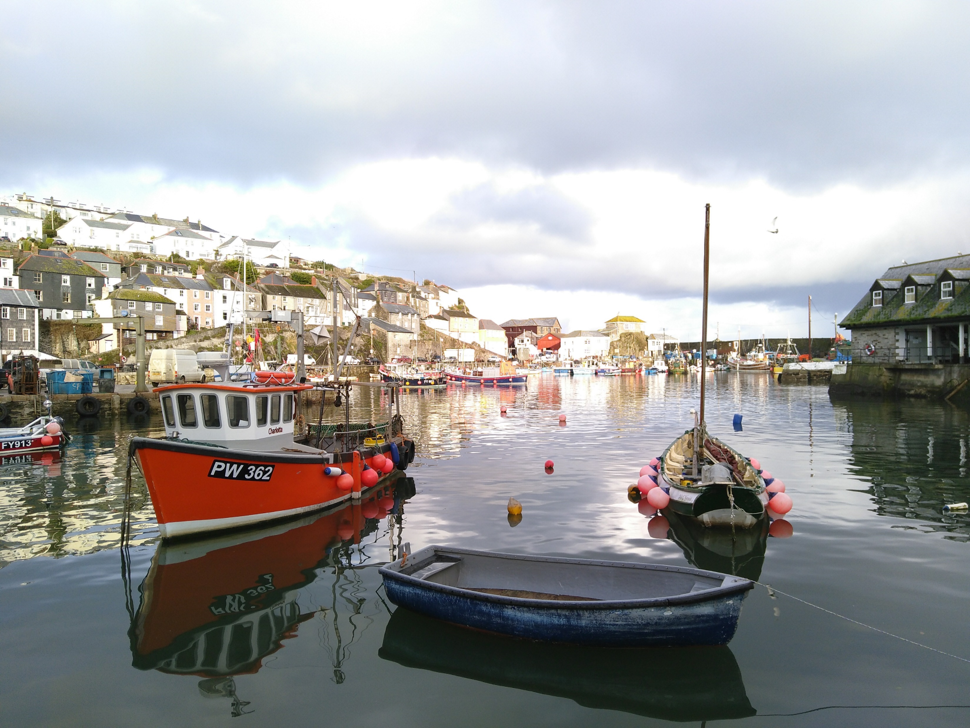 What’s in a label? New study examines whether seafood ecolabels can truly support sustainability in fishing
Can a seafood ecolabel really make fishing more sustainable? New research reveals what makes schemes work for fishers – and ultimately our ocean.
-
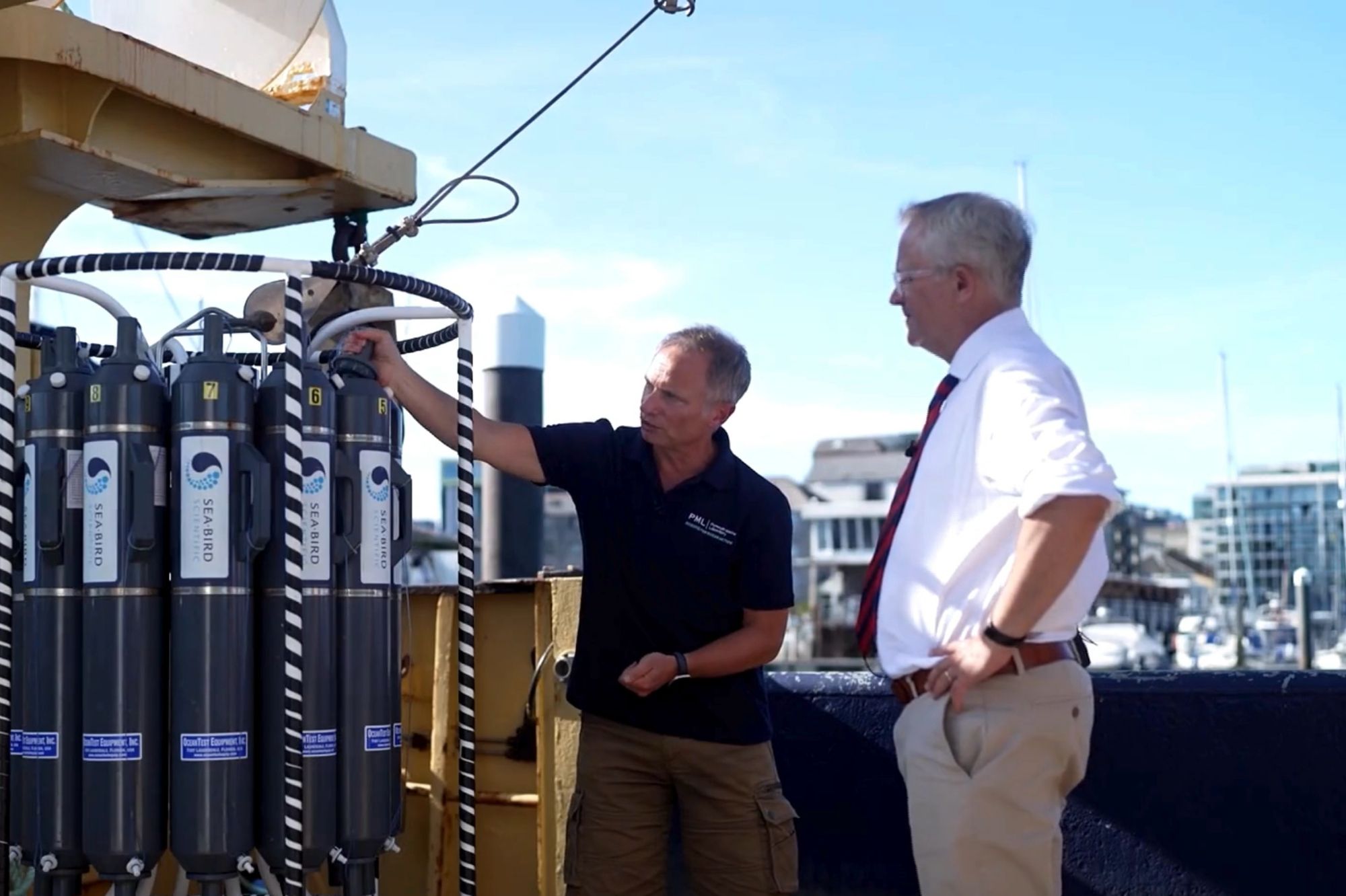 “Expect different” – PML’s Prof Tim Smyth on the effects of warming UK waters
PML’s Director of Science Professor Tim Smyth featured on Channel 5 News this week, speaking to Simon Vigar about the Mediterranean octopus thriving in warmer UK waters.