Category
Plankton
Science topics & groups
Science group
Biodiversity
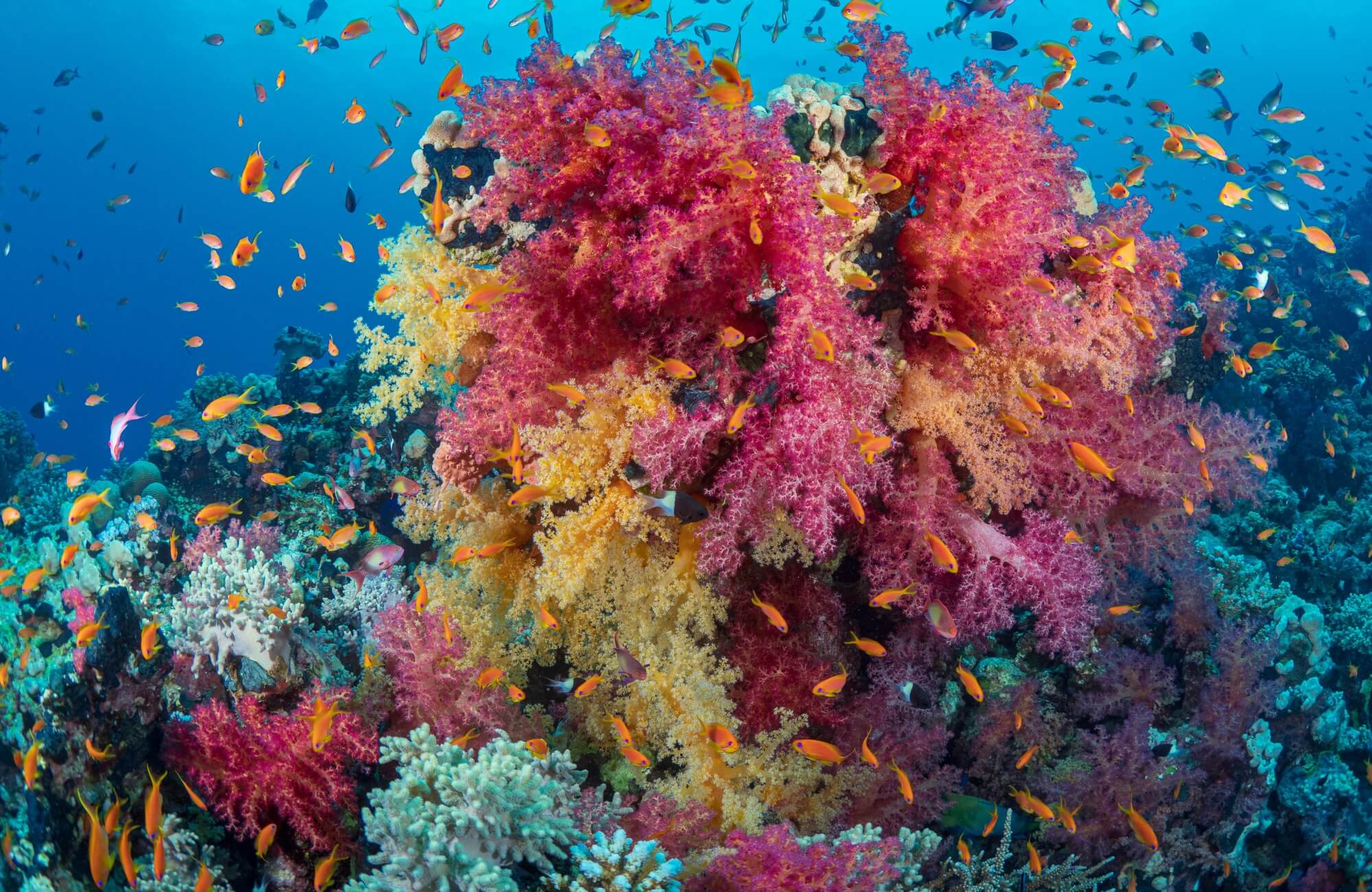
Our vision is for the restoration of diverse and productive ecosystems that are maintained and managed sustainably.
Read more
Science group
Plankton
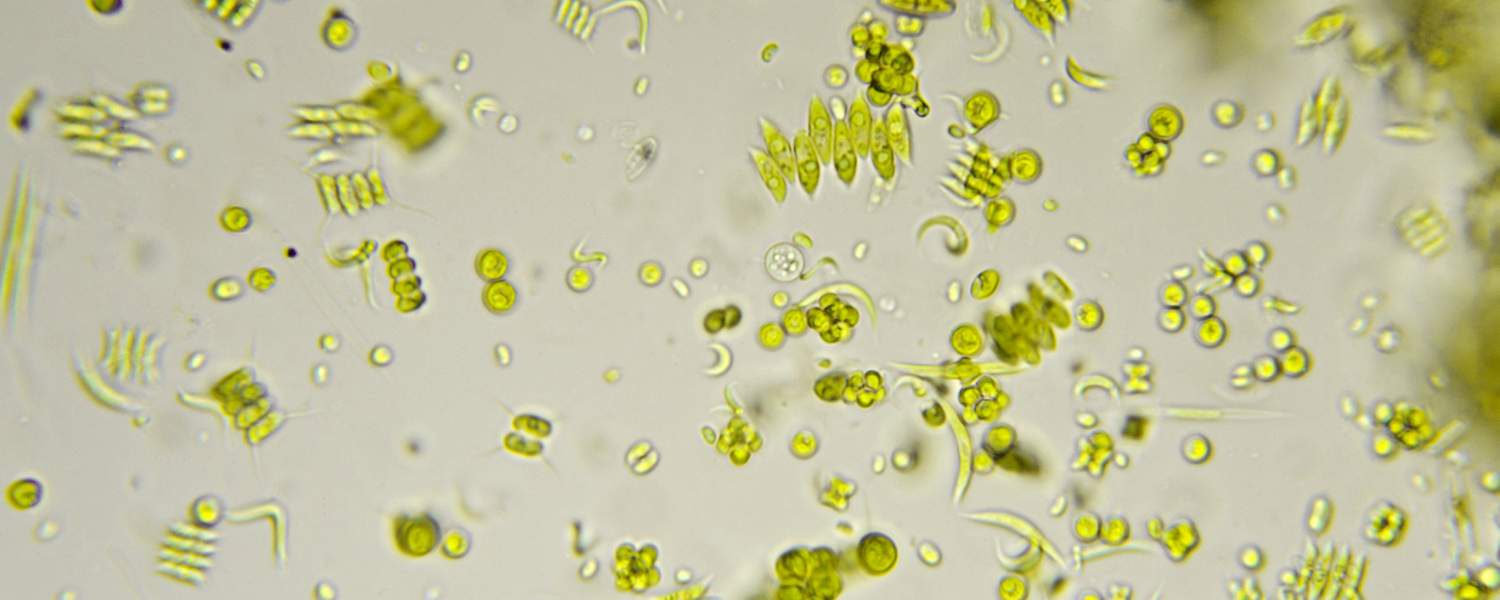
Plankton support the majority of marine ecosystems and the human communities that depend on these ecosystems. Through primary production, phytoplankton fix carbon to provide food, and generate oxygen, for higher trophic levels. Plankton both affect our climate and are affected by it. Understanding t...
Read moreRelated Projects
-
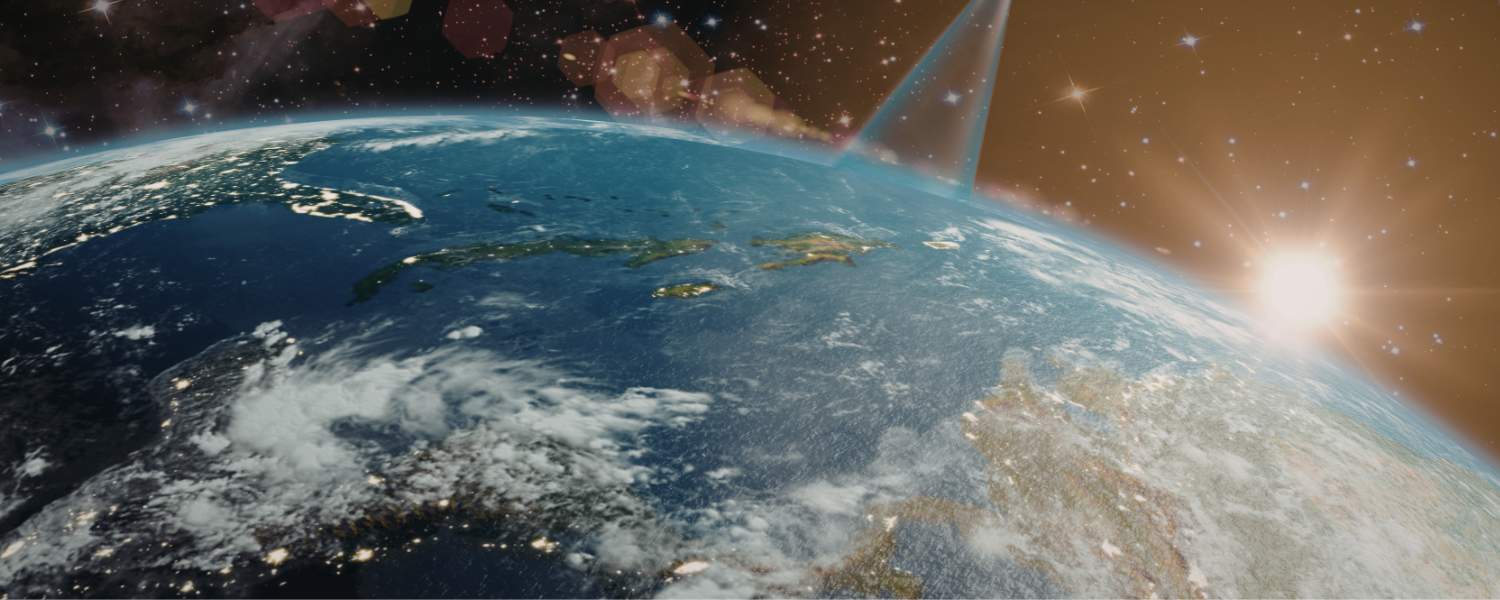 PlanktoSpaceThe PlanktoSpace project is an ESA‑supported initiative that aims to transform our ability to monitor ocean life from space by linking satellite observations with detailed measurements of plankton biodiversity.
 -
 Phytoplankton biomass and diversity Climate Change Initiative (PHYTO-CCI)The PHYTO‑CCI (Phytoplankton Biomass and Diversity Climate Change Initiative) project is part of the European Space Agency’s Climate Change Initiative (CCI) and focuses on advancing our understanding of the ocean’s biological carbon cycle using satellite observations.
 -
 DEcentrAlised Learning for automated image analysis and biodiversity monitoring (DEAL)DEAL will create an application that allows owners of biological image data to participate in decentralised, collaborative networks, where they can leverage the data and expertise of all participants to obtain better, higher efficacy classification results for their data.
 -
 Coccolithophore controls on ocean alkalinity (CHALKY)The CHALKY project aims to determine how coccolithophore calcium carbonate production, recycling and export from the surface ocean affects air-sea CO2 fluxes and the ocean’s carbon sink, and how this may change in a warming ocean.
 -
 Automated, in situ Plankton Imaging and Classification System (APICS)The Automated, in situ Plankton Imaging and Classification System (APICS) will radically improve the understanding of how environmental changes are affecting plankton, the microscopic organisms at the foundation of the marine food chain.
 -
 Quantifying the contribution of sympagic versus pelagic diatoms to Arctic food webs and biogeochemical fluxes (MOSAiC SYM-PEL)At the base of the Arctic food web, there are three major primary producers: small flagellates, diatoms living in open water (pelagic) and diatoms growing in sea ice (sympagic). The role of the sea ice diatoms is perceived differently across the research community. For ecologists they are central to...
Related News

05 October 2026
Plymouth to host 8th ‘Advances in Marine Ecosystem Modelling Research (AMEMR)’ conference in 2027
We are delighted to announce that the 8th Advances in Marine Ecosystem Modelling Research (AMEMR) conference, organised by Plymouth Marine Laboratory (PML), will be held at the University of Plymouth on the 5th-8th July 2027.
-
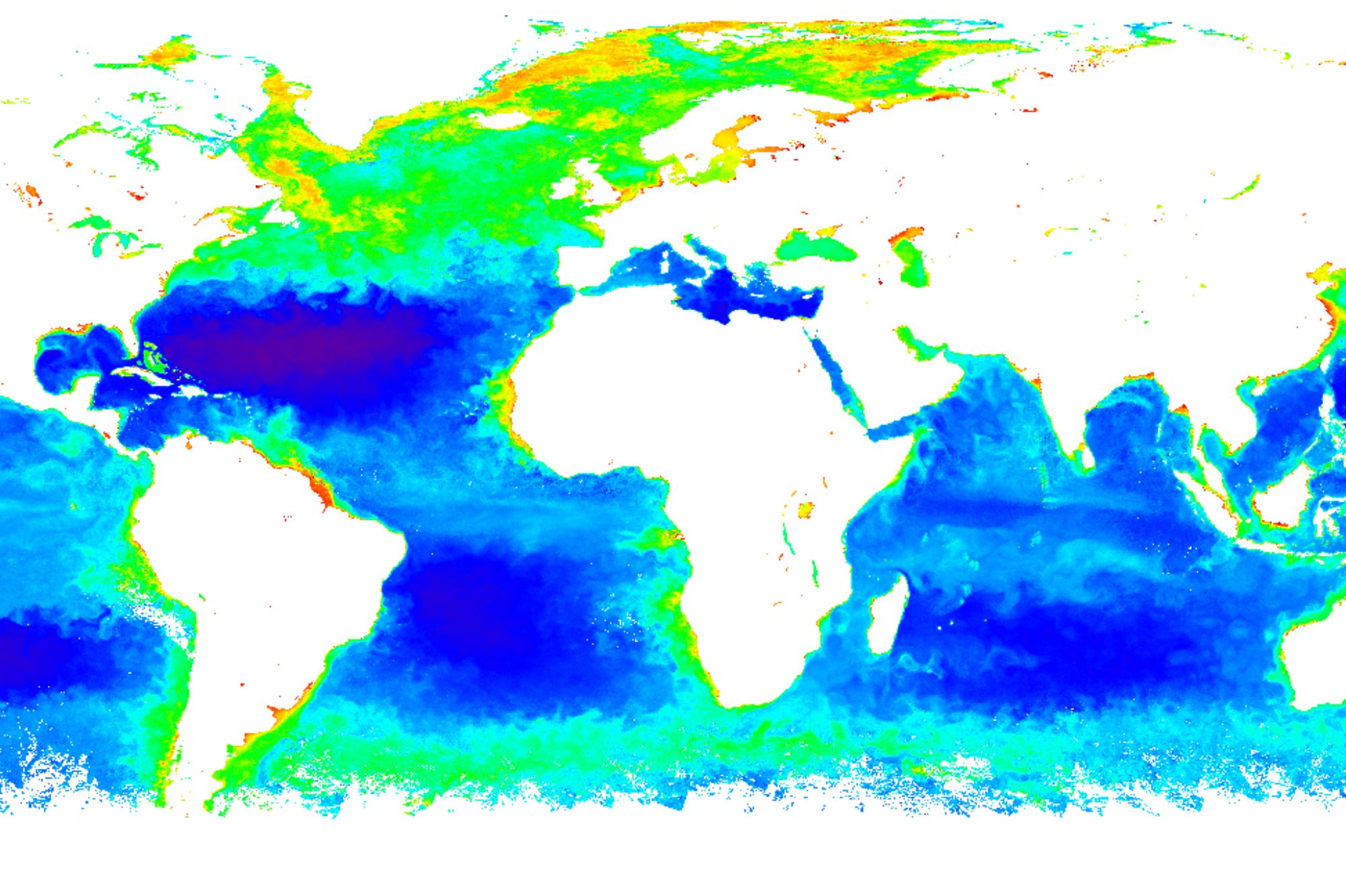 Satellites are helping scientists track changes in the health of the ocean – and a new study shows their precision is growing
Scientists at Plymouth Marine Laboratory (PML) have conducted the largest ever global assessment of the accuracy of
-
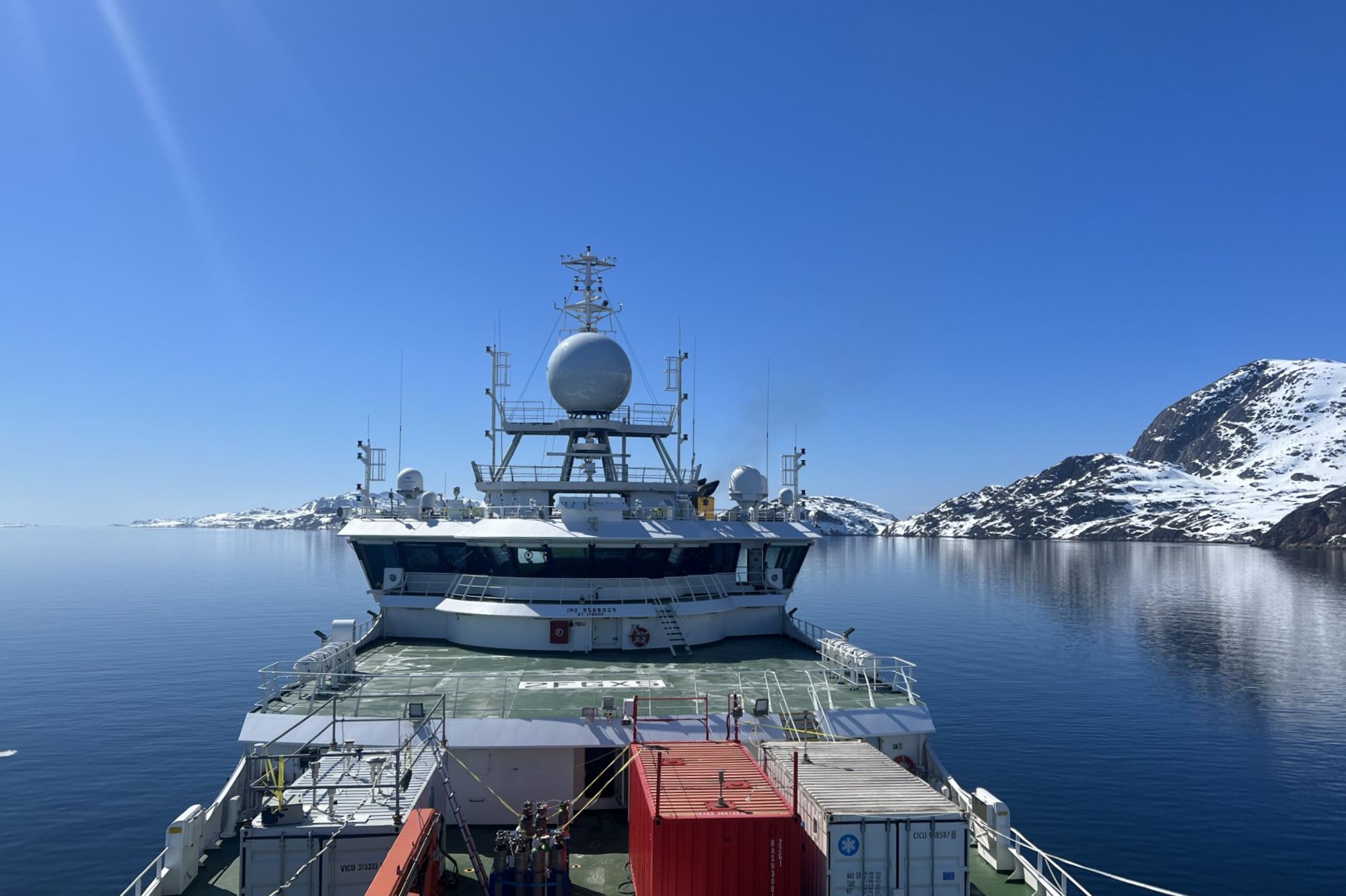 As Arctic sea ice melts, it can produce clouds that can reduce warming – but what happens next for the climate?
A new study provides the first real-world evidence of how melting sea ice can boost cloud-seeding particles in the Arctic. But whether more clouds could help cool the region – or trap heat – remains uncertain.
-
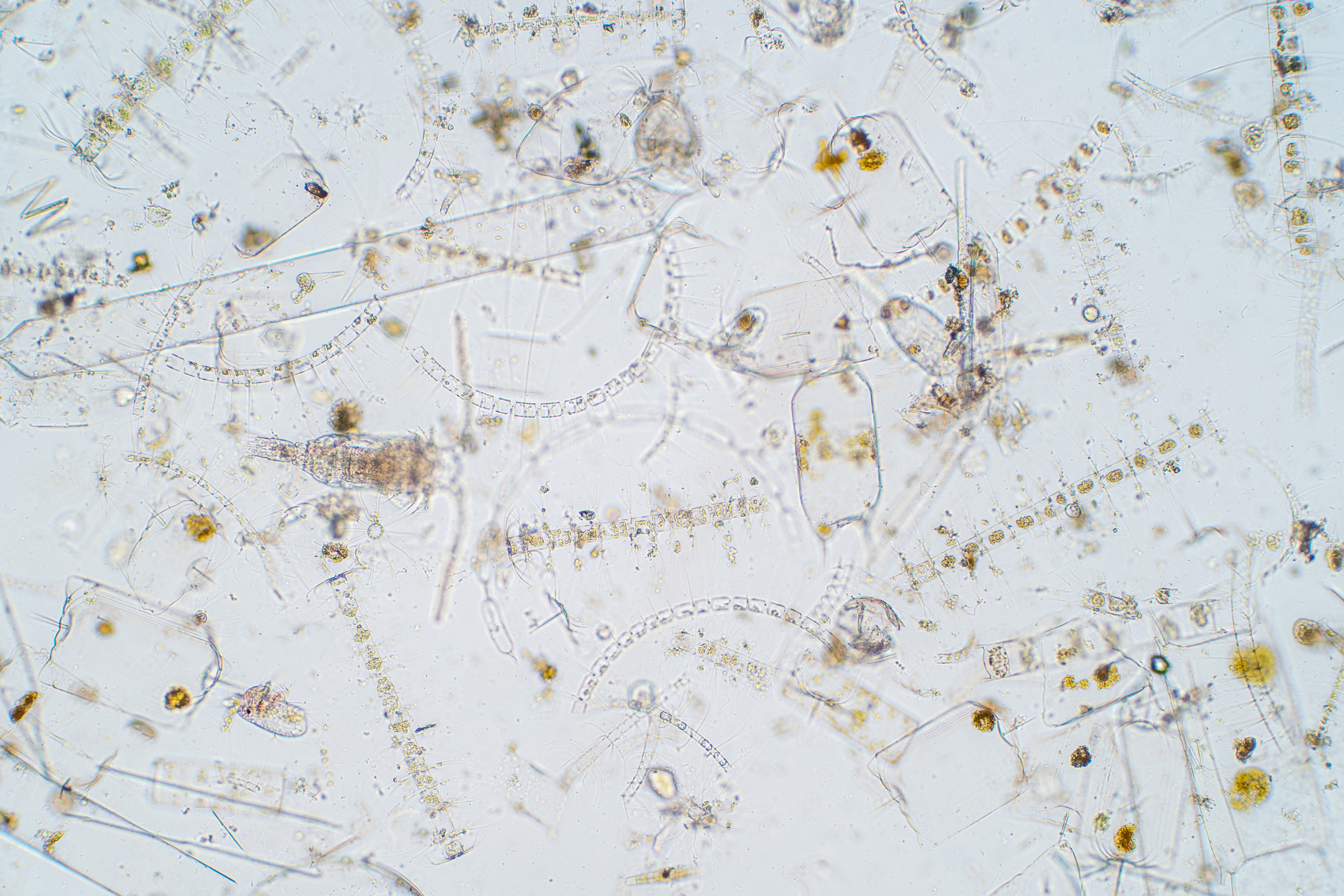 New report forecasts major impacts on the marine food web as sea temperatures rise and plankton shift
A new study from the UK’s Marine Climate Change Impacts Partnership (MCCIP) warns that continued warming of UK waters is likely causing major changes to the tiny drifting organisms that are the foundation of marine food webs – plankton.
-
 State of the South-West’s Seas 2025 report highlights warming waters and octopus boom
Marine heatwaves, rising sea temperatures and a boom in Common Octopus populations are among the standout findings in the newly published State of the South-West’s Seas 2025 report. Produced by the South-West Marine Ecosystems (SW...