Project
Tipping Points and Abrupt Changes in Marine Ecosystems (TIME)
The Tipping points and abrupt changes In the Marine Ecosystem (TIME) project is developing new ways to identify early warning signs of major changes in marine ecosystems. By combining satellite observations, in situ measurements, and ecosystem models, TIME aims to improve our understanding of how marine environments respond to climate change and other environmental pressures, and when they may be approaching critical tipping points.
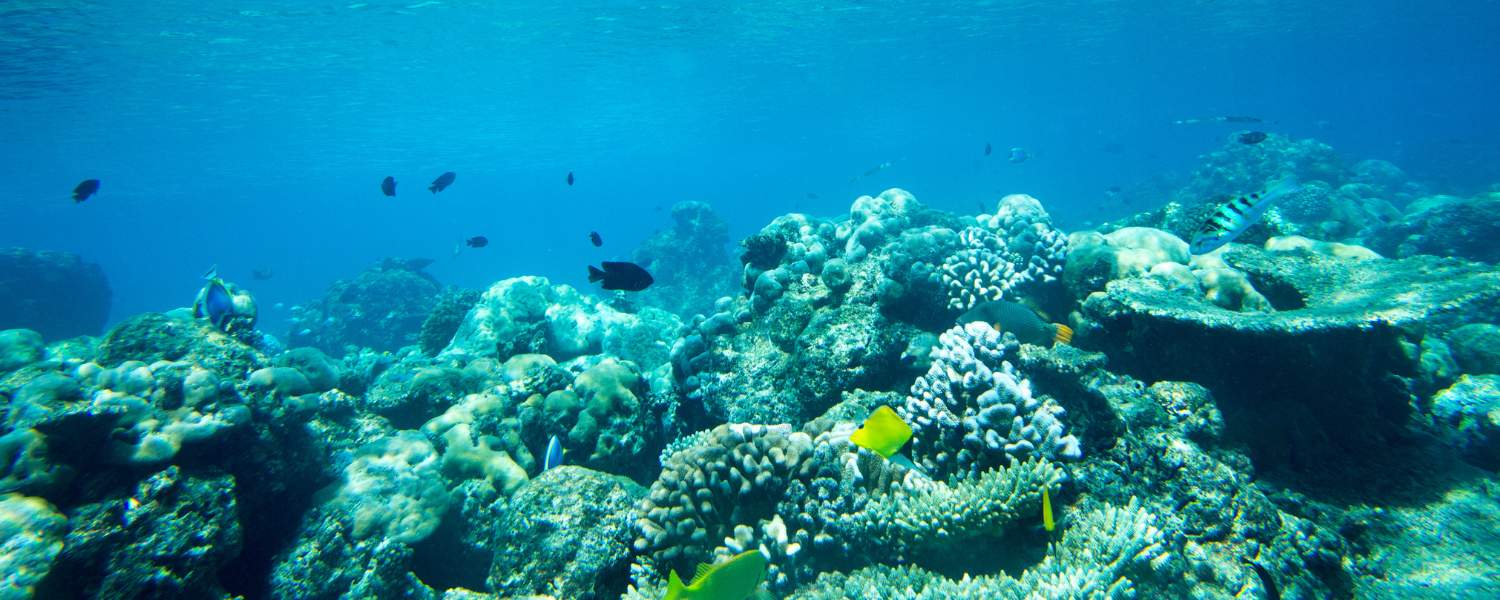
Bringing together experts in satellite technology, ecology, and climate science, the project will strengthen methods for assessing ecosystem resilience and detecting loss of resilience before abrupt changes occur. TIME focuses on eight key marine tipping elements, including phytoplankton communities, coral reefs, deep ocean circulation, and harmful algal blooms, to investigate vulnerabilities, feedback mechanisms, and ecosystem responses across regional and global scales.
The project will deliver a robust framework for monitoring marine tipping points, supporting climate risk assessments, informing future IPCC and IPBES reports, and helping policymakers and stakeholders better protect ocean ecosystems in a rapidly changing climate.
The TIME project addresses this gap by focusing specifically on marine ecosystems. It is structured around eight marine “tipping elements” that were carefully selected to:
Prioritise where satellite data can play a key and important role;
- Demonstrate significant progress over the duration of the project, i.e., three years;
- Highlight a variety of driving forces (from land, atmosphere and ocean) and a variety of ecosystem responses;
- Cover a range of applications from global to regional;
- Fill known existing gaps;
- Explore emerging vulnerabilities in the ecosystem; and
- Identify uncertainties and confidence level, to facilitate contributions to the next IPCC Assessment Report.
The eight marine “tipping elements” are:
- Phytoplankton and Primary Production
- Phenology
- Plankton Size Structure
- Noctiluca
- Coccolithophores
- Antarctic phytoplankton
- Deep convective Circulation
- Coral Reefs