Category
Environmental Intelligence
Science topics & groups
Science group
Environmental Intelligence
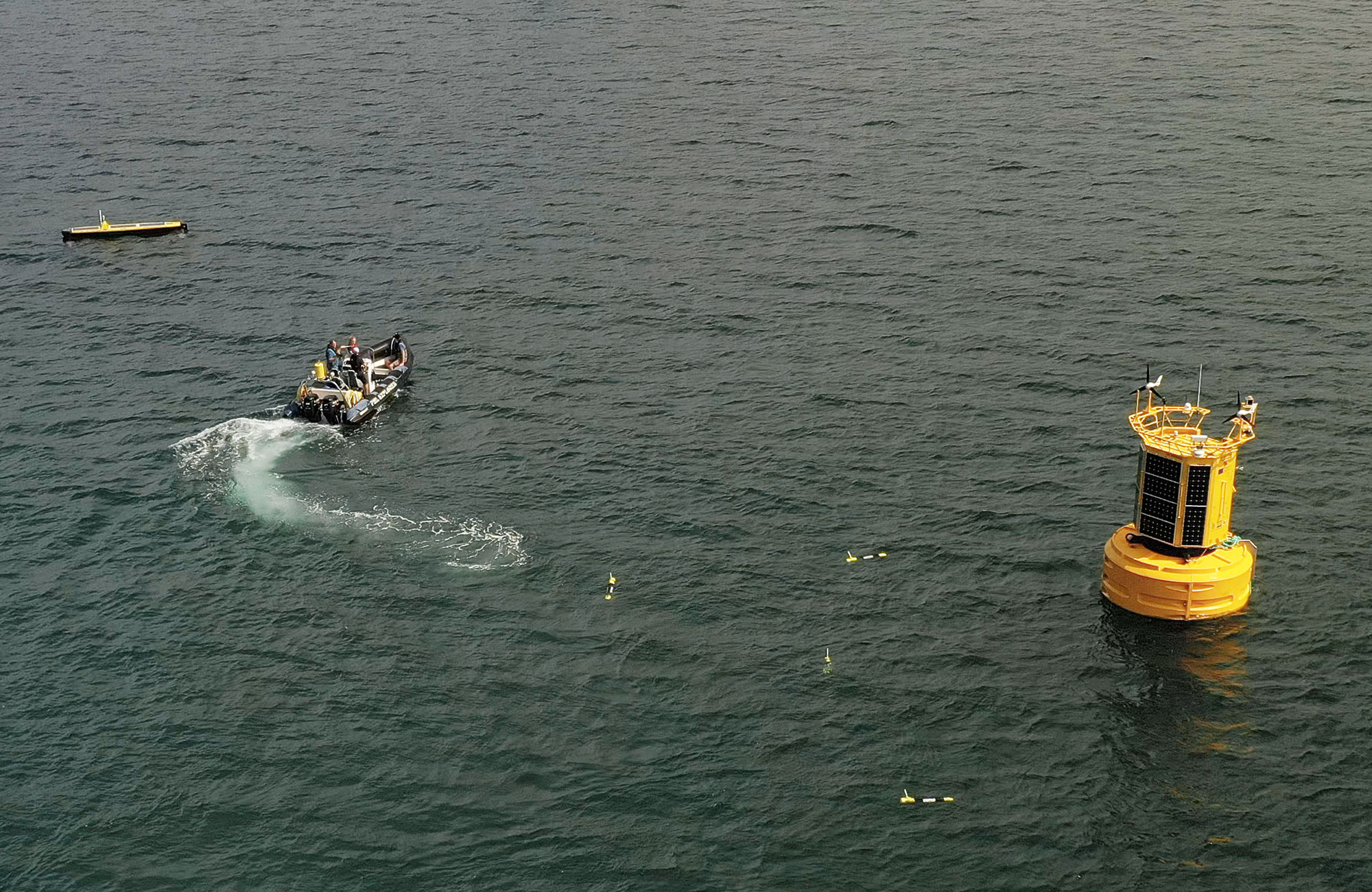
Integrating leading and cutting-edge marine ecosystem and process modelling, data science and machine learning to enhance knowledge and understanding of marine systems, we are pushing the boundaries of scientific exploration and delivering trusted and innovative solutions that transform complex mari...
Read moreRelated Projects
-
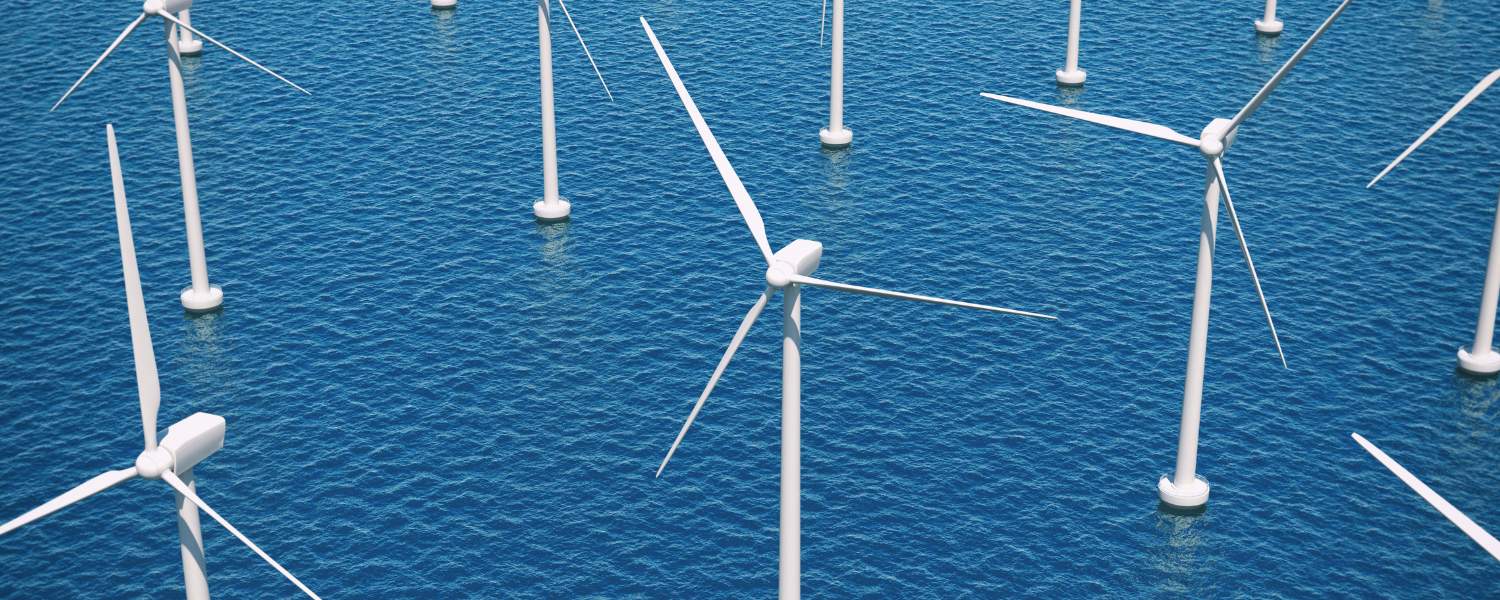 Establishing a Framework for Quantifiable Evidence of Ecosystem Change in Floating Offshore Wind (EQUIFy)EQUIFy is a pioneering research project led by Plymouth Marine Laboratory under the NERC and The Crown Estate Ecological Effects of Floating Offshore Wind (ECOFlow) programme. The project will develop a robust, transferable framework to quantify and understand ecosystem change across the full lifecy...
 -
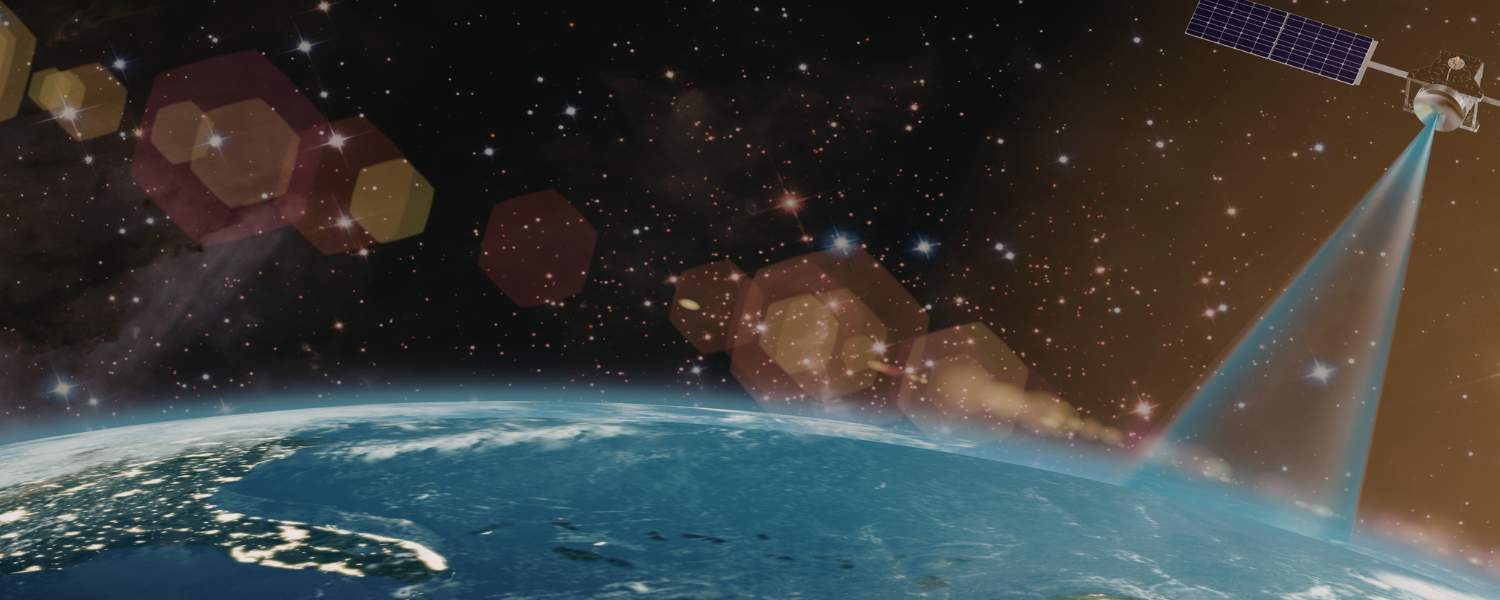 Climate and Marine Production (CAMP)Climate and Marine Production (CAMP) is improving our understanding of ocean productivity and how it responds to climate change by enhancing marine ecosystem and biogeochemical models.
 -
 Tipping Points and Abrupt Changes in Marine Ecosystems (TIME)The Tipping points and abrupt changes In the Marine Ecosystem (TIME) project is developing new ways to identify early warning signs of major changes in marine ecosystems. By combining satellite observations, in situ measurements, and ecosystem models, TIME aims to improve our understanding of how ma...
 -
 DEcentrAlised Learning for automated image analysis and biodiversity monitoring (DEAL)DEAL will create an application that allows owners of biological image data to participate in decentralised, collaborative networks, where they can leverage the data and expertise of all participants to obtain better, higher efficacy classification results for their data.
 -
 Monitoring Integrated Digital Support Tool – for CO2 and hypersaline brine monitoring applied to UKIn MIDST-UK, an open source, user friendly, pre-operational Decision Support Tool (DST) will be extended to also included brine release (high salinity, high temperature and varied contaminants) for impact assessment, monitoring, and detection criteria. Case studies are then to be developed within po...
 -
 TYRE-LOSS: Lost at Sea – where are all the tyre particles?Tyre particles are increasingly recognised as a potentially major source of microplastic pollution, yet limited data exists on their accumulation and risks in the marine environments. The TYRE-LOSS project is tackling this critical knowledge gap.
Related News
07 October 2026
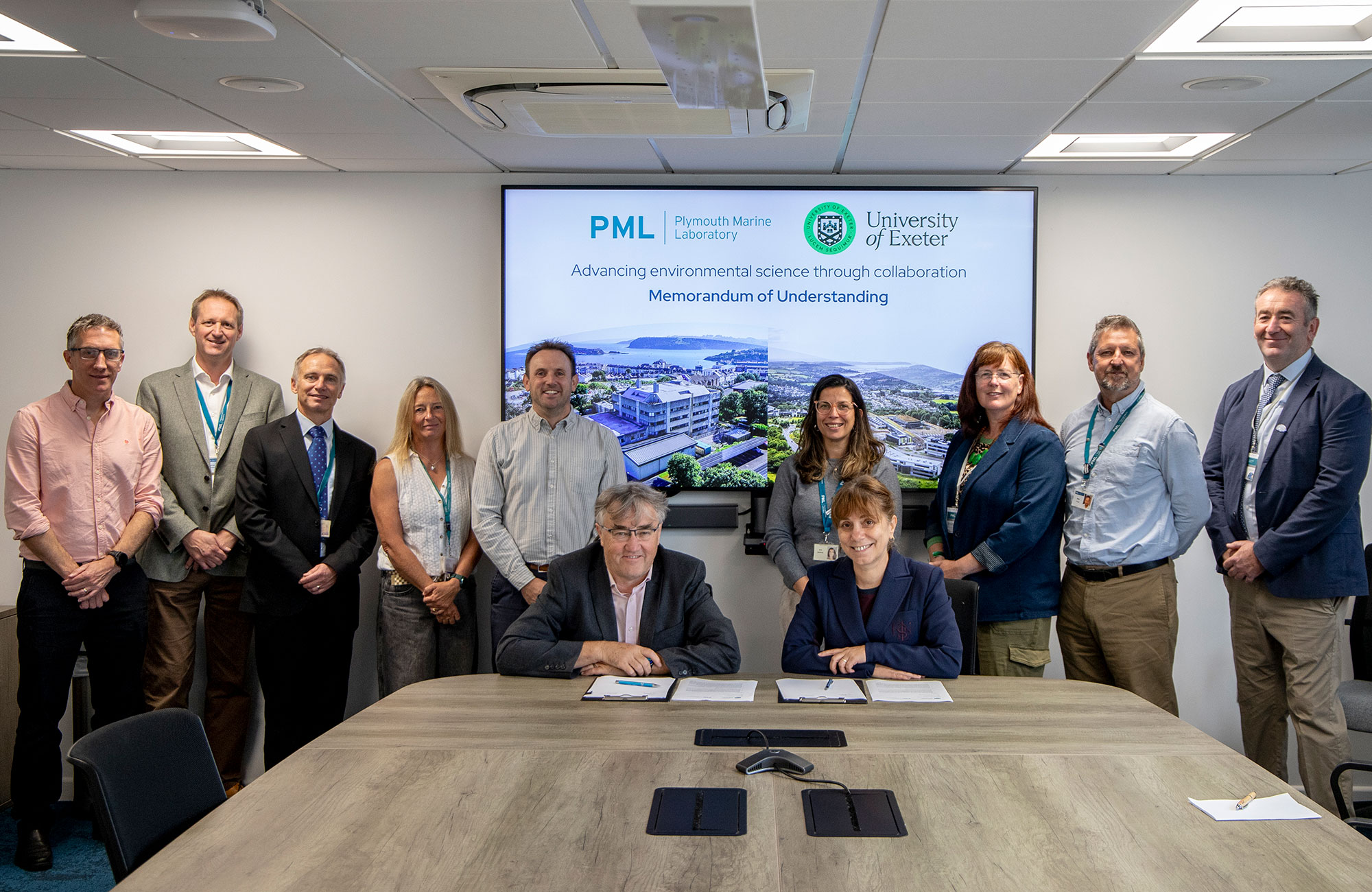
Marine collaboration strengthened in boost to South West region
Two of the South West’s leading organisations for marine research and education have signed a new Memorandum of Understanding (MoU), reflecting their shared commitment to addressing the key issues facing the sustainable future of oceans.
-
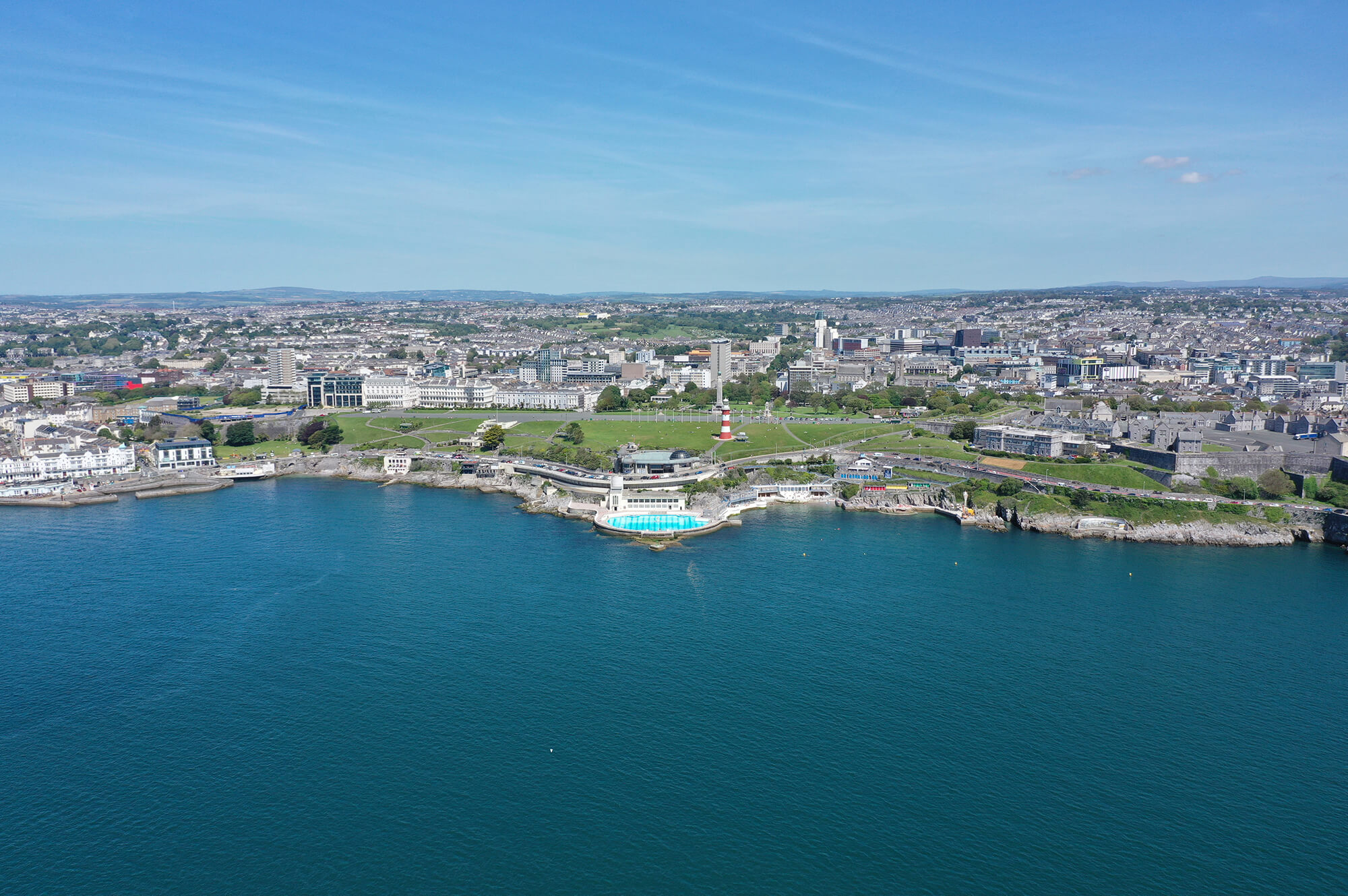 Plymouth to host 8th ‘Advances in Marine Ecosystem Modelling Research (AMEMR)’ conference in 2027
We are delighted to announce that the 8th Advances in Marine Ecosystem Modelling Research (AMEMR) conference, organised by Plymouth Marine Laboratory (PML), will be held at the University of Plymouth on the 5th-8th July 2027.
-
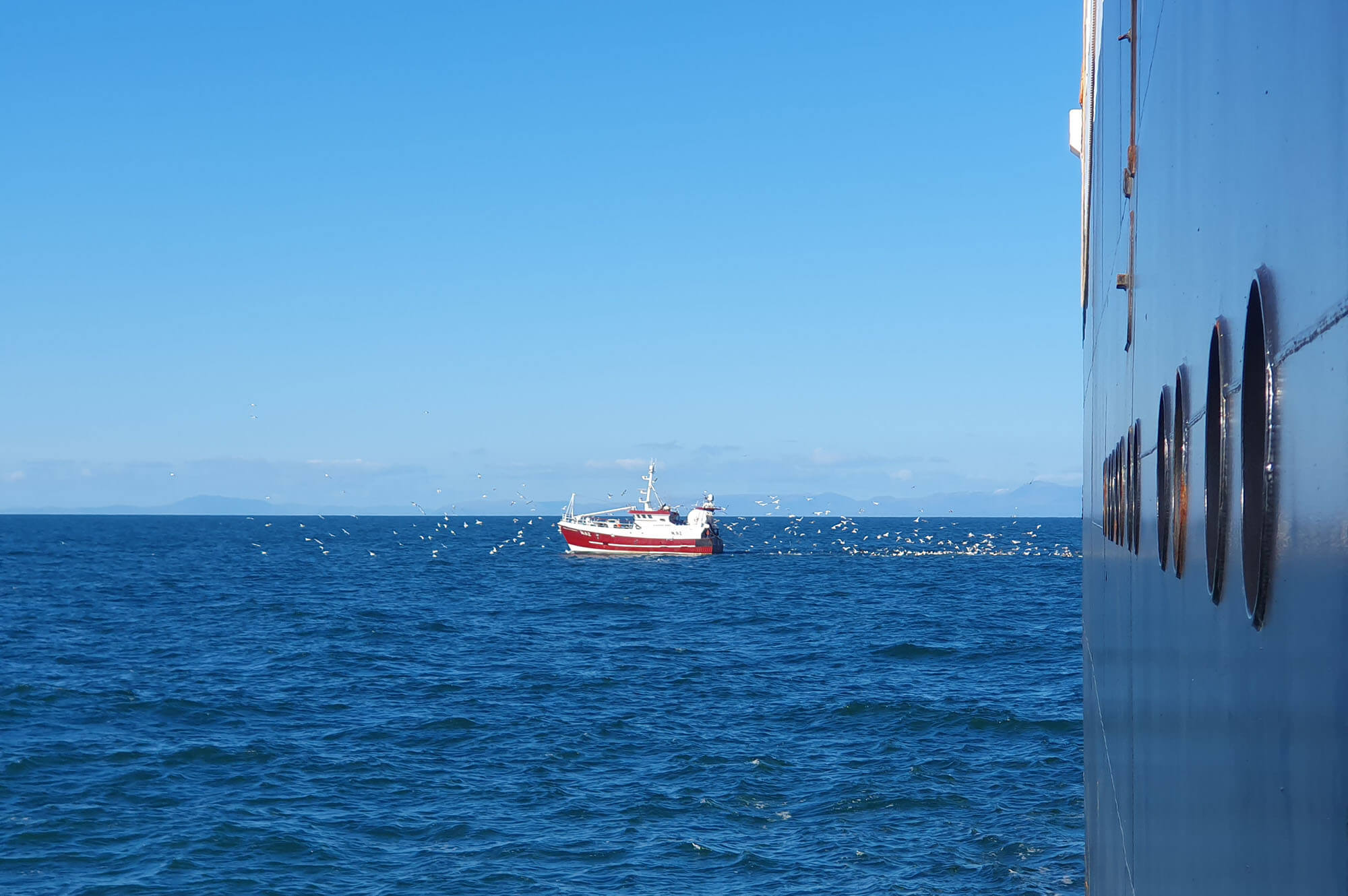 Scientists aim to answer critical questions around carbon impact of seabed trawling
A first-of-its-kind study in the Irish Sea, involving scientists from PML, is addressing critical evidence gaps around the environmental impact of seabed trawling on seabed carbon storage and its potential implications for climate change.
-
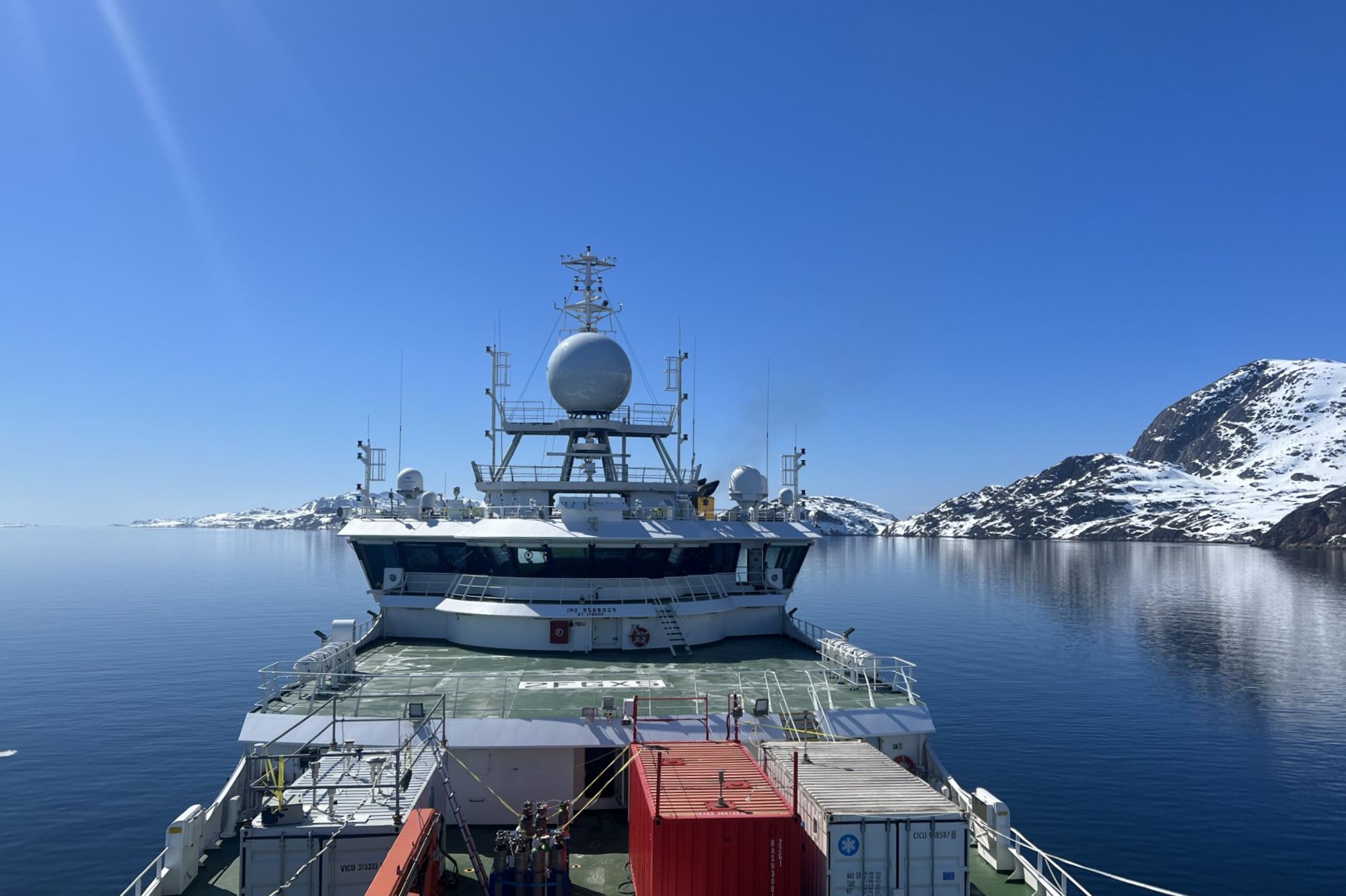 As Arctic sea ice melts, it can produce clouds that can reduce warming – but what happens next for the climate?
A new study provides the first real-world evidence of how melting sea ice can boost cloud-seeding particles in the Arctic. But whether more clouds could help cool the region – or trap heat – remains uncertain.
-
 Building trust in AI for better ocean forecasting
The International Telecommunication Union recently published their ‘AI for Good, Innovate for Impact’ interim report 2026, which features a PML-led case study that offers potential for trustworthy, lower-cost marine early war...