Category
Sustainable Fisheries and aquaculture
Science topics & groups

Science group
Socio-economics of fisheries and aquaculture
People across the world are dependent upon fisheries and aquaculture for food, livelihood and income. It is therefore essential to ensure the sustainability of seafood production for generations to come.
Read more
Science group
Optimising aquaculture
Using satellite remote sensing methods to improve the efficiency of aquaculture management and spatial planning. Developing new methods for automatic mapping of aquaculture structures at large scale.
Read more
Science group
Food security
Supporting sustainable fisheries by understanding their interaction with the ecosystem and the environment and how this can change due to global changes as well as management decisions.
Read more
Science group
Sustainable fisheries and aquaculture
Fisheries and aquaculture are important contributors to global food security. Critical issues affecting fisheries are overseen by international strategies: in particular, SDG 14 Life Below Water provides targets on sustainable fishing, supporting small-scale fisheries and countering illegal fishing....
Read moreRelated Projects
-
 AgZero+ Towards sustainable, climate-neutral farmingPlymouth Marine Laboratory (PML) is a partner in a major five-year £13.8 million research programme, named “AgZero+’, to support the UK’s transition towards home-grown food production that is sustainable, carbon-neutral and has a positive effect on nature.
 -
 MSPACE: Marine Spatial Planning Addressing Climate EffectsMSPACE is a 3 year project designed to drive forward the capability of the four UK nations in designing and implementing climate-smart marine spatial plans.
 -
 COMFORT: Our common future ocean in the Earth system – quantifying coupled cycles of carbon, oxygen, and nutrients for determining and achieving safe operating spaces with respect to tipping pointsCOMFORT will identify tipping point in future marine ecosystems induced by climate change and the associated multiple stressors. The impact of these tipping points on ecosystems will then be assessed and the safe operating space to avoid them identified.
 -
 Services based on Ecosystem data AssiMiLation: Essential Science and Solutions (SEAMLESS)SEAMLESS aims at improving the current European capability to simulate and predict the state of marine ecosystems.
 -
 FutureMARES: Climate Change and Future Marine Ecosystem Services and BiodiversityFutureMARES is examining the relations between climate change, marine biodiversity and ecosystem services.
 -
 GCRF Blue CommunitiesGCRF Blue Communities is a 4 year research capacity-building programme for marine planning in East and South-East (E/SE) Asia, funded by UK Research and Innovation’s £225 million Global Challenges Research Fund (GCRF). The programme has 12 interconnected research projects, which will...
Related News
05 October 2026
Plymouth to host 8th ‘Advances in Marine Ecosystem Modelling Research (AMEMR)’ conference in 2027
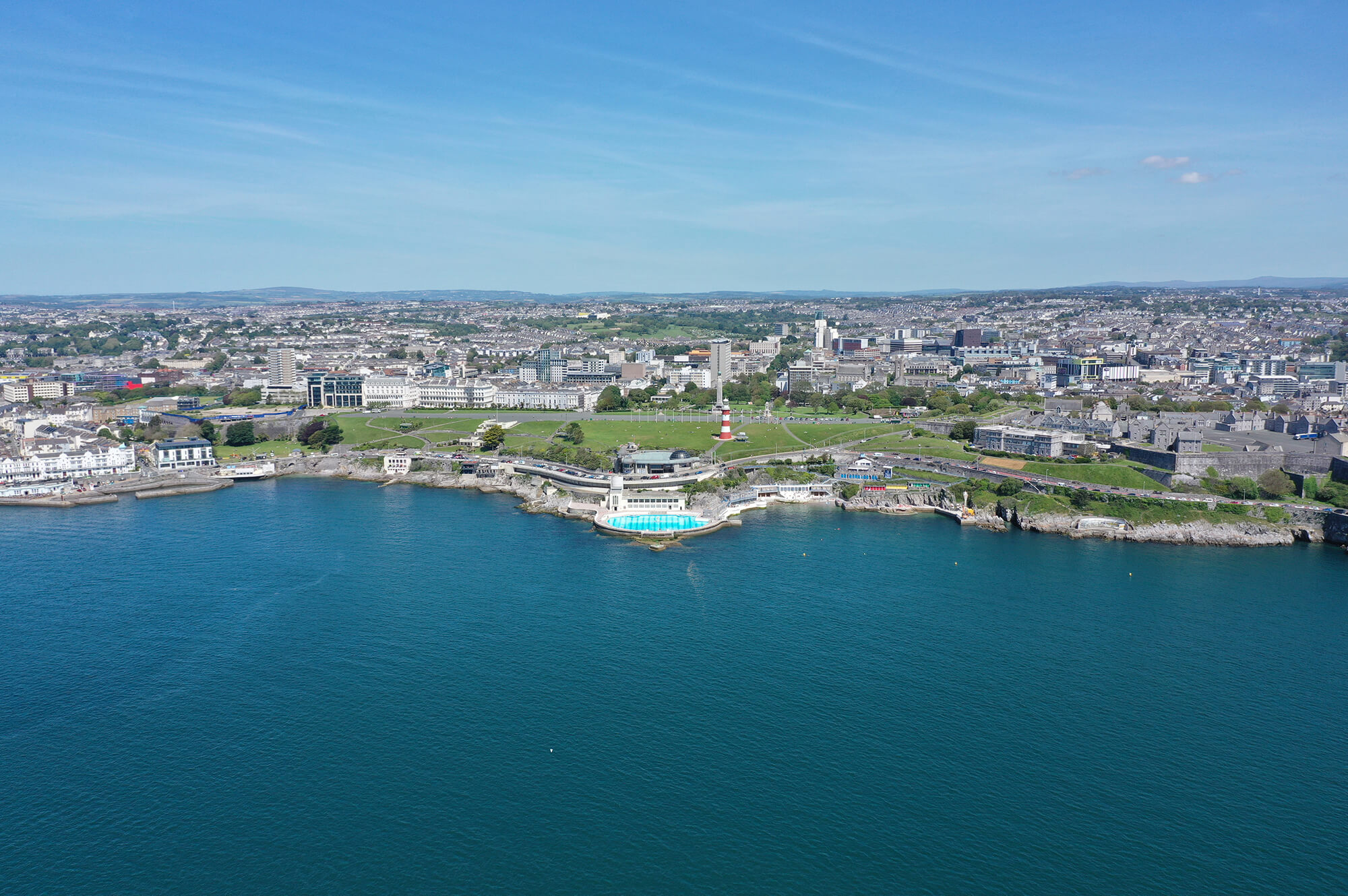
We are delighted to announce that the 8th Advances in Marine Ecosystem Modelling Research (AMEMR) conference, organised by Plymouth Marine Laboratory (PML), will be held at the University of Plymouth on the 5th-8th July 2027.
-
-
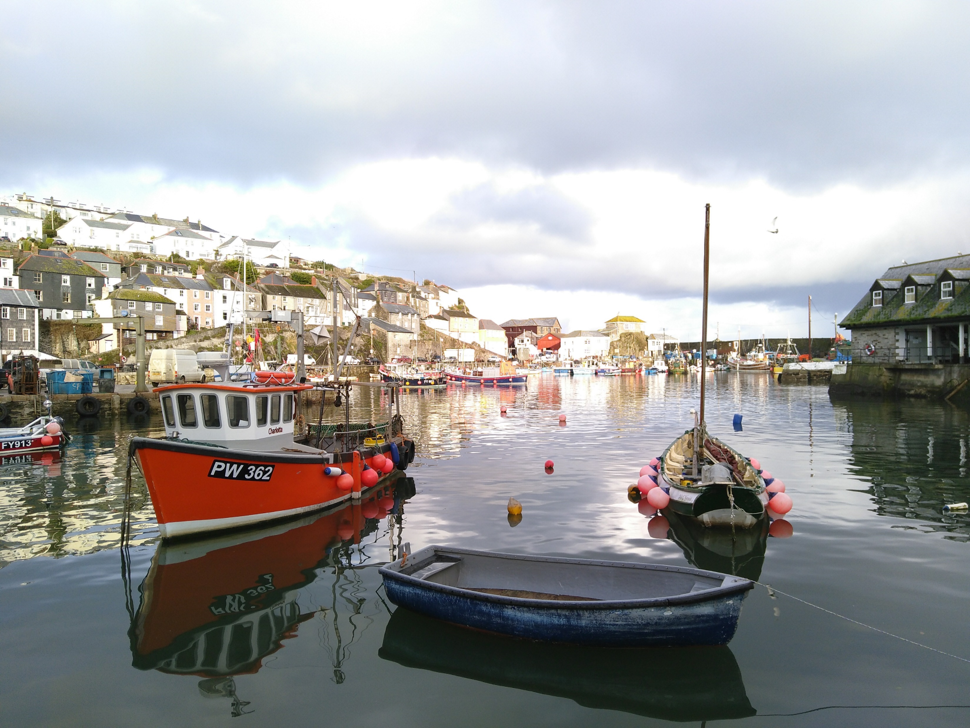 What’s in a label? New study examines whether seafood ecolabels can truly support sustainability in fishing
Can a seafood ecolabel really make fishing more sustainable? New research reveals what makes schemes work for fishers – and ultimately our ocean.
-
 “Expect different” – PML’s Prof Tim Smyth on the effects of warming UK waters
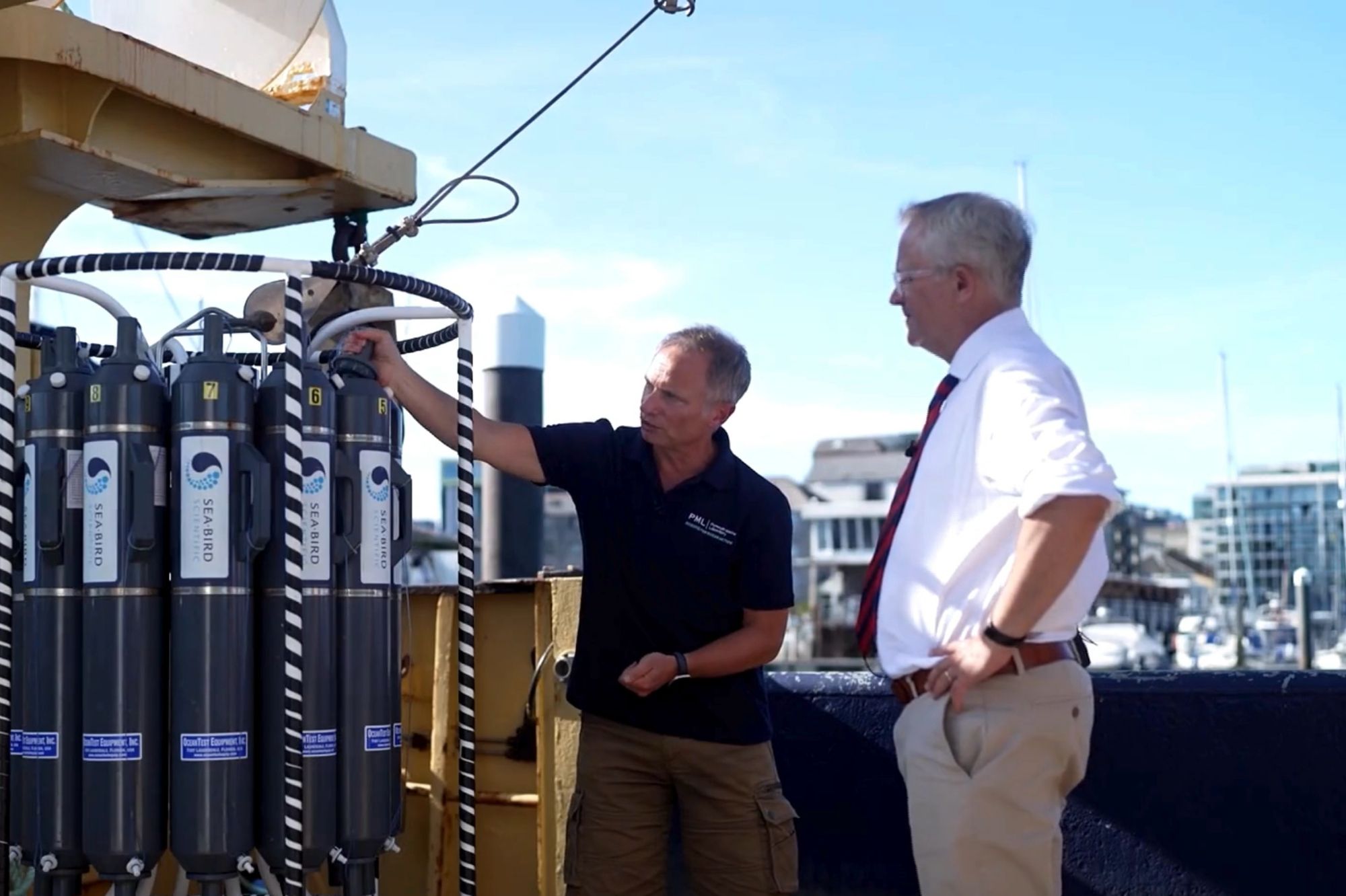
PML’s Director of Science Professor Tim Smyth featured on Channel 5 News this week, speaking to Simon Vigar about the Mediterranean octopus thriving in warmer UK waters.
-
 Global ocean hits highest temperature on record as El Niño grows
The average surface temperature of the planet’s seas outside the polar regions hit 21.1C (70F) on Saturday, according to figures from the European Copernicus climate change service