Category
Food security
Science topics & groups

Science group
Food security
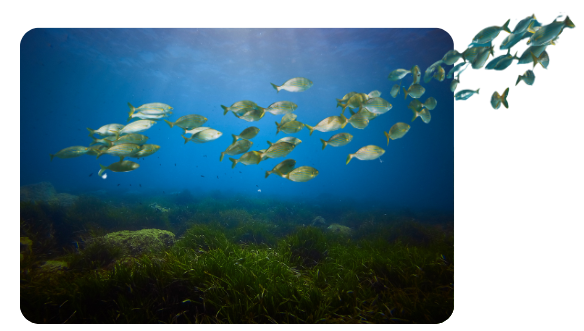
Supporting sustainable fisheries by understanding their interaction with the ecosystem and the environment and how this can change due to global changes as well as management decisions.
Read more
Science group
Sustainable fisheries and aquaculture
Fisheries and aquaculture are important contributors to global food security. Critical issues affecting fisheries are overseen by international strategies: in particular, SDG 14 Life Below Water provides targets on sustainable fishing, supporting small-scale fisheries and countering illegal fishing....
Read moreRelated Projects
-
 AgZero+ Towards sustainable, climate-neutral farmingPlymouth Marine Laboratory (PML) is a partner in a major five-year £13.8 million research programme, named “AgZero+’, to support the UK’s transition towards home-grown food production that is sustainable, carbon-neutral and has a positive effect on nature.
 -
 Addressing Challenges of Coastal Communities through Ocean Research for Developing Economies (ACCORD)The coastal and marine environments of South East Asia and the Western Indian Ocean (the regional foci of ACCORD) are rich and diverse, possessing high levels of biodiversity and productivity. However, the coastal ecosystems and the services they provide are under threat from growth in human activit...
 -
 PRIMROSE: Predicting Risk and Impact of Harmful Events on the Aquaculture SectorThe aquaculture sector of Europe’s Atlantic Arc is negatively impacted by the effects of harmful blooms and microbial pathogens. The PRIMROSE project will further develop ASIMUTH, a harmful algal bloom forecasting system to provide improved forecasts at a higher resolution, a wider suite of pa...
 -
 S-3 EUROHAB – Sentinel products for detecting EUtROphication and Harmful Algal Bloom eventsS-3 EUROHAB will use the latest satellite technology to improve the way water quality and harmful algal blooms (HABs) are monitored in the English Channel.
 -
 SOLSTICE-WIO: Sustainable Oceans, Livelihoods and food Security Through Increased Capacity in Ecosystem research in the Western Indian OceanSOLSTICE – WIO is a four year collaborative GCRF project that aims to strengthen capacity in the Western Indian Ocean (WIO) region to address challenges of food security and sustainable livelihoods for coastal communities.
 -
 ShellEyeThe ShellEye project will use Earth observation data from satellites and environmental data, such as weather forecasts, to monitor and forecast water quality for the aquaculture industry towards providing an early warning system for harmful algal blooms, and bacterial and viral pollution.
Related News
21 September 2026
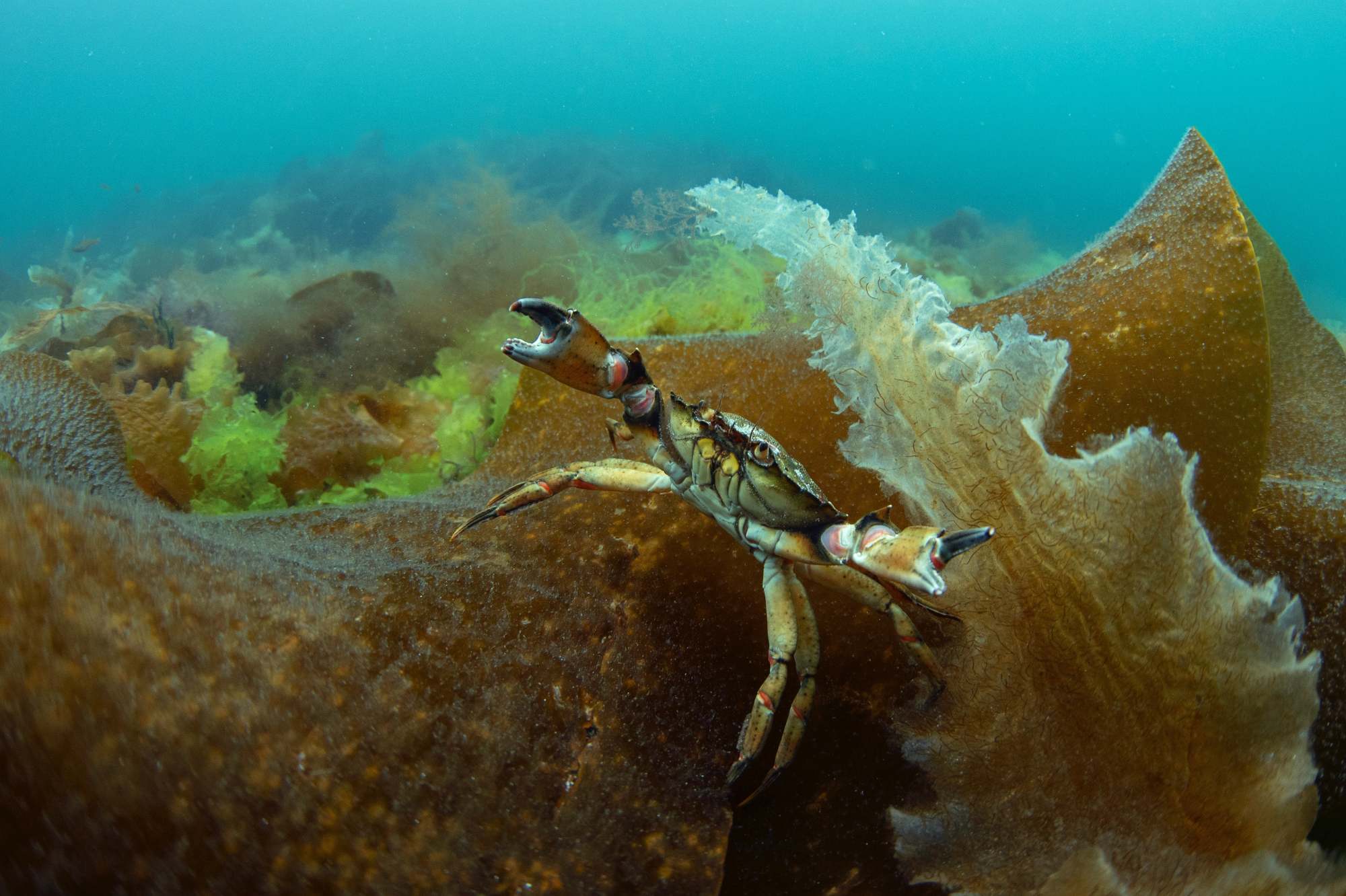
7 out of 9 Planetary Boundaries breached: PML joins calls for UN security briefing
With seven out of nine Planetary Boundaries now crossed, “now is the time to act” urges PML’s Professor Helen Findlay, who today joined international scientists and organisations calling for an annual UN security briefing.
-
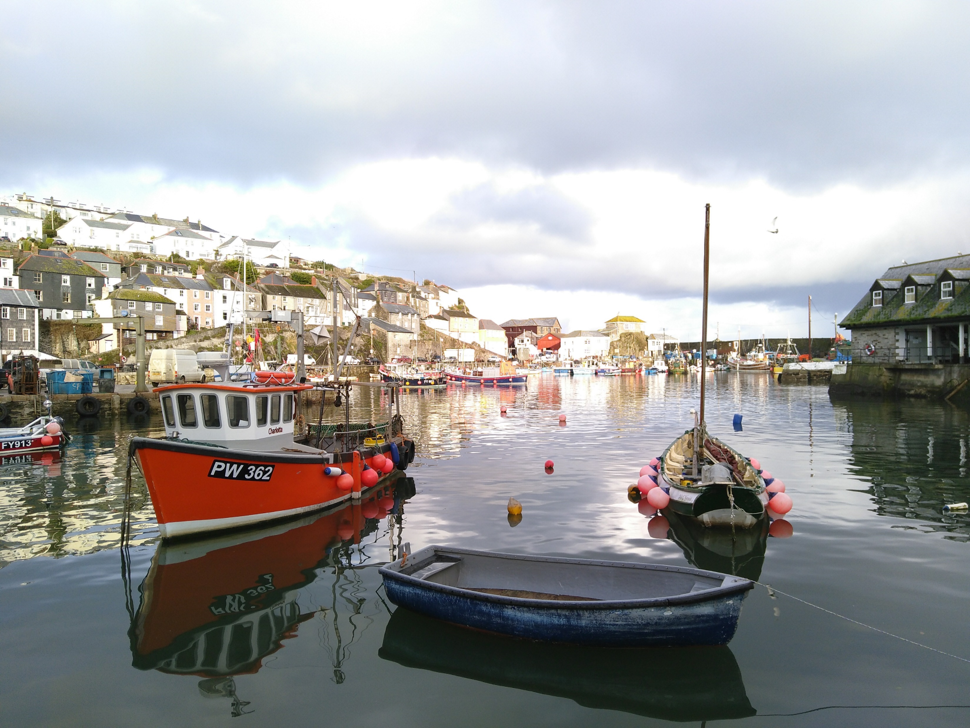 What’s in a label? New study examines whether seafood ecolabels can truly support sustainability in fishing
Can a seafood ecolabel really make fishing more sustainable? New research reveals what makes schemes work for fishers – and ultimately our ocean.
-
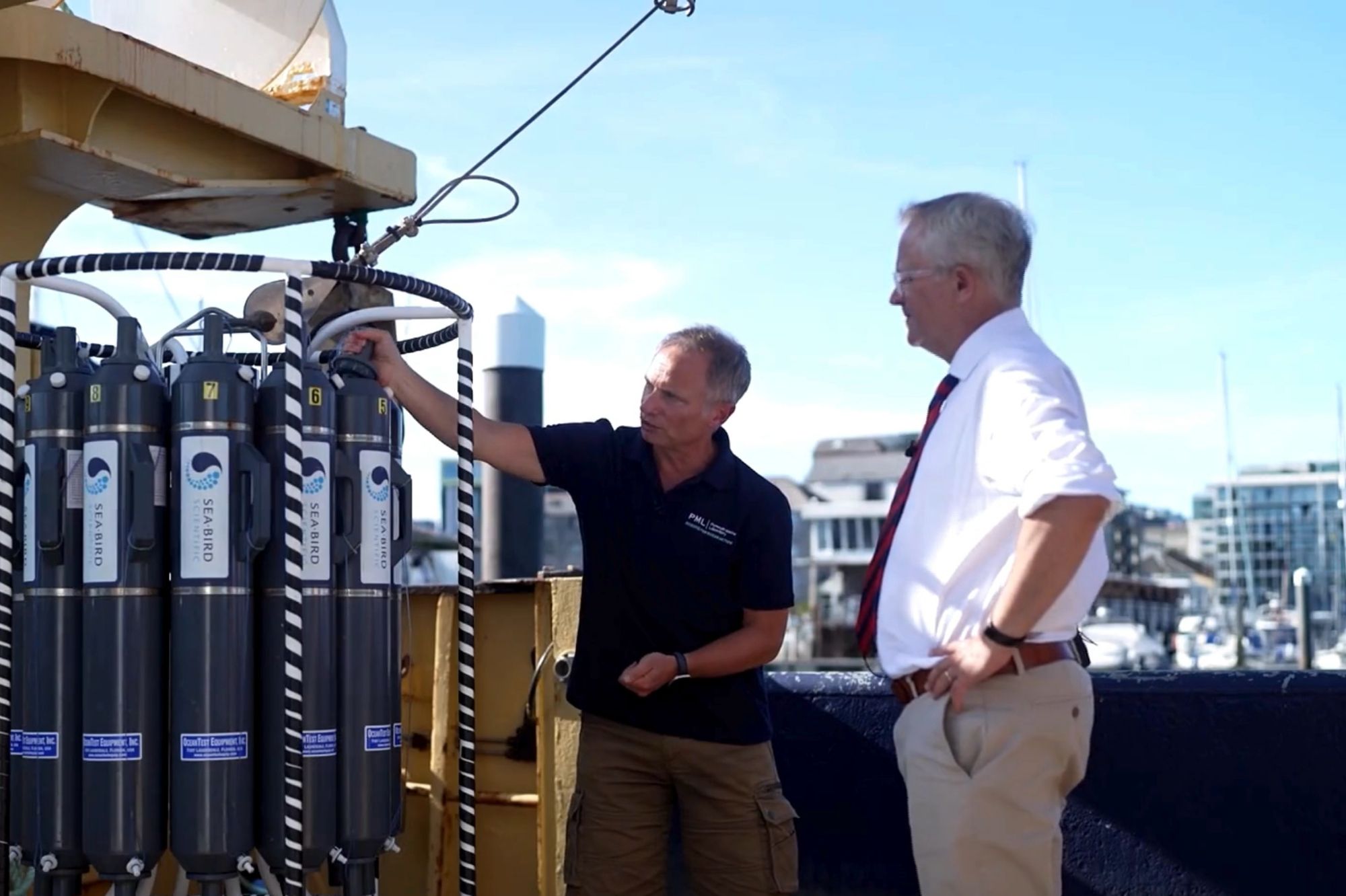 “Expect different” – PML’s Prof Tim Smyth on the effects of warming UK waters
PML’s Director of Science Professor Tim Smyth featured on Channel 5 News this week, speaking to Simon Vigar about the Mediterranean octopus thriving in warmer UK waters.
-
 Global ocean hits highest temperature on record as El Niño grows
The average surface temperature of the planet’s seas outside the polar regions hit 21.1C (70F) on Saturday, according to figures from the European Copernicus climate change service
-
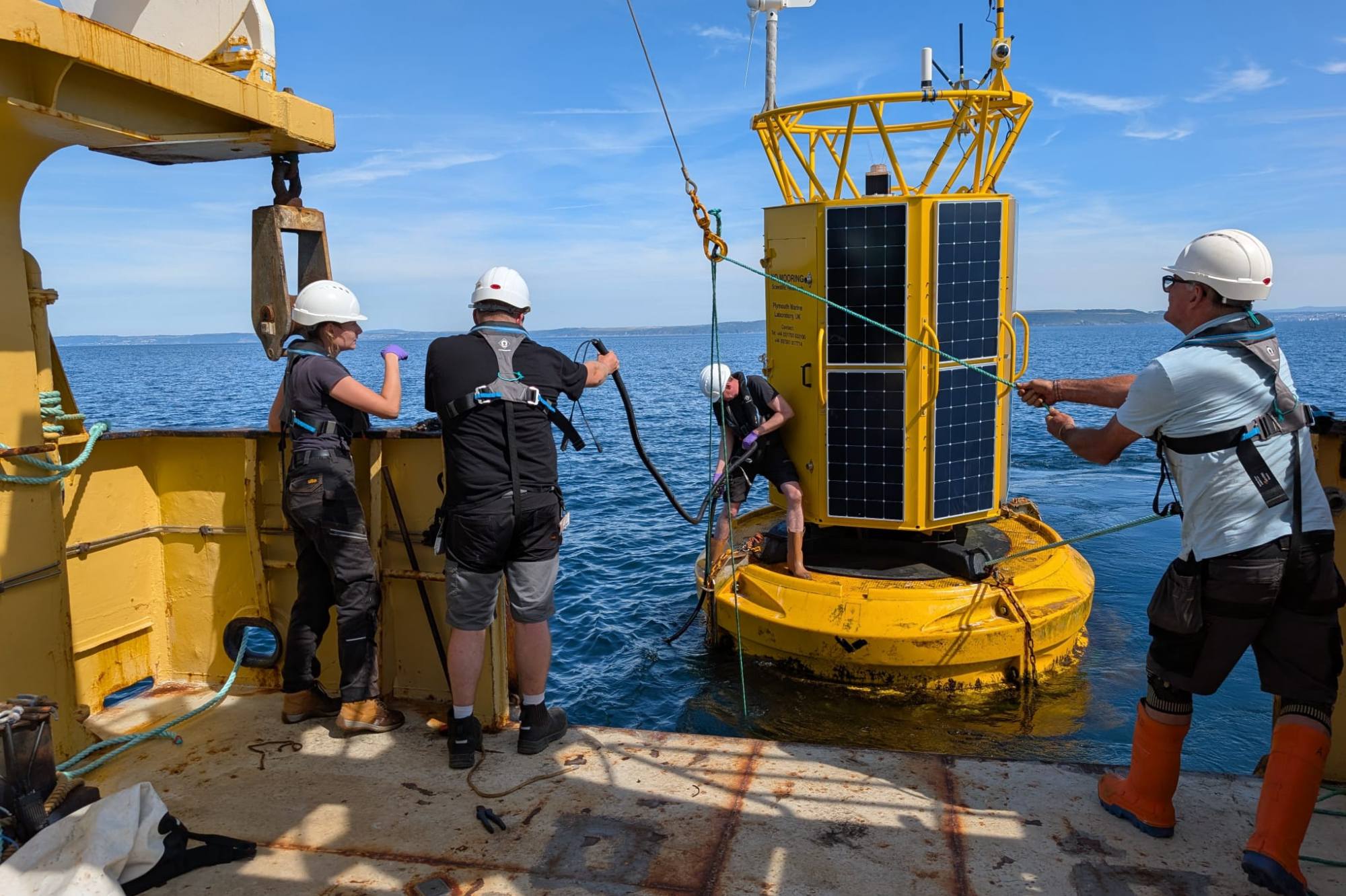 Record-breaking marine heatwave highlights the importance of long-term monitoring
UK sea temperatures have