Category
Nature-based solutions
Science topics & groups

Science group
Nature-based solutions
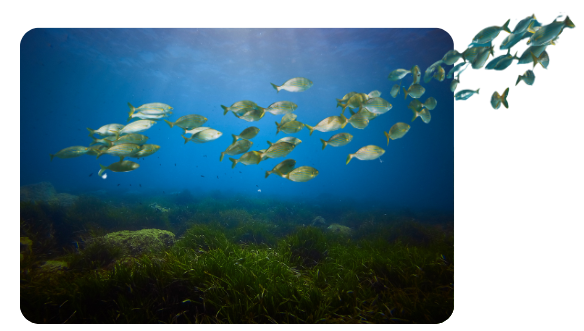
Nature-based Solutions (NbS) are environmental management approaches that protect nature whilst helping to address societal problems, such as climate change and pollution. By making people a key recipient of nature conservation benefits, NbS accelerate action and facilitate buy-in for approaches li...
Read more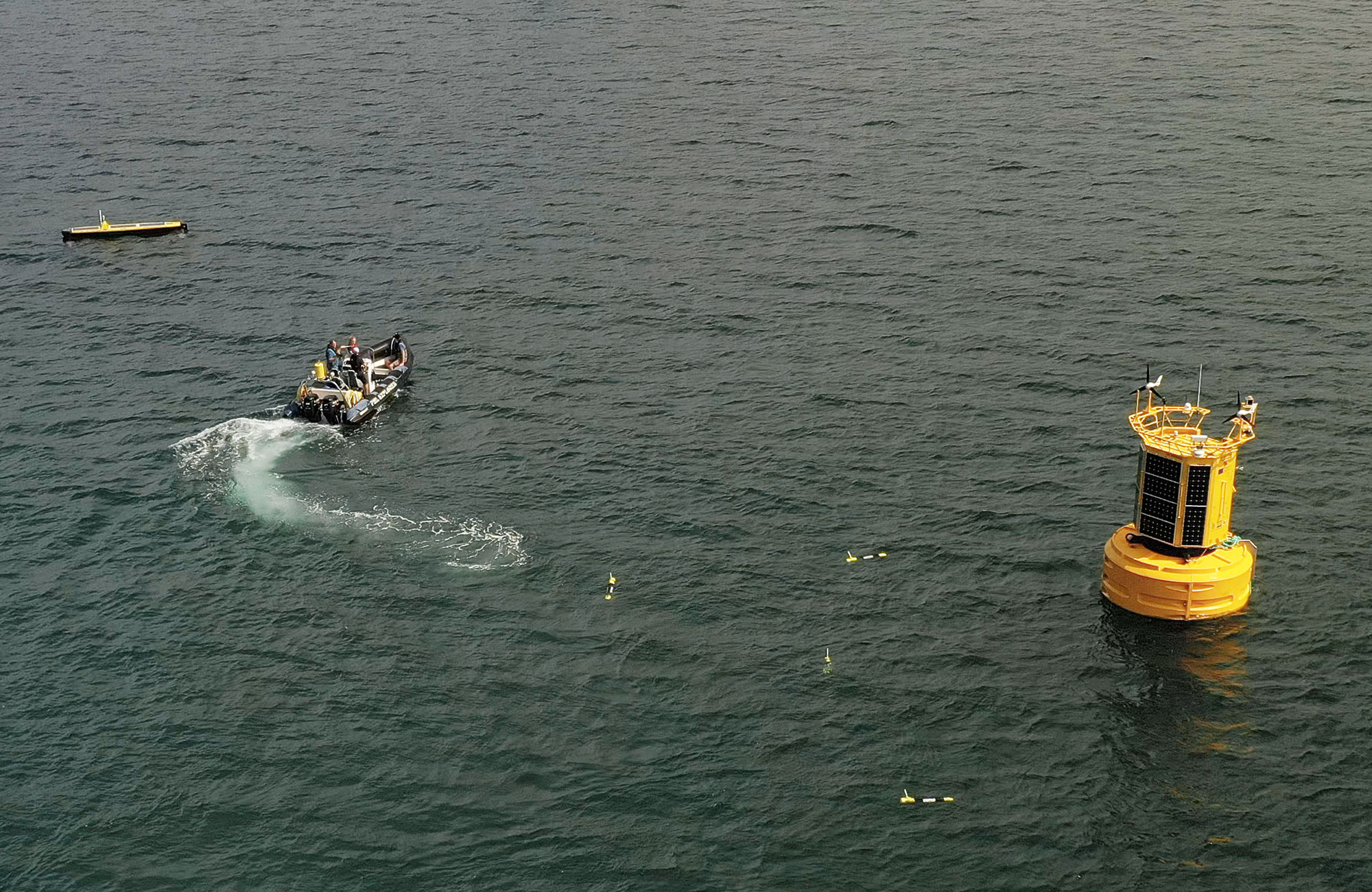
Science group
Autonomy, technology and digitisation
Advances in marine technology can deliver economic benefits and improve the management, sustainability and governance of marine and coastal environments. Our scientists, modellers and technologists operate at the forefront of marine technology development.
Read moreRelated Projects
-
 AgZero+ Towards sustainable, climate-neutral farmingPlymouth Marine Laboratory (PML) is a partner in a major five-year £13.8 million research programme, named “AgZero+’, to support the UK’s transition towards home-grown food production that is sustainable, carbon-neutral and has a positive effect on nature.
 -
 FutureMARES: Climate Change and Future Marine Ecosystem Services and BiodiversityFutureMARES is examining the relations between climate change, marine biodiversity and ecosystem services.
 -
 Removing marine microplastics with mussel powerRemoving marine microplastics with mussel power is a one-year feasibility study funded by Waitrose Plan Plastic to develop an ecological solution to microplastic pollution.
 -
 GCRF Blue CommunitiesGCRF Blue Communities is a 4 year research capacity-building programme for marine planning in East and South-East (E/SE) Asia, funded by UK Research and Innovation’s £225 million Global Challenges Research Fund (GCRF). The programme has 12 interconnected research projects, which will...
 -
 Addressing Challenges of Coastal Communities through Ocean Research for Developing Economies (ACCORD)The coastal and marine environments of South East Asia and the Western Indian Ocean (the regional foci of ACCORD) are rich and diverse, possessing high levels of biodiversity and productivity. However, the coastal ecosystems and the services they provide are under threat from growth in human activit...
 -
 SOLSTICE-WIO: Sustainable Oceans, Livelihoods and food Security Through Increased Capacity in Ecosystem research in the Western Indian OceanSOLSTICE – WIO is a four year collaborative GCRF project that aims to strengthen capacity in the Western Indian Ocean (WIO) region to address challenges of food security and sustainable livelihoods for coastal communities.
Related News

08 October 2026
New paper highlights the ocean‘s role in uniting global environmental action
The article, co-authored by PML’s Office for International Affairs, presents scientific and policy rationales for positioning the ocean as a unifying agenda to advance major international environmental treaties.
-
 Marine collaboration strengthened in boost to South West region
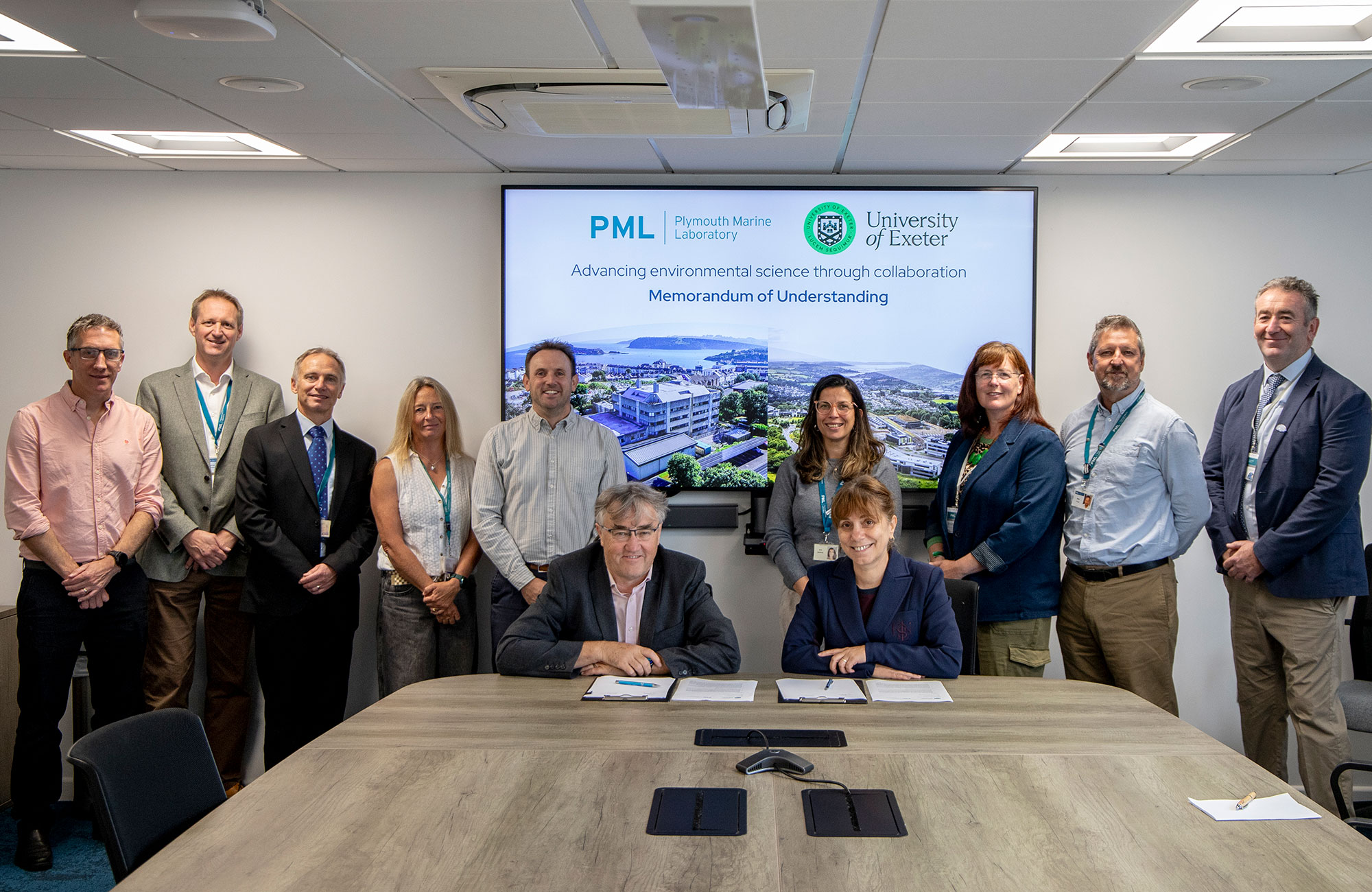
Two of the South West’s leading organisations for marine research and education have signed a new Memorandum of Understanding (MoU), reflecting their shared commitment to addressing the key issues facing the sustainable future of oceans.
-
 Scientists urge caution on Marine Carbon Dioxide Removal as pressure to limit global warming intensifies
Emissions reductions remain the priority as highlighte...
-
 From mudflats to markets: research reveals strong economic case for investing in marine nature recovery
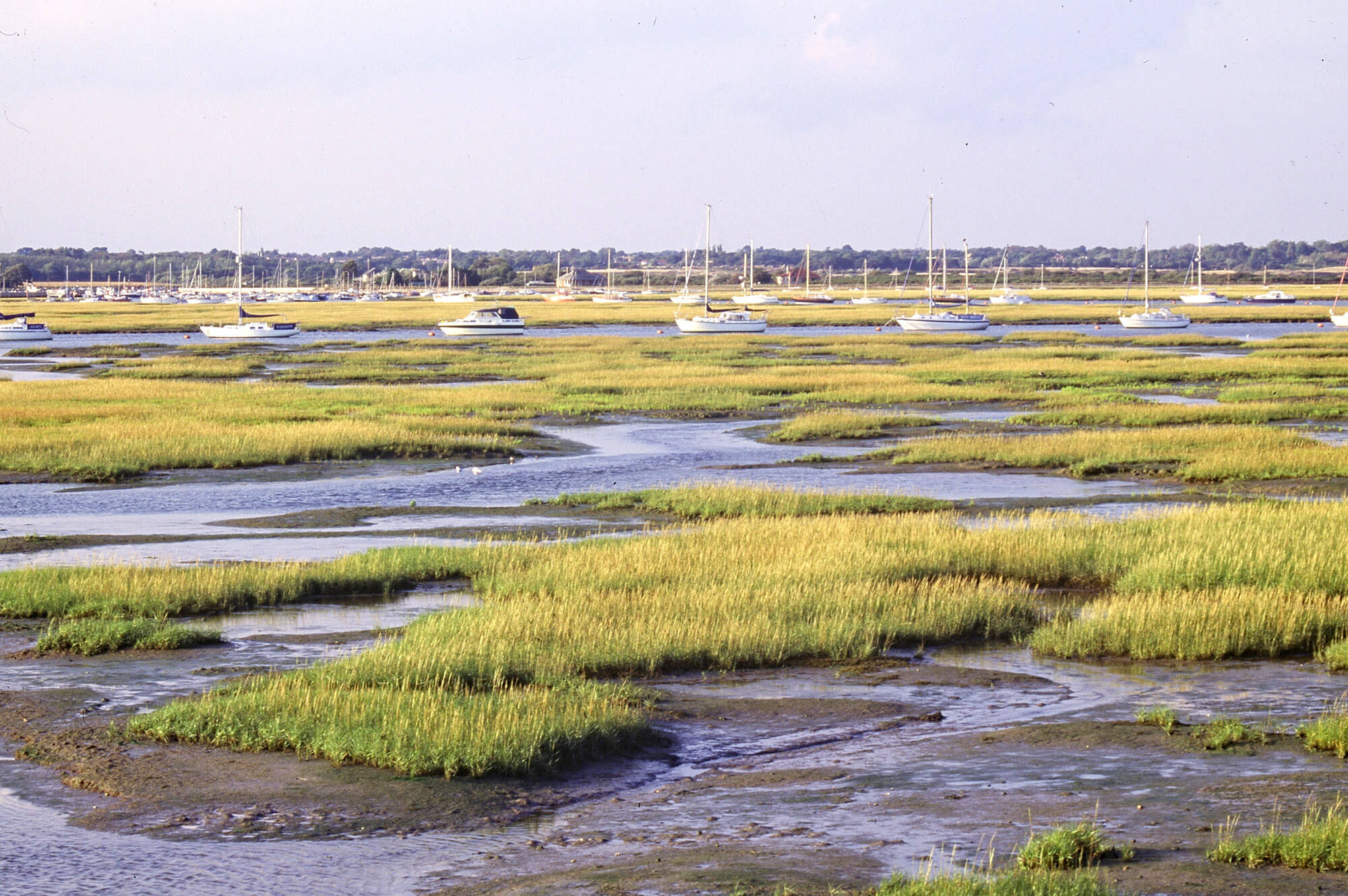
Findings from the Sea The Value project are presented in this latest report, suggesting that by applying a ‘natural capital assessment’ approach, there is genuine potential for marine nat...
-
 Can Marine Protected Areas withstand climate change?
As the world marks World Ocean Day 2026 under the theme ‘Strong Marine Protected Areas for Our Blue Planet’, PML’s Dr Liz Talbot expla...