Category
Artificial Intelligence and machine learning
Science topics & groups

Science group
Artificial intelligence and machine learning
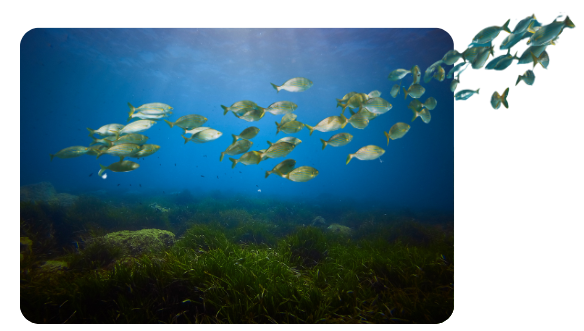
We apply artificial intelligence and machine learning techniques to address environmental challenges
Read more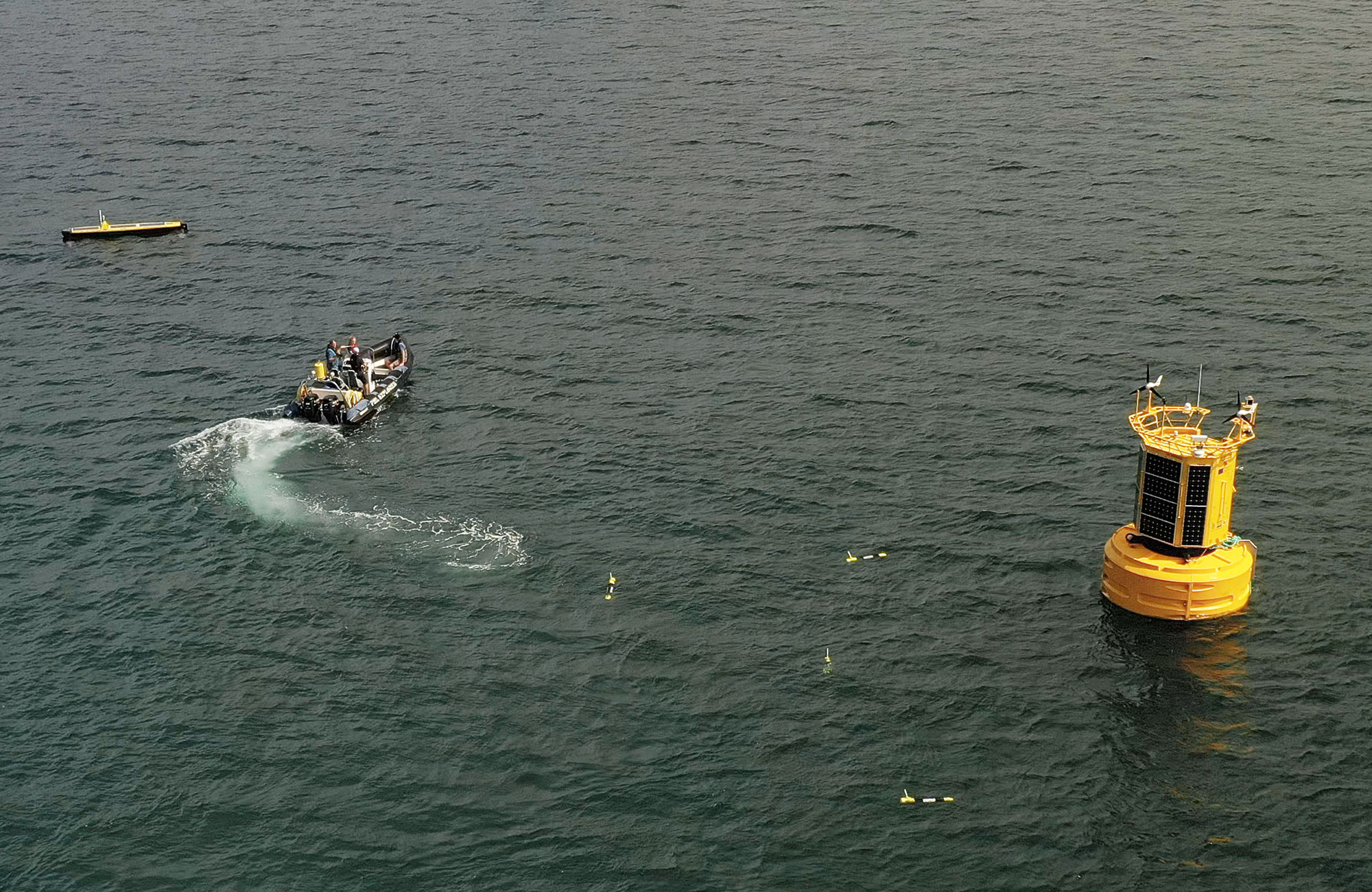
Science group
Autonomy, technology and digitisation
Advances in marine technology can deliver economic benefits and improve the management, sustainability and governance of marine and coastal environments. Our scientists, modellers and technologists operate at the forefront of marine technology development.
Read moreRelated Projects
-
 Deep Vision: AI-enabled Mapping of Vulnerable Marine Ecosystems in the AtlanticCo-led by Plymouth Marine Laboratory and the University of Plymouth, this project uses artificial intelligence and high-resolution seabed data to map vulnerable marine ecosystems across the Atlantic Basin. The resulting evidence supports the design of legal protections for deep-sea biodiversity, inc...
 -
 Smart AUVs for detection and quantification of greenhouse gas seepage in the oceansSmartAUVs will dramatically improve the monitoring capabilities of AUVs, by applying artificial intelligence (AI) in concert with specialized signal processing techniques to enable AUV decision autonomy, i.e., the ability to take intelligent action in real time based on sensor input, enabling sound ...
 -
 Automated, in situ Plankton Imaging and Classification System (APICS)The Automated, in situ Plankton Imaging and Classification System (APICS) will radically improve the understanding of how environmental changes are affecting plankton, the microscopic organisms at the foundation of the marine food chain.
 -
 Biodiversity of the Coastal Ocean: Monitoring with Earth Observation (BiCOME)BiCOME will develop a better understanding of how the community structure and function of coastal ecosystems will respond to the anthropogenic and natural drivers in a changing climate.
 -
 Copernicus Evolution: Research for harmonised and Transitional water Observation (CERTO)CERTO will provide solutions to harmonise water quality products across a continuum of oceans, seas, coasts, estuaries, lagoons, rivers and lakes, to support industry, policy-makers and academia. The project will create a prototype system for Earth observation data that will be implemented across a...
 -
 NERC Earth Observation Data Analysis and Artificial-Intelligence Service (NEODAAS)Plymouth Marine Laboratory have provided satellite data to support researchers since the 1990s and the range of services offered has been constantly evolving to meet their needs and the technology available. NEODAAS was recommissioned in 2019 by NERC for five years as part of their Services and Facu...
Related News
05 October 2026
Plymouth to host 8th ‘Advances in Marine Ecosystem Modelling Research (AMEMR)’ conference in 2027
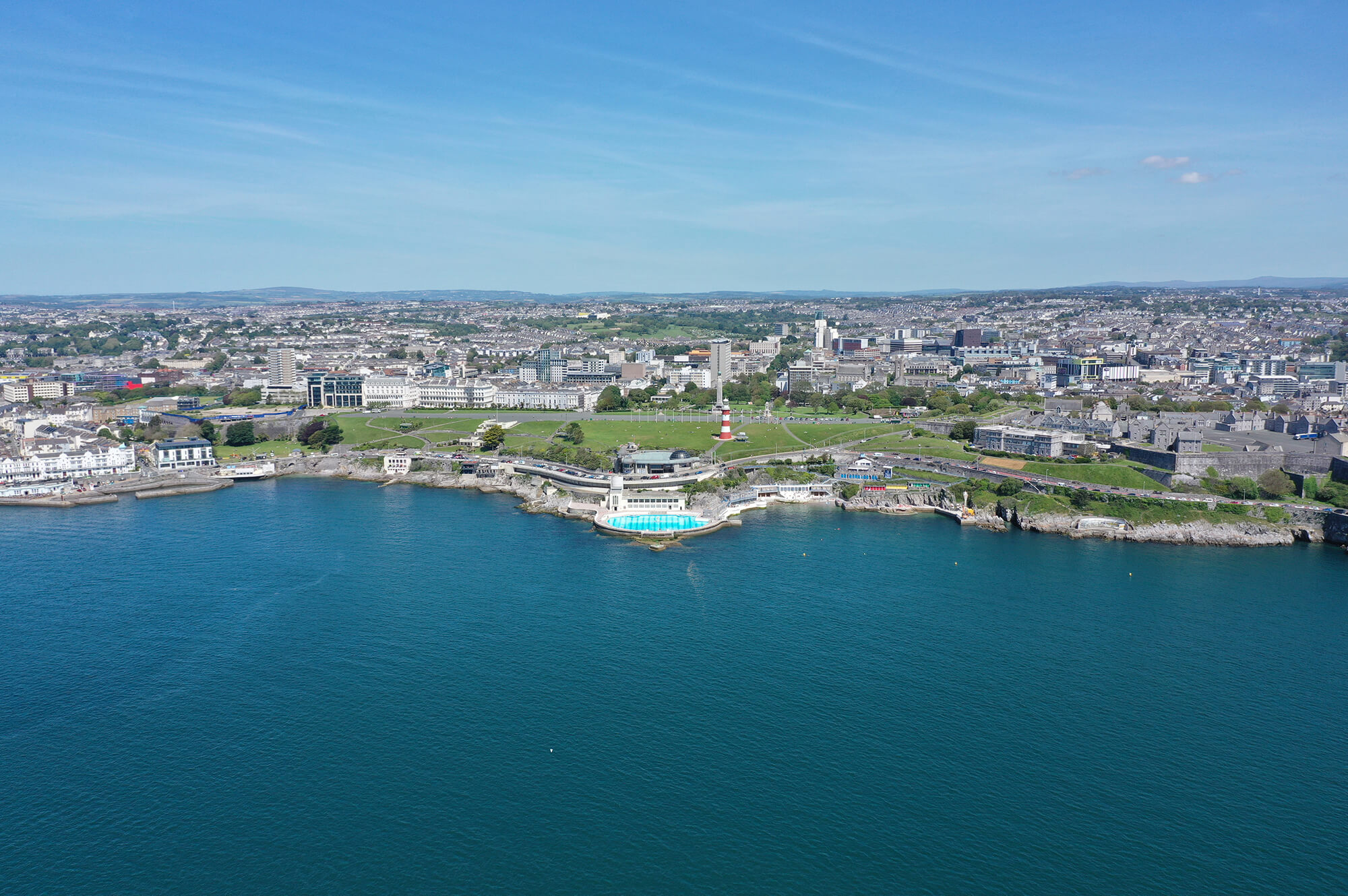
We are delighted to announce that the 8th Advances in Marine Ecosystem Modelling Research (AMEMR) conference, organised by Plymouth Marine Laboratory (PML), will be held at the University of Plymouth on the 5th-8th July 2027.
-
 Building trust in AI for better ocean forecasting
The International Telecommunication Union recently published their ‘AI for Good, Innovate for Impact’ interim report 2026, which features a PML-led case study that offers potential for trustworthy, lower-cost marine early war...
-
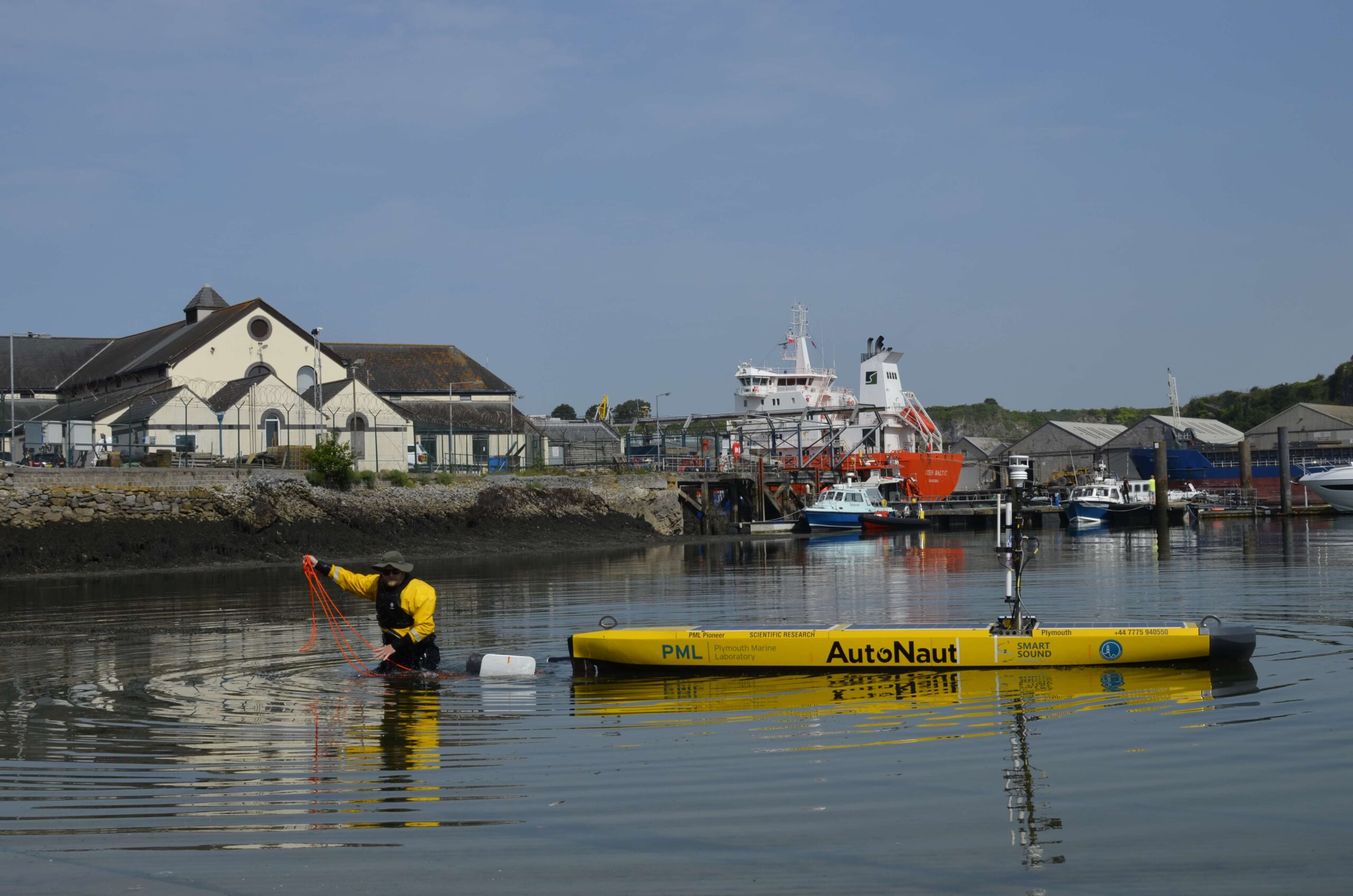 New autonomous monitoring capability demonstrated for floating offshore wind
Scientists test novel sensor integration to help advance autonomous ecosystem assessment and facilitate sustainable offshore wind expansion.
-
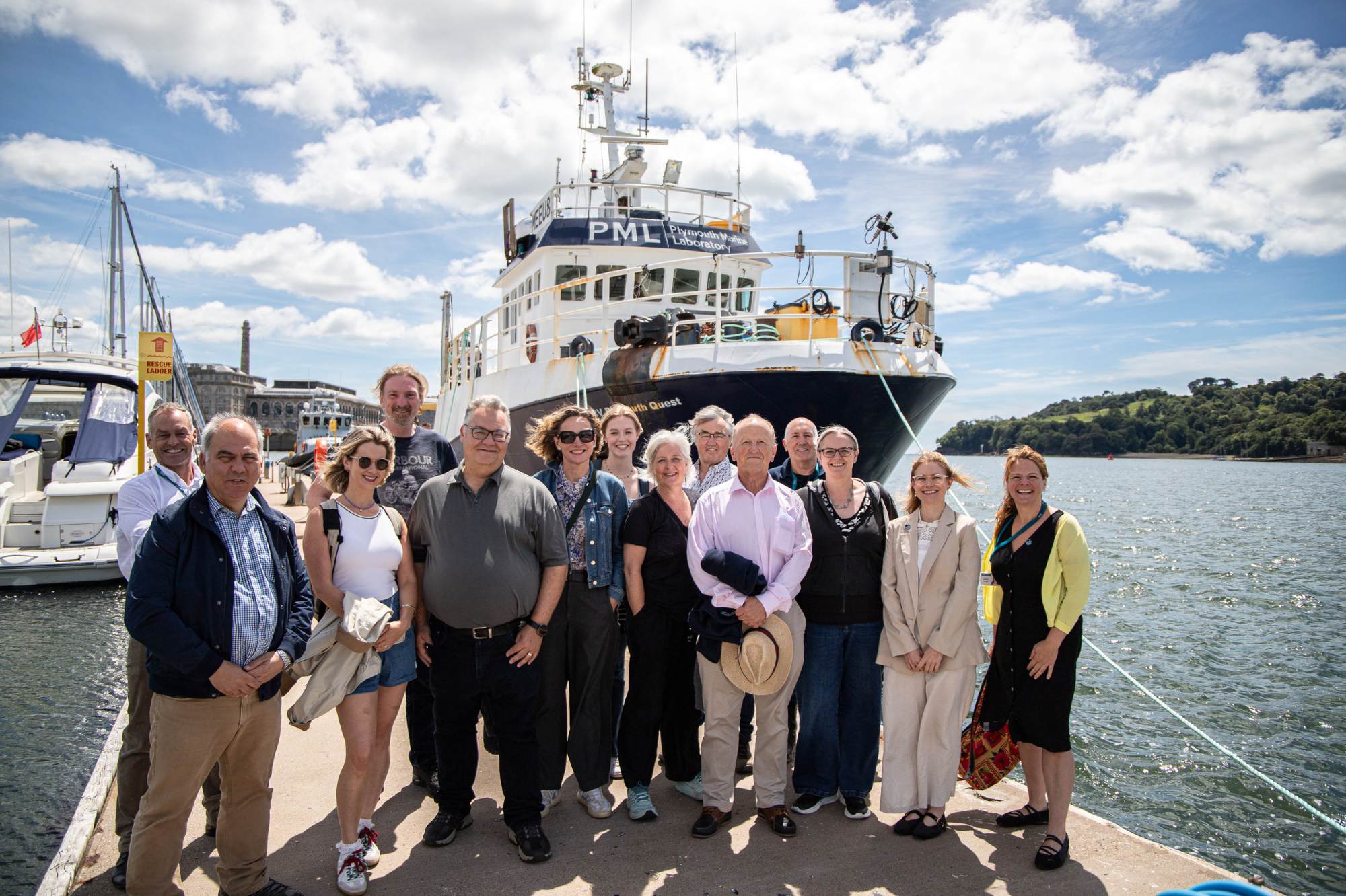 Parliamentarians take to our lab – and the seas – to discover how ocean research supports environmental decision-making
Yesterday, a group of cross-party UK parliamentarians joined us in the laboratory and set sail aboard
-
 PML announces new Head of Group for Environmental Intelligence
It was announced this week that