Category
Autonomous sampling
Science topics & groups

Science group
Autonomous sampling
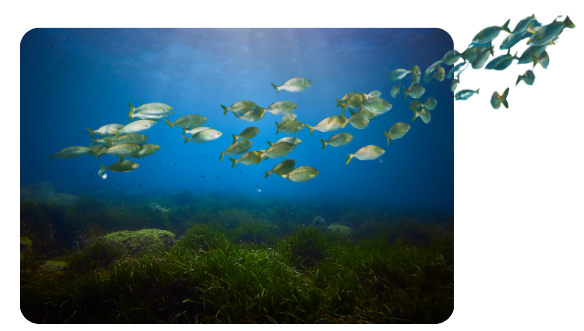
PML is working to progress the technological transition towards autonomous measurements and platforms to collect environmental and biological data using our fleet of autonomous ocean robots.
Read more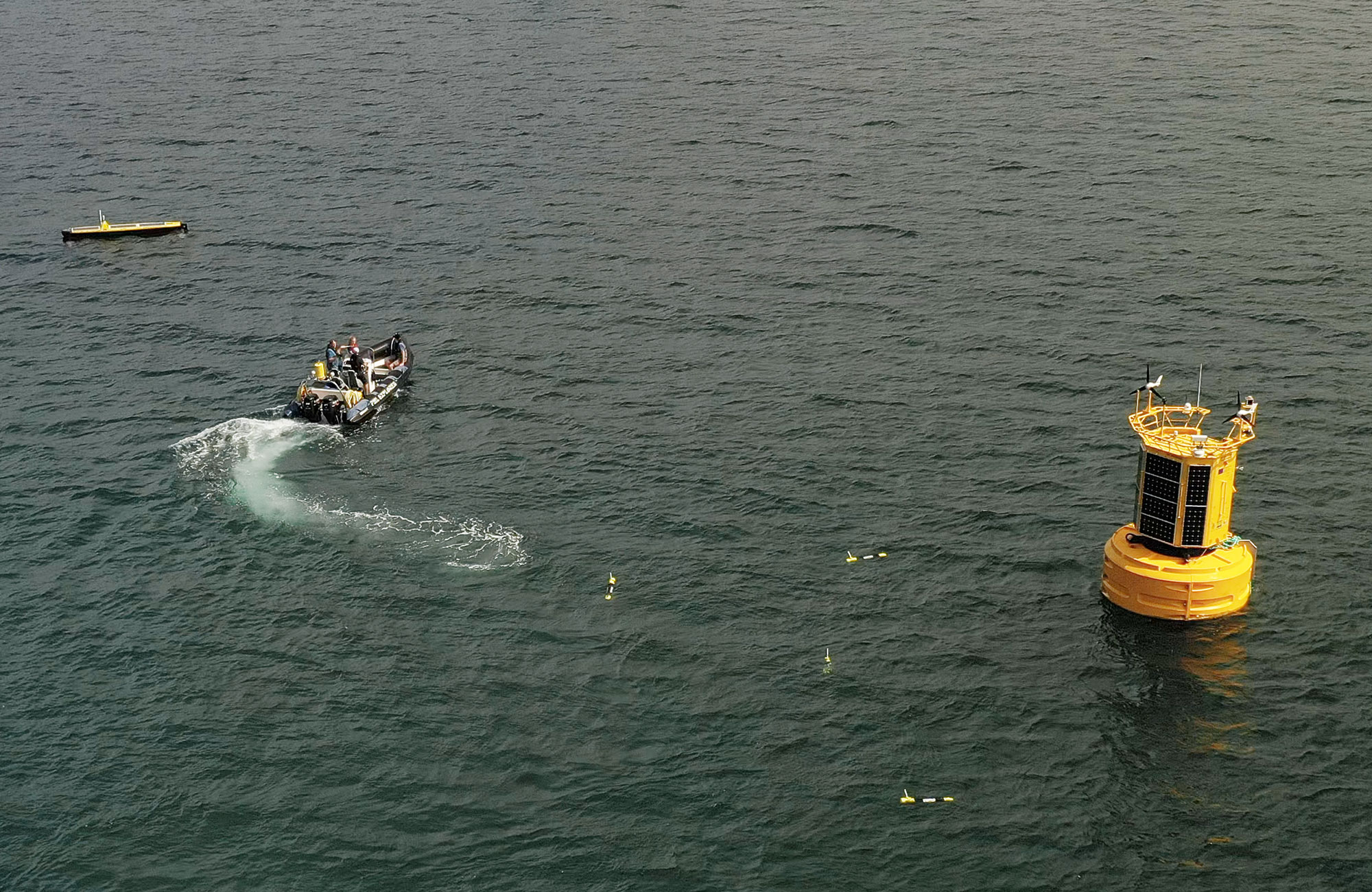
Science group
Autonomy, technology and digitisation
Advances in marine technology can deliver economic benefits and improve the management, sustainability and governance of marine and coastal environments. Our scientists, modellers and technologists operate at the forefront of marine technology development.
Read moreRelated Projects
-
 Automated, in situ Plankton Imaging and Classification System (APICS)The Automated, in situ Plankton Imaging and Classification System (APICS) will radically improve the understanding of how environmental changes are affecting plankton, the microscopic organisms at the foundation of the marine food chain.
-
 Combining Autonomous observations and Models for Predicting and Understanding Shelf seasCAMPUS is a three-year project (2018–2021), funded by the Natural Environment Research Council, combining state-of-the-art computer modelling with innovative observational systems utilising the latest technologies.
-
 An Alternative Framework to Assess Marine Ecosystem Functioning in Shelf Seas (AlterEco)AlterEco aims to develop a new observational framework based upon the latest marine autonomous systems (MAS) to improve the spatio-temporal understanding of key shelf sea ecosystem drivers. This will be achieved through a sustained observational campaign in the North Sea, covering a 14 month period ...
Related News

06 November 2026
New Honorary Appointment with the University of Exeter
PML is delighted to announce that Dr James (“Jim”) Clark, Head of Group for Environmental Intelligence, has been appointed Honorary Associate Professor at the University of Exeter.
-
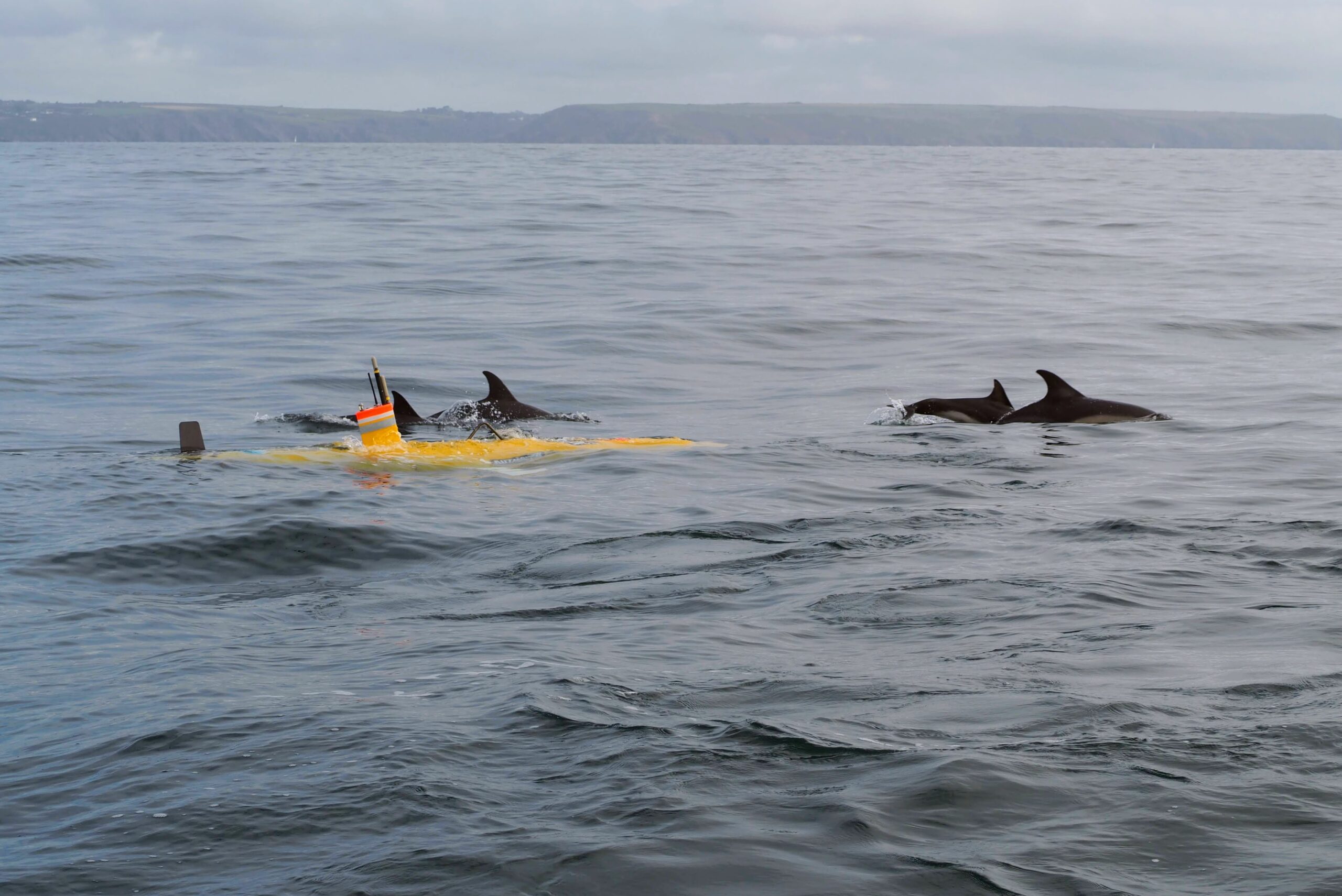 Unique combination of ocean monitoring technologies put to the test in Plymouth
A collaborative marine autonomy trial, including expertise from PML scientists, has paved the way for initiatives that will advance understanding of how floating offshore wind in the Celtic Sea could impact ocean fronts and marine ecosystems.
-
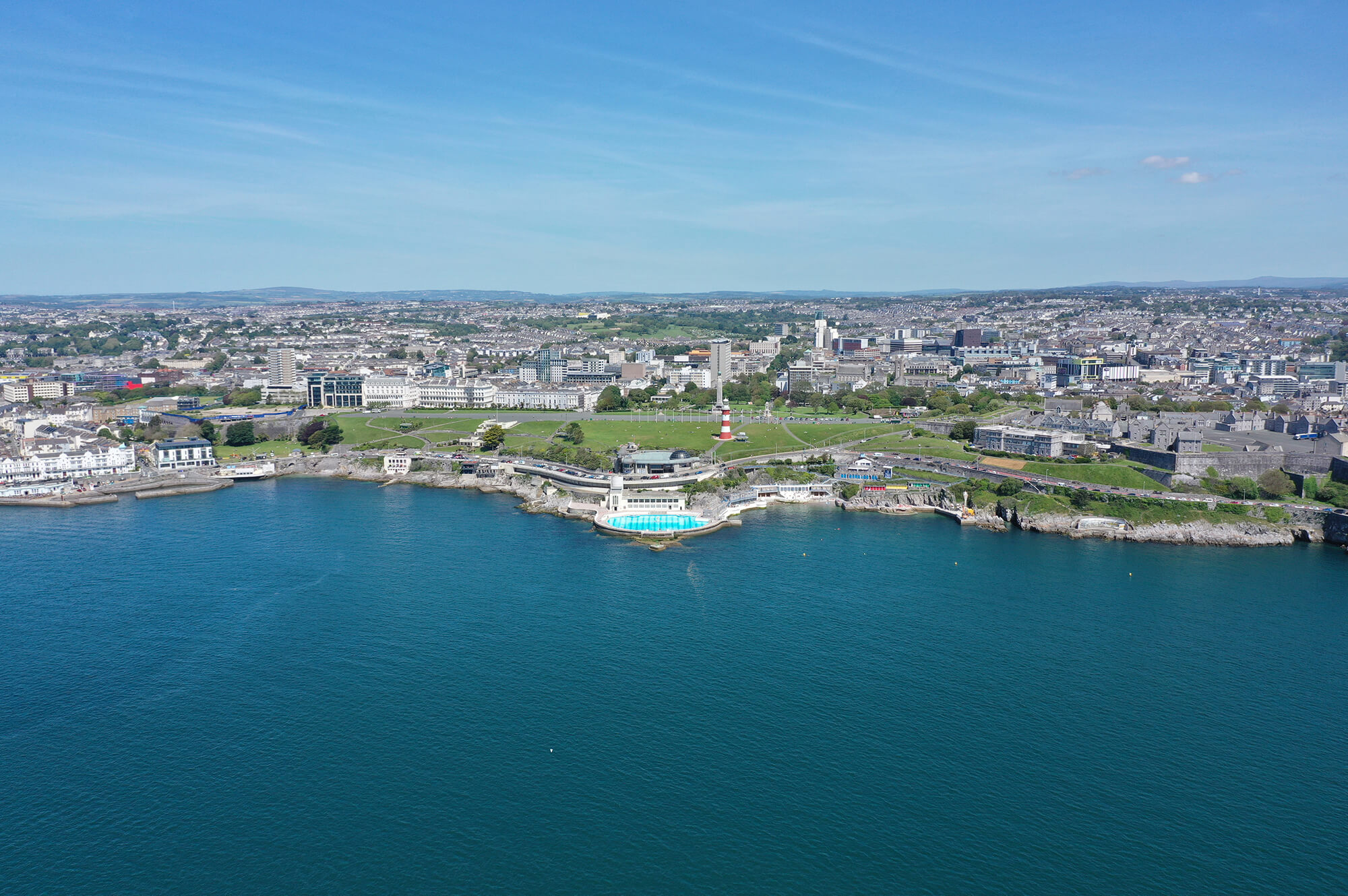 Plymouth to host 8th ‘Advances in Marine Ecosystem Modelling Research (AMEMR)’ conference in 2027
We are delighted to announce that the 8th Advances in Marine Ecosystem Modelling Research (AMEMR) conference, organised by Plymouth Marine Laboratory (PML), will be held at the University of Plymouth on the 5th-8th July 2027.
-
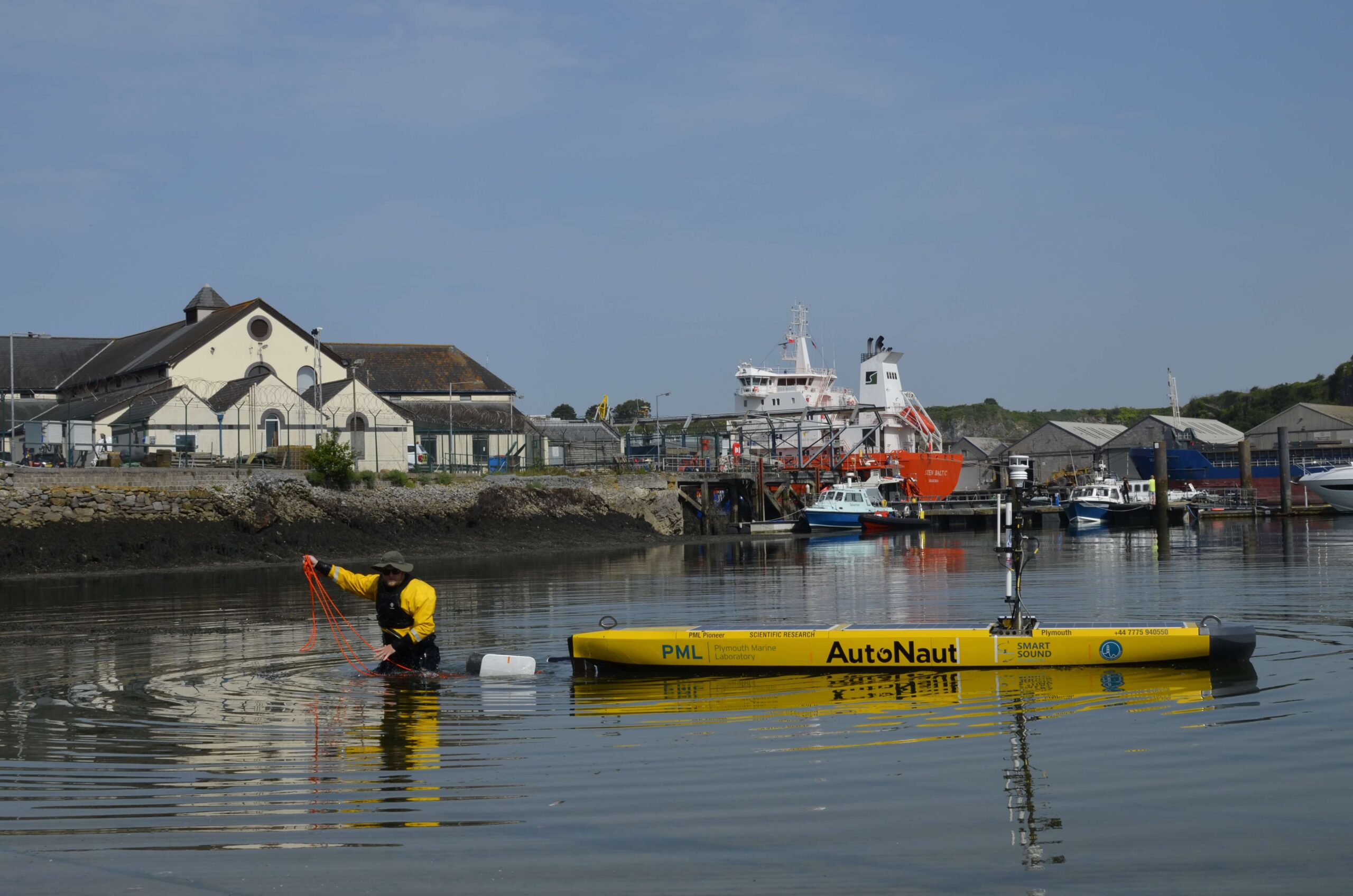 New autonomous monitoring capability demonstrated for floating offshore wind
Scientists test novel sensor integration to help advance autonomous ecosystem assessment and facilitate sustainable offshore wind expansion.
-
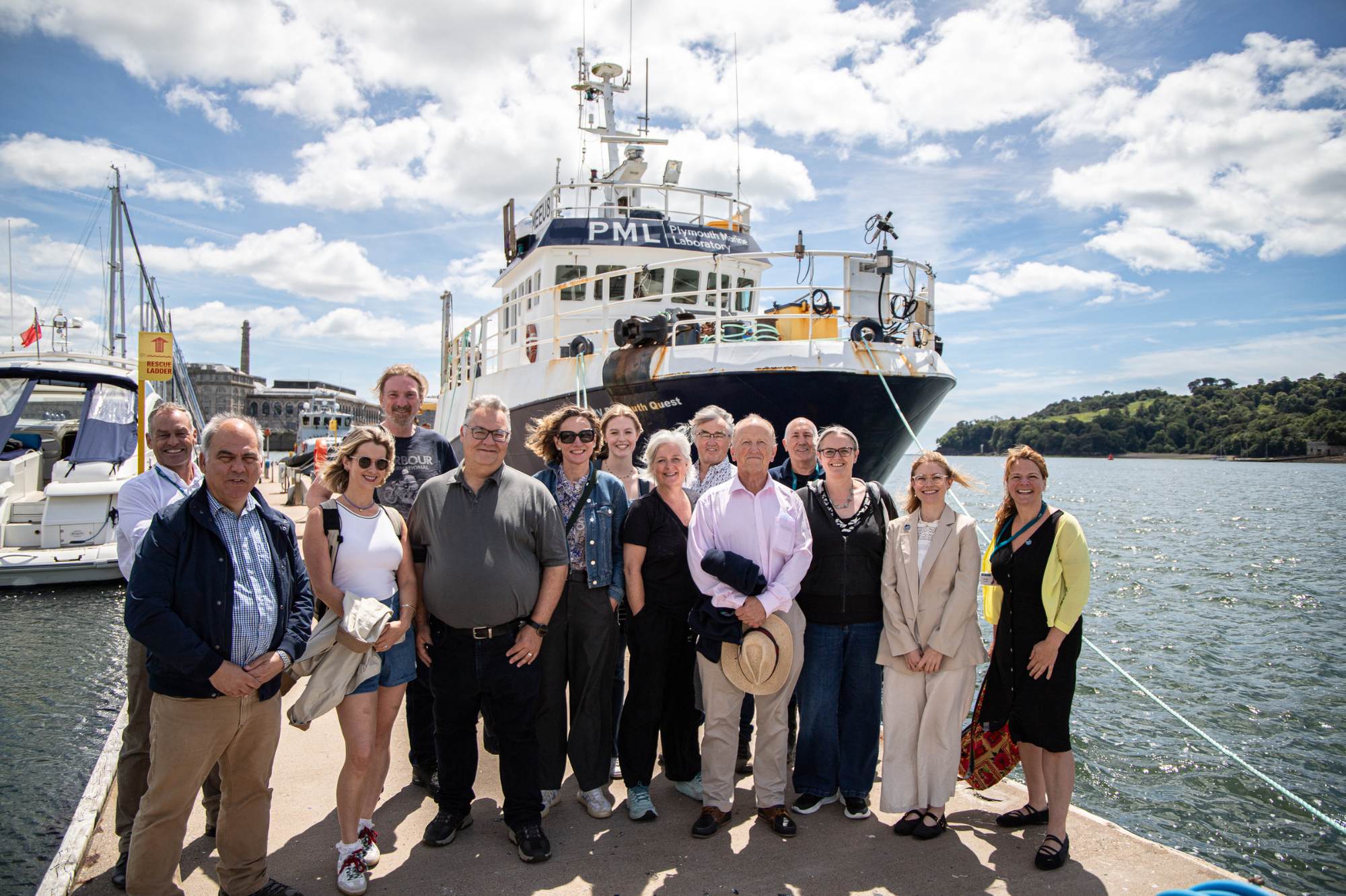 Parliamentarians take to our lab – and the seas – to discover how ocean research supports environmental decision-making
Yesterday, a group of cross-party UK parliamentarians joined us in the laboratory and set sail aboard