Category
Place-based Impact
Science topics & groups

Science group
Place-based impact
PML is committed to creating impactful research that provides solutions to challenges in the marine environment at both local and regional scales. By promoting optimal use of data and information, we aim to make a significant difference in our local community and beyond. Our extensive natural scienc...
Read moreRelated Projects
-
 AgZero+ Towards sustainable, climate-neutral farmingPlymouth Marine Laboratory (PML) is a partner in a major five-year £13.8 million research programme, named “AgZero+’, to support the UK’s transition towards home-grown food production that is sustainable, carbon-neutral and has a positive effect on nature.
 -
 Marine Social and Natural Capital LaboratoryLaunching the first Marine Social and Natural Capital Laboratory of its kind, linking social and natural sciences enabling data for ground-breaking research into sustainable use, human well-being and ecosystem services. In fact, this new laboratory provides the perfect testbed for novel and transfor...
 -
 Automated, in situ Plankton Imaging and Classification System (APICS)The Automated, in situ Plankton Imaging and Classification System (APICS) will radically improve the understanding of how environmental changes are affecting plankton, the microscopic organisms at the foundation of the marine food chain.
 -
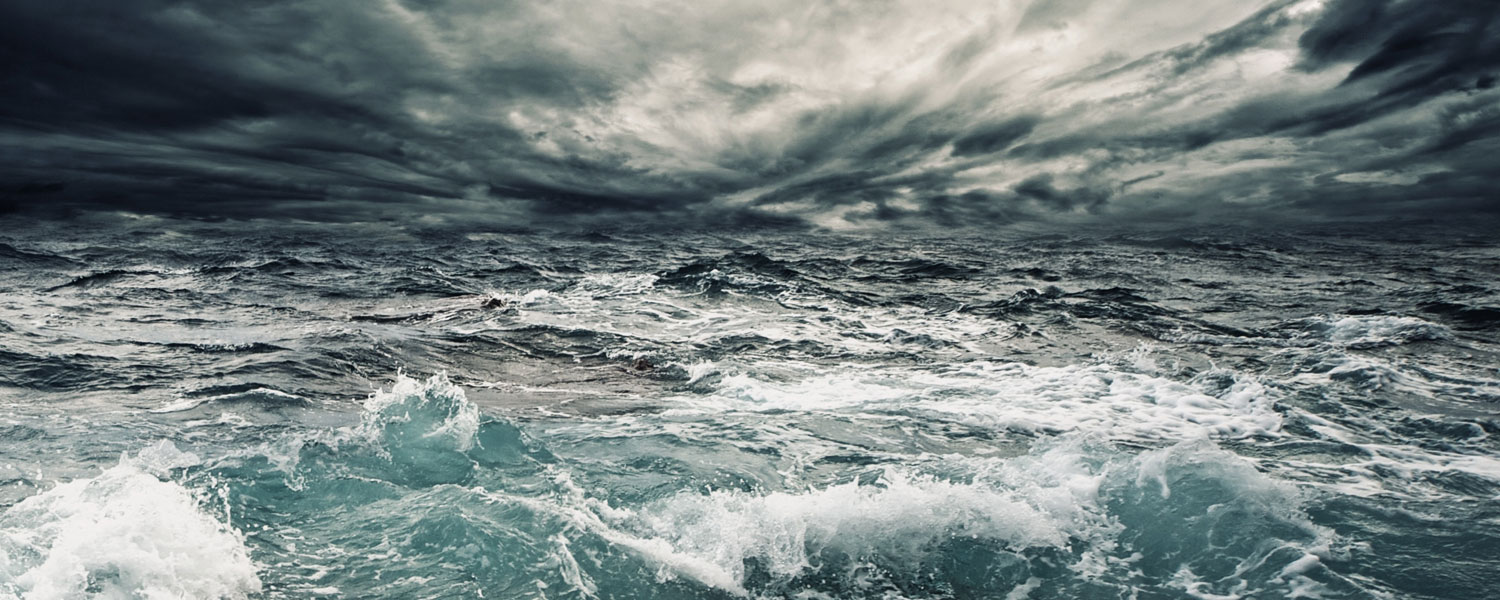 MyCOASTMyCOAST will develop risk management tools and a Coordination Atlantic Coastal Operational Observatory to improve coastal monitoring and forecasting tools to support threat and emergency response by in the Atlantic area.
 -
 Western Channel Observatory (WCO)The Western Channel Observatory (WCO) is an oceanographic time-series and marine biodiversity reference site in the Western English Channel. In-situ measurements are undertaken weekly at coastal station L4 and fortnightly at open shelf station E1 using our research vessels and that of the Marine Bio...
Related News
05 October 2026
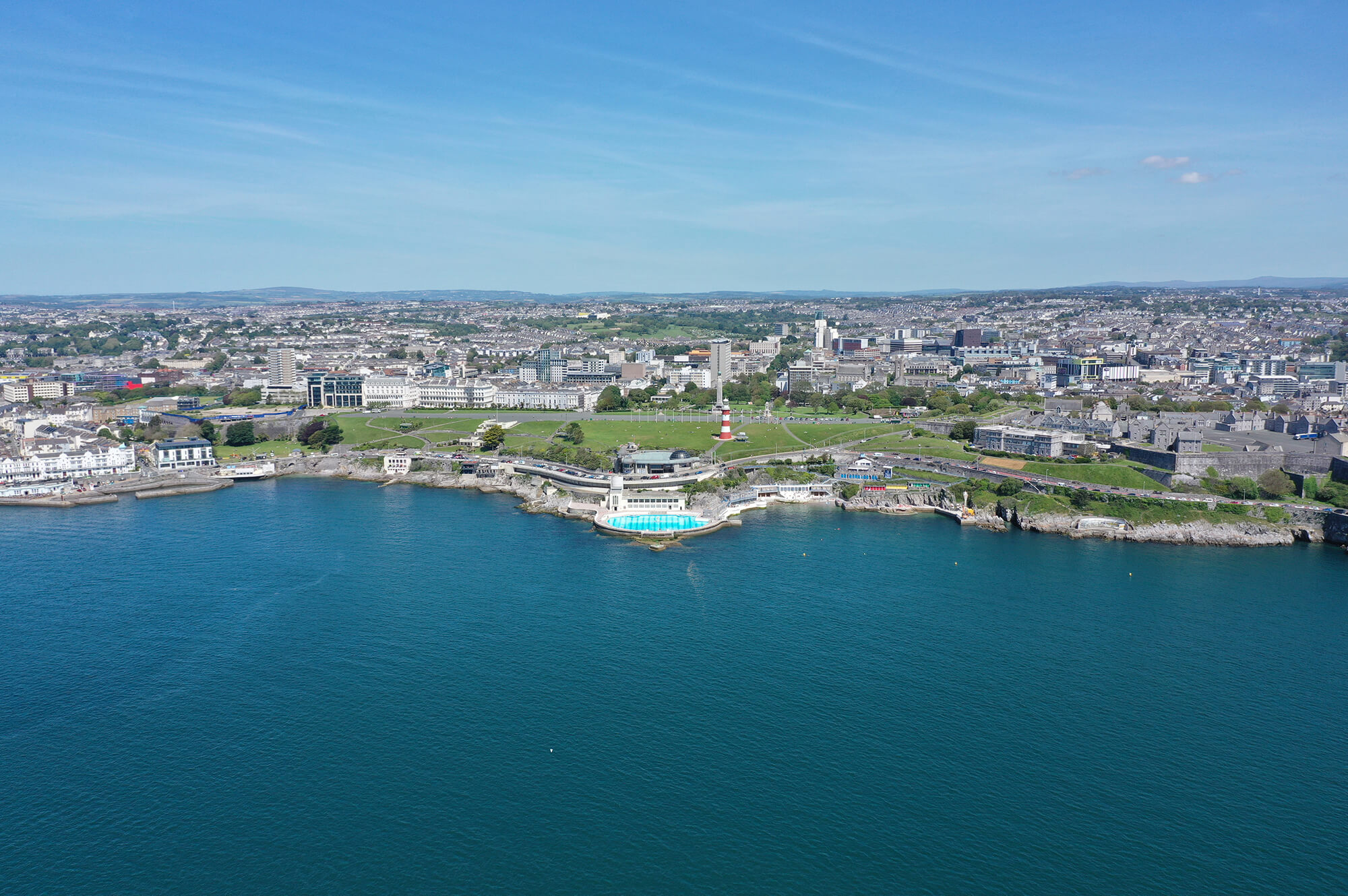
Plymouth to host 8th ‘Advances in Marine Ecosystem Modelling Research (AMEMR)’ conference in 2027
We are delighted to announce that the 8th Advances in Marine Ecosystem Modelling Research (AMEMR) conference, organised by Plymouth Marine Laboratory (PML), will be held at the University of Plymouth on the 5th-8th July 2027.
-
-
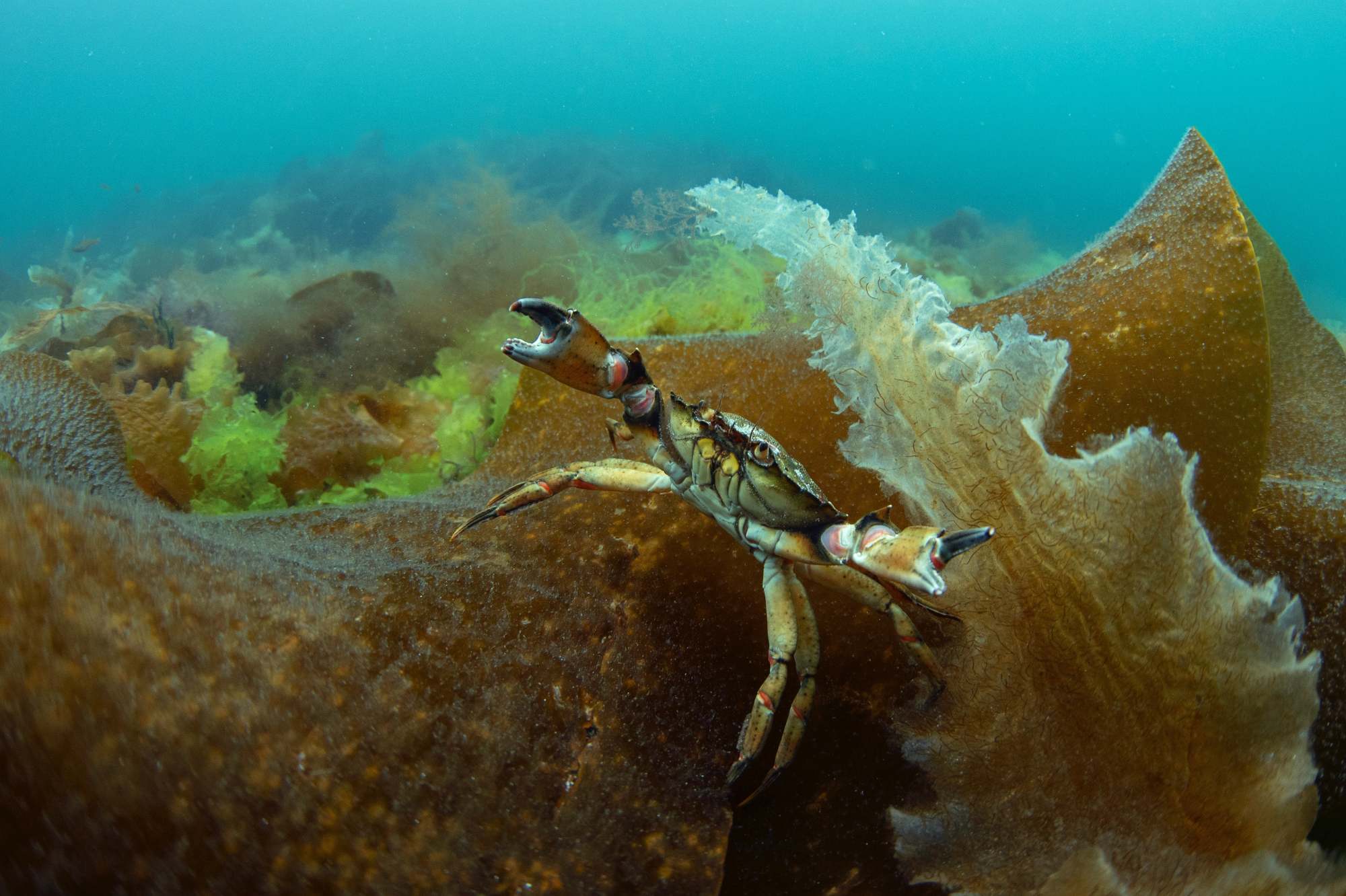
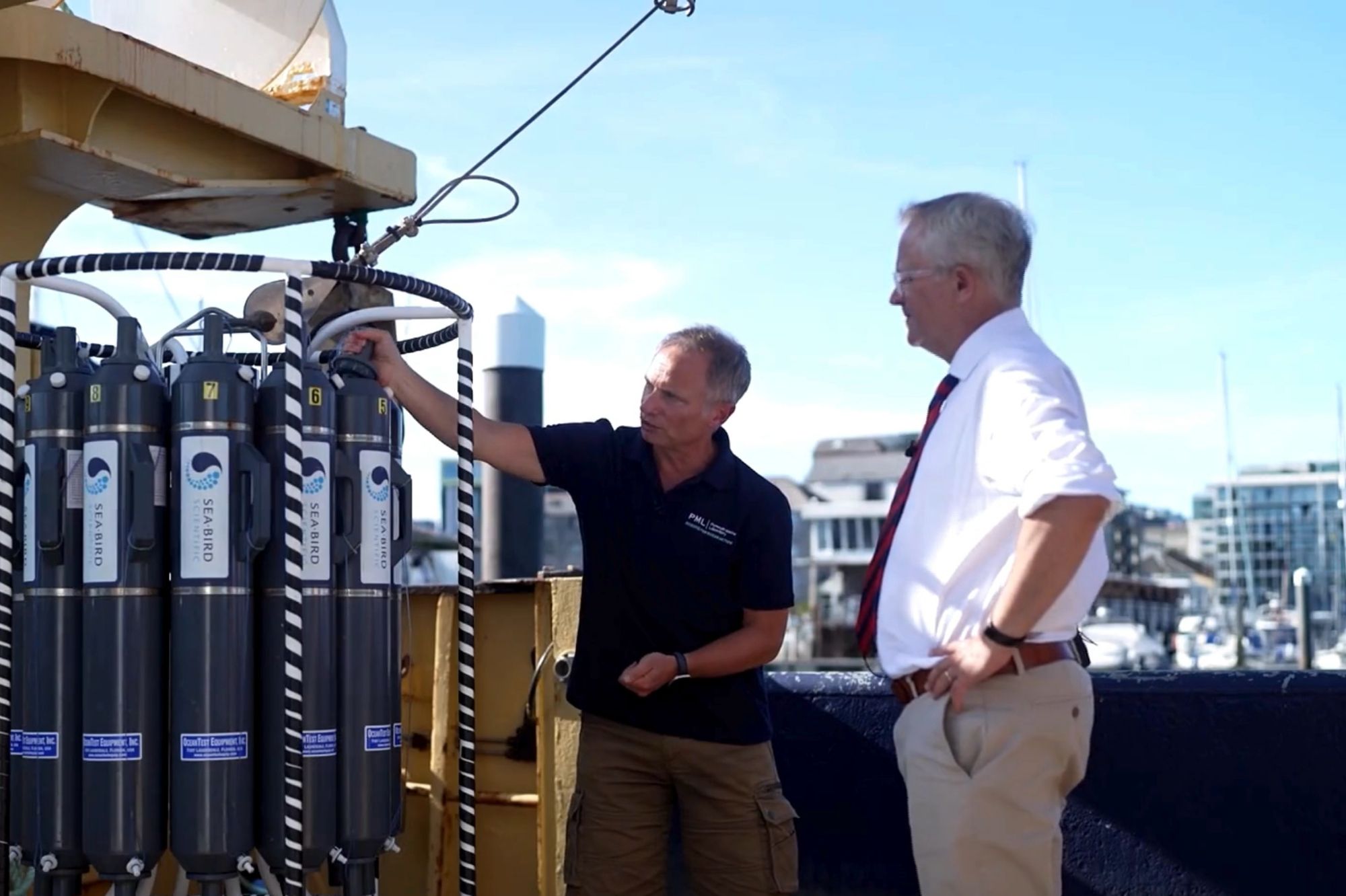 “Expect different” – PML’s Prof Tim Smyth on the effects of warming UK waters
PML’s Director of Science Professor Tim Smyth featured on Channel 5 News this week, speaking to Simon Vigar about the Mediterranean octopus thriving in warmer UK waters.
-
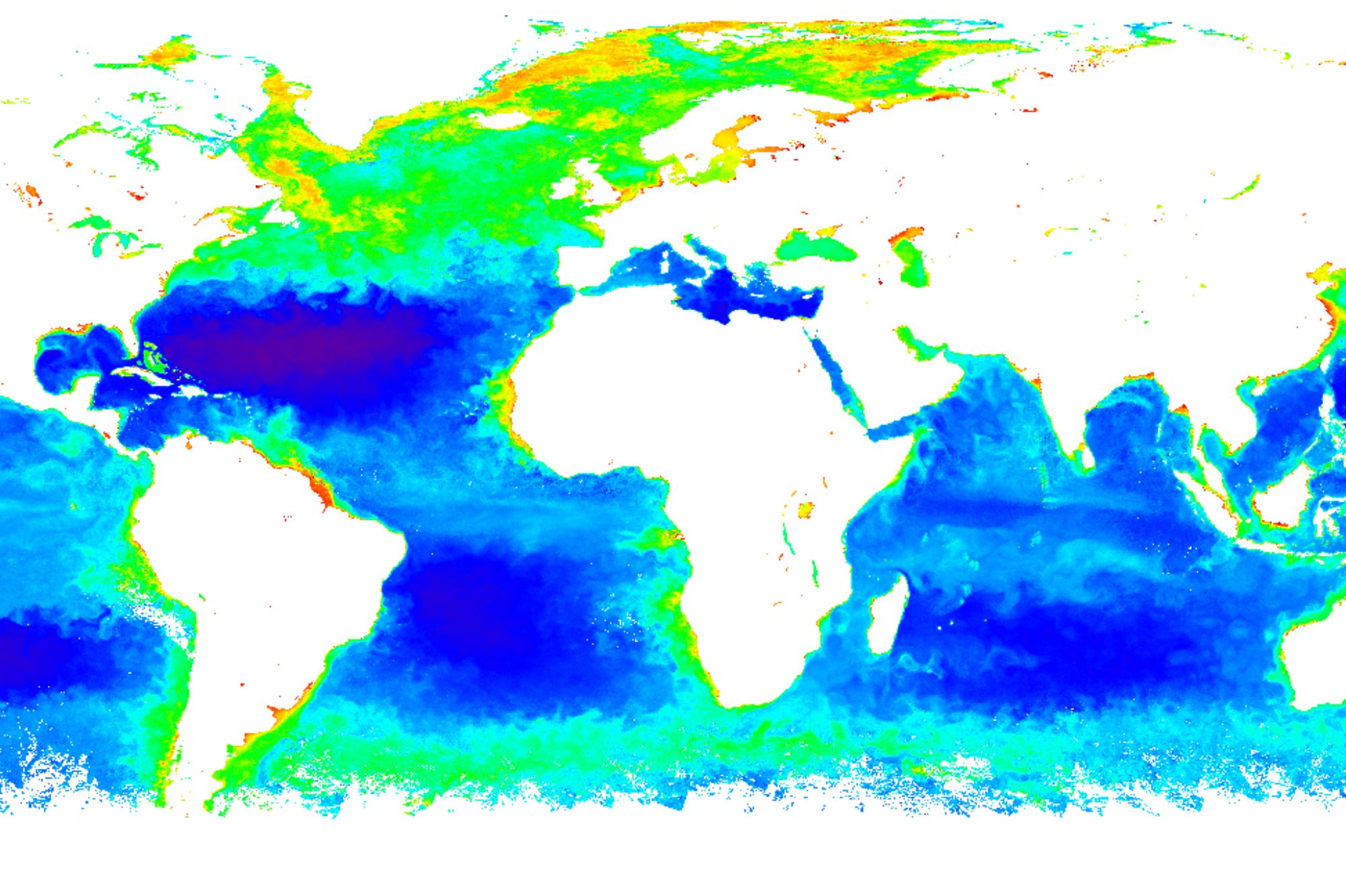 Satellites are helping scientists track changes in the health of the ocean – and a new study shows their precision is growing
Scientists at Plymouth Marine Laboratory (PML) have conducted the largest ever global assessment of the accuracy of
-
 Global ocean hits highest temperature on record as El Niño grows
The average surface temperature of the planet’s seas outside the polar regions hit 21.1C (70F) on Saturday, according to figures from the European Copernicus climate change service