Category
Autonomy, technology and digitisation
Science topics & groups

Science group
Nature-based solutions
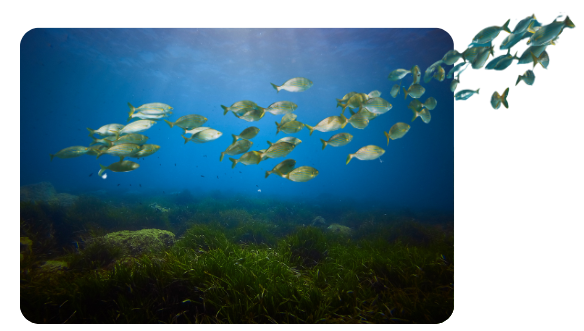
Nature-based Solutions (NbS) are environmental management approaches that protect nature whilst helping to address societal problems, such as climate change and pollution. By making people a key recipient of nature conservation benefits, NbS accelerate action and facilitate buy-in for approaches li...
Read more
Science group
Carbon Capture and Storage (CCS)
Carbon (dioxide) Capture and Storage (CCS) is used as a mitigation strategy for addressing the increasing levels of carbon dioxide in the atmosphere. We are working to deliver new approaches, methodologies and tools for the safe and efficient operation of offshore storage sites.
Read more
Science group
Autonomous sampling
PML is working to progress the technological transition towards autonomous measurements and platforms to collect environmental and biological data using our fleet of autonomous ocean robots.
Read more
Science group
Artificial intelligence and machine learning
We apply artificial intelligence and machine learning techniques to address environmental challenges
Read more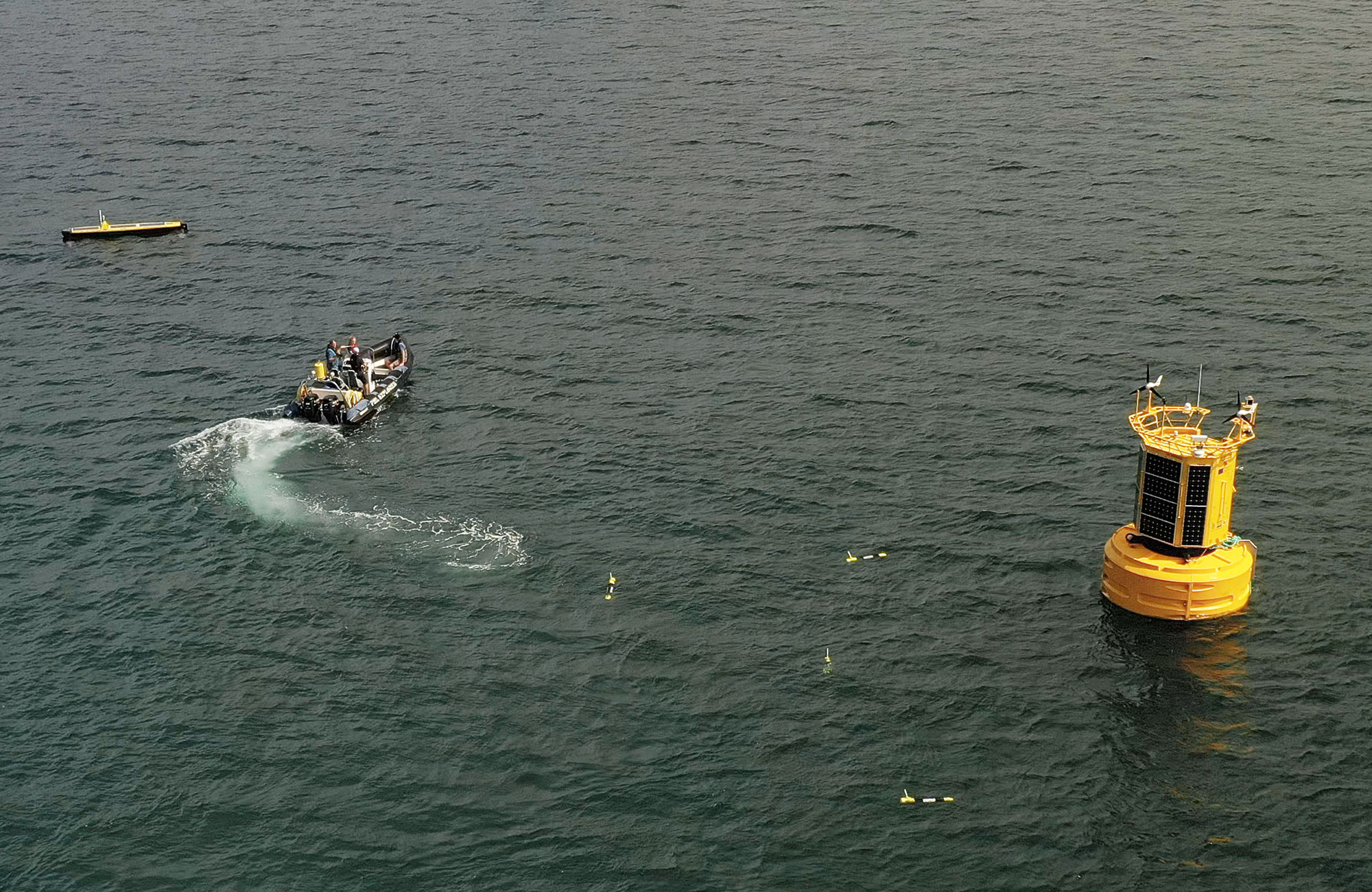
Science group
Autonomy, technology and digitisation
Advances in marine technology can deliver economic benefits and improve the management, sustainability and governance of marine and coastal environments. Our scientists, modellers and technologists operate at the forefront of marine technology development.
Read moreRelated Projects
-
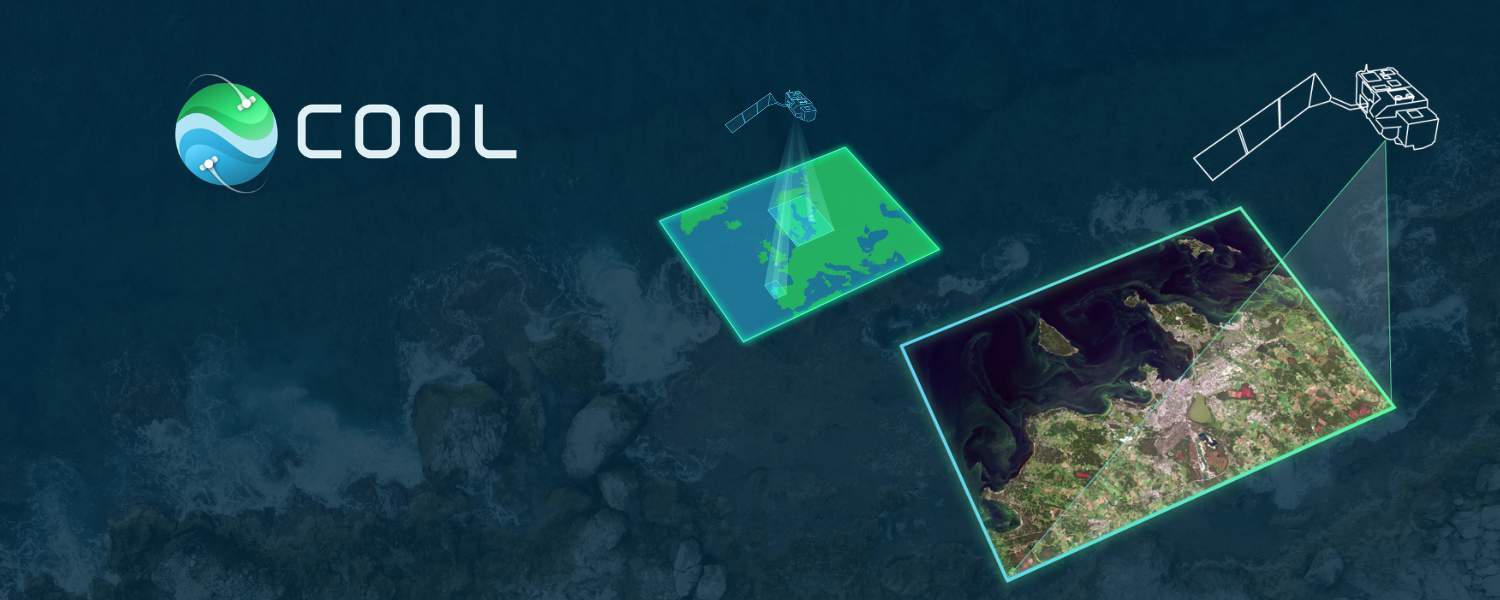 Carbon from earth Observation between Ocean and Land (COOL)The COOL (Carbon from Earth Observation between Ocean and Land) project is a European Space Agency (ESA)-funded initiative focused on improving how we observe and understand the carbon cycle in coastal waters using satellite data.
 -
 Satellite-based observations of Carbon in the Ocean: Pools, Fluxes and Exchanges (SCOPE)In the Satellite-based observations of Carbon in the Ocean: Pools fluxes and Exchange (SCOPE) project, funded by the European Space Agency (ESA), we bring together an international team of experts to study the ocean carbon cycle from space to better understand how much carbon the ocean stores and ho...
 -
 Deep Vision: AI-enabled Mapping of Vulnerable Marine Ecosystems in the AtlanticCo-led by Plymouth Marine Laboratory and the University of Plymouth, this project uses artificial intelligence and high-resolution seabed data to map vulnerable marine ecosystems across the Atlantic Basin. The resulting evidence supports the design of legal protections for deep-sea biodiversity, inc...
 -
 Ocean ICU: Improving Carbon UnderstandingThe Horizon EU OceanICU is a five year project that seeks to gain a new understanding of the biological carbon pump and its processes in order to provide fundamental knowledge and tools to help policy makers, regulators and Ocean industry–fishing and mining, along with the wider blue econo...
 -
 Monitoring Integrated Digital Support Tool – for CO2 and hypersaline brine monitoring applied to UKIn MIDST-UK, an open source, user friendly, pre-operational Decision Support Tool (DST) will be extended to also included brine release (high salinity, high temperature and varied contaminants) for impact assessment, monitoring, and detection criteria. Case studies are then to be developed within po...
 -
 Smart AUVs for detection and quantification of greenhouse gas seepage in the oceansSmartAUVs will dramatically improve the monitoring capabilities of AUVs, by applying artificial intelligence (AI) in concert with specialized signal processing techniques to enable AUV decision autonomy, i.e., the ability to take intelligent action in real time based on sensor input, enabling sound ...
Related News

09 October 2026
What is El Niño, how does it work and what will it do?
PML’s Dr Lee de Mora explains the science behind El Niño and explores how it could shape weather around the world – and here in the UK.
-
 New paper highlights the ocean‘s role in uniting global environmental action
The article, co-authored by PML’s Office for International Affairs, presents scientific and policy rationales for positioning the ocean as a unifying agenda to advance major international environmental treaties.
-
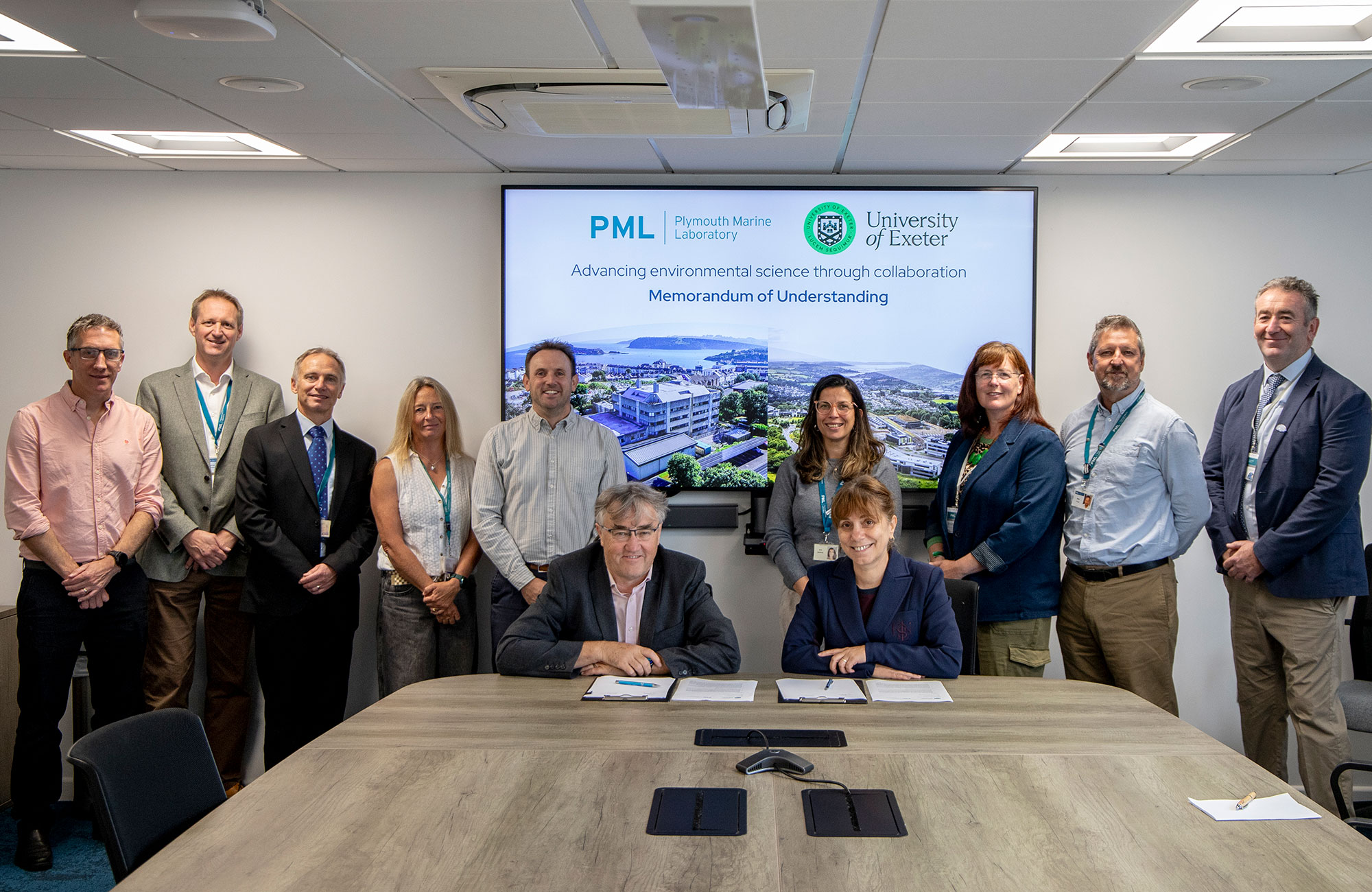 Marine collaboration strengthened in boost to South West region
Two of the South West’s leading organisations for marine research and education have signed a new Memorandum of Understanding (MoU), reflecting their shared commitment to addressing the key issues facing the sustainable future of oceans.
-
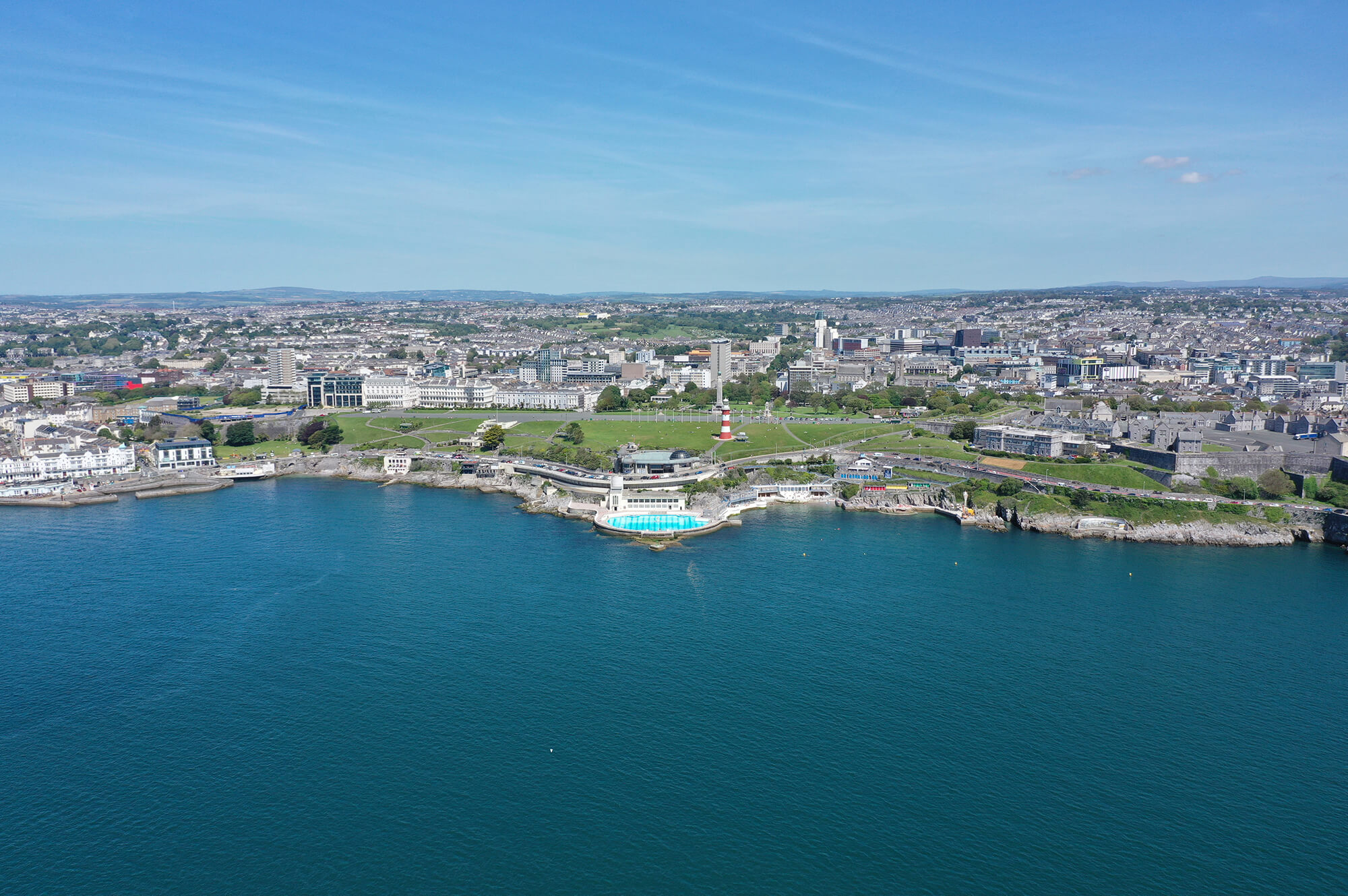 Plymouth to host 8th ‘Advances in Marine Ecosystem Modelling Research (AMEMR)’ conference in 2027
We are delighted to announce that the 8th Advances in Marine Ecosystem Modelling Research (AMEMR) conference, organised by Plymouth Marine Laboratory (PML), will be held at the University of Plymouth on the 5th-8th July 2027.
-
 Building trust in AI for better ocean forecasting
The International Telecommunication Union recently published their ‘AI for Good, Innovate for Impact’ interim report 2026, which features a PML-led case study that offers potential for trustworthy, lower-cost marine early war...