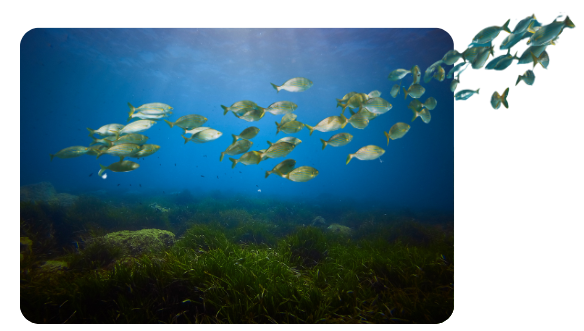
Social and economic advances cannot be sustained unless the health of the environment is maintained. The cumulative and rapidly increasing activities of billions of people have accelerating impacts affecting the entire planet. These include emissions of gases and the consequences of their presence in both the sea and the atmosphere, non-sustainable use of resources, pollution and habitat degradation. One consequence is that the planet is losing biological diversity, both on land and over the 71% covered by oceans, coastal waters and estuaries.
Biodiversity loss rarely occurs on its own, but it is usually a consequence of drivers acting either alone or in synergy. Combatting this loss is critical for sustainability, well-being and, ultimately, survival. The sea is rich in genetic, species and ecosystem diversity but, compared to biodiversity conservation on land, the conservation of marine biodiversity has received far less attention. This is reflected in the UN sustainability goals, where SDG 14 Life below water is about conserving and using resources for development, while halting biodiversity loss only appears in SDG 15 Life on land.
Understanding and combatting marine biodiversity loss is about far more than conservation, however. Biodiversity loss can affect the ways in which ecosystems function, their ability to support goods and services on which people depend, and the state of the planet on which our descendants will have to live. Efforts to protect the seas, to measure and improve their condition, to regulate and reduce extractive activities, pollutants and waste, to understand and monitor changes driven by both natural variability and human pressures, to manage use of seas and coasts and inputs from the land to the sea, will all be of relevance to the challenge of combatting marine biodiversity loss.
PML is unique in our capability to link laboratory and field studies, satellite observations, physical and ecosystem modelling and socio-economics. We study marine biodiversity at all scales, from genes to the largest ecosystems. This enables us to understand why biodiversity is changing and to predict changes that are likely to happen in the future. It also enables us to understand the consequences of biodiversity loss both for marine life and for people and to use this knowledge to inform policy.
Methods developed at PML for linking empirical and socio-economic research, and valuing marine ecosystem benefits, currently inform policy and management approaches in the UK and provide evidence for the designation of marine protected areas. Novel statistical approaches from PML, which link empirical and modelled data and ecosystem-services mapping, are being used to include biodiversity conservation objectives in climate-ready Marine Spatial Plans in Ireland and Vietnam.
-
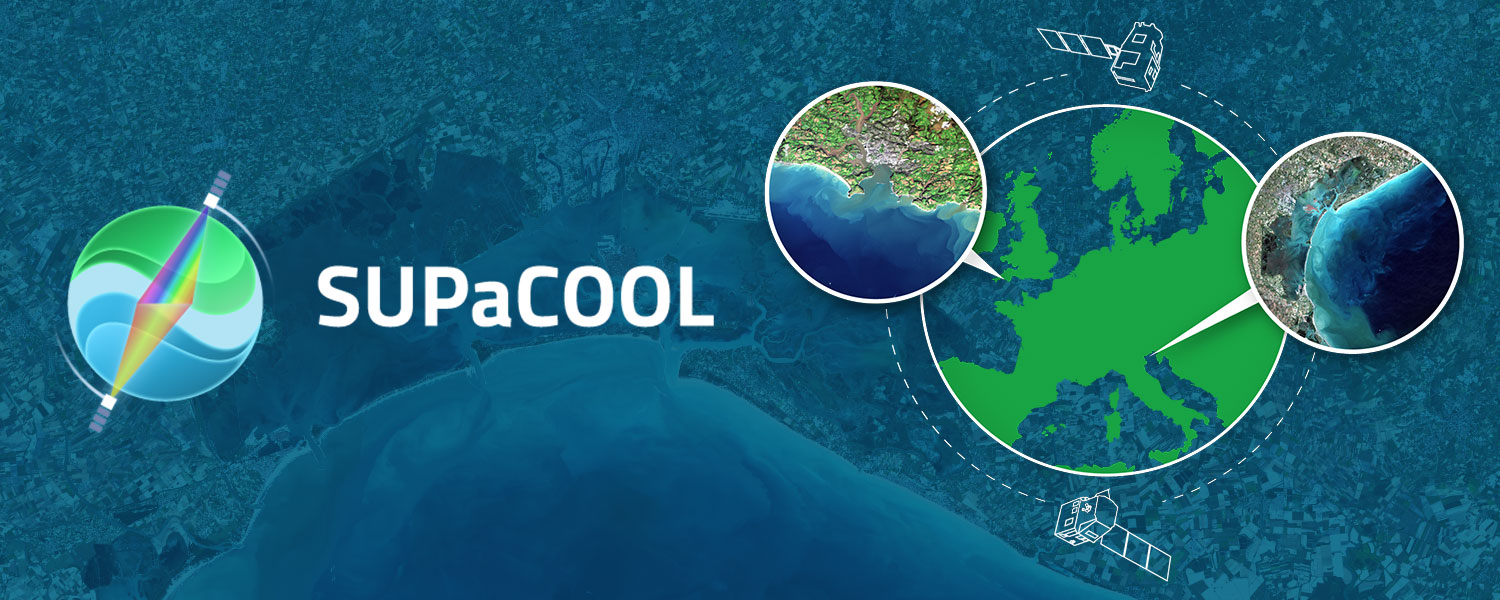 SUPaCOOL – Sentinel User Preparation and organic Carbon from earth Observation between Ocean and Land
Preparing users for next-generation CHIME and LSTM satellite missions to monitor organic carbon flux in coastal waters and river plumes-closing…
-
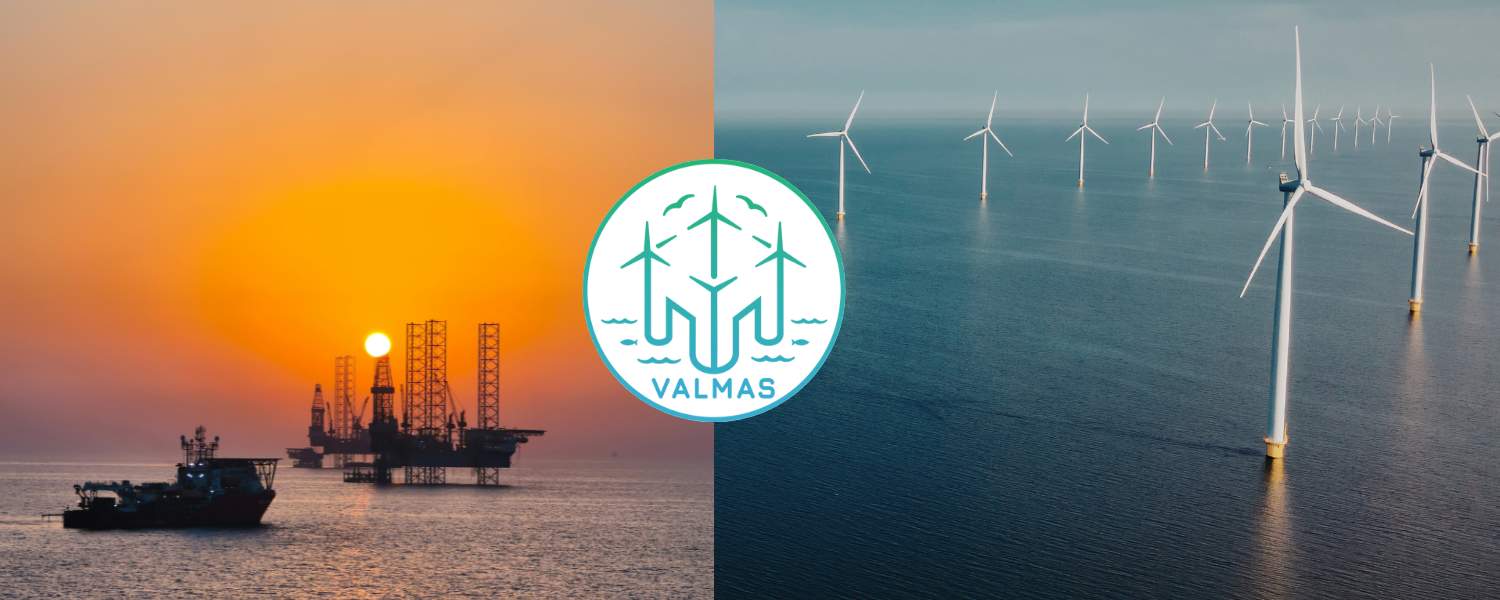 Valmas: Valuing Marine Artificial Structures
VALMAS is a £5.6 million UK research programme that examines how marine artificial structures, such as offshore wind turbines and…
-
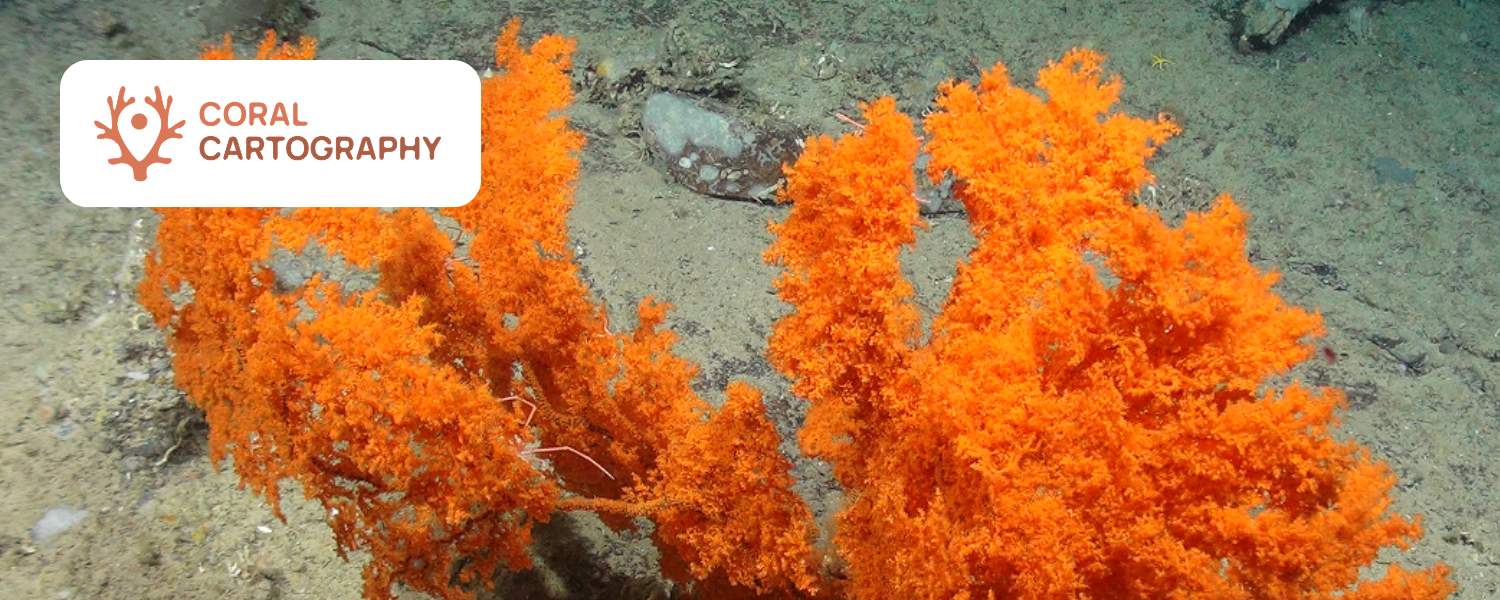 Coral Cartography: Mapping Atlantic Cold-Water Corals to support Area Based Management
Coral Cartography uses deep-sea imagery to map the distribution and density of cold-water corals across the Atlantic Ocean. By combining…
-
 DEAL: DEcentrAlised Learning for automated image analysis and biodiversity monitoring
DEAL will create an application that allows owners of biological image data to participate in decentralised, collaborative networks, where they…
-
 CHALKY: Coccolithophore controls on ocean alkalinity
The CHALKY project aims to determine how coccolithophore calcium carbonate production, recycling and export from the surface ocean affects air-sea…
-
 HyperBOOST – Hyperspectral Bio-Optical Observations Sailing on Tara
Marine ecosystem health in coastal areas can be challenging to monitor using Earth Observation due to their optical complexity. HyperBOOST…
-
 APICS
APICSThe Automated, in situ Plankton Imaging and Classification System (APICS) will radically improve the understanding of how environmental changes are…
-
 Biodiversity in the Open Ocean: Mapping, Monitoring and Modelling (BOOMS)
Increasing pressure due to anthropogenic drivers is leading to a reduction of global biodiversity and its associated benefits at the…
-
 Biodiversity of the Coastal Ocean: Monitoring with Earth Observation (BiCOME)
BiCOME will develop a better understanding of how the community structure and function of coastal ecosystems will respond to the…
-
 DREAMS – Decommissioning – Relative Effects of Alternative Management Strategies
The highly integrated DREAMS project is designed to bring together information about the effects of man-made structures on the marine…