Latest story
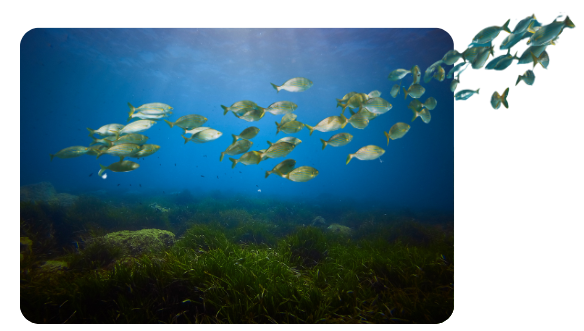
Undermeasured compound could help resilience against climate change in key coastal waters
New study helps improve understanding of the interplay between species domination, competitive advantage and changing environmental factors relevant to climate change.
Other recent news stories

Emissions of unexpected gases from marine life affect the air and climate over the poles
01 February 2023A new study reveals that trace atmospheric gases thought to be pollutants are also produced by marine plankton and emitted by the ocean, with potentia...


Staff Spotlight: Dr Lee de Mora - Marine Ecosystem Modeller
31 January 2023Dr Lee de Mora sits within our Marine Systems Modelling group, which develops and applies state-of-the-art computational models to promote sustainable...

Green light for project to enhance understanding of climate change &human impacts on coastal ocean
30 January 2023The “FOCUS’ project is one of six given the go-ahead as part of a £39m funding announcement from the Natural Environment Research Council (NERC)

New study investigates seaweed detritus as a Blue Carbon 'blind spot'
27 January 2023Pioneering techniques helps reveal how link between seaweed habitats and the seafloor may affect the global carbon cycling.

New approach to satellite data analysis reveals unexpected patterns in biological production
18 January 2023The pioneering statistical method compensates more accurately for gaps in chlorophyll and sea surface temperature data.


Scientists stress the need to drastically reduce CO emissions by 2030 to avoid crossing irreversible thresholds for frozen Earth
09 January 2023“Only by halving emissions by 2030, in line with the Paris Agreement’s science-based 1.5°C limit, can we minimise the risks of crossing irreversi...


PML welcomes the adoption of the Global Biodiversity Framework following COP15
19 December 2022After lengthy deliberation nearly 200 countries signed the pact aimed at halting and reversing biodiversity loss.

World first satellite mission to measure surface waters successfully launched
16 December 2022PML scientists are over the moon with the opportunities the ‘Surface Water and Ocean Topography (SWOT)’ mission will open up for increasing our un...


Current Events
No current events at this time.
Upcoming Events

PlyMSEF Annual Spring Lecture
11 May 2026
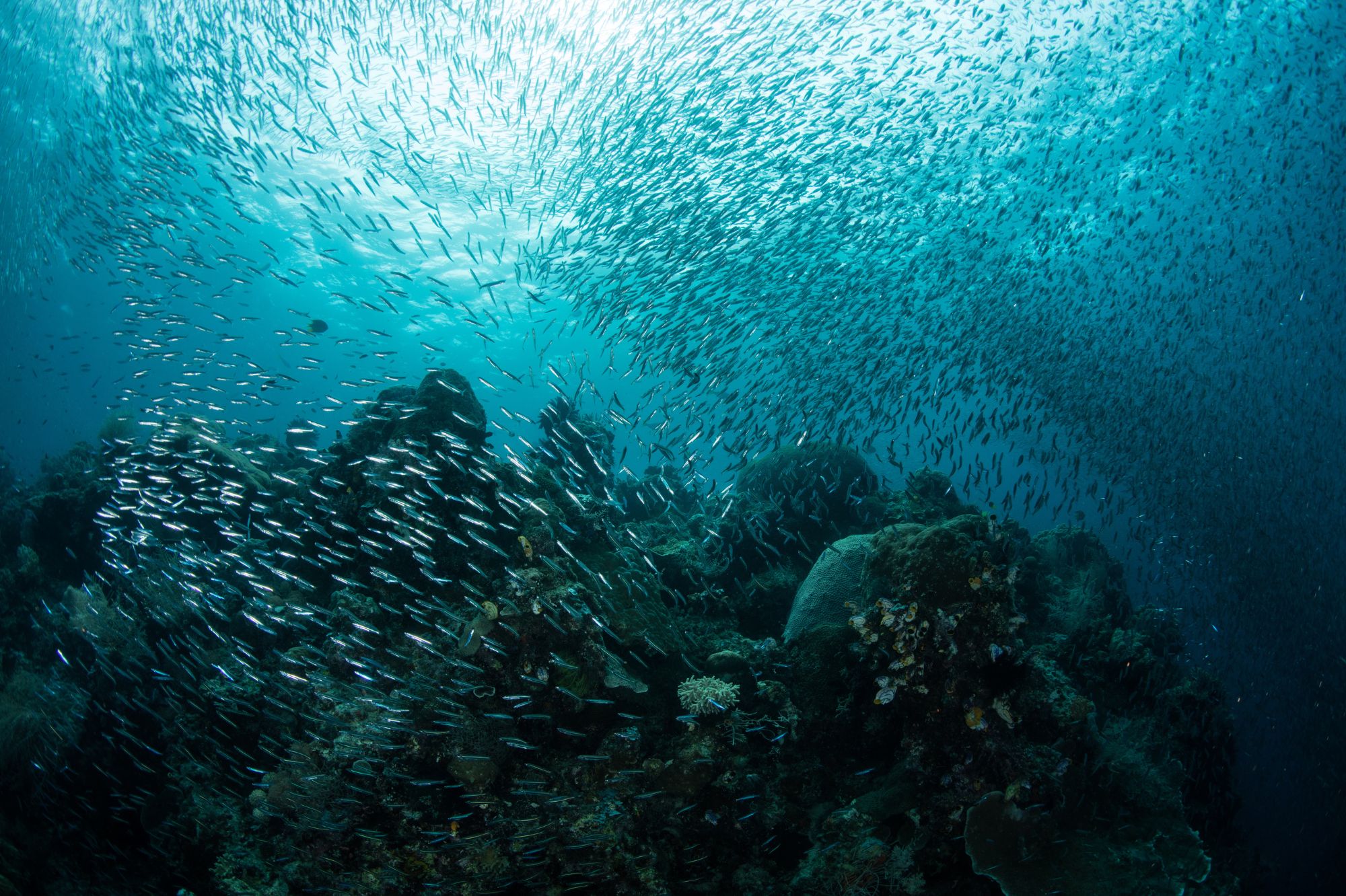
SXSW London: South by Southwest London
1 June 2026
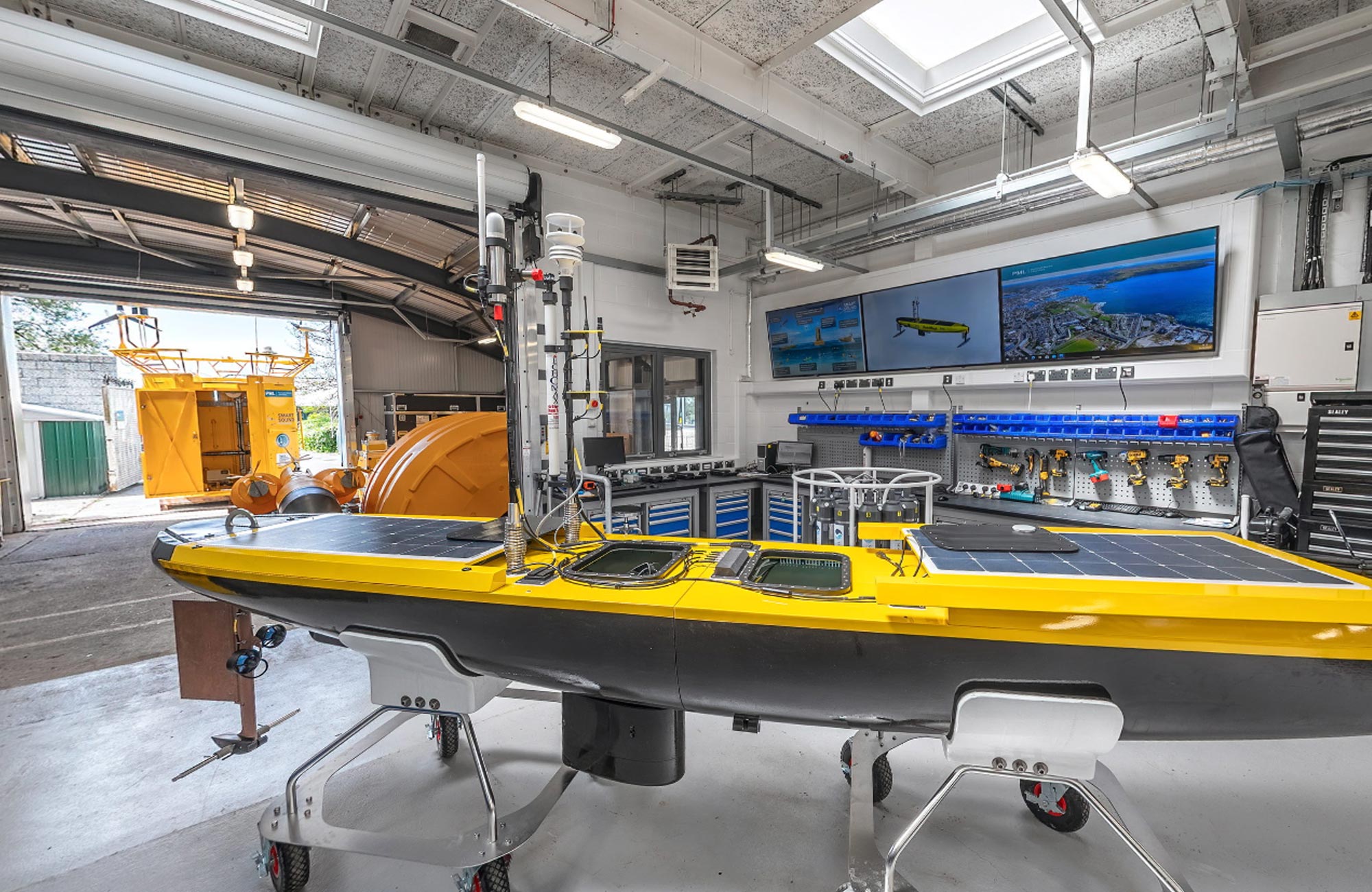
NERC Tech Forum 2026
2 June 2026
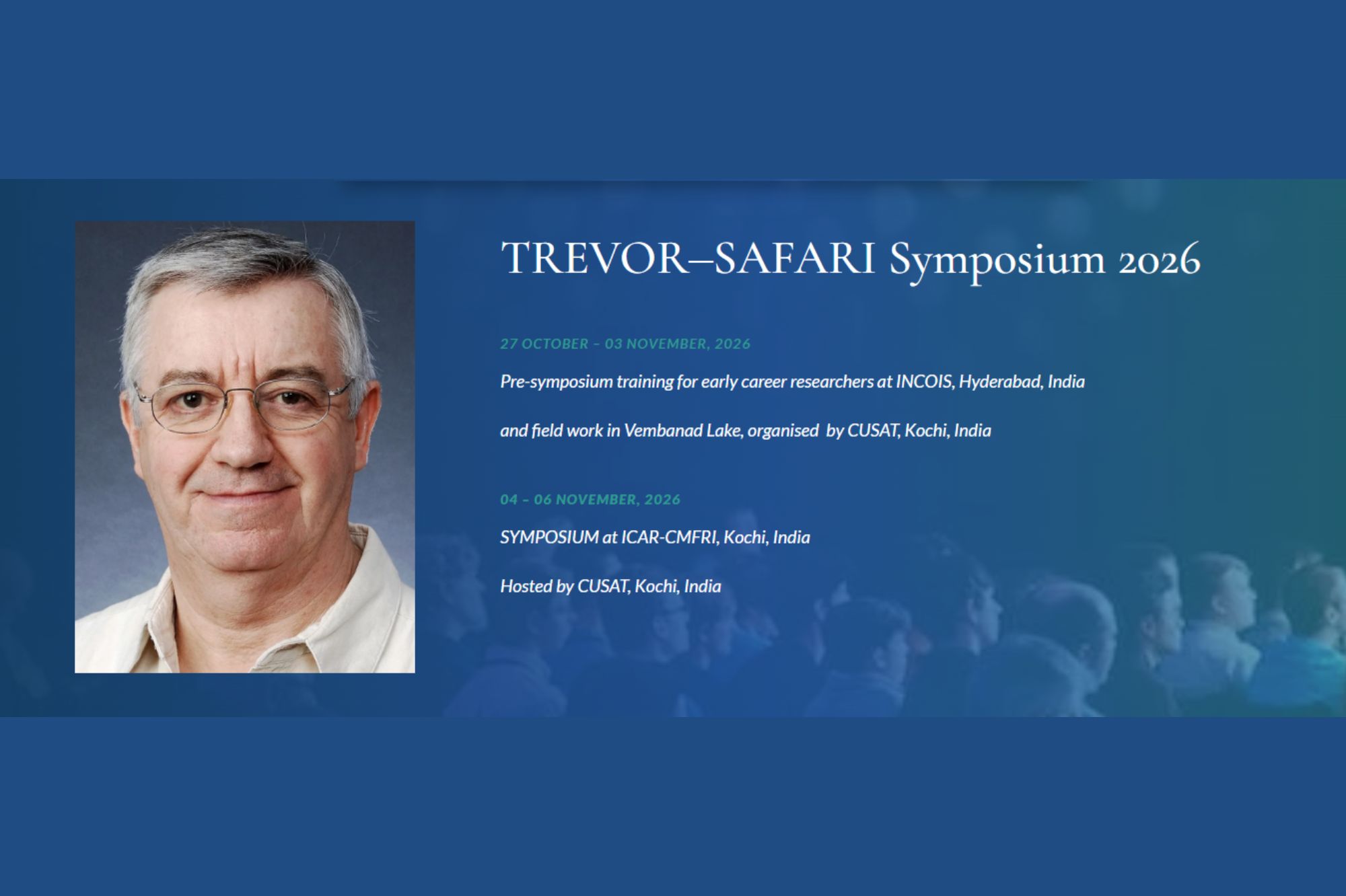
TREVOR-SAFARI 2026
27 October 2026
Subscribe to our newsletter
Stay Up To Date
Subscribe to our newsletter for information on our latest research, upcoming events and seminars and more.
Join our newsletter