Story
Learn about the plastic lifecycle: from manufacture to disposal and sustainability
30 January 2026
A new free learning resource has been launched, co-produced between Plymouth Marine Laboratory and the Primary Science Teaching Trust, that aims to improve children’s understanding of the whole cycle of plastic: its manufacture, use and disposal, and the role science is playing in the development of more sustainable approaches.
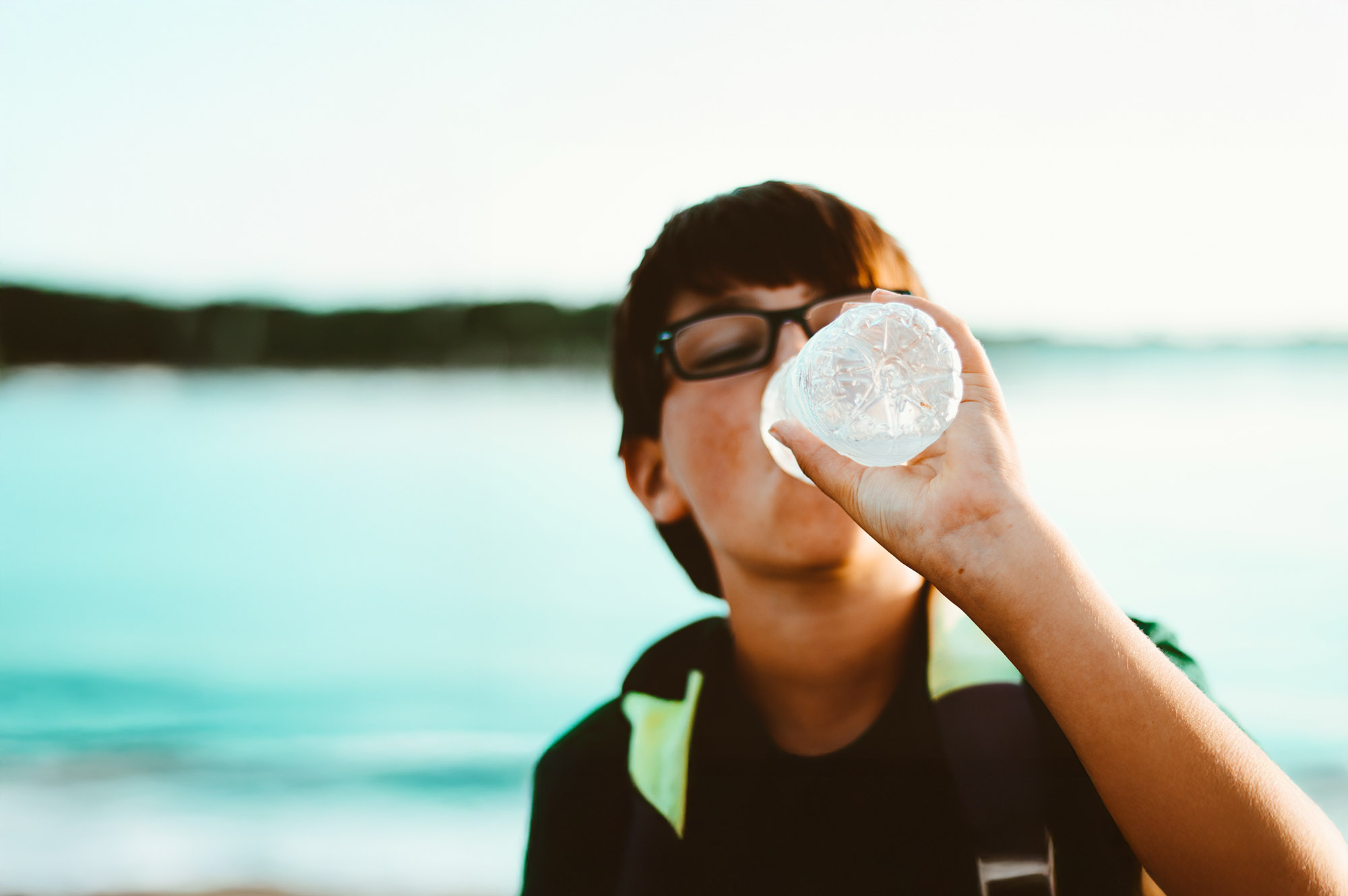
Child drinking from a plastic bottle. Sydneyra | Pixabay
“I liked seeing the microplastic because it made me realised what goes into face cream.” (Learner)
“The video was great and really supported the lesson well.” (Teacher)
Plastic is one of the most versatile materials in our lives and offers benefits including: superior product protection, extended shelf life of perishables, enhanced hygiene and a low-cost, lightweight packing material for shipping.
However, with global production estimates to be approximately 150 million tonnes a year, the manufacture of single-use, disposable plastic packaging has resulted in a huge waste problem across the globe.
Plastics represent about 80% of marine litter, which is often caused by poor waste management and littering on land as well as some maritime activities. Research has found that single-use plastic is a major component of this marine litter.
Plastic is also traditionally made from oil and the extraction of this fossil fuel as well as its manufacture into plastics both result in the emission of high levels of carbon dioxide, which contribute to the greenhouse effect and global warming.
The ‘Cycle of Plastic’ is a seven-lesson resource, aimed at primary school students from ages 5 to 12, exploring the full lifecycle of plastic. The topics covered are:
- Fantastic plastic – investigating the properties of different materials
- Why is plastic such a popular material?
- Bio-based plastics – making plastics from better sources
- How can we make plastic from plants?
- Reversible changes – the tricky bit about recycling
- What happens when we recycle plastics?
- Hidden plastics – plastic where we don’t expect it
- Can we spot plastics hidden in our household items?
- Separation challenge – separating plastic waste from other materials
- How can we remove plastic from our environment?
- Waste hierarchy – making decisions about the disposal of plastic
- What do we do with our waste plastic?
- Consumer choice – making good choices about our use of plastic
- What can we use instead of plastic?
Each lesson is introduced through a short video featuring a scientist working with plastics, followed by practical classroom activities.
Lessons include key concepts and vocabulary, resource lists to support practical sciences and additional materials for use in the classroom. Pupils are encouraged to think critically about everyday products, explore alternatives and consider how their choices affect sustainability.
The resource, partly funded through philanthropic support from March Marine Initiative, also links to the background science and a full glossary of all lessons is provided for teachers.
Dr Katharine Pemberton, Science Educator and Area Mentor for South West England at the Primary Science Teaching Trust, commented:
“The aim of this resource is to improve children’s understanding of the whole cycle of plastic and address the need to broaden our current teaching from simply highlighting the importance of reducing our dependence on single-use plastic. It aims to help children become critical consumers by learning more about our relationship with plastic and to consider their own role in future solutions.”
“The collaboration with Plymouth Marine Laboratory has allowed us to introduce children to cutting edge science; to real people working on plastics and to the idea of research as a career option. It shows children that global solutions can be approached through collaboration between lots of different people, each doing their small part, either as a professional or a child.”
Prof. Pennie Lindeque, Head of Group for Marine Ecology and Society at Plymouth Marine Laboratory and science lead on the project, added:
“For many years, plastic has been designed with convenience in mind but rarely with its full life cycle considered. This resource gives young people the opportunity to understand what plastic is, where it comes from, where it goes and why that matters. By connecting real-world science with everyday products, we hope to inspire students to think critically, ask questions, and feel empowered to be part of creating more sustainable solutions for the future.”
Feedback from learners:
“I was shocked to find that there is so much micro plastic in the sea and that fish contain so much inside them.” (related to ‘Hidden plastics’)
“I can’t wait to observe this over a long period of time.” (related to ‘Hidden plastics’ – paper cup in water)
“I liked it because you got to compare different bottles made from different materials.” (related to ‘Fantastic plastic’)
Feedback from teachers:
“I really enjoyed the oracy aspect of the task.” (related to ‘Waste hierarchy’)
“I used this activity as part of my plenary. I now use it as part of wet play or if children want to take them outside during break and lunch time.” (related to ‘Consumer choice’ Top Choice cards)
“It was really exciting for children to actually make plastic.” (related to ‘Bio-based plastics’)