Latest story
Former PML Chief Executive awarded Honorary Doctorate
PML’s previous Chief Executive, Professor Stephen de Mora, was awarded an Honorary Doctorate of Science by the University of Plymouth last week.
Other recent news stories

Devon Climate Emergency hearing at PML
05 December 2019Last week, Plymouth Marine Laboratory (PML) hosted Devon Climate Emergency’s second Thematic Hearing on Food, Land and Sea; part of a series of hear...

PML researchers at COP25
03 December 2019This year, the UN Climate Change Conference (UNFCCC COP25) has been named ‘the Blue COP’, prioritising the connection between the ocean and climat...

PML Scientist named as a Highly Cited Researcher
26 November 2019Professor Penelope Lindeque, PML Head of Science for Marine Ecology and Biodiversity, has been named as a Highly Cited Researcher in the field of Envi...

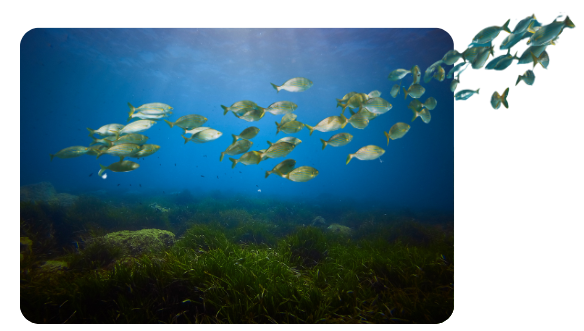
Seaweed, seagrass and sea temperature
22 November 2019With marine heatwaves expected to increase in frequency and intensity due to climate change, new research from researchers at PML, the Scottish Associ...

Seaweed potential in the South West
01 November 2019Seaweed is an underutilised and under-cultivated commodity, but offers huge potential for a variety of products, according to a new paper from PML res...

More than just whale food: krill's influence on carbon dioxide and global climate
18 October 2019Antarctic krill are well-known for their role at the base of the Southern Ocean food web, but also play an important role in removing CO2 from the atm...
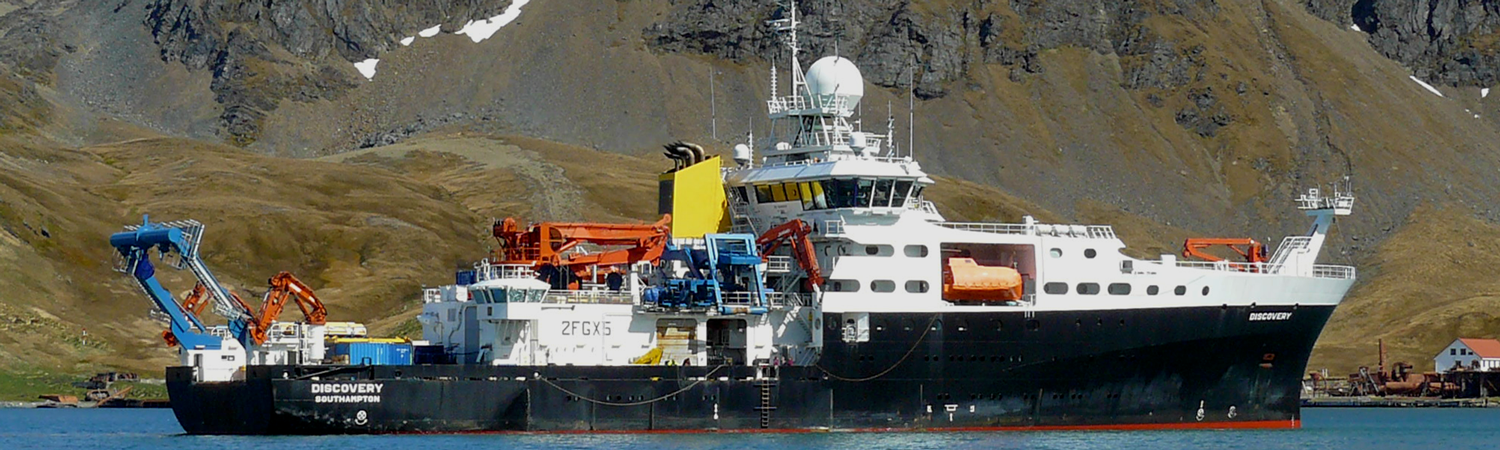
29th AMT research cruise sets sail
16 October 2019PML scientists are on board a research cruise that will spend six weeks sailing from the UK to Chile, taking samples and measurements along the route ...

Understanding phytoplankton communities
14 October 2019Understanding the structure of marine ecosystems is important for sustainable policy and management of the ocean. New research from PML looks at the s...

COMFORT project looks to future of the ocean
09 October 2019A new EU Horizon 2020 project, involving PML researchers, is kicking off this week, aiming to detect and minimise climate change in the oceans by focu...

IPCC report on future of ocean and cryosphere
25 September 2019The latest Intergovernmental Panel on Climate Change (IPCC) Special Report highlights the urgency of prioritising timely, ambitious and coordinated ac...

Biggest ever Arctic research expedition sets sail
20 September 2019UK research teams, including scientists from PML, are set to join the first ever year-round expedition into the central Arctic Ocean to undertake grou...

Seabed carbon stores threatened by climate change and human activity
19 September 2019New research suggests that some marine organisms are unable to cope with increasing carbon dioxide and low oxygen events simultaneously, providing fre...

Blue Carbon possibilities
09 September 2019Blue Carbon research focuses on the ways that oceans and vegetated coastal ecosystems, like mangroves, tidal marshes and seagrass beds, contribute to ...

Green turtles snack on plastics that look like seagrass
14 August 2019Green turtles are more likely to swallow plastic that resembles their natural diet of sea grass, new research, supported by PML, suggests.

New technique can show links between prey and microplastics
13 August 2019A brand new method has been developed by scientists at PML and the University of Exeter, in collaboration with Abertay University and Greenpeace Resea...

Studying gas exchanges and zooplankton in the Arctic
08 August 2019A research team, including scientists from PML, recently set off on a scientific cruise to the Arctic Ocean this weekend in a bid to understand the be...

Antarctic krill use 'hotspots' for spawning and nursery of their young
24 July 2019New research, published today in PLOS ONE and led by PML, has shown how Antarctic krill (Euphausia superba), a key species in the Southern Ocean food ...

PML and PML Applications earn Health and Safety seal of approval
22 July 2019Continuing PML and PML Applications’ pursuit of excellent standards of health and safety awareness and practice, the Group has just been awarded cer...

UK Environmental Prediction collaboration delivering new research on high resolution interactions between our atmosphere, land and oceans
18 July 2019More than 50 researchers from across a wide range of organisations and disciplines gathered in late June for a UK Environmental Prediction (UKEP) work...
Current Events
No current events at this time.
Upcoming Events
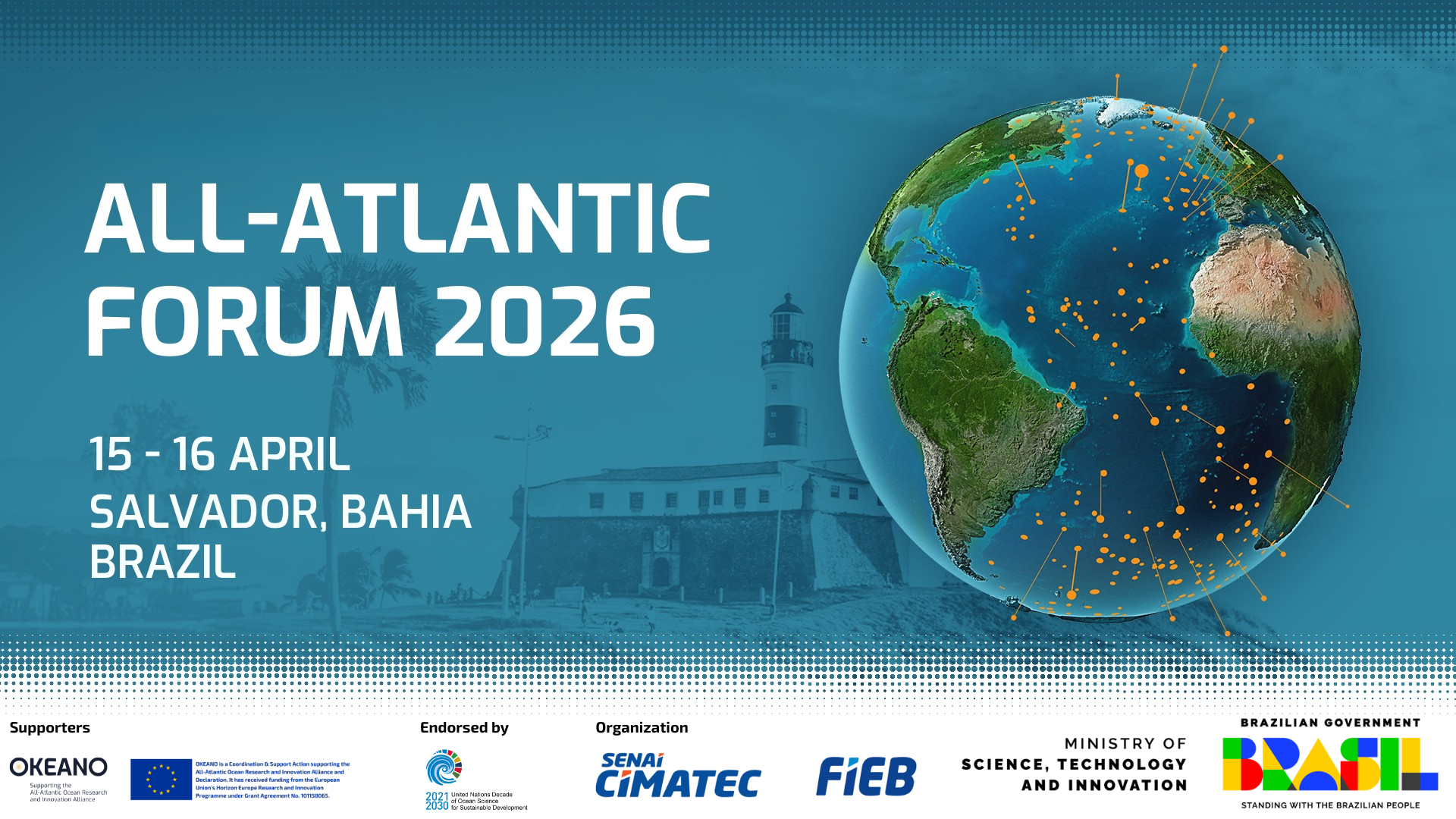
2026 All-Atlantic Forum
15 April 2026
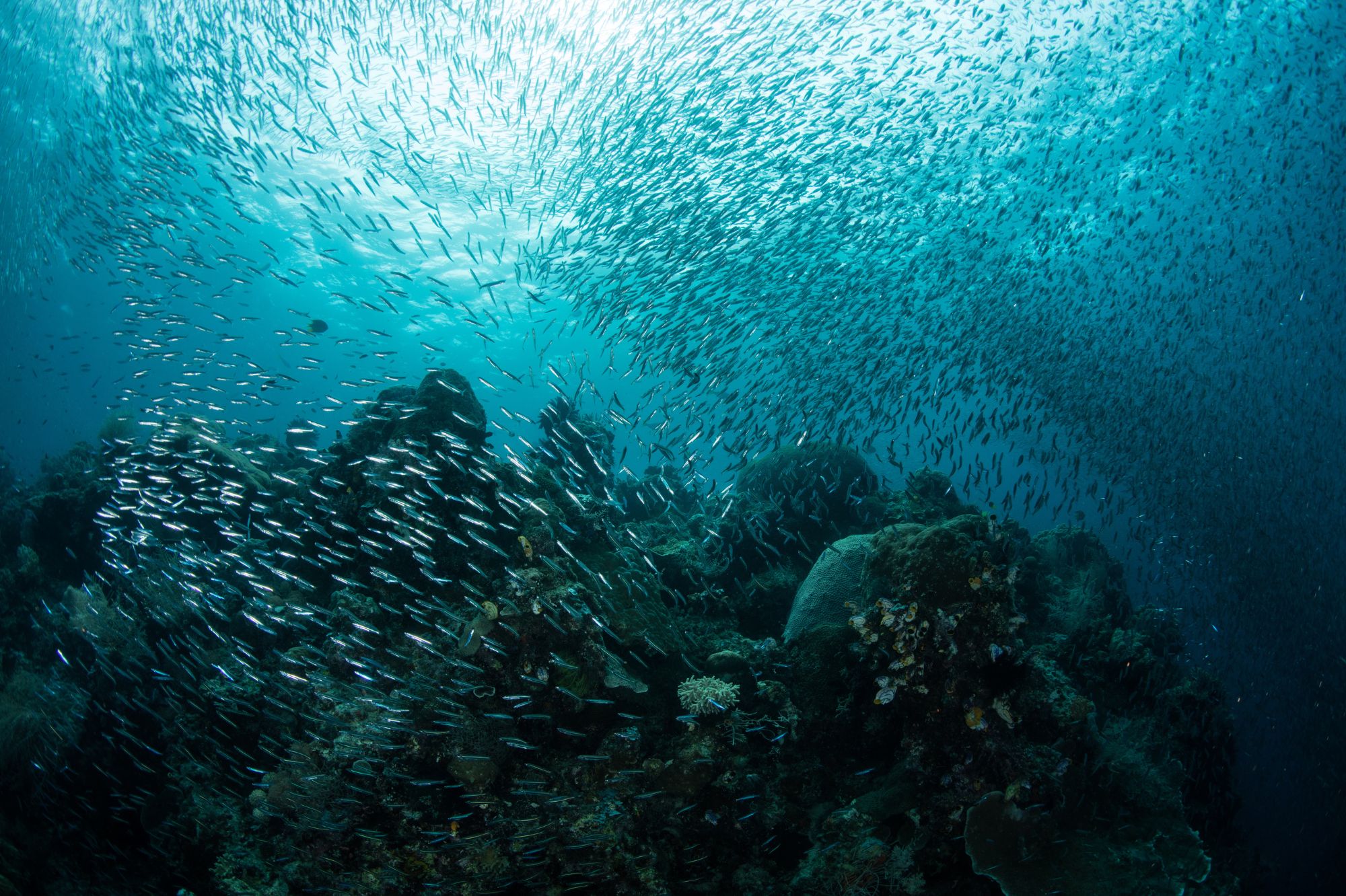
SXSW London: South by Southwest London
1 June 2026
NERC Tech Forum 2026
2 June 2026
Subscribe to our newsletter
Stay Up To Date
Subscribe to our newsletter for information on our latest research, upcoming events and seminars and more.
Join our newsletter