Story
‘Deep Vision’ project harnesses artificial intelligence to map Atlantic biodiversity
04 March 2026
Supported by the Bezos Earth Fund, and launched this week at the 13th annual World Ocean Summit, the project will help guide marine management in the High Seas.
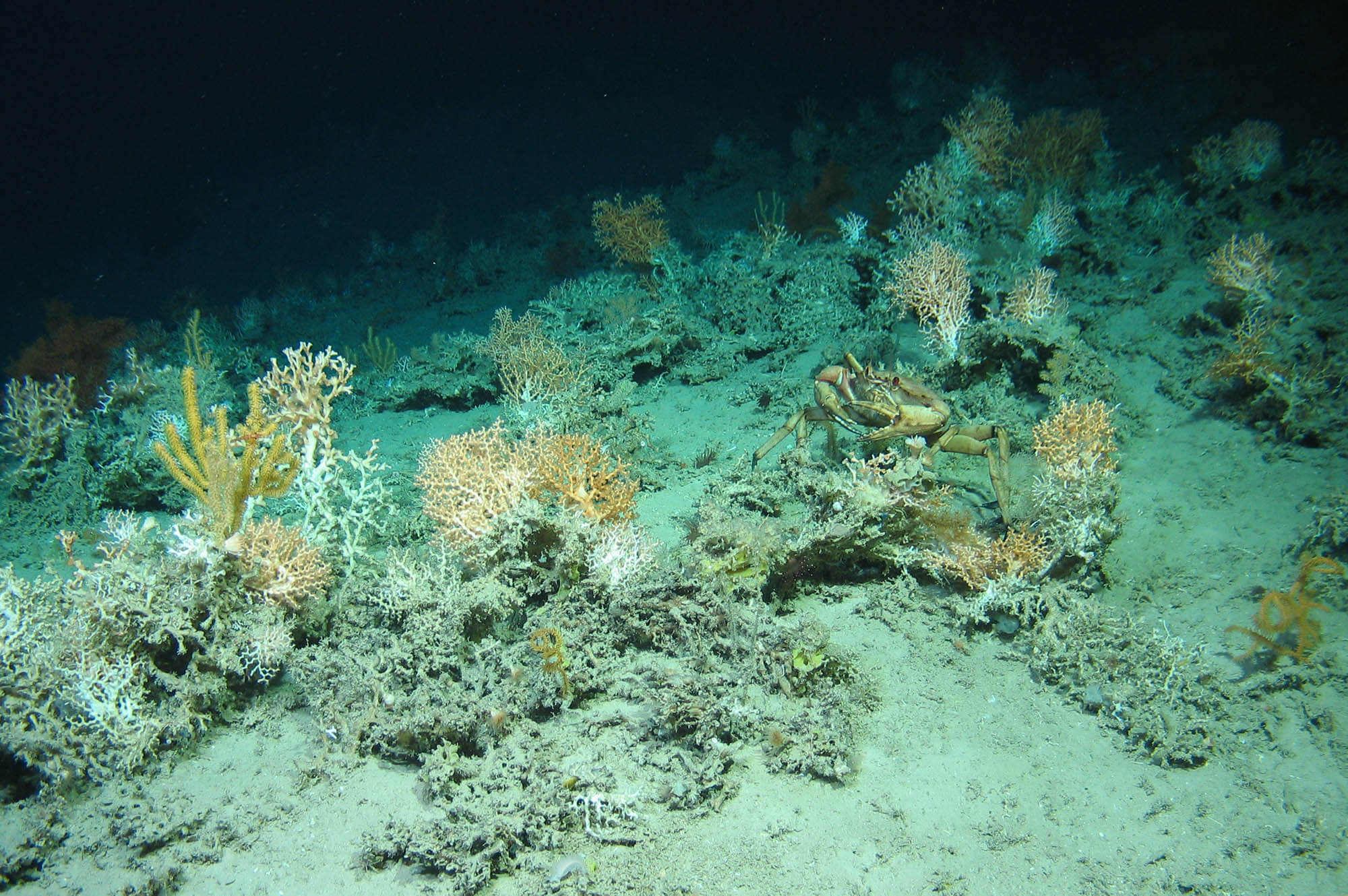
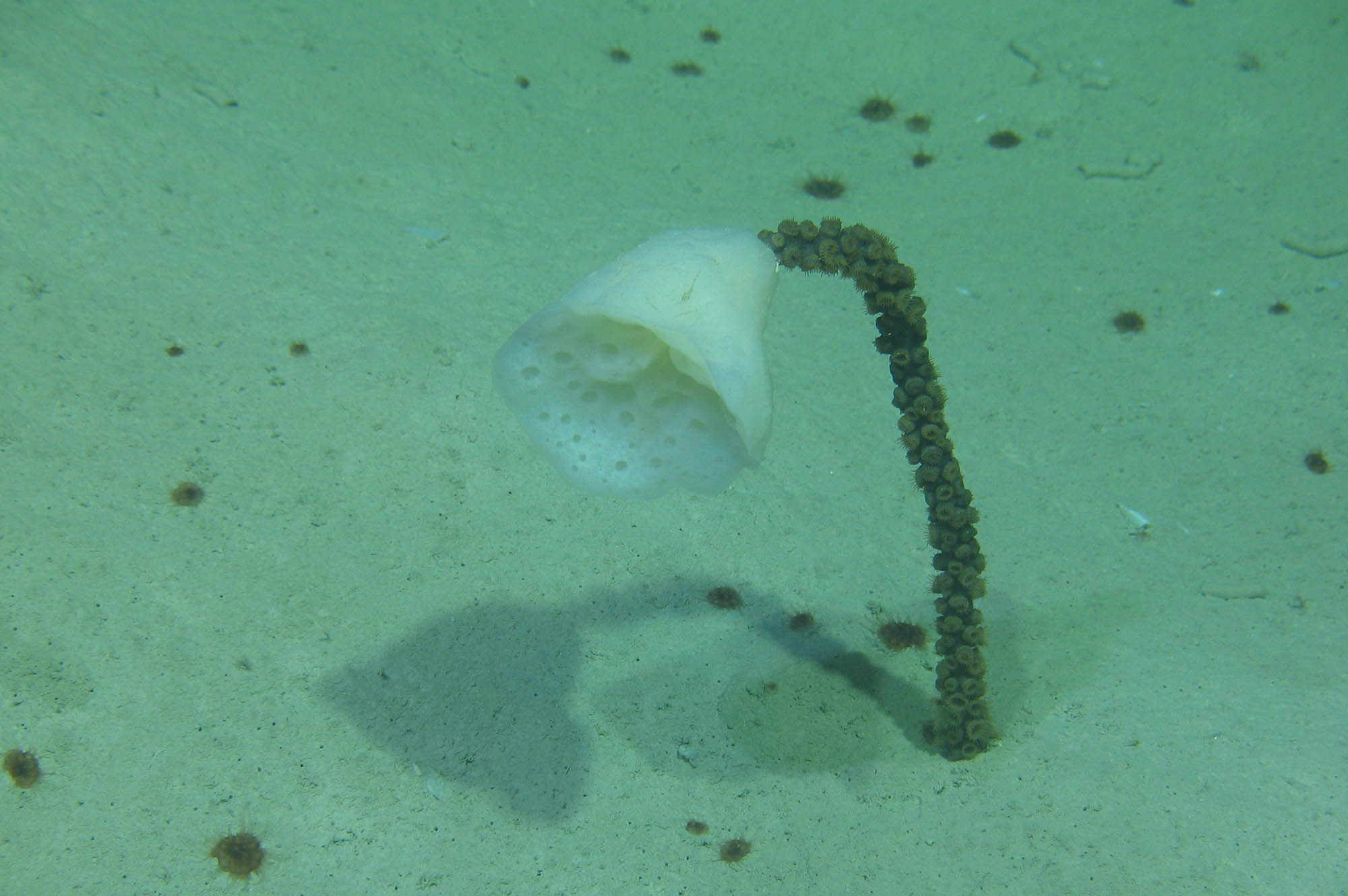
Deep seabed. All images courtesy of Eurofleets 2, Marine Institute, University of Plymouth
The first comprehensive maps of vulnerable marine ecosystems (or “VMEs”) across the Atlantic Ocean are being created as part of a joint project being launched today (March 4th 2026) by Plymouth Marine Laboratory (PML) and University of Plymouth. Funded through the Bezos Earth Fund’s AI for Climate and Nature Grand Challenge, ‘Deep Vision’ aims to unlock critical biodiversity data from thousands of hours of seafloor imagery, providing scientific evidence to guide marine conservation decisions in the areas of the ocean beyond national jurisdiction, also known as the ‘High Seas’.
Despite two decades of manual and robotic exploration collecting vast archives of deep-sea video footage and imagery, only a fraction of it has ever been analysed due to the enormously time-consuming nature of manual review. A single dive can take a human analyst many months to process. Deep Vision will use cutting-edge artificial intelligence (AI) technology to analyse this backlog of data – and newly-captured imagery – at unprecedented speed and scale, reducing the analysis time exponentially while providing more consistent and standardised results.
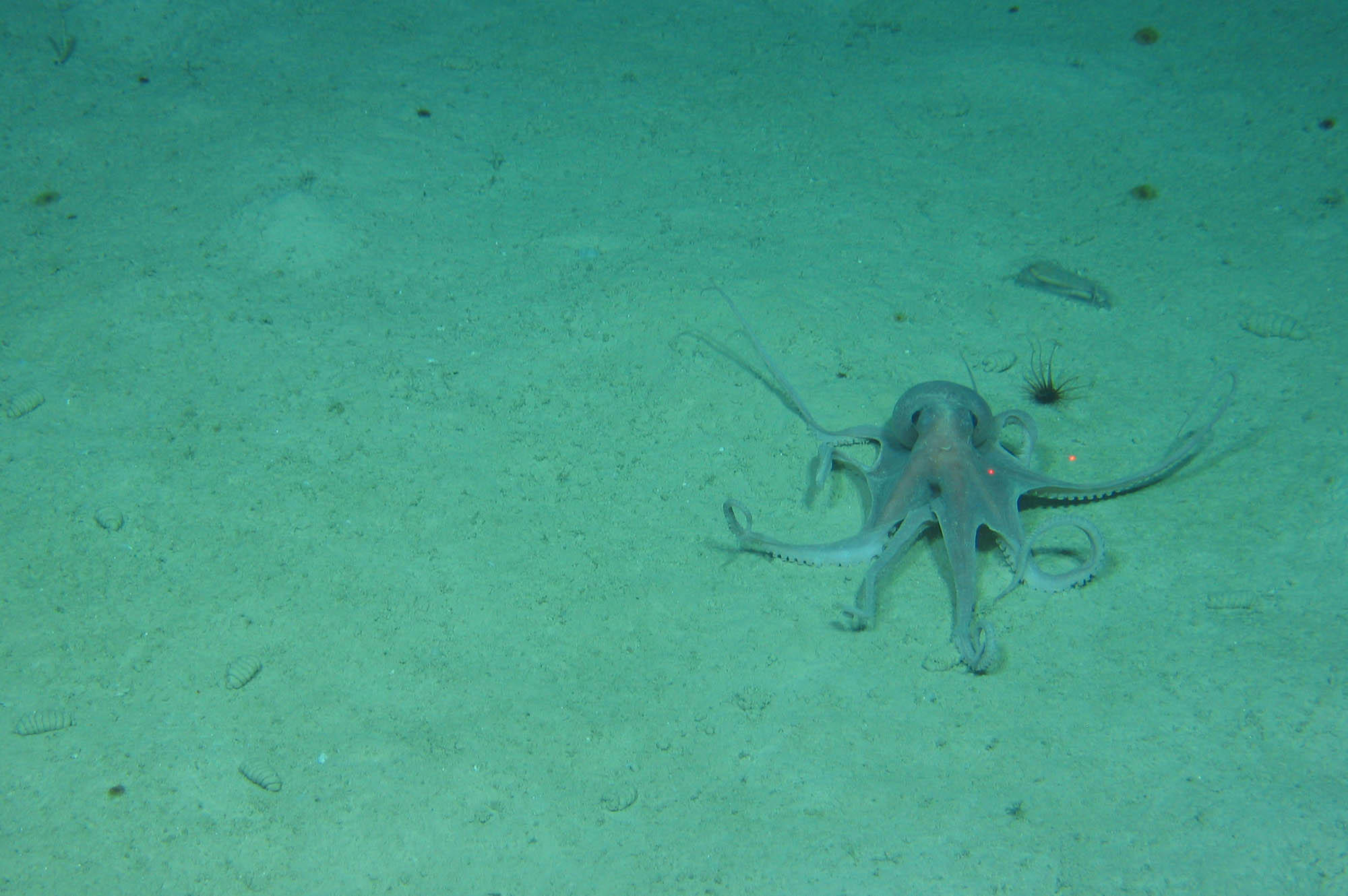
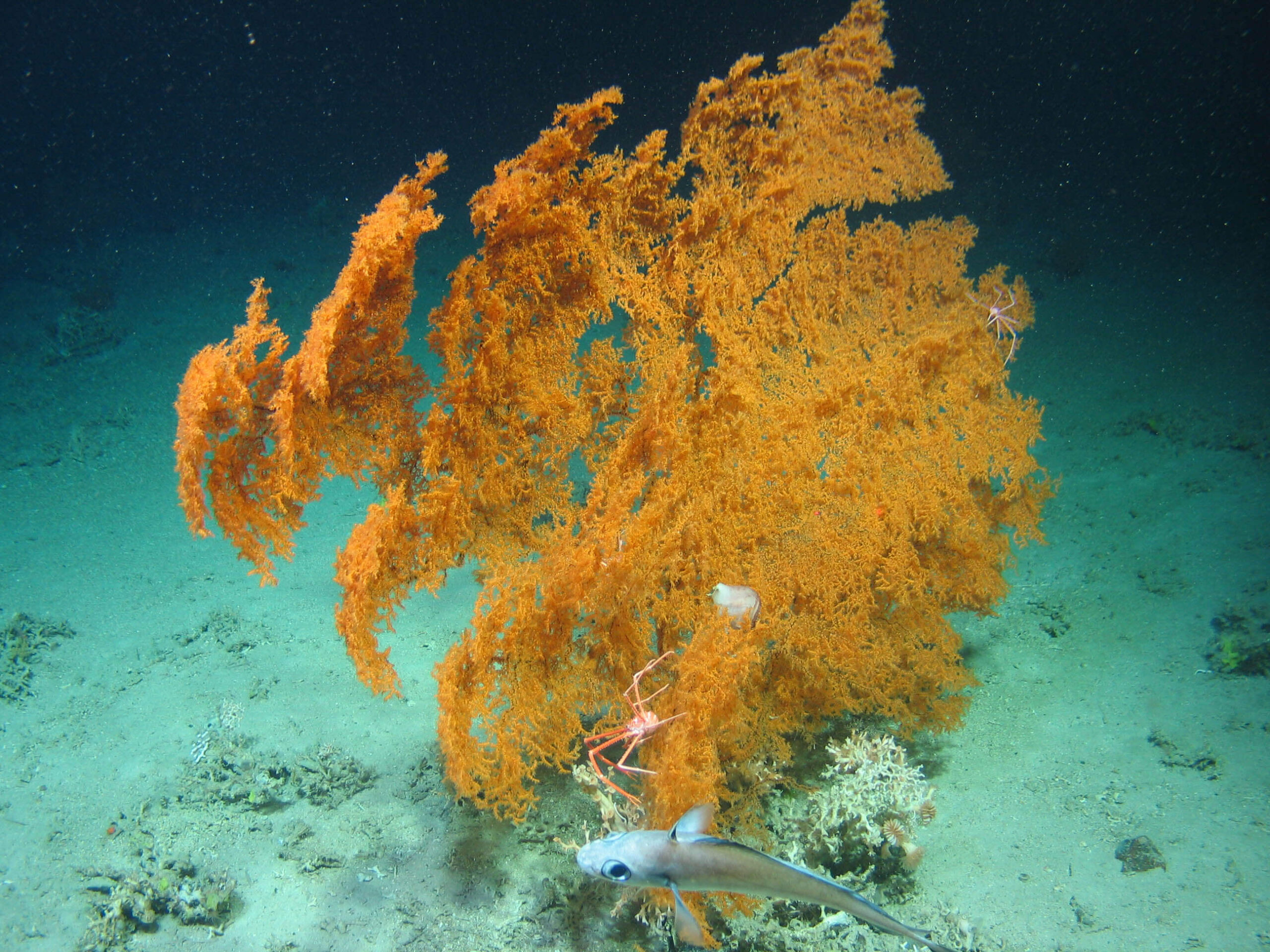
The project (which will involve scientists from Institute of Marine Research Norway, Galway University, Bielefeld University, University of Aveiro, University of Gibraltar and the University of Bergan) will focus on identifying and mapping vulnerable marine ecosystems, including deep-sea corals, sponges, and crinoids – keystone species that provide vital habitats for countless other species in the depths where plants cannot grow. These organisms also play vital roles in carbon sequestration and nutrient cycling that ultimately support surface fisheries and help to mitigate climate change.
Professor Kerry Howell, PML’s Ocean Challenge Lead for Biodiversity Loss and Deep Vision project lead said:
“We are increasingly using our marine environment for economic gain and pushing into areas beyond national jurisdiction – the high seas – that we really don’t know much about. But how are we supposed to make decisions about the areas that are most important to protect if we don’t have maps of what we have and where it is?
This project will harness cutting edge advances in big data and AI to help better protect a raft of species that play a vital, yet largely unseen, role in our ocean.”
The maps produced by Deep Vision will provide environmental managers with the scientific foundation needed to make informed decisions about marine protected areas (MPAs), particularly in support of the recently-adopted High Seas Treaty. Currently, decision-makers lack comprehensive data about where these vulnerable ecosystems exist, making it difficult to prioritise areas for protection.
Deep Vision represents the first attempt to bring together such a massive volume of biodiversity data at the scale of an entire ocean basin. Following mapping of the Atlantic, the project team anticipate that the methods can be replicated in other ocean basins worldwide, transforming our ability to understand and protect the deep sea.
“This is a unique project because no one has really tried to bring this huge amount of data together before for biodiversity at the scale of the Atlantic Ocean,” Prof Howell added. “It’s a big challenge, and AI is really the way to unlock it.”
“Deep Vision exemplifies the kind of bold, high-impact work supported through the Bezos Earth Fund’s AI for Climate at Nature Grand Challenge,” said Dr. Amen Ra Mashariki, Director of AI at the Bezos Earth Fund.
“By transforming decades of seafloor imagery into actionable insights, this project will help accelerate science-based protections in the High Seas and inform implementation of the High Seas Treaty. We are proud to support the Deep Vision team to help harness AI to safeguard vulnerable ocean ecosystems.”
Related information
PML’s Professor Kerry Howell launched the Deep Vision project at the 13th annual World Ocean Summit held in Canada on 4th and 5th March 2026
For more information about the project please visit the Deep Vision website
Bezos Earth Fund’s AI for Climate and Nature Grand Challenge