Latest story
Prey patches increase seabird competition
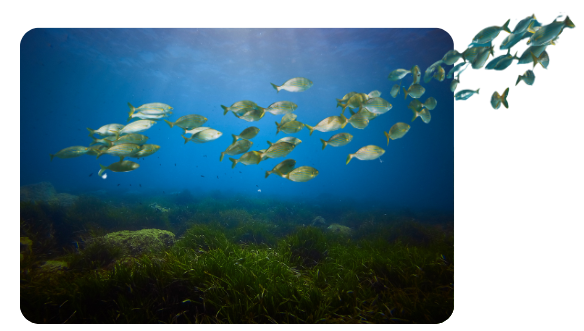
A new study involving remote sensing research from Plymouth Marine Laboratory suggests that in areas of the sea where prey are clumped into “patches”, seabirds have to compete more with each other, leading to more time spent foraging and lower breeding success.
Other recent news stories


Subscribe to our newsletter
Stay up to date
Subscribe to our newsletter for information on our latest research, upcoming events and seminars and more.
Join our newsletter