Story | 11 March 2026
New spatial prioritisation tool launched to reduce climate risks for the ocean, nature and people
ASPACE has been built with, and for, those whose decisions shape the future of the ocean
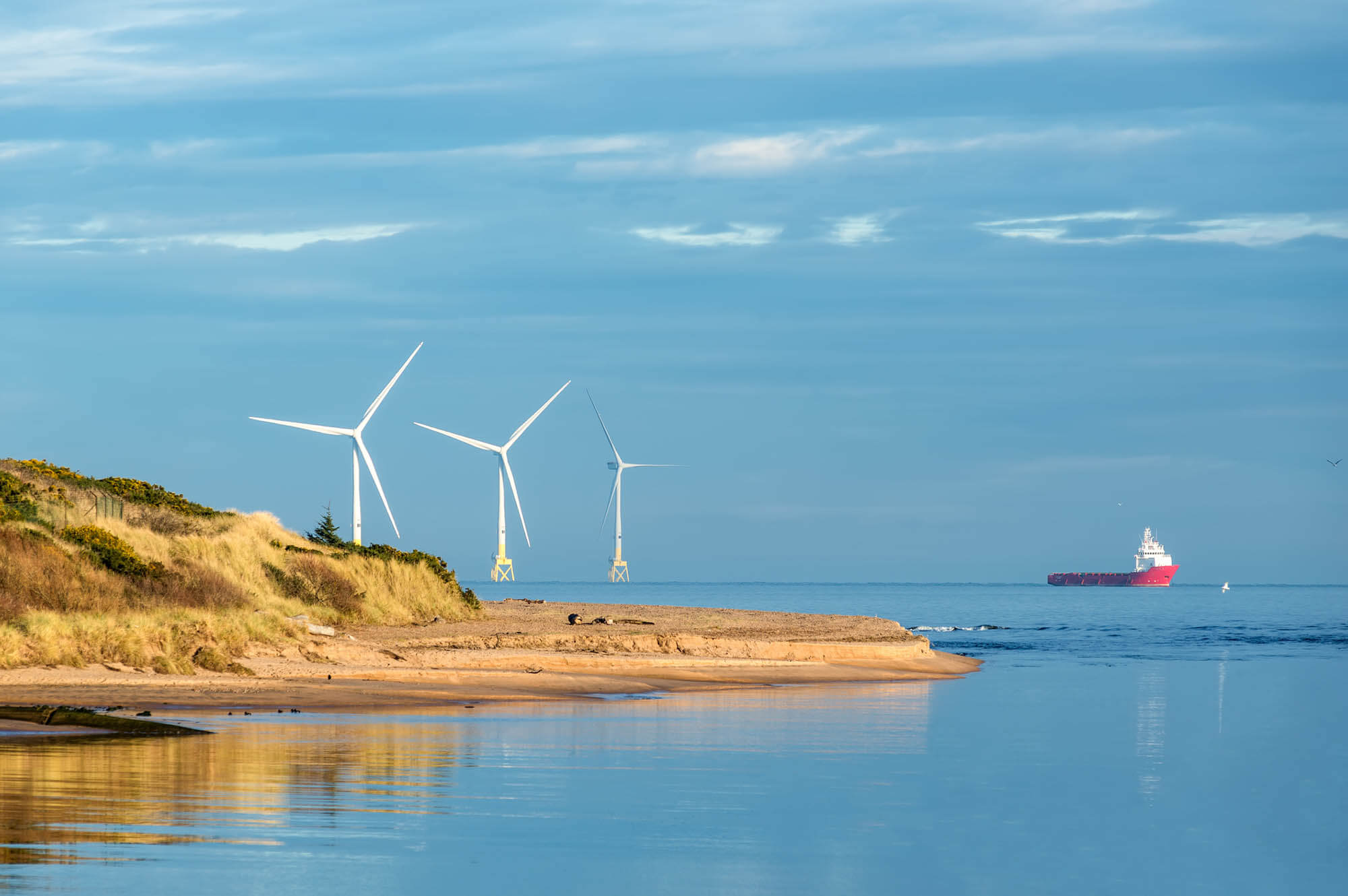
An advanced spatial prioritisation tool is set to radically improve the extent to which future climate change is taken into account within marine planning and wider decision-making about ocean space.
ASPACE (Assisted Planning Addressing Climate Effects) is a free, web-based decision-support tool developed by Plymouth Marine Laboratory (PML), in partnership with the University of Valencia, University of Essex, the University of York, and the Joint Nature Conservation Committee (JNCC), as well as key end-users around Europe.
The tool, which will support ‘climate-smart’ ocean management, combines three key types of evidence into one interactive platform:
- Ocean climate modelling analysis showing in which marine and coastal areas nature and human activities are most likely to thrive, despite climate change
- Input-output economic modelling calculating the effects of spatial decisions on the wider blue economies within these areas
- Stakeholder value assessments reflecting what attributes of marine space are most important to marine stakeholders and how different spatial decisions align with these.
For the first time, those investing in nature, growing marine sectors, marine planning or conservation will be able to create, visualise and compare alternative spatial management scenarios to reduce climate risks from spatial management decisions and balance nature, economy and societal needs.
The tool, whilst initially developed for the UK, already includes datasets for Europe, Western Indian Ocean and SE Asia, and will soon include global data.
ASPACE is being released in its first version as a free, web-based tool designed to grow capacity for evidence-based management of marine and coastal waters that will be effective into the future.
It builds on four years of co-created research and collaboration with practitioners from across the UK, the EU and beyond.
WATCH NOW: INTRODUCING ASPACE
Speaking in this video are PML’s Professor Ana Queirós, Dr Benjamin O’Driscoll, Dr Mohammad Shafiul Azam Khan and Dr Liz Talbot.
Professor Ana Queirós, ASPACE lead, Climate Change Lead at Plymouth Marine Laboratory and an internationally-recognised expert in climate-resilient ocean spatial management, said:
“We are at a crossroads at which we need to decide now what future we want for our ocean and our planet. Climate change is impacting all aspects of our natural world and our relationship with it, be it ecological, economic, cultural.”
“Building on 4 years of development – and over a decade of experience helping marine stakeholders and communities prepare for the future – ASPACE is a critical first step to ensure that the future of our ocean, and that of the communities that depend upon it, is a sustainable one. This matters as much in our coasts and seas, as in Areas Beyond National Jurisdiction.”
“ASPACE products are already being used to support decisions by the Crown Estate and governmental departments in the UK, from local to national scale, and we are now starting to deploy it in Europe. With ASPACE now publicly available, and as the ASPACE community grows, this capacity will become available globally. This will be key to ensure everyone has access to the tools needed to deliver evidence-based, sustainable ocean into the future.”
The software is designed to support ongoing policy processes including Marine Spatial Planning, the siting of conservation areas, Fisheries Management Plans, Sustainable Ocean Planning, as well as the growth of marine sectors and the blue economy.
ASPACE is free to use and includes step-by-step guidance designed for non-technical users. Development is already secured until at least 2030.