The 3rd Biennial World Congress of Marine Stations
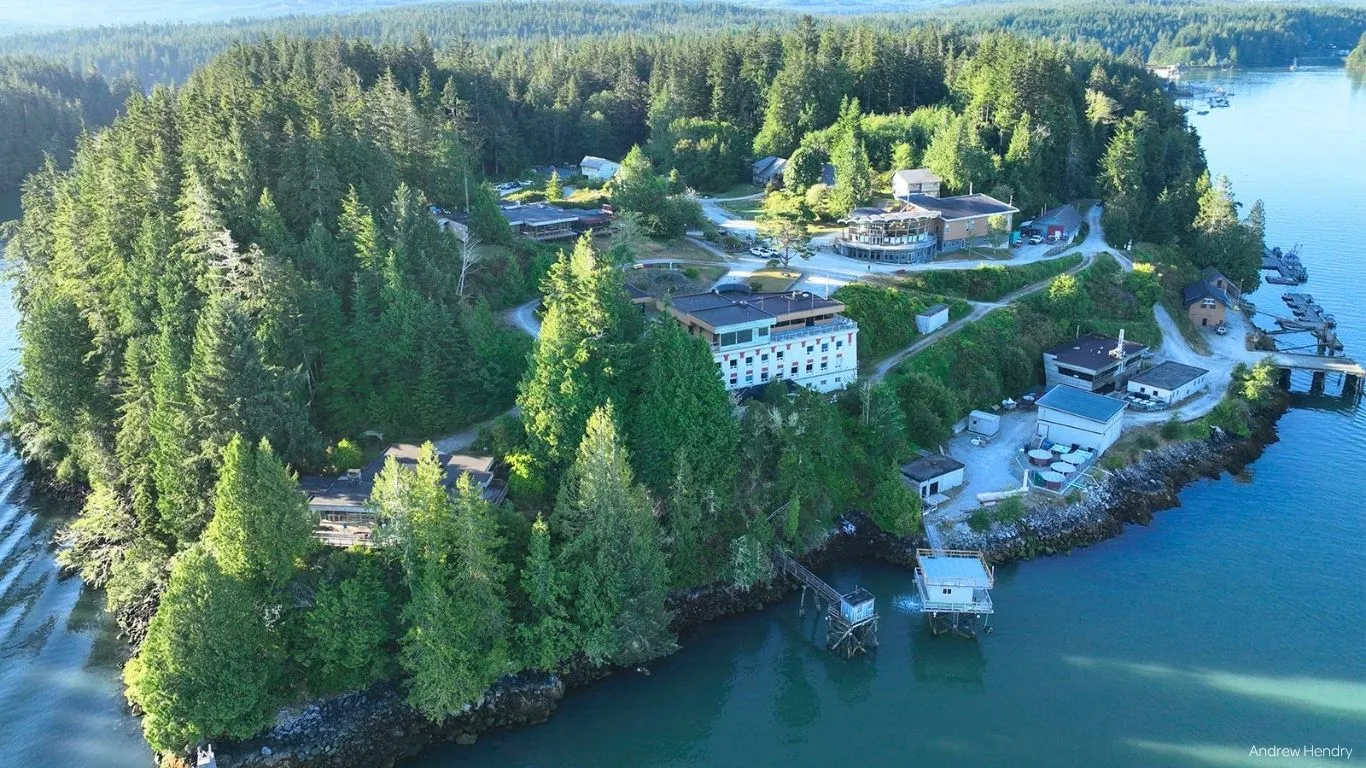
The World Congress of Marine Stations (WCMS), organised biennially by the World Association of Marine Stations (WAMS) which is Chaired by PML’s Professor Matt Frost, plays an essential role in advancing the work of around 900 marine stations worldwide. This 3rd Congress and has been officially endorsed as a UN Ocean Decade activity and will be hosted by the Pacific Marine Science Alliance (PMSA) at the Bamfield Marine Sciences Centre (BMSC) in Canada.
This 3rd Congress will focus on five core themes, each centered around what marine stations can do and how they are uniquely positioned towards addressing related issues. This is building on the foundation of the previous 2 congresses, focusing on global collaboration and the exchange of scientific knowledge to address pressing marine environmental and societal challenges.
1. Oceans and Human Health
This theme explores the deep connections between ocean systems, human well-being and the importance of place-based marine station platforms to support advances in this area. Topics include marine biomining, ecological hazards, food safety, and the role of coastal ecosystems in supporting physical and mental health. Breakout sessions will discuss ways marine stations provide critical coastal observatories where environmental monitoring, biomedical discovery, and ecosystem health research intersect to better understand how changing oceans influence human health and resilience.
2. Ocean Innovation and Bioeconomies
Oceans are a frontier for sustainable innovation, supporting emerging blue bioeconomies based on marine biotechnology, aquaculture, biomaterials, and ocean technology. This theme highlights how marine stations enable discovery-to-application pathways by providing access to marine biodiversity, experimental facilities, and partnerships with industry and entrepreneurs. Discussions will focus on translating marine research into sustainable economic opportunities while safeguarding ocean ecosystems.
3. Community, Education and Culture
Marine stations serve as powerful bridges between science and society. This theme examines how stations support experiential education and place-based learning, workforce development, community partnerships, and collaborations with their local and/or Indigenous coastal communities. Discussions will explore the cultural dimensions of ocean stewardship, emphasizing inclusive knowledge systems, public engagement, and the role of marine stations in inspiring future generations of ocean leaders.
4. Marine Stations as Distributed Research Platforms
Marine stations form a global network of coastal research infrastructure that enables long-term observation, experimentation, and rapid response to emerging ocean challenges. Acting as distributed scientific platforms, stations, through both physical and cyberinfrastructure, connect researchers, datasets, and technologies across regions and disciplines. This theme includes data governance and standards and will examine how coordinated networks of stations enhance collaborative science, environmental monitoring, and global research capacity in an era of accelerating ocean change.
5. Ocean Policy
Effective ocean stewardship requires strong connections between science, governance, and decision-making. This theme focuses on how marine stations contribute to evidence-based policy through environmental monitoring, advisory roles, and partnerships with governments and international organizations. Discussions will address how station-based science can inform marine conservation, sustainable resource management, climate adaptation, and global ocean governance frameworks.