PML is a charity, undertaking innovative, cutting-edge marine research, allowing society to benefit from clean, productive, biologically diverse seas, now and for future generations.
Ocean challenges
Solutions include
Research areas include
Integrated research areas include
Science groups
Our commercial trading subsidiary PML Applications provides marine consultancy services and products to a global client base.
Latest story
PML’s Plankton Apprentice Bryony Squires has been announced as this year’s recipient of the Lady Hamlyn Award for Apprentices by the Institute of Marine Engineering, Science and Technology (IMarEST).
The International Nitrogen Management System (INMS) Guidance Document on Nitrogen Impact Assessment Methods provides a comprehensive framework and pra...
As he settles into the role of Director of Science, Professor Tim Smyth shares how he plans to build on PML’s strong foundation of collaboration and...
Plymouth Marine Laboratory (PML) is pleased to announce the release of an innovative AI ‘foundation model’ for observing Earth’s oceans, in coll...
The event is the largest international scientific conference on the impacts of artificial light at night (ALAN).
The award from Bezos Earth Fund supports innovative uses of artificial intelligence to protect biodiversity and advance climate solutions worldwide...
UN Source-to-Sea Guidance Note a ‘call to action’ on how we manage our most critical natural systems.
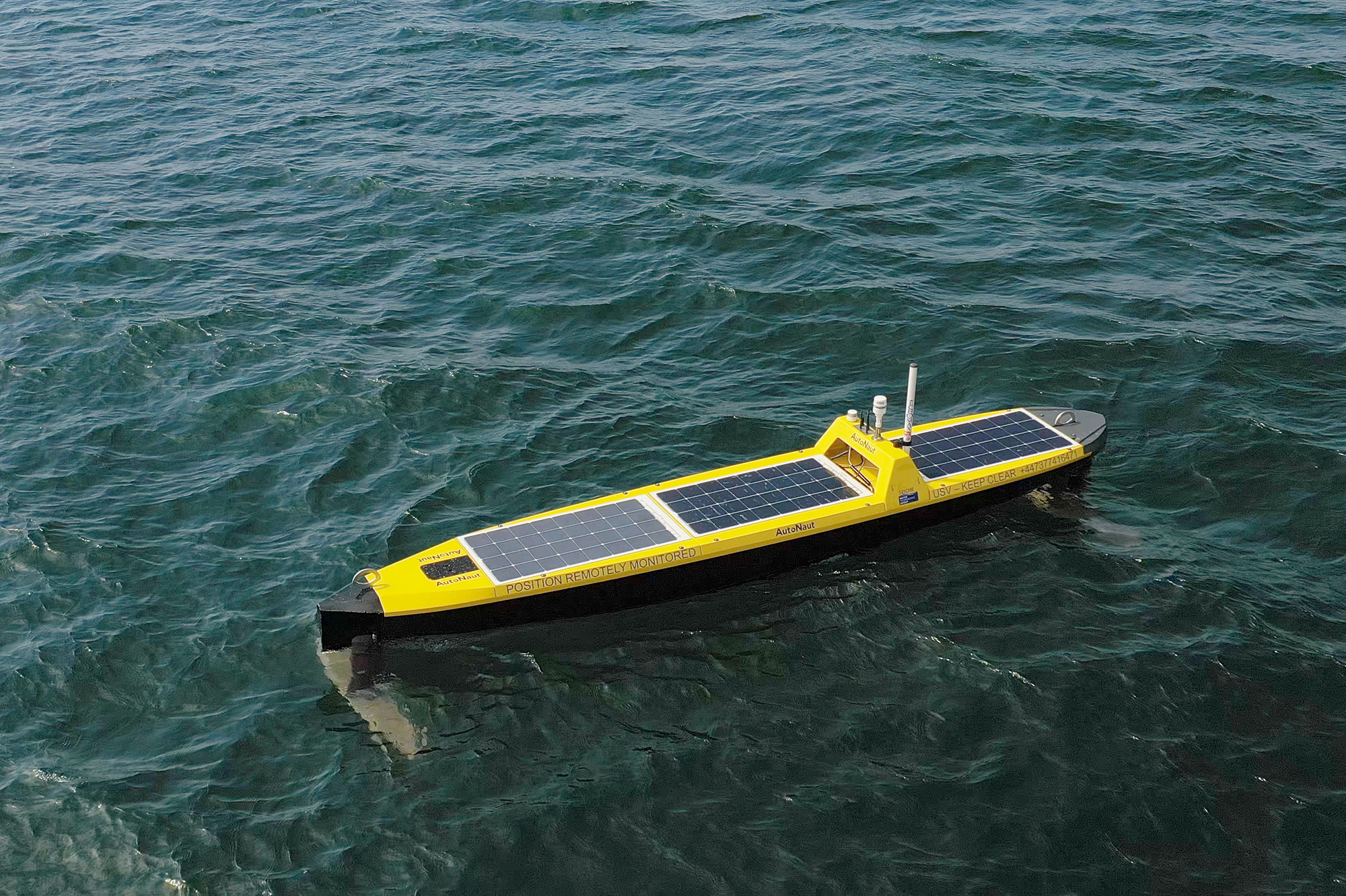
The wave-propelled PML Pioneer is the first autonomous vessel designated under the policy from King’s Harbour Master
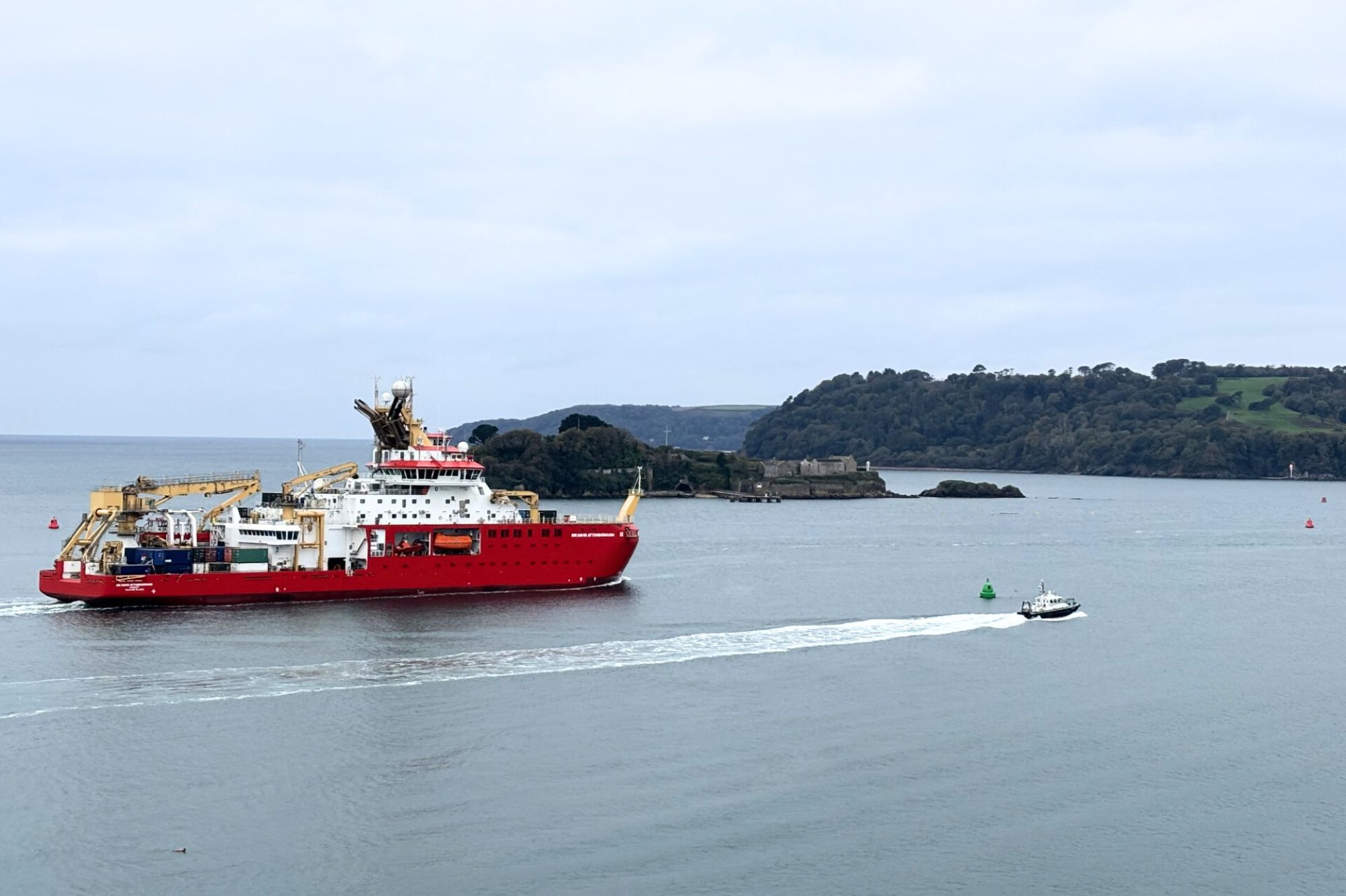
The scientific research ship is visiting Plymouth on her way to the Antarctic summer season
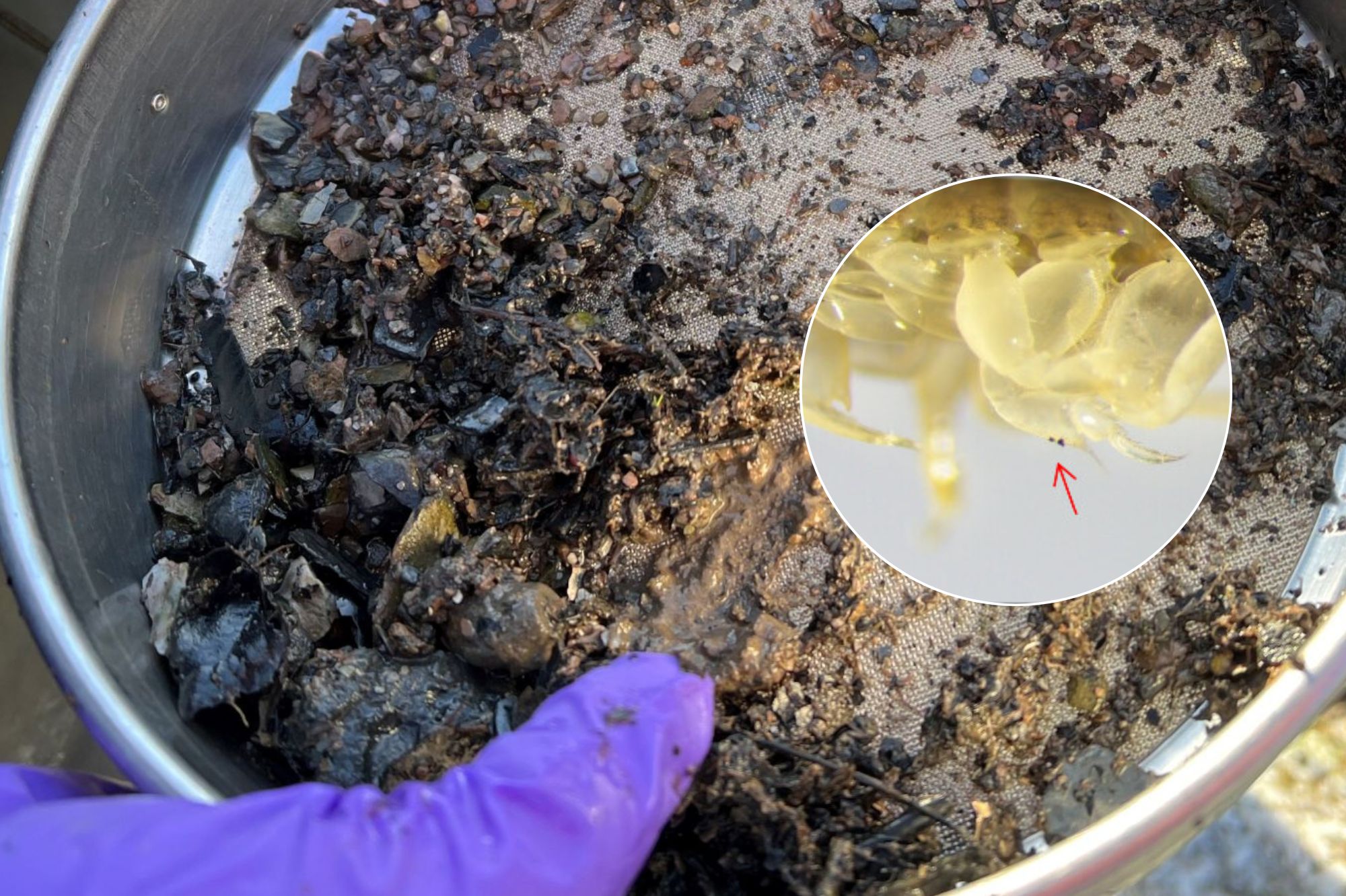
New PML research has revealed that particles shed from car tyres – a major but often overlooked source of microplastic pollution – are both eaten ...
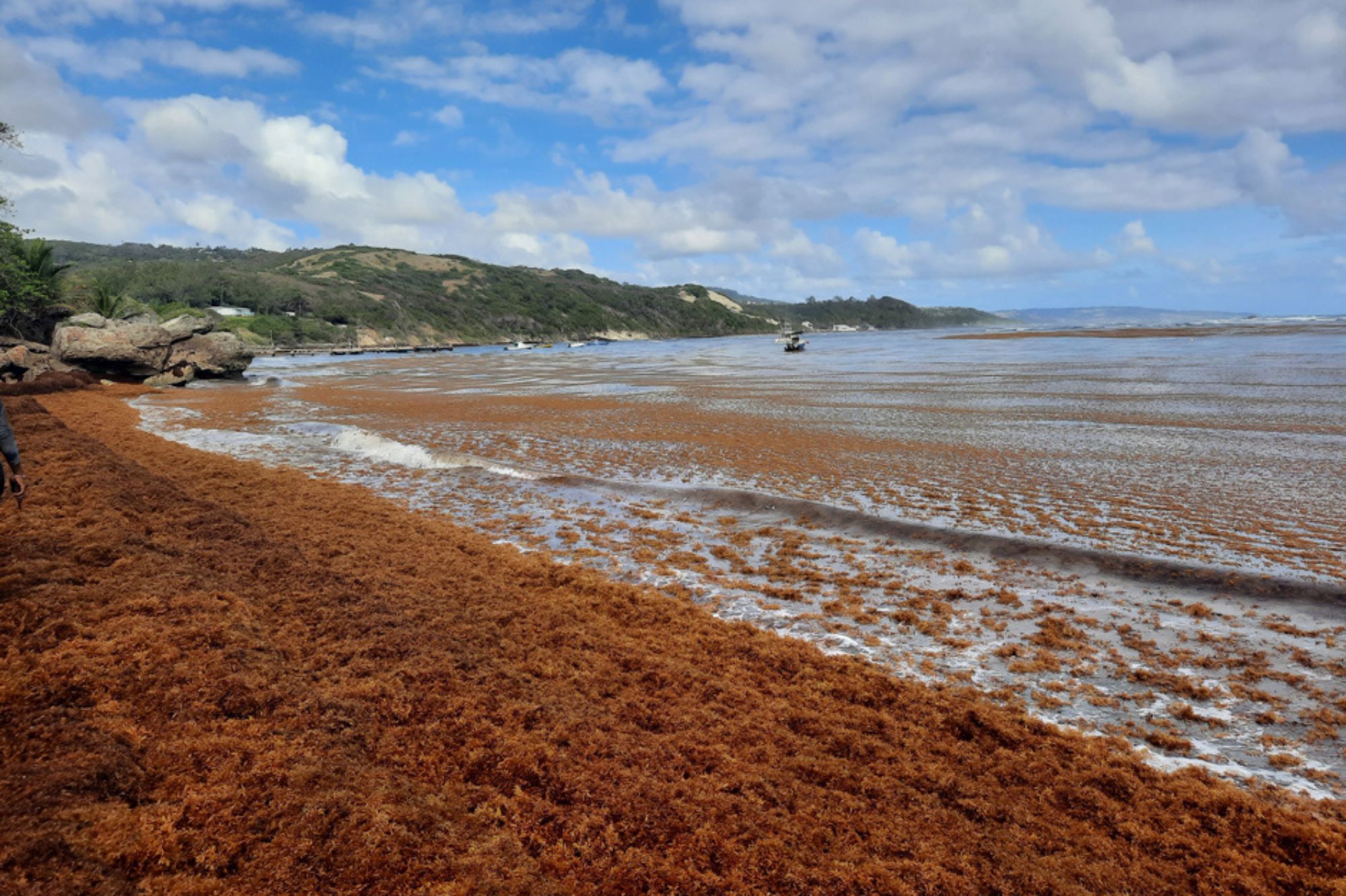
In recent years, huge blooms of Sargassum seaweed have appeared across the Tropical Atlantic, piling up on coasts in the Caribbean, Gulf of Mexico… ...
A new comprehensive review evaluates how Earth Observation technologies and Big Data platforms are being harnessed to monitor and understand human hea...
We’re delighted to announce that, yesterday, a multidisciplinary team of researchers from Plymouth Marine Laboratory (PML) were selected as one of t...
A new study shows that gaining deeper understanding of the drivers behind public attitudes to renewable energy is the key to minimising opposition to ...
We’re sharing a brand-new mini survey – just 5 multiple choice questions, taking 1 minute to complete – which aims to capture insights from...
A project report maps 150+ biodiversity indicators tailored to four case study sites to help value and protect the intrinsic value of biodiversity, an...
The BBNJ will enter into force in early 2026 after reaching the 60-nation threshold
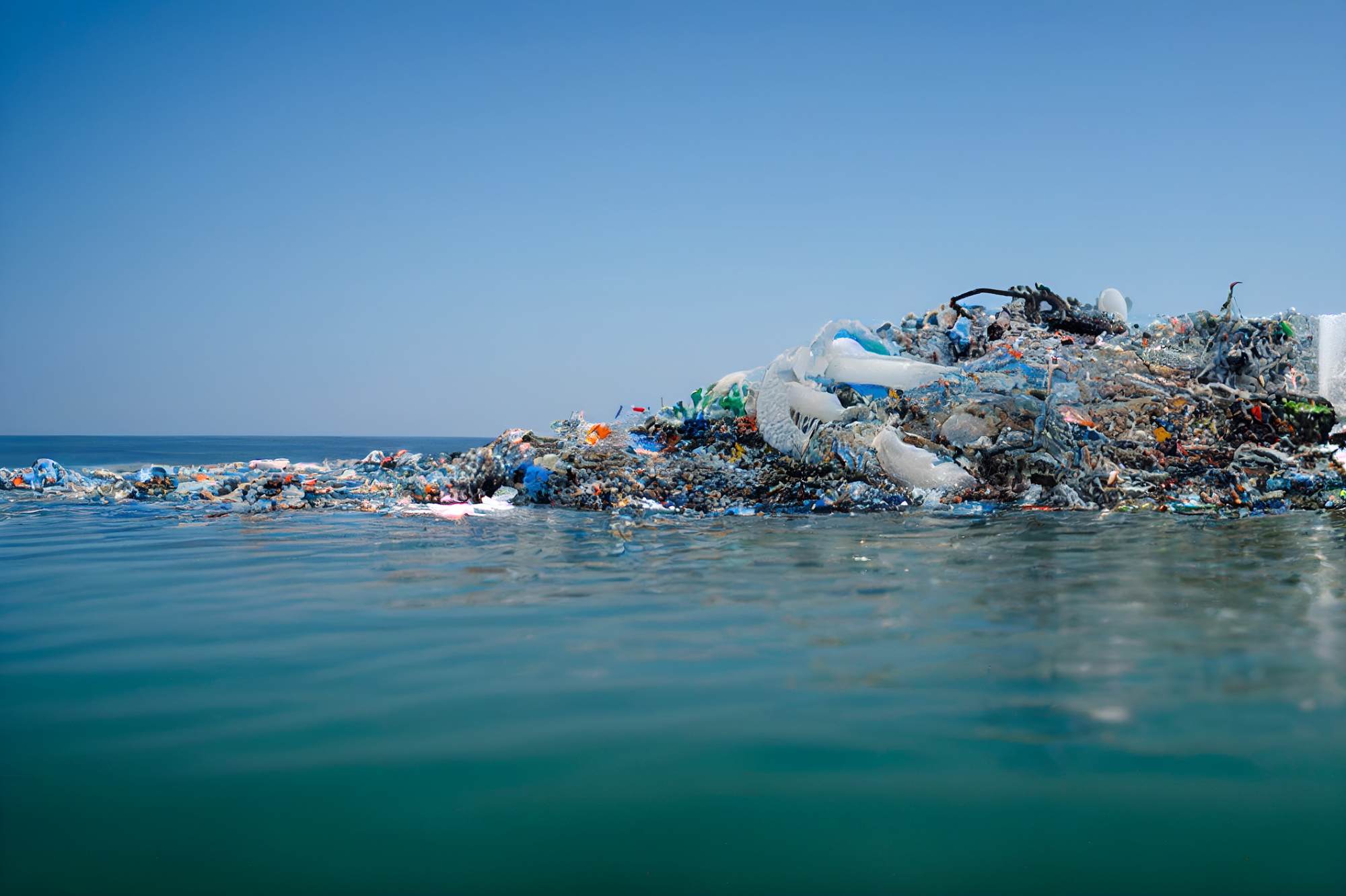
A new study examines how cleaning up the North Pacific Garbage Patch would benefit marine life – but at what cost to the climate?
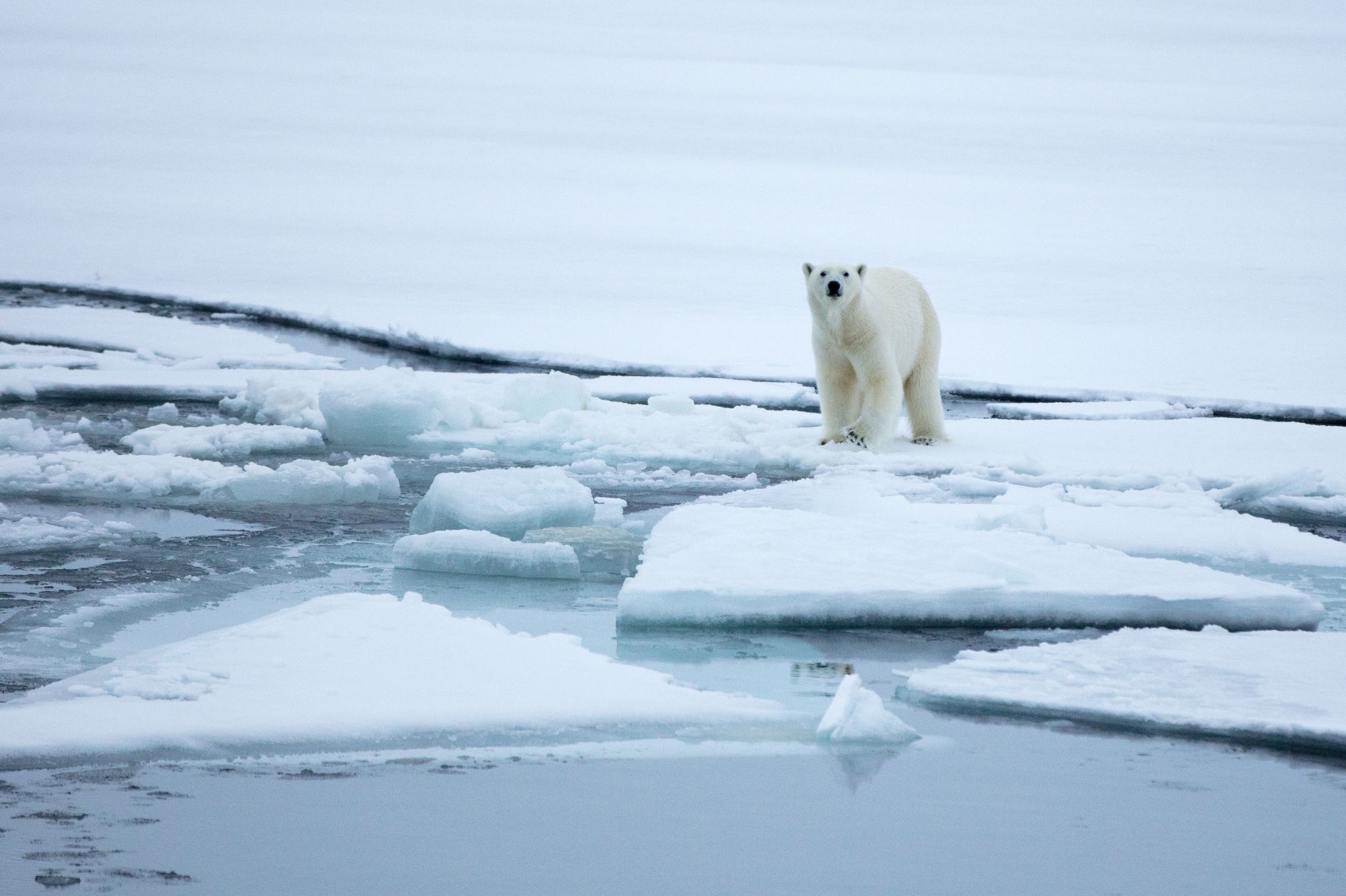
The Arctic is warming faster than almost anywhere else on Earth, with the Barents Sea experiencing the most dramatic loss of seasonal sea ice. As the ...
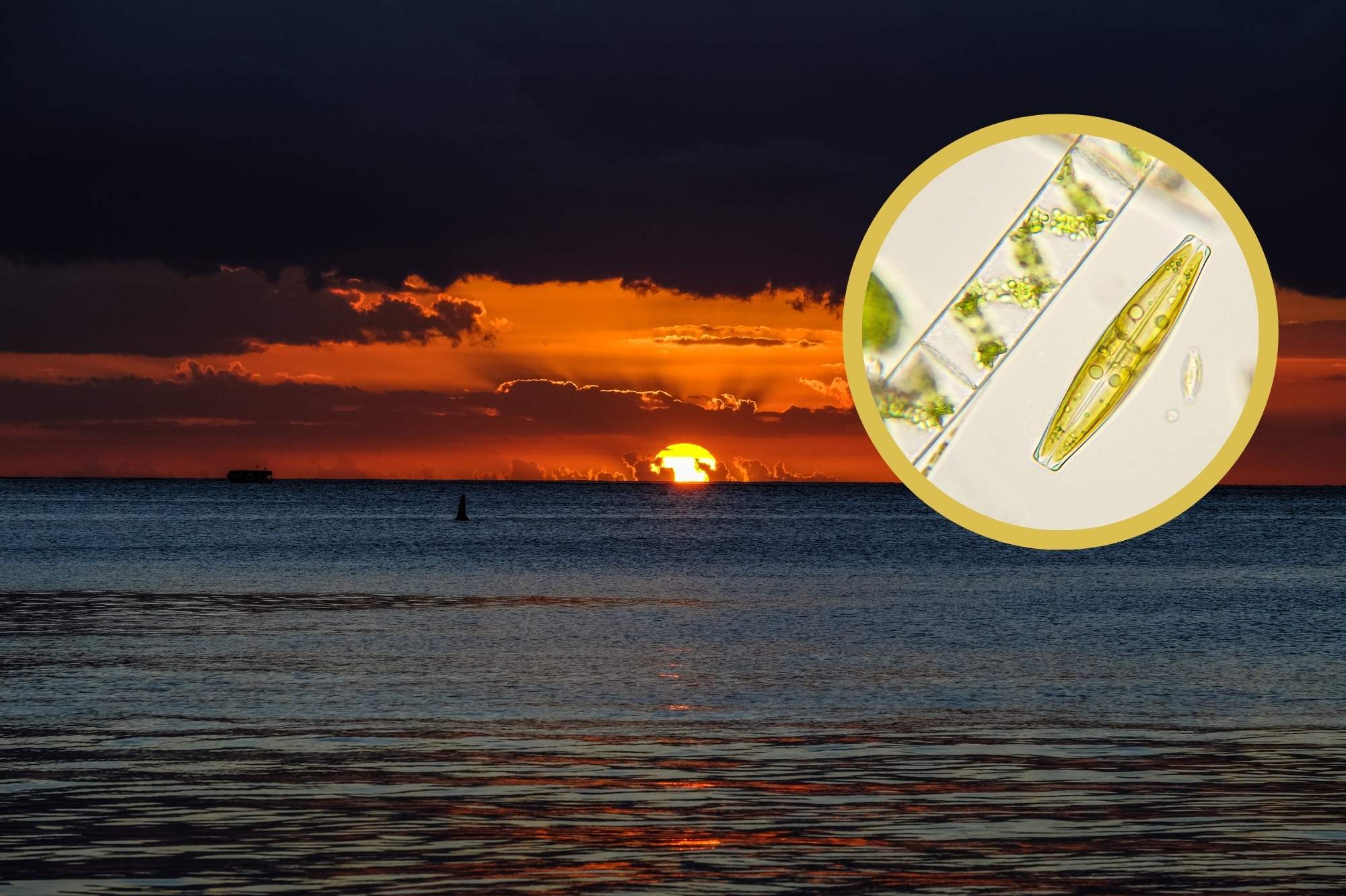
Planktonic microalgae – tiny floating algae that grow in open waters – can only photosynthesise during the day, leaving them with a significant ch...
Drawing upon over two decades of research from leading ocean acidification experts, the Global Ocean Acidification Observing Network (GOA-ON) communit...
Leading marine scientist to spearhead PML’s world-class research programmes and drive science for ocean action
While ozone shields us in the upper atmosphere, nearer the surface it harms health and ecosystems. New research reveals clues as to how the Ocean help...
A new review, published in Nature Reviews Biodiversity and led by Plymouth Marine Laboratory, synthesises current knowledge of offshore wind farm impa...
Follow us on social media for the latest news and updates