Story
“Major blind spot” in ocean carbon research could undermine global climate predictions
24 February 2026
A new international report coordinated by the Intergovernmental Oceanographic Commission of UNESCO highlights a critical gap in understanding how the ocean absorbs and stores carbon – a “blind spot” that could significantly undermine global climate predictions and future climate policy.
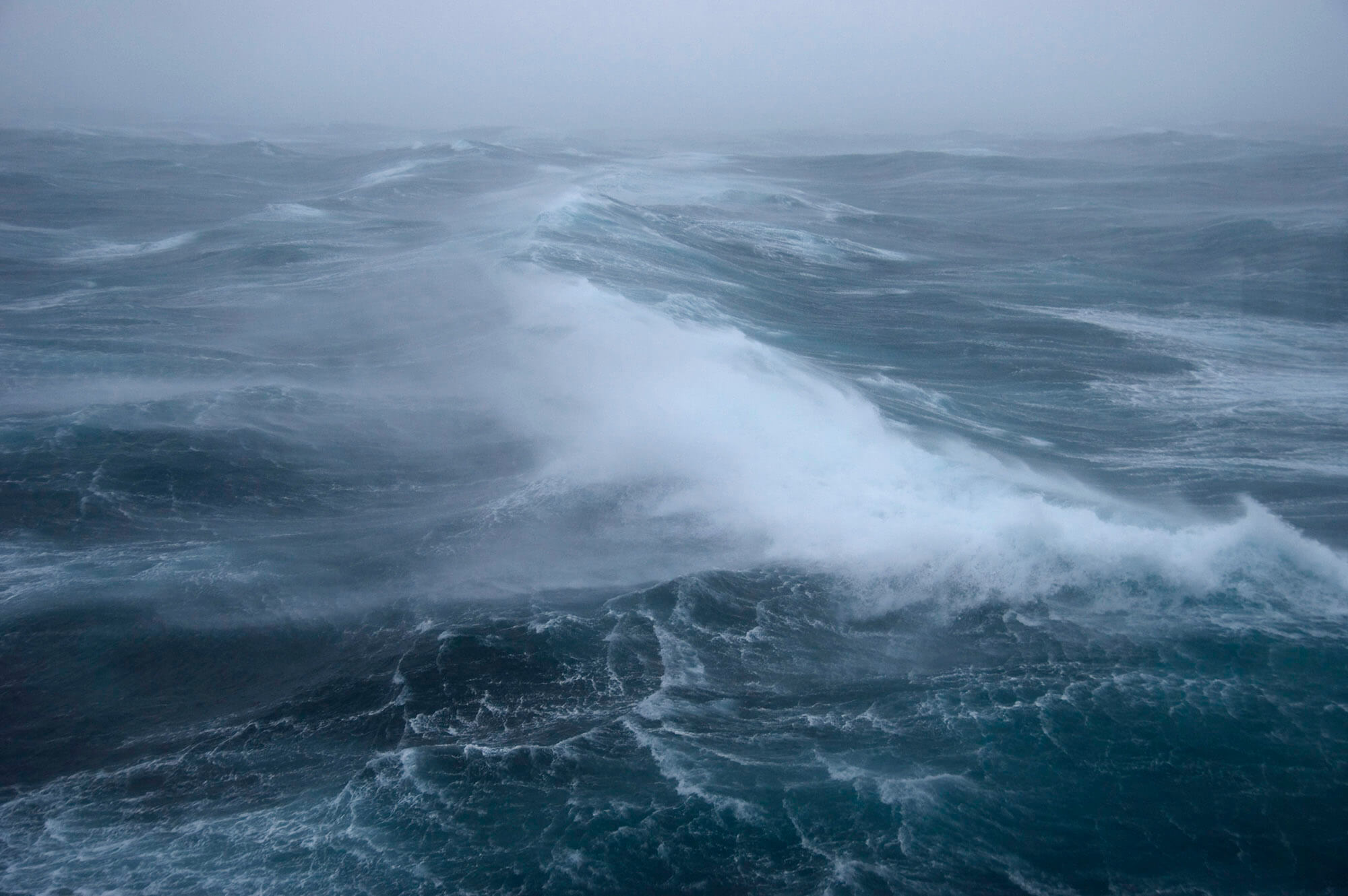
PML’s Professor Helen Findlay is among the 72 international scientists who contributed to the report, ‘Integrated Ocean Carbon Research: a vision primed for implementation’, which brings together expertise from 23 countries to assess the current state of knowledge surrounding the ocean – the planet’s largest carbon sink.
The ocean currently absorbs around a quarter of the carbon dioxide released by human activities and is one of our most powerful natural defences against climate change. However, the report, launched yesterday at the Ocean Sciences Meeting in Glasgow, warns that this essential climate service is changing, and that the world still lacks the scientific understanding needed to anticipate how the ocean carbon sink will evolve in the decades ahead.
Despite major scientific advances, significant uncertainties remain in estimating how much carbon the ocean absorbs each year. Current models diverge by 10-20% globally, and even more in certain regions. These discrepancies stem from limited observations and incomplete understanding of how physical, biological, chemical, and human-driven processes shape the ocean carbon cycle.
Among the most influential knowledge gaps are:
- Warming, stratification, and changes in ocean mixing
- Shifts in plankton communities, microbial activity, and food‑web dynamics
- Carbon transfers across coastal, land‑ocean, and polar interfaces
- Growing impacts of industrial activities, including trawling, dredging, drilling, aquaculture, and deep‑sea mining
- Uncertainties around future marine carbon dioxide removal (mCDR) approaches, such as seaweed cultivation, iron fertilization, and alkalinity enhancement
Together, these unknowns mean governments are making climate decisions without fully understanding how the ocean, our largest carbon sink, will behave in the future.
Professor Helen Findlay, Biological Oceanographer, and co-author of the report, said:
“The ocean plays a vital role in slowing climate change, but human pressures are pushing it to its limits. We still don’t fully understand how resilient this carbon sink will be in the future. Strengthening global ocean observations and improving how we represent ocean processes in climate models is essential if we want reliable predictions to inform policy decisions.”
If the ocean absorbs less carbon in the coming decades, more CO₂ will remain in the atmosphere, intensifying warming and increasing risks for communities, ecosystems, and economies. This uncertainty directly affects:
- National climate strategies and emissions targets
- Projections used in IPCC assessments
- Coastal communities facing sea‑level rise, warming waters, and extreme events
- Decisions on carbon removal, adaptation pathways, and long‑term planning
The report provides the most comprehensive synthesis to date of uncertainties surrounding the ocean carbon system and sets out a roadmap for action. Key recommendations include developing a coordinated global ocean carbon observing system combining satellites, autonomous technologies and sustained measurements from the surface ocean to the deep sea.
The authors also call for improved climate and ocean modelling and greater international collaboration, alongside strengthened scientific capacity in under-represented regions to ensure truly global monitoring coverage.
Professor Findlay added:
“Reducing greenhouse gas emissions remains the only long-term solution to protect both the ocean and our climate. But as the report makes clear, improving understanding of the ocean carbon sink will be critical to ensuring future climate strategies are grounded in the best available science.”
The findings come as PML scientists present a wide range of research on ocean carbon processes at the Ocean Sciences Meeting this week in Glasgow, highlighting the laboratory’s leading role in advancing understanding of how marine ecosystems regulate climate.
From carbon cycling and ecosystem change to emerging ocean-carbon monitoring technologies, PML researchers are contributing new insights that help reduce uncertainty in climate predictions and support evidence-based solutions for a sustainable ocean. Discover our carbon and climate sessions below ↓
Related carbon and climate sessions: