Story | 19 October 2026
PML urges a more joined up approach on biodiversity, climate and the High Seas Treaty
The UN Biodiversity Conference is underway in Armenia with contributions from PML scientists
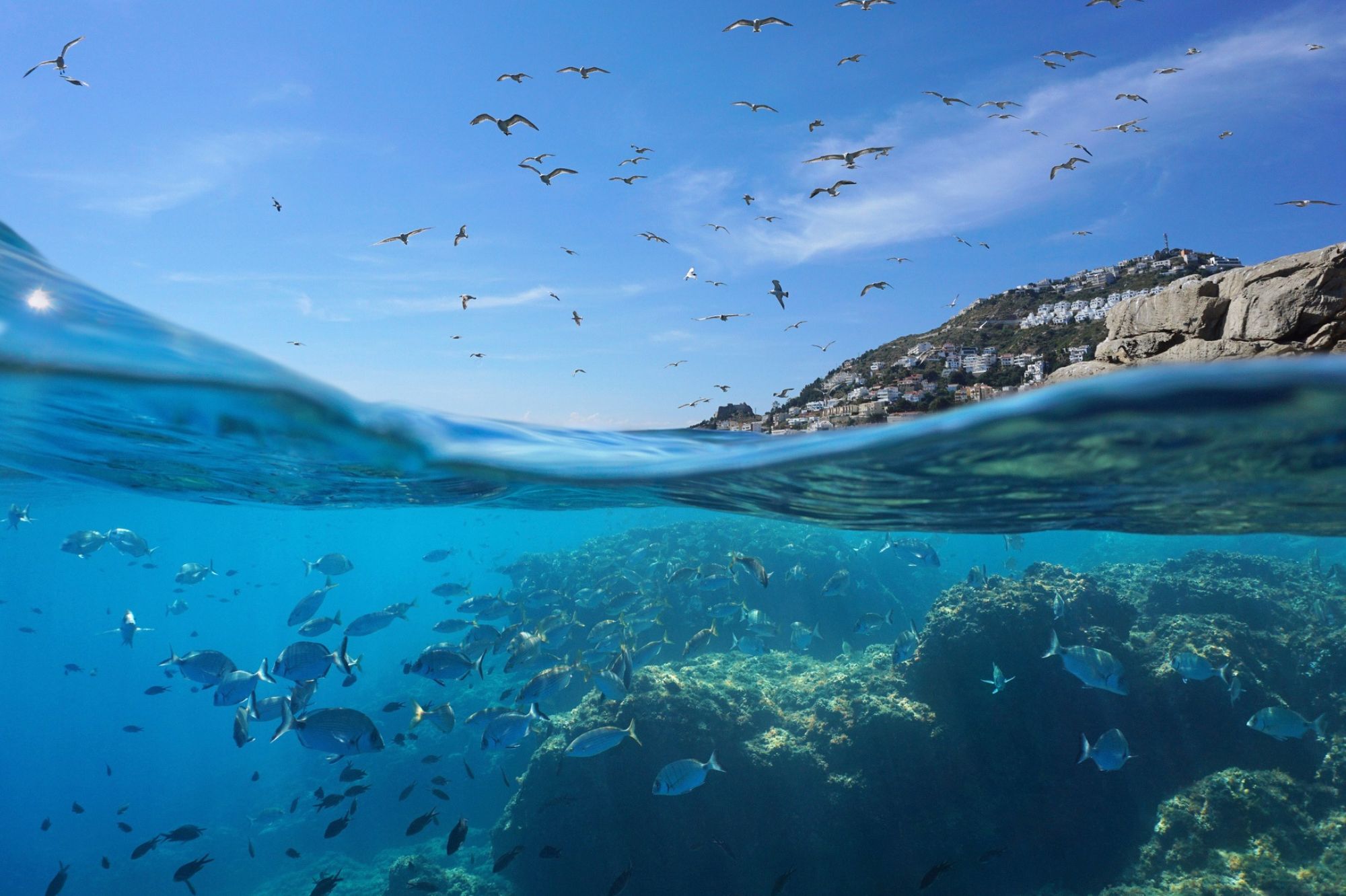
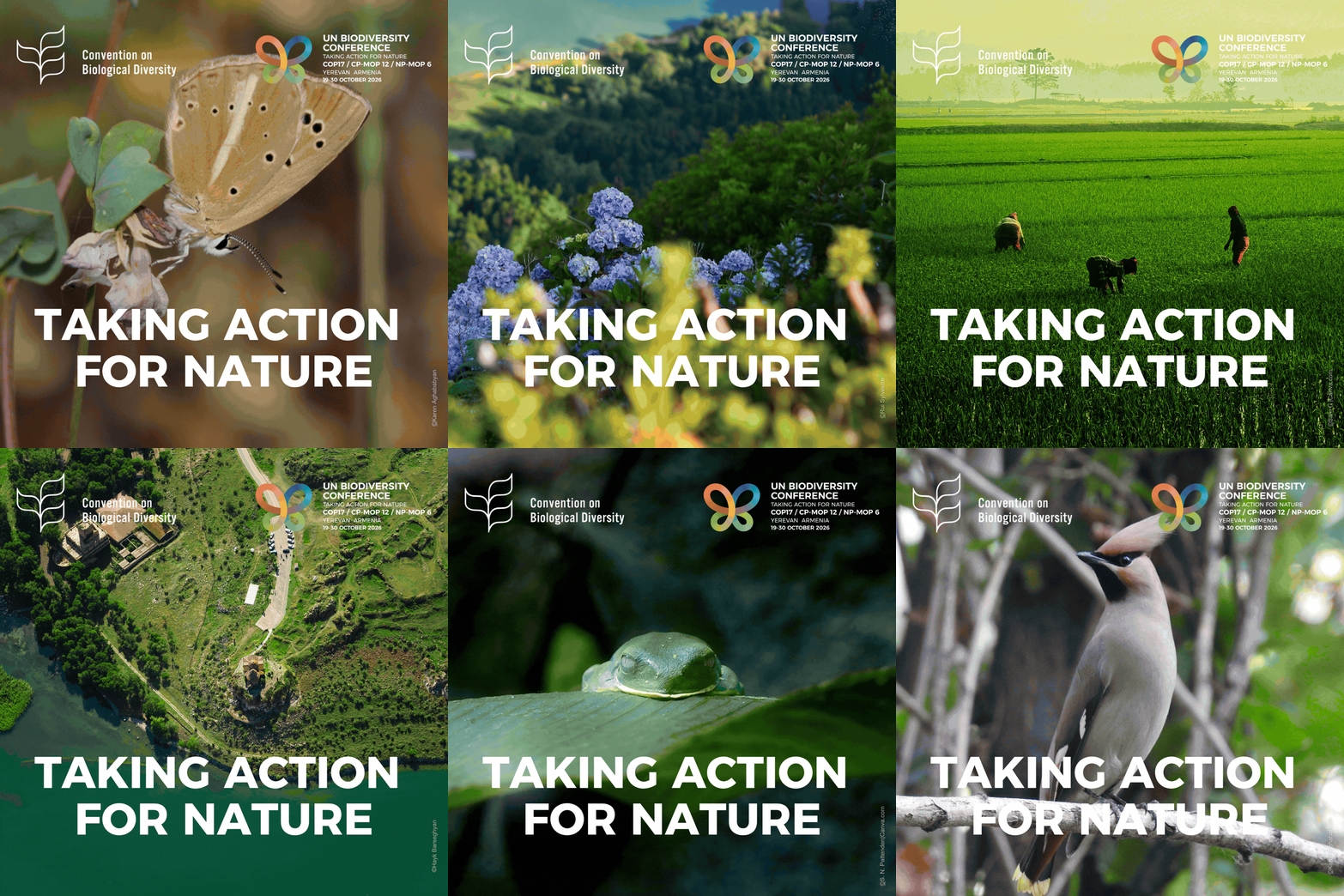
Plymouth Marine Laboratory (PML) is playing a key role at the UN Biodiversity Conference (CBD COP17) which is taking place in Yerevan, Armenia, under the theme of “Taking Action for Nature”.
The CBD COP is the main decision-making meeting of the UN Convention on Biological Diversity. This year’s event (which runs from 18th – 30th October) is the second of its kind since the 2022 adoption of the Kunming-Montreal Global Biodiversity Framework, which set out the “30 x 30” goal of protecting 30% of land and sea by 2030.
Heads of state and government, leaders of international organisations, scientists, representatives of indigenous peoples, communities and the private sector will join the event, which will provide the first global review of progress against biodiversity targets. It will act as a forum to discuss some of the main challenges facing the “30 x 30” goal, including how to address the gaps and imbalance relating to finance for biodiversity protection between different countries. The fair use of genetic resources, sustainable wildlife management and biodiversity linkages with health will also be among the topics of focus.
PML’s Head of the Office for International Affairs, Professor Matt Frost, is contributing to a range of events, including moderating the first panel in the Ocean Pavilion (a new addition for a CBD COP).
Convened by the Government of Mexico and titled “From Ratification to Implementation: National Experiences and Lessons Learned on the BBNJ Agreement”, the high-level panel will bring governments together to share practical lessons from different stages of ratifying and implementing the BBNJ Agreement (High Seas Treaty), and to look at how existing national ocean, biodiversity and environmental governance can be used to support that work.
Drawing on PML’s insight into how ocean science can support governments as they move from ratification to implementation, Professor Frost said:
“Governments face the challenge of protecting and sustainably managing biodiversity in national and international waters, and how to measure whether their actions are delivering for nature and society. That’s why it’s so critical that we are using – and indeed funding – the best possible science, and that the scientific evidence reaches decision-makers in a usable form. Good decisions depend on timely, accessible and trusted data, whether that’s from satellite Earth observation to long-term monitoring and modelling of how marine ecosystems and species are changing.”
The CBD COP comes less than a month before COP31, the 2026 UN Climate Change Conference (9-20 November), and also ahead of the first Conference of the Parties for the new BBNJ agreement (also known as the High Seas Treaty) which takes place in January 2027.
Just prior to COP17, world leaders gathered in Yerevan for the Leaders’ Summit (October 16th), with the resultant Yerevan Declaration reaffirming biodiversity commitments and noting the importance of improving policy coherence and multilateralism.
In her welcoming message for the CBD COP, Astrid Schomaker, Executive Secretary for the Convention of Biological Diversity, described climate change and biodiversity as “two sides of the same coin” highlighting the need for CBD COP17 to make progress on how they can be addressed together.
Professor Frost, who will also join CBD leads and DOALOS (the UN body responsible for the BBNJ agreement) on an important panel looking at synergies across the conventions, believes that integrating the processes and goals of the biodiversity and climate COPs in addition to the BBNJ agreement is vital for success:
“These agreements are connected in the real world, even if they sit in separate negotiating rooms. A marine protected area helps meet biodiversity targets, supports climate resilience and benefits the communities that depend on the Ocean. If we plan and report on these things separately, we waste effort and miss opportunities to maximise effort and make best use of resources.
Joined-up approaches let governments do more with the capacity and funding they have and allows scaling of solutions in a way that is equitable. It’s essential we avoid duplication and align action in order to accelerate biodiversity protection.”
PML will be using our presence at COP17 to support and encourage:
- Joined-up planning and reporting across biodiversity, ocean and climate commitments, so that national actions count towards more than one goal.
- Peer-to-peer support between governments, sharing practical lessons on implementation and building on what has already been shown to work.
- Science embedded in decisions, with sustained investment in long-term ocean observation, monitoring and capacity-building so that data is used effectively.
- Ocean visibility at every level of the biodiversity agenda, recognising that the Ocean holds a vast share of Earth’s biodiversity.
Alongside the panels focused on CBD-BBNJ links, Professor Frost will represent PML science during a range of other events during the conference. These will cover topics including Marine Carbon Dioxide Removal (mCDR), biomolecular approaches to biodiversity assessment and coral reef restoration.
The former is the subject of a new positioning paper released ahead of the CBD COP which underscores the importance of assessing the impacts of mCDR on biodiversity. It includes contributions from PML’s Professor Helen Findlay, who is Co-Chair of the ICES Working Group on ‘mCDR Interactions with Ecosystems, Fisheries and Aquaculture’ and Co-Lead of the UN Ocean Decade project “Ocean Mitigation Impacts to Ecosystems and People”.
For more information on PML’s involvement in the CBD COP visit: United Nations Biodiversity Conference (CBD COP17) – Plymouth Marine Laboratory
Related: