mCDR interactions with ecosystems, fisheries and aquaculture: an ICES Working Group and UN Ocean Decade GEOS Project
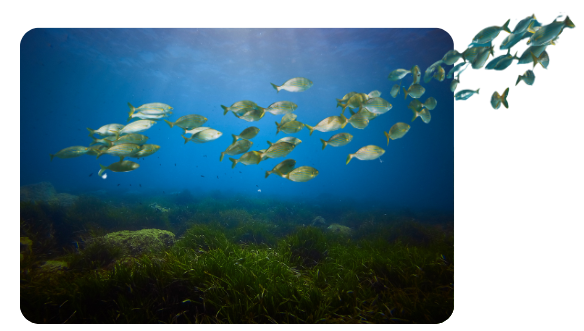
We are focused on marine Carbon Dioxide Removal (mCDR) interactions with marine ecosystems, fisheries and aquaculture. We aim to integrate and advance shared knowledge and develop tools for examining potential interactions of mCDR activities with coastal communities, key sectors and marine ecosystems in general.
Our activities are centered around three pillars:
- Engagement and inclusive perspectives
- Addressing science knowledge gaps
- Developing outputs for use in advice or decision-making
This interdisciplinary collaboration elevates perspectives of existing marine sectors and works towards developing multidisciplinary tools to enable decision-making in this rapidly evolving space.
We welcome any interested parties to either get involved or just stay informed, including those from commercial and Indigenous fisheries and aquaculture communities and rightsholders; academia; NGOs; government; natural and social scientists; policymakers; and fisheries and aquaculture resource managers. Importantly, the group is agnostic towards mCDR outcomes – we are here to evaluate evidence and discuss findings to inform the wider discussion around mCDR. We are not an advocacy or lobby group.
Background
Along with extensive emissions reductions, scientists now recognize that negative emissions technologies, including carbon dioxide removal (CDR), are required to meet global climate targets. Increasingly, the ocean is being considered as an avenue for CDR applications. The marine CDR (mCDR) methods that are currently gaining most attention include ocean alkalinity enhancement, artificial up/downwelling, nutrient fertilization, seaweed cultivation and sinking, and direct ocean carbon capture and storage. The potential ecological impacts of these interventions, particularly for fisheries-related and cultured marine organisms, are a new focus for research and there are many unanswered questions, including impacts to species and existing marine industries that depend upon marine species for their livelihoods.
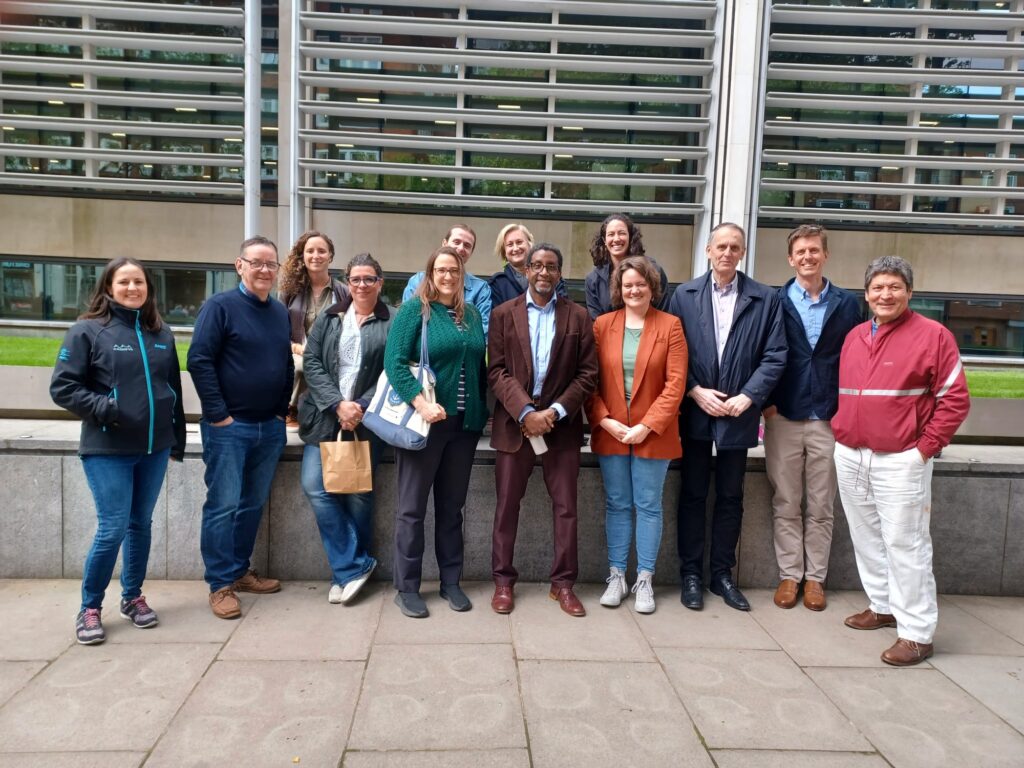
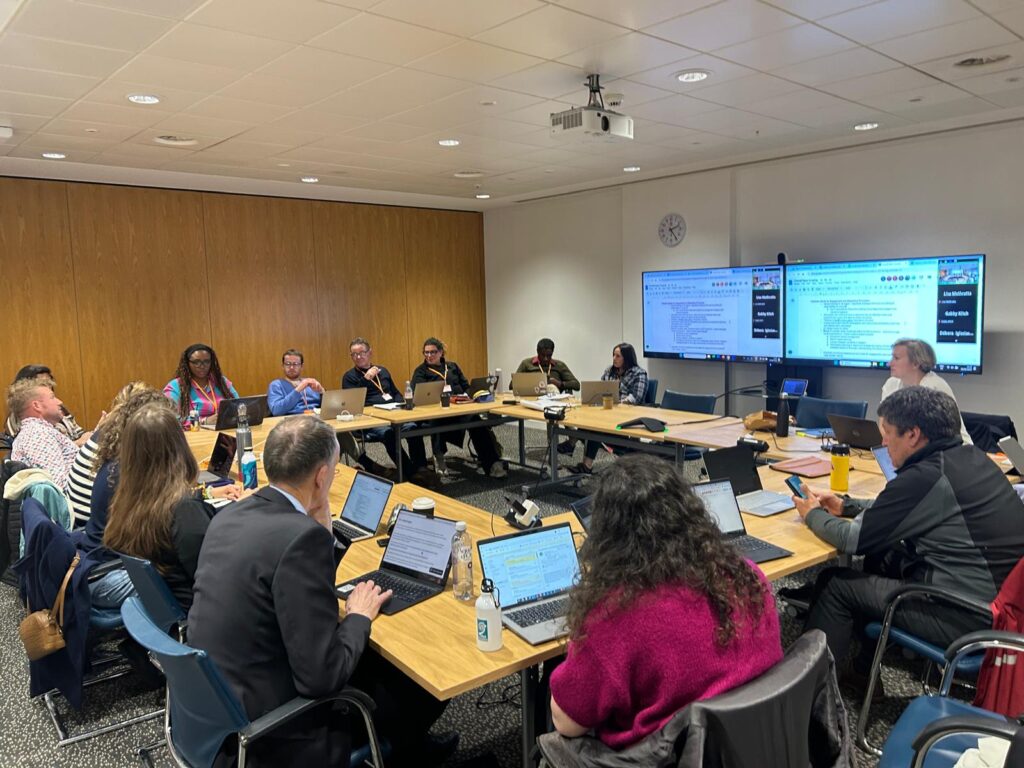
In 2024 a group of interested parties set up an International Council for Exploration of the Seas (ICES) workshop, inviting over 80 participants from a diverse range of backgrounds to join online in a first discussion around this intersection topic. This workshop, held over four days in October 2024, resulted in a workshop report and a perspectives publication. A second, independently organised, follow up hybrid workshop was then held in April 2025, taking about 30 people from the initial workshop to London for an intense three days of discussion and paper writing, resulting in the preparation of 11 papers to submit to peer-review journals and the production of “A Fisherman’s Guide to mCDR” infographic, and a plan to continue the efforts as an ICES working group.
The ICES WGmCDRFISH
This interdisciplinary ICES Working Group was officially established in April 2026, with Terms of Reference (ToR) set for three years, aiming to continue the discussion and knowledge exchange from the past two years. The group currently has over 50 members representing a range of interested parties from 11 countries. We will work towards our deliverables within ToR groups and convene as a Working Group via quarterly hybrid meetings. More information on the Working Group resolutions and activities can be found here.
UN Ocean Decade project
In 2026, this initiative was endorsed as a UN Ocean Decade project entitled ‘Ocean mitigation and impacts to ecosystems and people’ under the Global Ecosystem for Ocean Solutions (GEOS) UN Ocean Decade programme. The GEOS programme is a global network accelerating the development and scaling of equitable, science-based ocean-climate solutions. GEOS brings together leading scientists, innovators, policy actors, funders, and community organizations to collaboratively design, test, and advance strategies that address the interlocked crises of ocean degradation and climate change. We wanted to make sure that the work of the ICES WGmCDRFISH can be fed into the GEOS and wider UN Ocean Decade dialogue, as well as bring in interested parties from regions that fall outside the scope of ICES.
Within this group we will also be working on contributing to high level discussions by providing written and oral evidence and dialogue at international meetings such as the UNFCCC COPs and CBD COPs.
ICES Chairs
Helen Gurney-Smith — Research Scientist, DFO, Canada
Helen Findlay — Research Scientist, PML, UK
Peter Haugan — Policy Director, IMR, Norway
Sarah Schumann — Fisherman and Director of Fishery Friendly Climate Action Campaign, USA
ICES ToR Leads
ToR A1 — Helen Gurney-Smith, DFO, Canada; Libby Jewett, University of Vermont, USA
ToR A2 — Kalina Grabb*, Dalhousie University, Canada; Gabby Kitch*, Yale University, USA
ToR B — Peter Haugan, IMR, Norway; Helen Findlay, PML, UK
ToR C — Hannah MacDonald*, Maine Coast Fishermen’s Association, USA; Emily Blacklock*, Fundy North Fisherman’s Association, Canada
* Denotes early career professionals.
UN Decade Project Leads
Helen Gurney-Smith — Research Scientist, DFO, Canada
Kalina Grabb — Postdoctoral Researcher, Dalhousie University, Canada
Helen Findlay — Research Scientist, PML, UK
Peter Haugan — Policy Director, IMR, Norway
Sarah Schumann — Fisherman and Director of Fishery Friendly Climate Action Campaign, USA
ICES WGmCDRFISH first annual meeting
The first annual meeting of ICES WGmCDRFISH members will be held in person in Copenhagen in December 2026, with a hybrid option available.
mCDRxFisheries Literature Database
The mCDRxFisheries project has consolidated and annotated literature at the intersection of marine carbon dioxide removal (mCDR) and fisheries. The database brings together studies covering biological responses, ecosystem changes and fisheries impacts, providing an initial platform for expanding the knowledge base around mCDR and accelerating the synthesis of fisheries-relevant research.
The open-source database contains 870 publications and provides an interactive interface for users to download, search, filter and visualise content using mCDR- and fisheries-focused annotations.
Explore the mCDRxFisheries Literature Database
Read about the Lit-tag-builder methodology
Position Paper for the CBD 2026
Position Paper for the CBD 2026
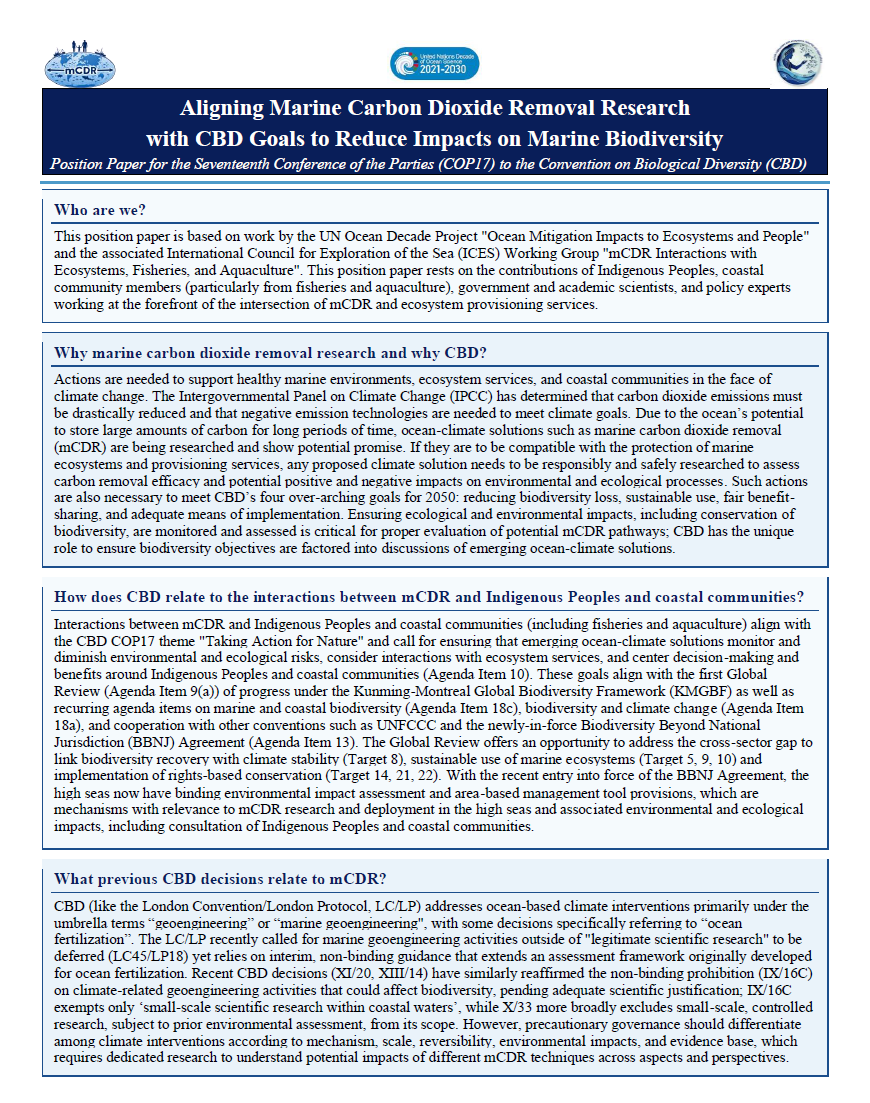
Based on work by the UN Ocean Decade (UNOD) Project “Ocean Mitigation Impacts to Ecosystems and People” within the Global Ecosystem for Ocean Solutions (GEOS), we have produced a position paper for the Seventeenth Conference of the Parties (COP17) to the Convention on Biological Diversity (CBD) (9-30 October in Yerevan, Armenia).
This is a critical moment for our UNOD Project to share this position paper since there has been rising interest in the ocean and linkages to climate solutions at CBD, including synergies with the newly-in-force Biodiversity Beyond National Jurisdiction (BBNJ) Agreement.
Provided that the UNOD Project members and associated ICES Working Group (“mCDR Interactions with Ecosystems, Fisheries, and Aquaculture”) have been working at this intersection, we are in a unique position to offer insights across conservation of biodiversity and mCDR research. Overall, we recommend clarifying how CBD applies to mCDR research, including through technique-specific, evidence-based pathways rather than treatment solely under the a priori marine geoengineering grouping. Specifically, we provide three recommendations:
- mCDR research: Ensure that legitimate scientific research on mCDR is responsible, ethical, and thoroughly considers environmental, ecological, and social interactions, with prior engagement of Indigenous Peoples and coastal communities, including fisheries and aquaculture farmers
- Data: Improve data by strengthening its in situ collection, transparency, consolidation, and ethical sharing, while respecting local and Indigenous Knowledge
- Decision-making: Elevate rights-based participation, including FPIC, co-development, and co-creation with Indigenous Peoples, coastal communities, and relevant coastal sectors
Please share this position paper with your relevant colleagues and feel free to reach out to Kalina Grabb (UNOD co-chair, kalina.grabb@dal.ca), who will be on the ground at CBD COP17. This position paper will be highlighted at the Ocean Pavilion Session: “An ocean of opportunity: integrating marine carbon dioxide removal with conservation of biodiversity” on Thursday, October 22, from 9:00 a.m. to 10:15 am.
Other resources
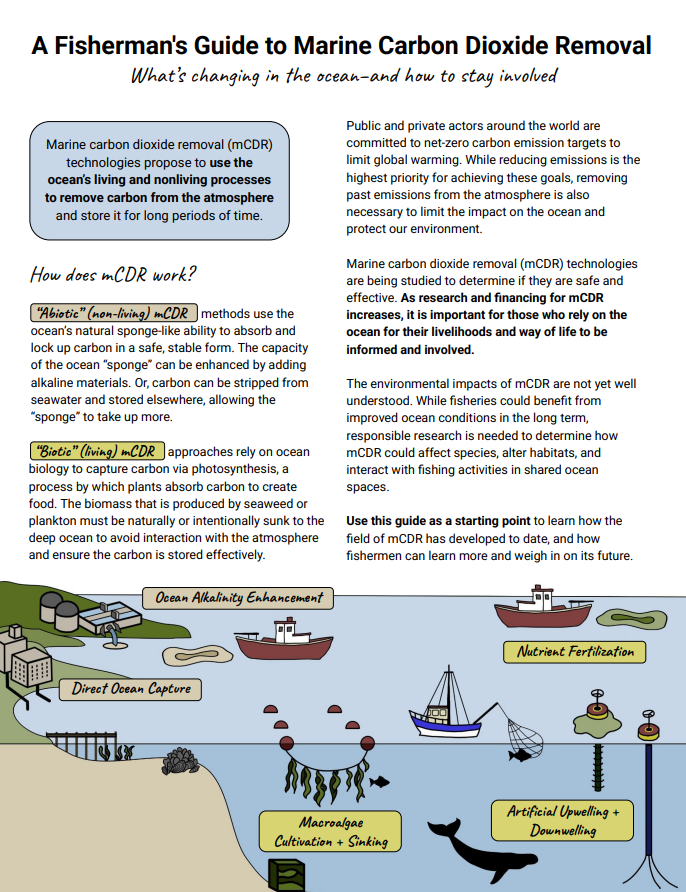
A Fisherman’s Guide to mCDR
An infographic explaining marine carbon dioxide removal (mCDR), what’s changing in the ocean, and how fishermen can stay involved.
Selected Publications
McElhany P et al. (2026). Biological thresholds for marine carbon dioxide removal (mCDR): the effect of changes in carbonate chemistry. EGUsphere [preprint]. Read publication
Grabb KC et al. (2026). A sequential gated research framework for addressing potential impacts of marine carbon dioxide removal on fisheries, aquaculture, and Indigenous communities. ICES Journal of Marine Science, 83(6), fsag076. Read publication
Grabb KC et al. (2025). The importance of engagement with fisheries, aquaculture, and Indigenous communities in the planning and implementation of marine carbon dioxide removal (mCDR) initiatives. ICES Journal of Marine Science, 82(12), fsaf198. Read publication
ICES. (2025). Workshop on marine Carbon Dioxide Removal (WKmCDR; outputs from 2024 Meeting). ICES Scientific Reports, 7(7), 16 pp. Read publication