Story | 20 May 2026
Trading the Lab for Parliament: My POST Fellowship Experience
For three months, marine science PhD researcher Stephanie Day swapped Plymouth for Westminster to explore how research informs policymaking through a POST fellowship.
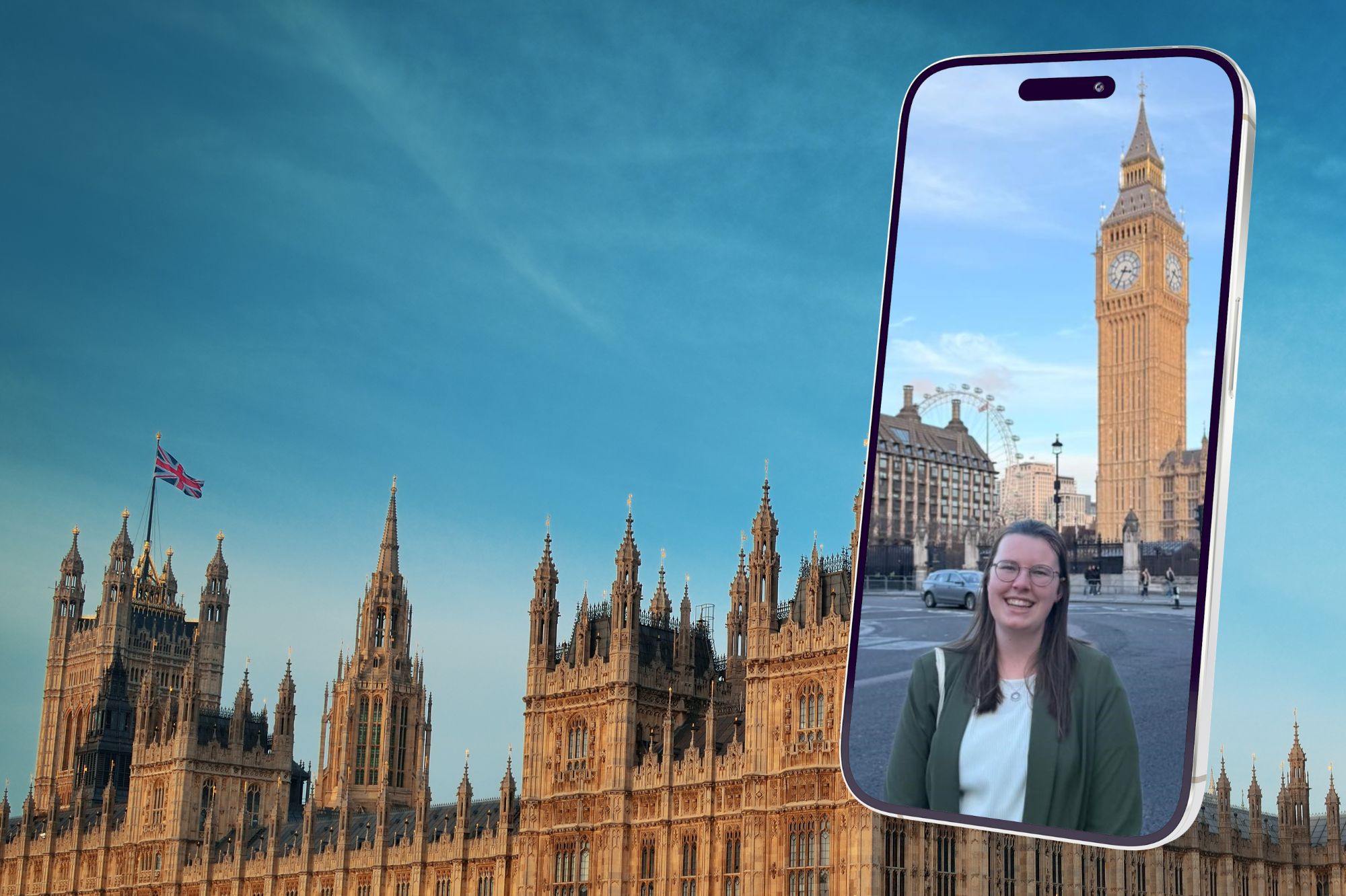
Ever wondered how Parliament collates, produces and uses scientific research? Or how academics can engage with Parliament? Or perhaps most importantly, what are the best restaurants within Westminster Palace?
Here, PhD researcher Stephanie Day shares her experiences during her 3-month Parliamentary Office of Science and Technology (POST) fellowship.
By Stephanie Day, PhD Researcher studying ‘How do organic nutrients sustain shelf sea productivity?’ with Marine Research Plymouth Alliance.
For the past three months, I traded my marine science PhD in Plymouth for a policy fellowship in Parliament.
I started my PhD driven by a love of learning and a desire to make a positive impact through my work, but I’ve always known there are many ways to achieve that goal beyond academia.
When I heard about the POST fellowship from a colleague, it felt like a valuable opportunity to dip my toe into the world of policymaking and of making a real difference, so I began exploring the different fellowship roles available.
A normal day in Plymouth for me consists of lab work and data analysis studying the biological and chemical interactions between nutrients and phytoplankton.
My PhD research, titled, ‘How do organic nutrients sustain shelf sea productivity?’, aims to characterise nutrient pools in seawater and examine how they are used by phytoplankton – also known as microalgae, which are single celled plants that form the base of the marine food web. Despite being tiny, their role is enormous in sustaining all marine life, and my research aims to unravel how changing nutrient inputs from humans shape coastal phytoplankton populations and the different environmental impacts.
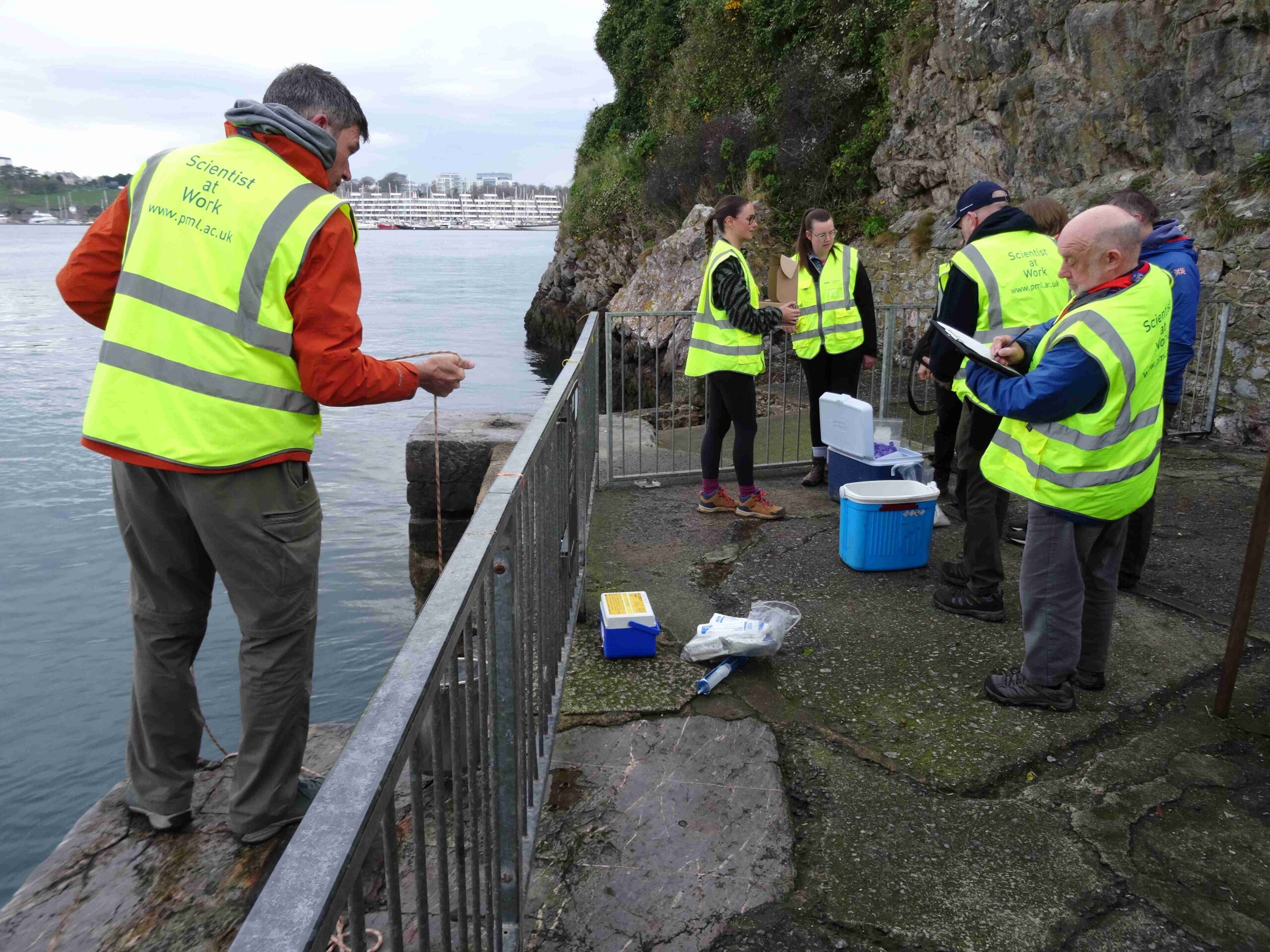
Image: Day in the life as a PhD student: Stephanie and colleagues sampling nutrients for AgZero+ a project which aims to develop climate neutral farming systems at Devils Point, Plymouth.
In contrast, a day in Parliament was usually spent interviewing experts about my topic or reading scientific literature to produce a POSTnote. Parliament uses research services daily to help inform debate, shape legislation and hold the government to account. POSTnote’s are one output from Parliamentary research services – they are succinct, accessible and forward-looking briefing documents for parliamentarians that have the latest evidence on a certain topic. My own POSTnote focused on ‘Evidence for Nature Recovery’.
Applying for the POST fellowship
One great thing about applying for the POST fellowship was that you didn’t need to have a UKRI-funded PhD studentship to apply. I am a member of both the British Ecological Society and Royal Society of Chemistry (there had to be some benefit to being interdisciplinary!), who each support one POST fellow a year. The application involved a selection of transferable skill questions and drafting a briefing in the style of a POSTnote.
One tip I’d give to applicants is to ensure your briefing is separate to your PhD research area. POST is strictly impartial so I would advise not providing any recommendations; the skill of writing a POSTnote comes from impartially summarising information by drawing attention to different stakeholder viewpoints.
I read previous POSTnotes to help inspire my own, and finally decided upon the issue of ‘Avian Influenza’, after seeing a local Facebook group’s worry over an outbreak in the local area. The comments were filled with confusion and fear, and I realised this would be a topic of interest to parliamentarians.
My application was accepted for the next stage but next came the interview! Whilst preparing, I found the Knowledge Exchange Unit’s ‘How to engage with Parliament’ videos invaluable as, although I had some policy knowledge, I didn’t know the difference between Parliament and Government (which happened to be one of the first questions they asked!). Despite some technical issues during my interview, I was ecstatic to be offered a fellowship, funded by the British Ecological Society.
Life in London – and Parliament
I knew that I wanted to immerse myself within both parliamentary and London life, so my first challenge was finding accommodation in London. I luckily found a sublet in Peckham (a very different experience to Plymouth). It was great to commence the fellowship alongside other fellows, which provided an instant community to help settle into the new London-life!
And the fellowship began, and I was given my main area of focus; to develop my own POSTnote.
POSTnote topics are decided on by the POST board (MPs, peers and experts) so I was provided with my topic ‘Evidence for Nature Recovery’ in advance of starting. There is high parliamentary interest in Nature Recovery, as the terminology is used in several government strategies and the 2025 Planning and Infrastructure Act referred to the ‘best available evidence’ for developing Environmental Delivery Plans (a strategy to achieve nature recovery).
As I have spent the last few years focusing on phytoplankton and biogeochemistry, nature recovery was a new concept to me, and the amount of specialist terminology in my initial scope was daunting.
I spent the first week getting up to speed with numerous acronyms flying about the office: EDPs, LNRS, BNG, ELMs – to name just a few. The end of my first week came with a Policy, Research and Analysis Community training day held in the House of Commons chamber – which was a surreal experience after seeing it so many times on television.
The next step in preparing my POSTnote involved arranging virtual interviews with experts across the country. These included academics, data centre managers, industry representatives, government officials and regulators.
Conducting interviews was a new skill for me, and I was slightly anxious about chairing roundtables of experts in a topic I’d only just started learning about. I grew to enjoy the roundtables as the passion of the roundtable participants enthused me to the topic and reiterated my desire to accurately and impartially reflect their views and knowledge in my POSTnote.
After the initial interviews, I began drafting the briefing based off the themes discussed. From there, it was a whirlwind of writing up interview notes, working on the POSTnote and submitting for internal and external review before publication.
External review lasted for two weeks, and during that time I tried to make the most of Parliament. I arranged coffee discussion with research staff across Parliament – including the House of Commons subject specialists and Select Committee staff – to understand their experiences of transitioning from academia to policy.
I also organised a visit to Hansard (the team who produces the verbatim report of chamber debates). It was great to experience the press gallery and see how they edit out repetitions and obvious mistakes before publishing online – within just three hours of it being spoken; it really does run like clockwork! Speaking of clockwork, I also toured Elizabeth Tower (Big Ben) during external review, walking behind the clock faces and watching the bell being rung.
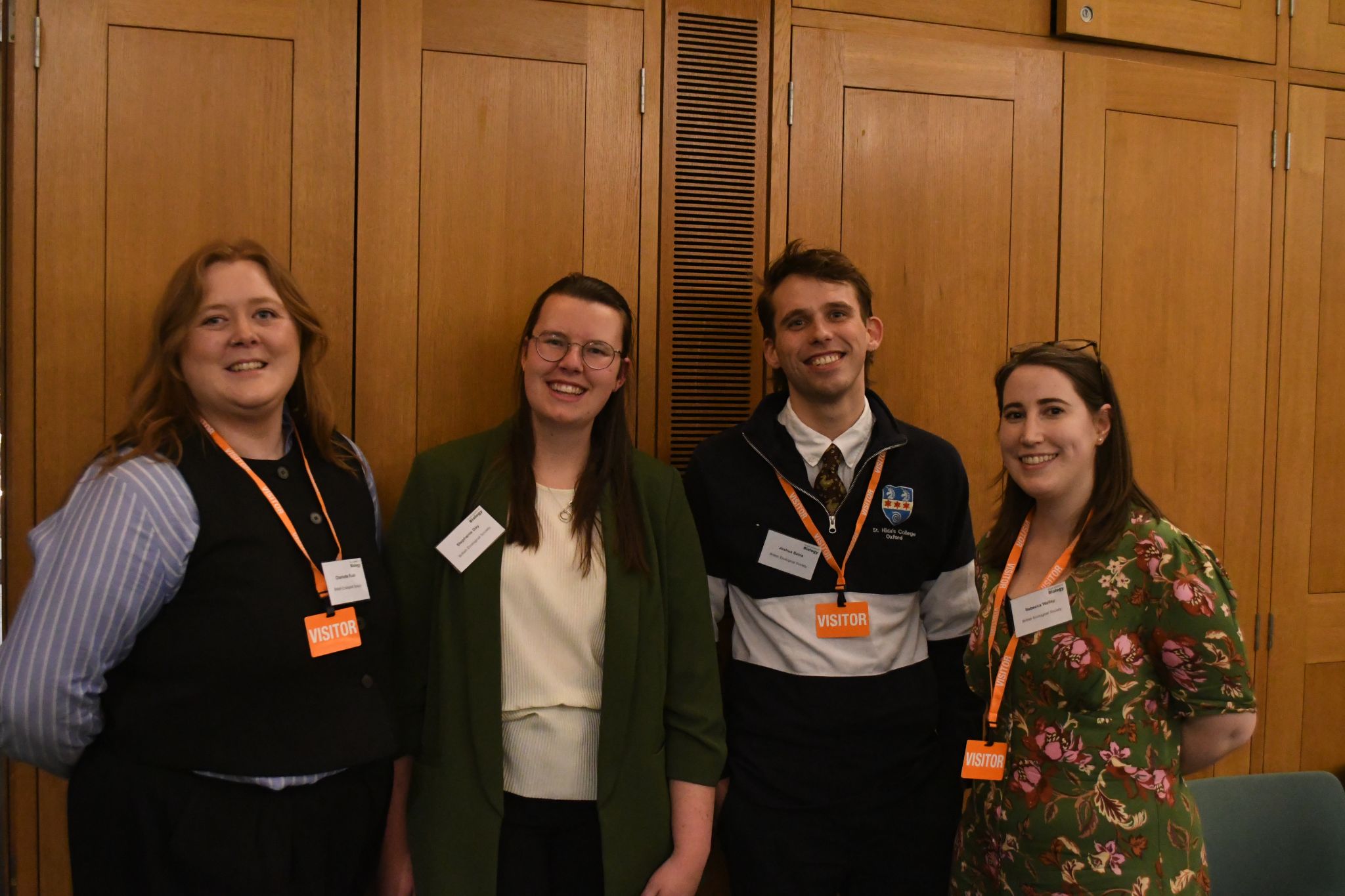
Image: During the fellowship, I was also lucky enough to attend the Voices of the future event alongside other British Ecological Society members. This was an opportunity for Early Career Researchers to pose questions to MPs and peers.
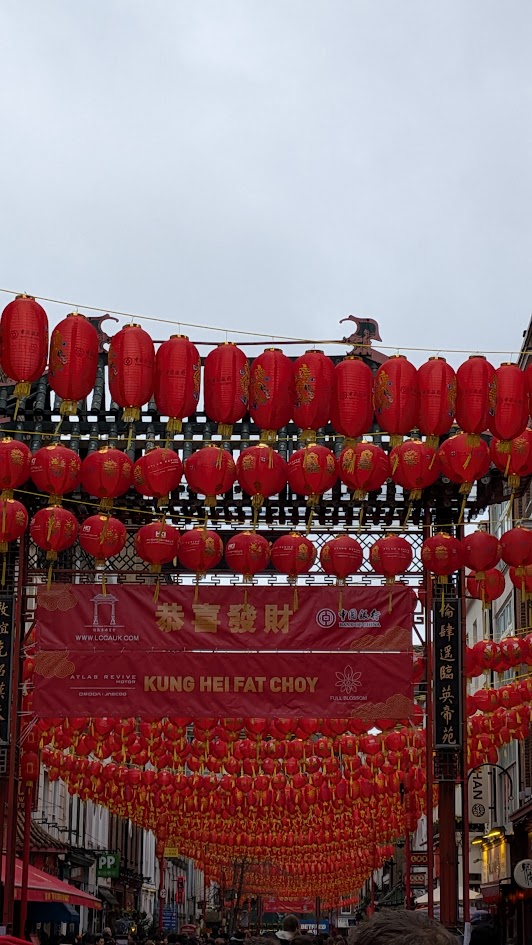
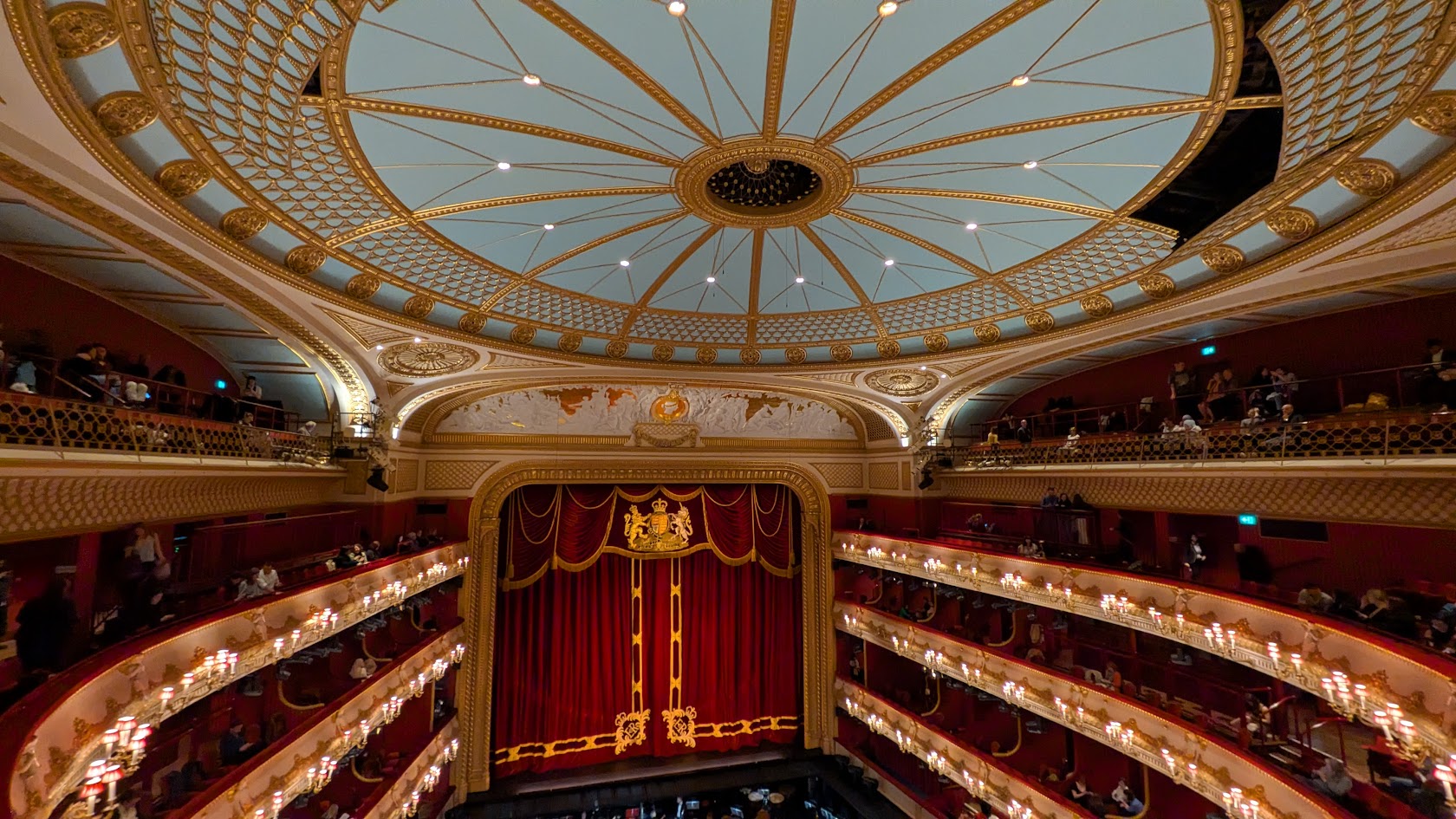
Images below: During her fellowship, Stephanie made the most of London life, including witnessing the Chinese New Year parade in Central London, visiting markets, and even made time for some musicals and theatre!


Making the most of the opportunities available
My biggest surprise whilst working in Parliament was the amount of additional opportunities. I got to present my PhD research to parliamentary researchers focusing on the policy relevance, and a follow up discussion surrounding the public perception of freshwater compared to coastal nutrient enrichment. The parliamentary pass also allowed access to any All-Party Parliamentary Group (APPG) or select committee evidence sessions.
Not only that, but a ‘Welcome to Parliament’ tour and Speaker’s reception event in honour of LGBTQ+ history month provided opportunities to meet parliamentary staff from outside of research services. For example, we met a Serjeant at Arms who is responsible for, among other things, carrying the House of Commons mace during the Speaker’s procession.
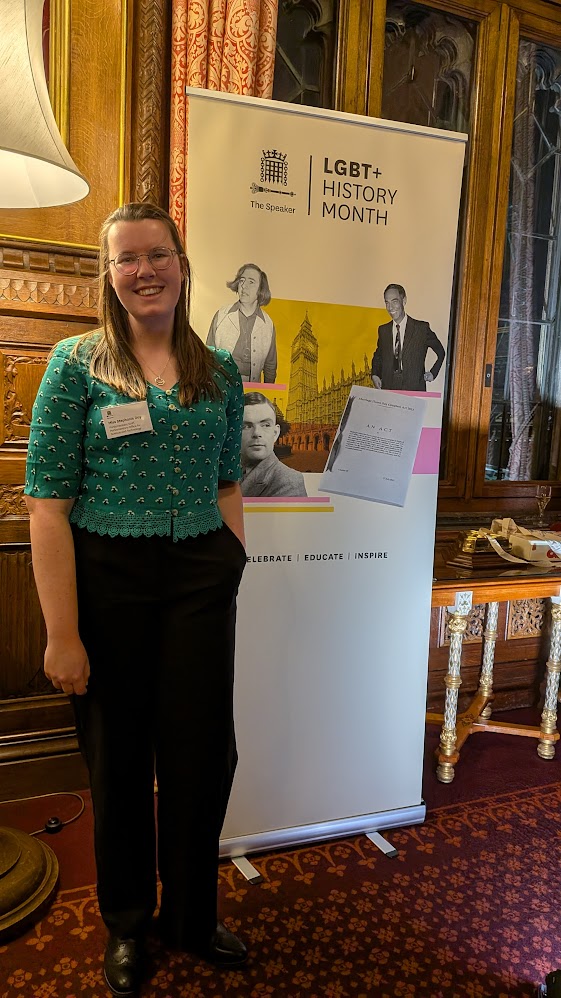
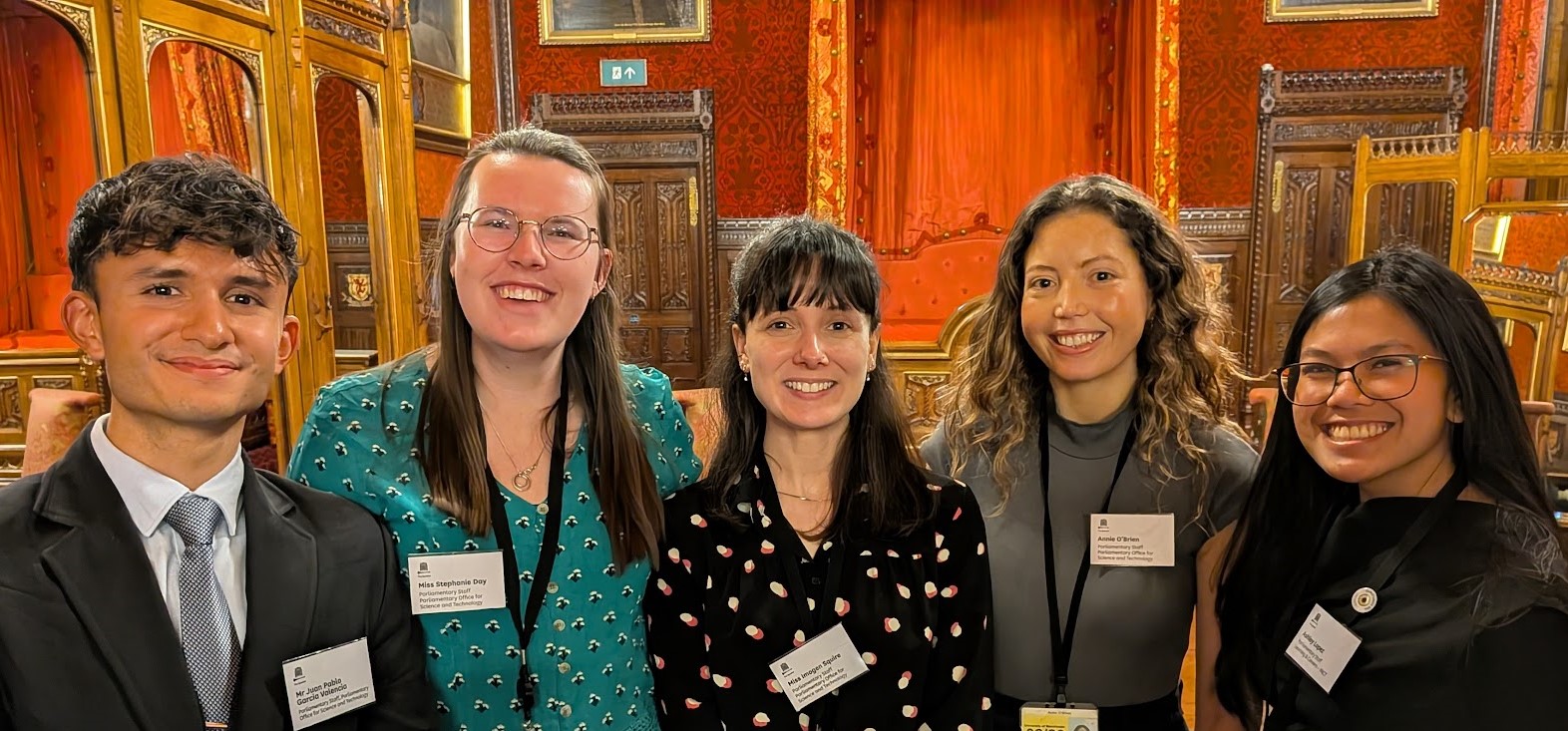
Images: Pictures from the Speaker Reception held in the Speaker’s apartments within Westminster Palace.
I regularly attended the parliamentary and scientific committee events where different organisations/ societies organise guest speakers around a topic. The National Oceanographic Centre and Applied Microbiology International both presented. They were great opportunities to meet other researchers engaged in policy work, and it was refreshing to discuss my PhD and POST research with other academics.
The most surreal part was being invited to the post-meeting dinners, including one where I was sat between an ex-MP and ex-chief superintendent of the Metropolitan police. It was amazing to get the insight into how a working dinner was organised and witness the ‘behind the scenes’ discussions.
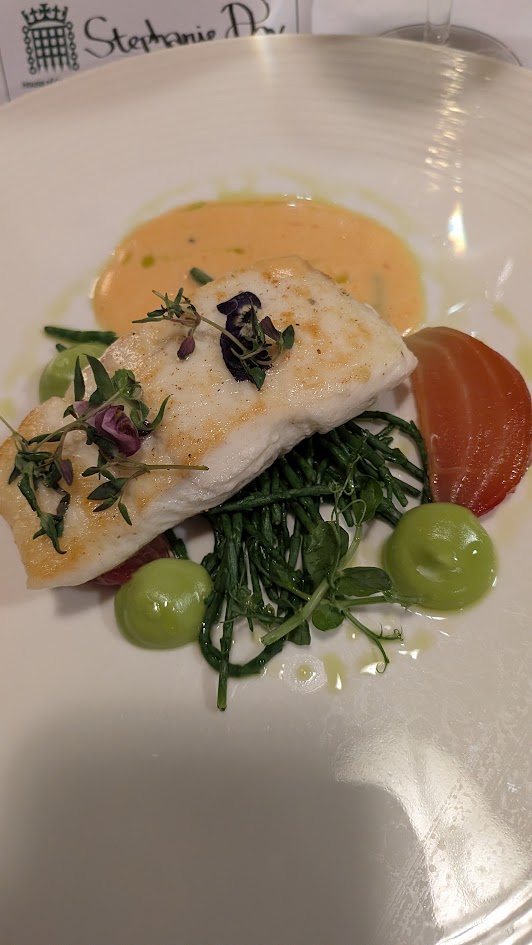
Image: A celebratory meal at the Strangers restaurant in Parliament
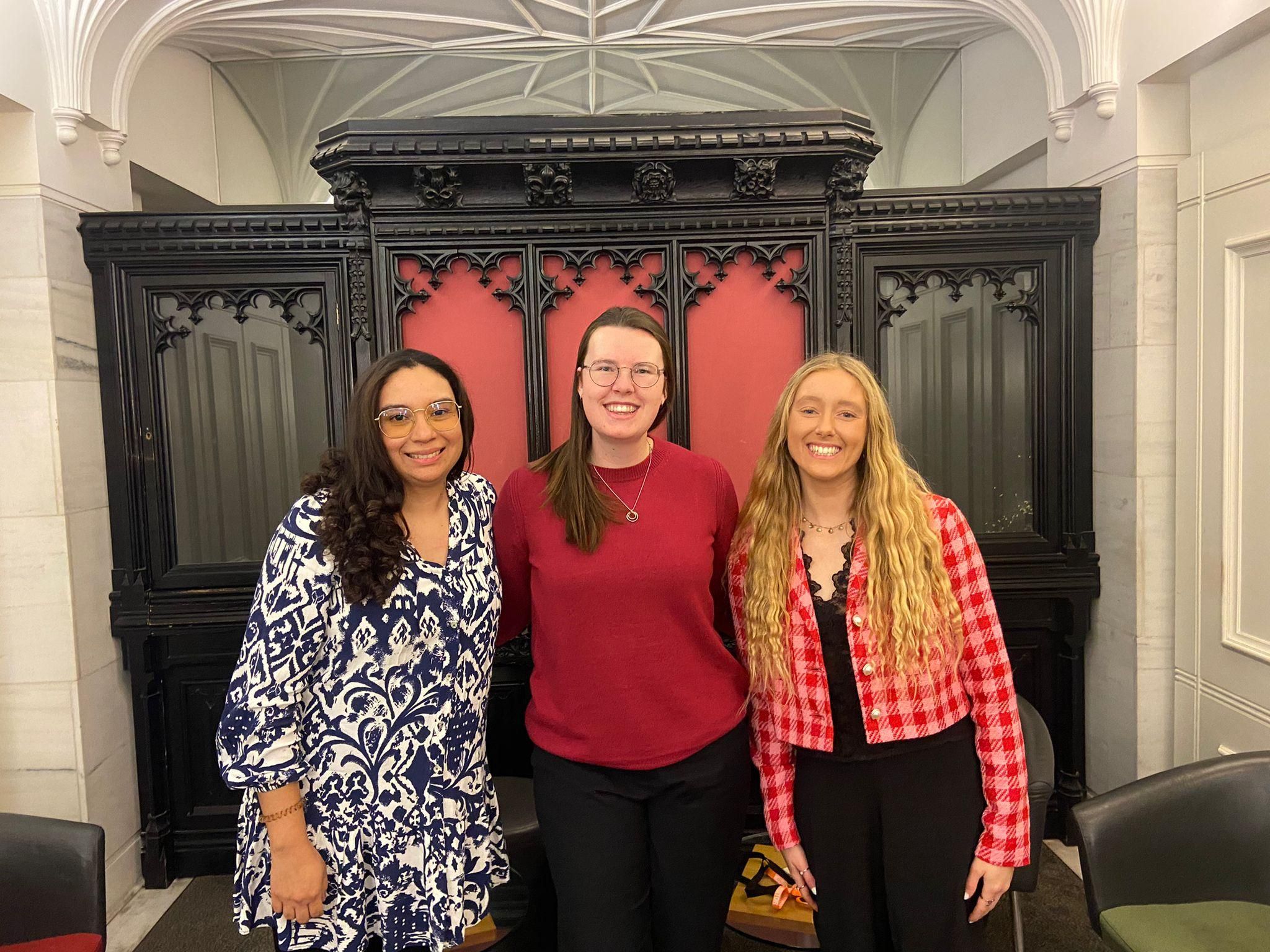
Image: Alongside Plymouth Marine Laboratory, colleagues at the National Oceanographic Centre hosted a meeting to discuss whether ‘economic development can really go hand in hand with environmental enhancement? The UK’s marine economy as an exemplar’
Being based in London provided opportunities to attend multiple external events as a parliamentary representative. One highlight was attending the Foundation for Science and Technology ‘Enhancing the UK’s preparedness and resilience to climate change’ event held at the Royal Society.
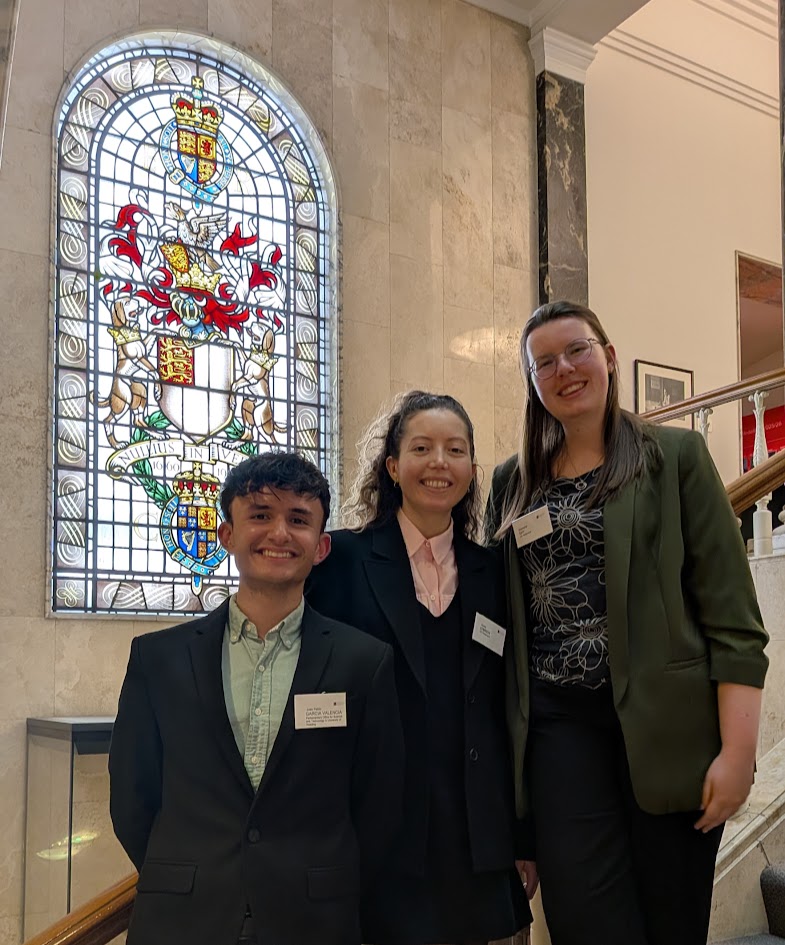
Image: Alongside other POST fellows at the Foundation for Science and Technology event
Overall, I would recommend the POST fellowship to anyone who wants to widen the impact of their research. Being embedded within Parliament for three months allowed me to truly experience how research supports policy making, and I hope this guest article might help or inspire others to pursue it too. I am looking forward to returning to my PhD research with renewed energy and greater appreciation of the bigger picture my research contributes to.
And not to forget my POSTnote on Evidence for Nature Recovery. Delving into a completely new research area and learning from conversations with experts has been amazing and I look forward to following the outcomes of future nature recovery policies with interest.
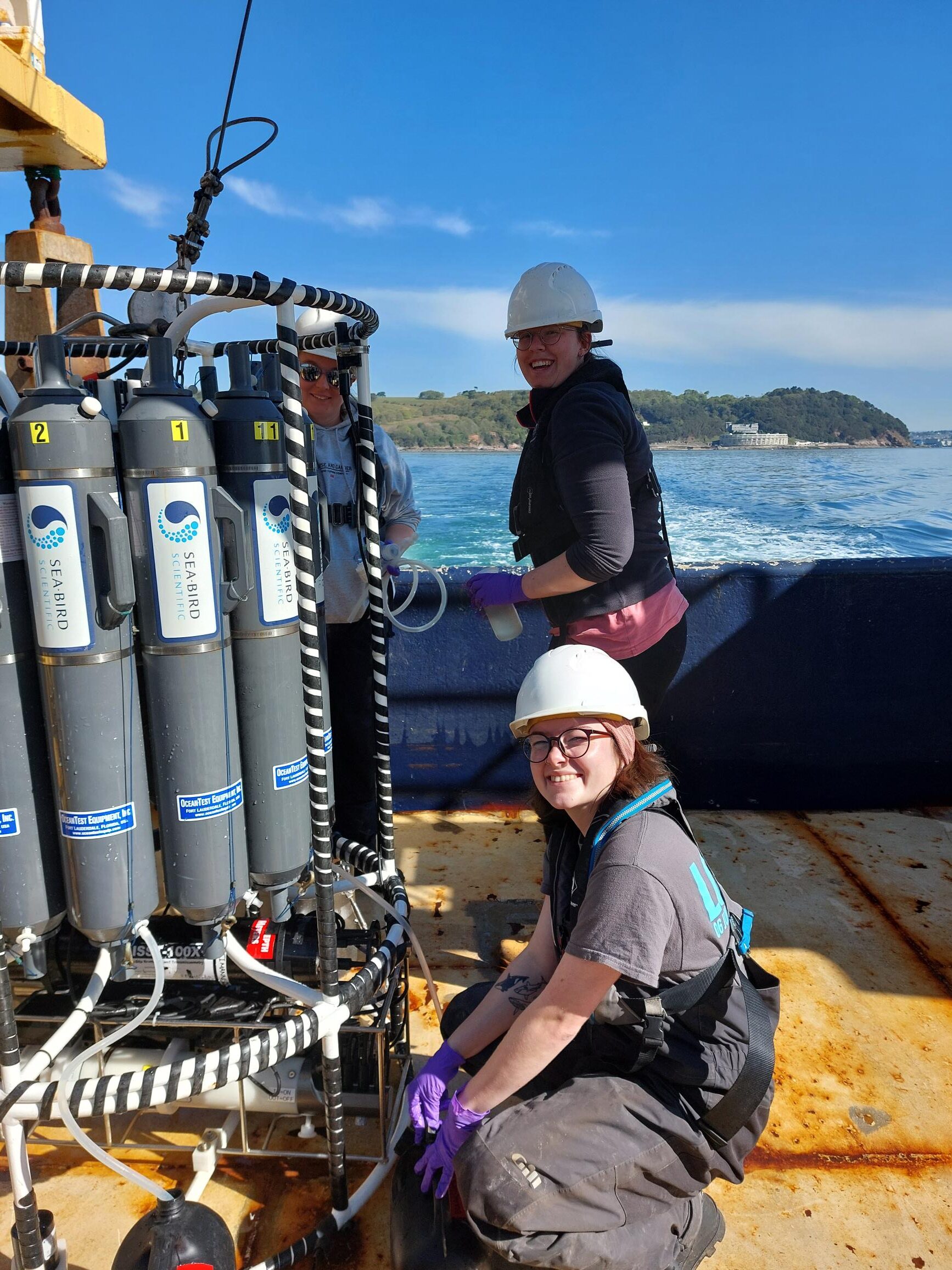
Image: Stephanie (back) with Rose Coggins (front) sampling on PML’s RV Plymouth Quest. Once her time as a POST fellow concluded, on her return to Plymouth Steph was immediately back into the swing of things, supporting with sampling for the ESA-funded SUPaCOOL project >>