Category
Marine Processes and Observations
Science topics & groups

Science group
Marine Processes and Observations
Observing, analysing, and understanding ocean processes, pioneering advanced Earth Observation (EO) techniques and leveraging digital innovations to achieve a greater fundamental understanding of marine systems.
Read moreRelated Projects
-
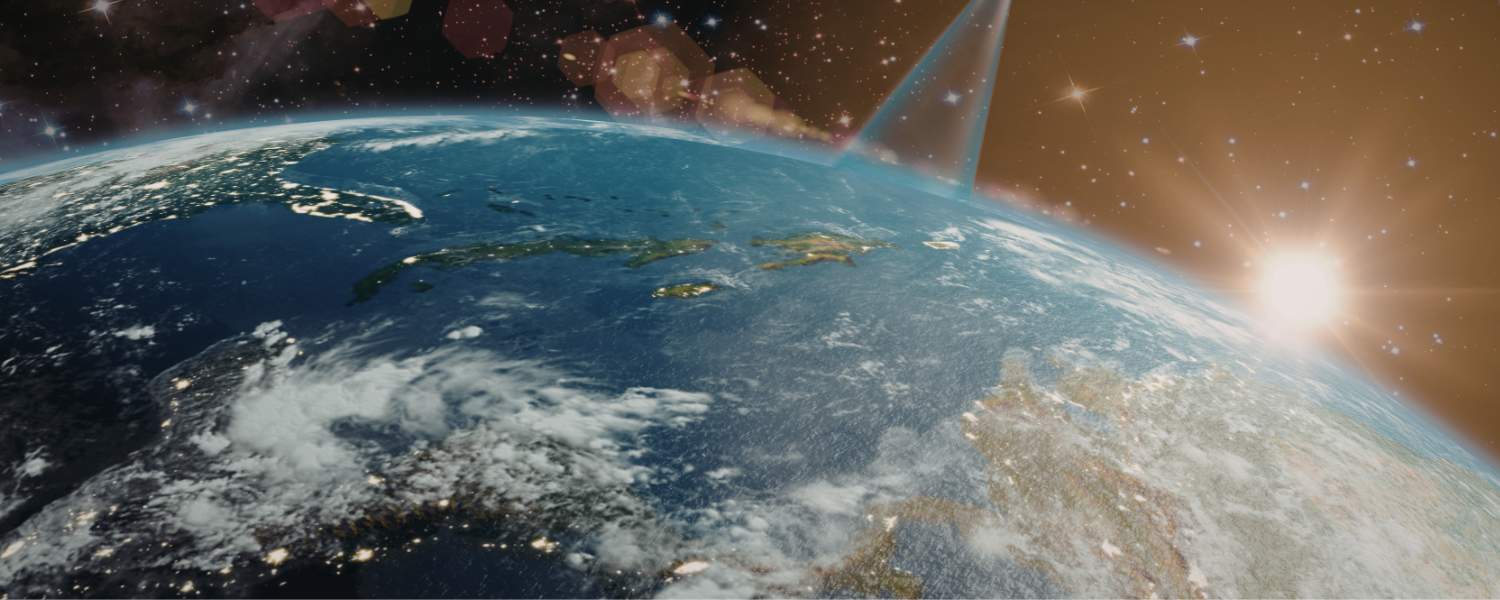 PlanktoSpaceThe PlanktoSpace project is an ESA‑supported initiative that aims to transform our ability to monitor ocean life from space by linking satellite observations with detailed measurements of plankton biodiversity.
 -
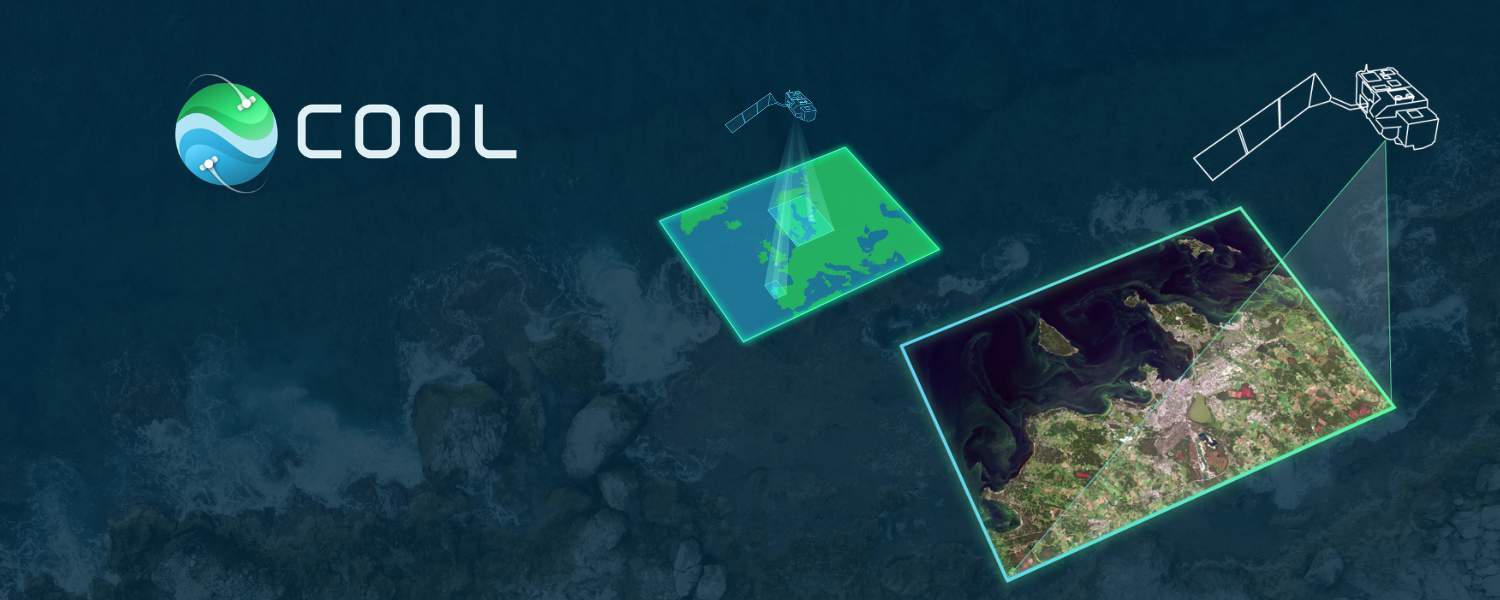 Carbon from earth Observation between Ocean and Land (COOL)The COOL (Carbon from Earth Observation between Ocean and Land) project is a European Space Agency (ESA)-funded initiative focused on improving how we observe and understand the carbon cycle in coastal waters using satellite data.
 -
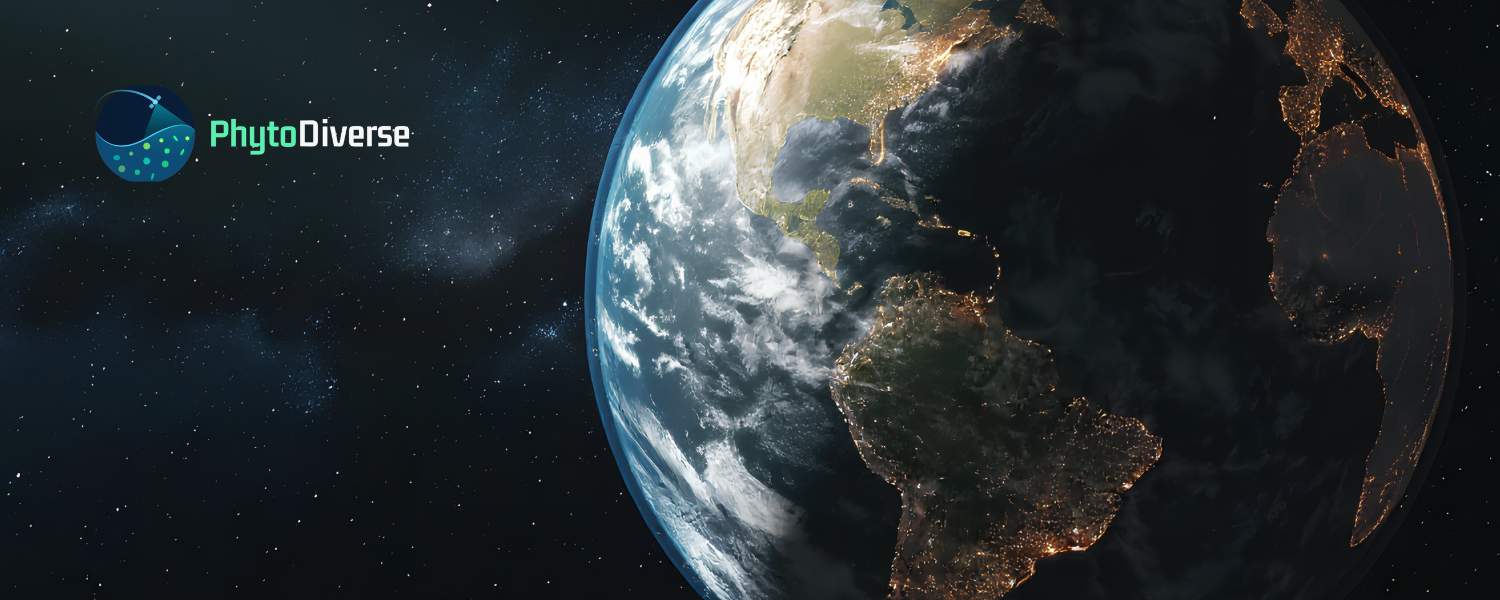 Phytodiverse: Advancing Ocean Biodiversity Science from SpacePhytodiverse will advance the science of phytoplankton diversity algorithms for Essential Biodiversity Variables (EBV) and derived indicators from space. The project develop innovative techniques to combine ESA satellites (Sentinel-2 and Sentinel-3) with hyperspectral data from PACE to create enhanc...
 -
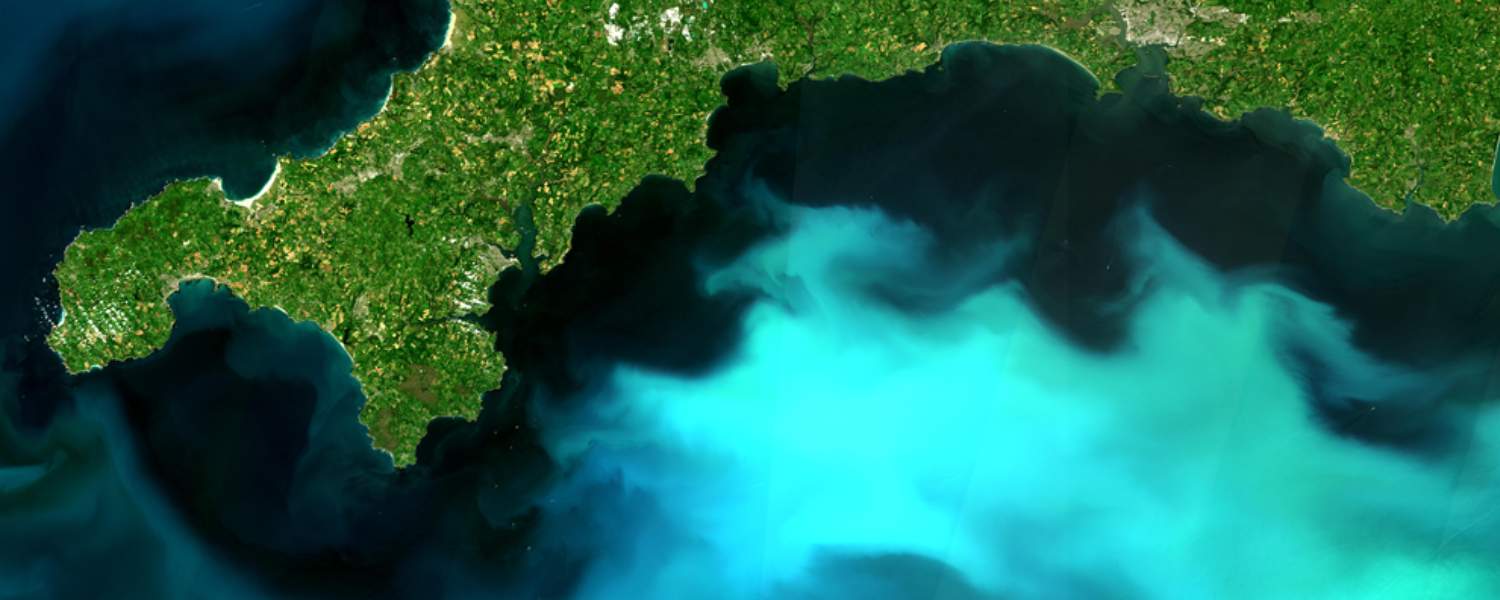 Ocean Colour Climate Change Initiative (OC-CCI)The Ocean Colour Climate Change Initiative (OC-CCI) (2010–present) delivers a long-term, consistent satellite record of ocean colour to support climate science and marine ecosystem research.
 -
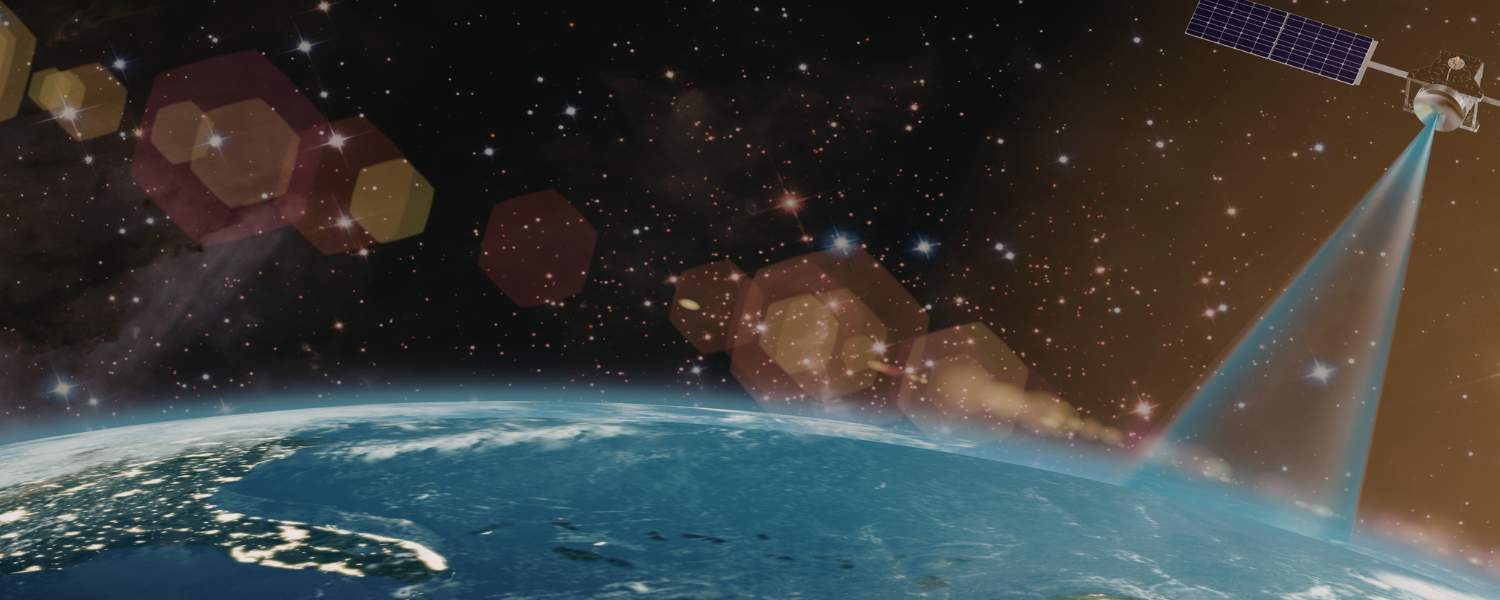 Climate and Marine Production (CAMP)Climate and Marine Production (CAMP) is improving our understanding of ocean productivity and how it responds to climate change by enhancing marine ecosystem and biogeochemical models.
 -
 Satellite-based observations of Carbon in the Ocean: Pools, Fluxes and Exchanges (SCOPE)In the Satellite-based observations of Carbon in the Ocean: Pools fluxes and Exchange (SCOPE) project, funded by the European Space Agency (ESA), we bring together an international team of experts to study the ocean carbon cycle from space to better understand how much carbon the ocean stores and ho...
Related News

09 October 2026
What is El Niño, how does it work and what will it do?
PML’s Dr Lee de Mora explains the science behind El Niño and explores how it could shape weather around the world – and here in the UK.
-
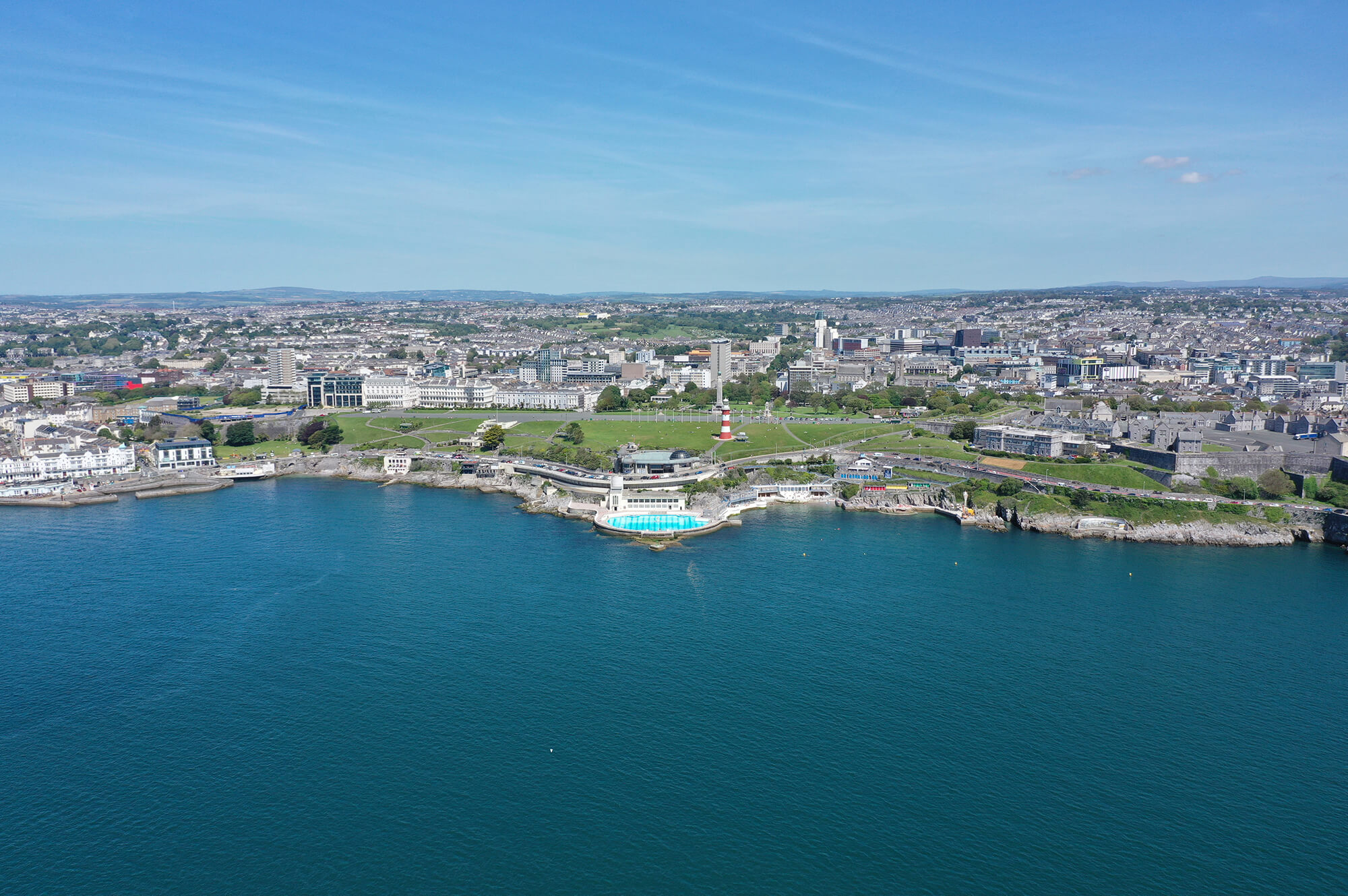 Plymouth to host 8th ‘Advances in Marine Ecosystem Modelling Research (AMEMR)’ conference in 2027
We are delighted to announce that the 8th Advances in Marine Ecosystem Modelling Research (AMEMR) conference, organised by Plymouth Marine Laboratory (PML), will be held at the University of Plymouth on the 5th-8th July 2027.
-
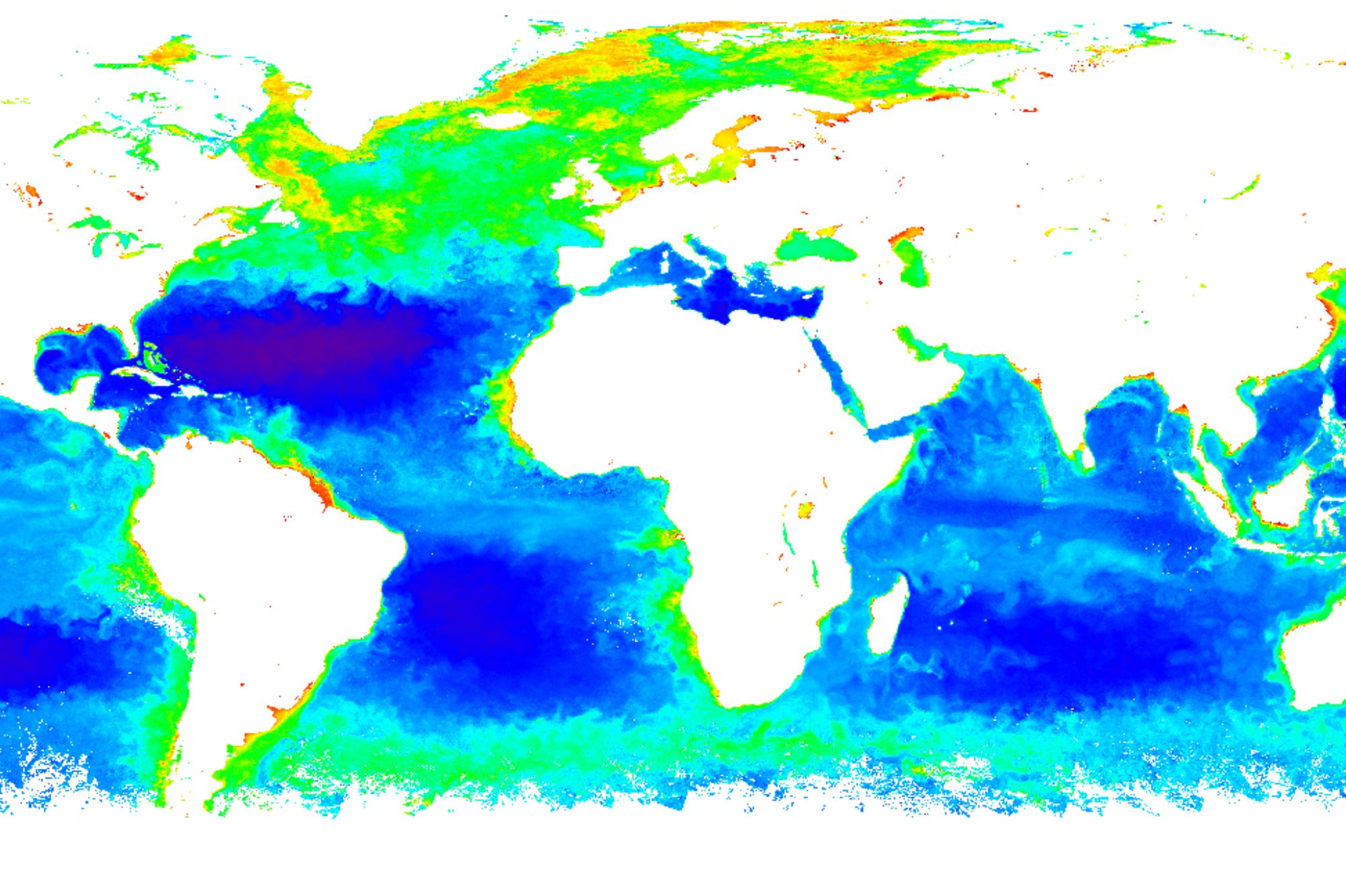 Satellites are helping scientists track changes in the health of the ocean – and a new study shows their precision is growing
Scientists at Plymouth Marine Laboratory (PML) have conducted the largest ever global assessment of the accuracy of
-
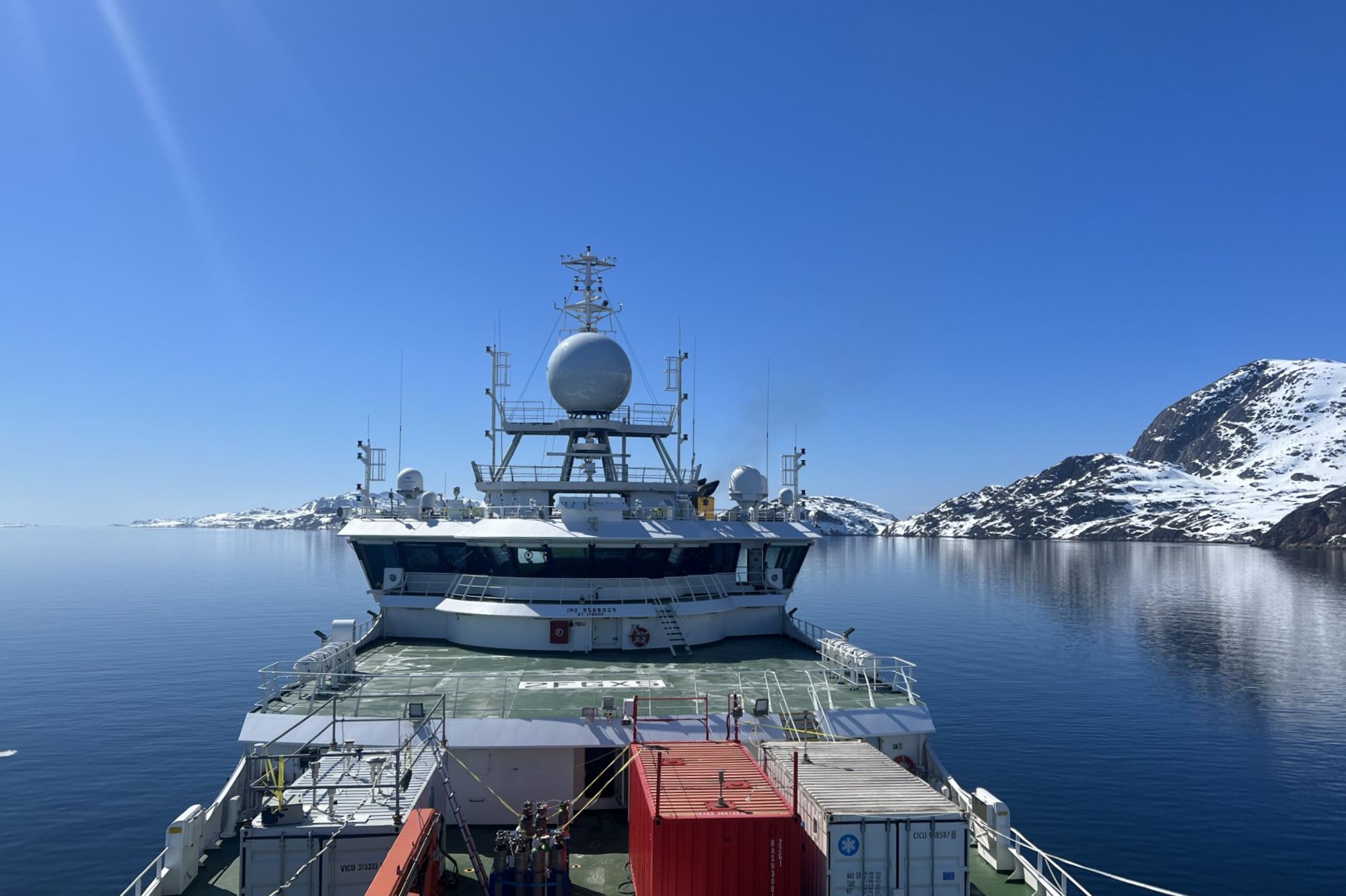 As Arctic sea ice melts, it can produce clouds that can reduce warming – but what happens next for the climate?
A new study provides the first real-world evidence of how melting sea ice can boost cloud-seeding particles in the Arctic. But whether more clouds could help cool the region – or trap heat – remains uncertain.
-
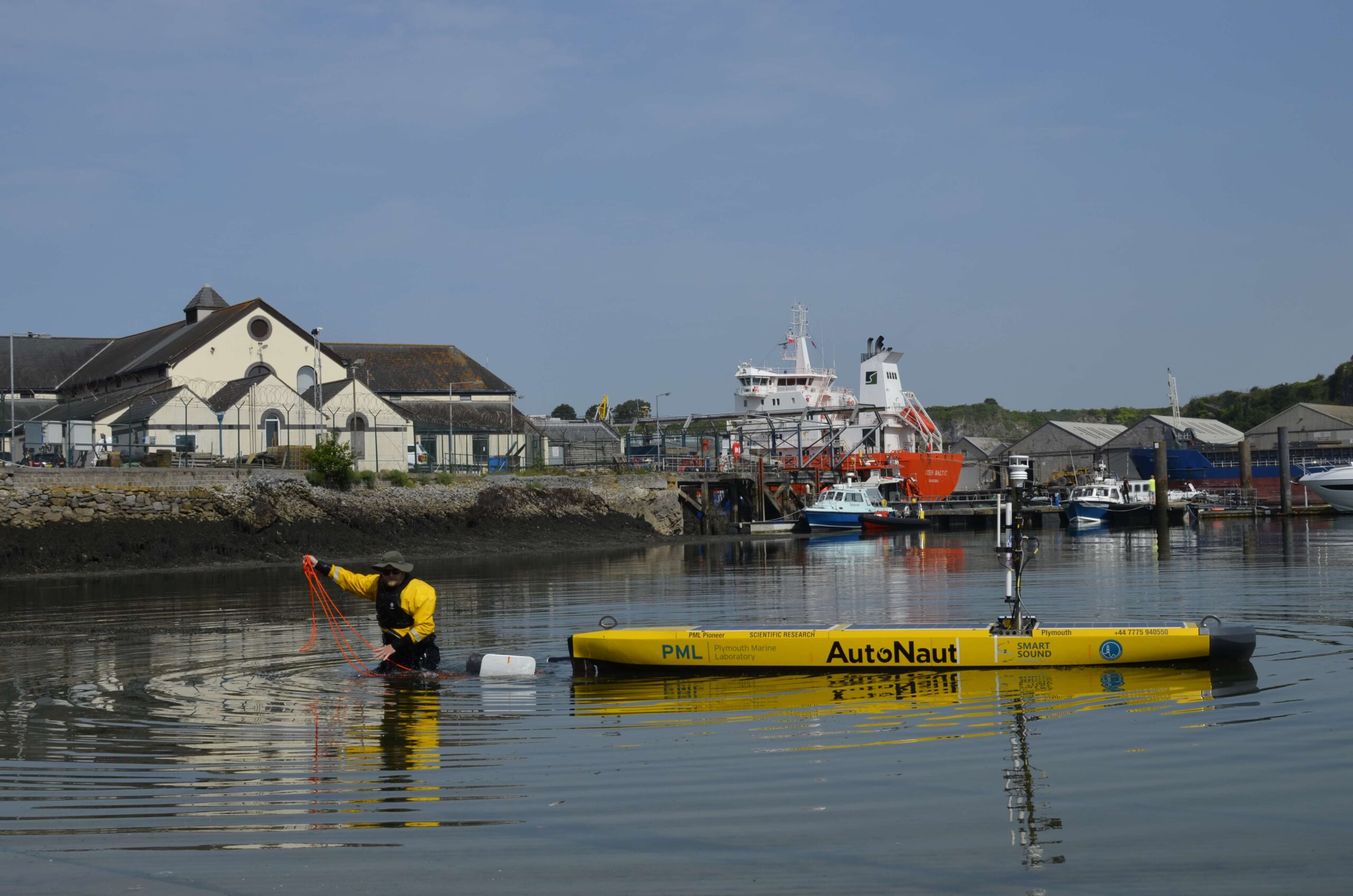 New autonomous monitoring capability demonstrated for floating offshore wind
Scientists test novel sensor integration to help advance autonomous ecosystem assessment and facilitate sustainable offshore wind expansion.