Story | 03 November 2026
eDNA study reveals cause of dramatic restructuring of the marine food web
A new study uncovers the climate-driven mechanisms driving widespread shifts at the bottom of the marine food chain
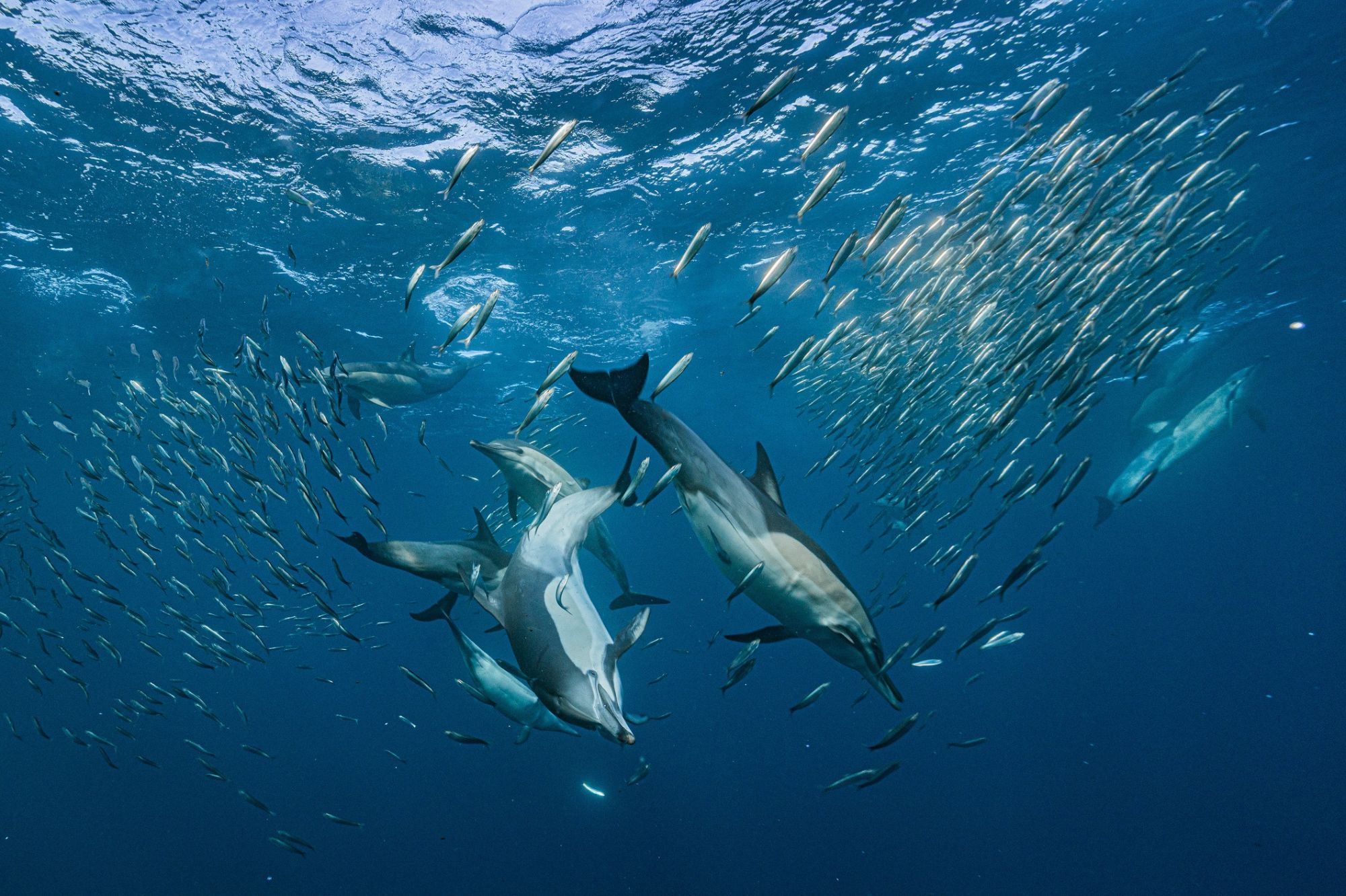
A new study from Plymouth Marine Laboratory (PML) has combined decades of microscope records with cutting-edge environmental DNA (eDNA) data to uncover the drivers of a major shift at the base of the marine food web in UK waters.
Researchers discovered that climatic warming is driving reduced nutrient availability affecting the food available to zooplankton – and that the “winners” in this scenario were the species who could efficiently feed and survive on very small particles.
As zooplankton form the foundation of the marine food chain, the shift in energy transfer could have far-reaching consequences – driving a domino effect; set to affect fish populations, fish size and fisheries productivity.
It is the first time – made possible through the 35 years’ of evidence in the combined datasets – that scientists have been able to uncover the exact mechanisms driving such sweeping shifts.
Plankton sustain all other forms of life in the ocean.
Microalgae, which are plant-like plankton – including phytoplankton and mixoplankton – photosynthesise, producing more than 50% of the Earth’s oxygen on the planet, while also absorbing and locking away carbon, regulating global climate.
Zooplankton – animal-like plankton – are equally vital. Sometimes described as the “cows of the sea”, zooplankton eat plant-like plankton and are a key link in the food chain, converting the carbon fixed by photosynthesis into essential food for consumers higher in the food chain such as fish.
Did you know? Zooplankton are so numerous in our ocean, that they constitute 40% of total marine animal biomass.
But for decades, scientists have observed widespread declines in some key zooplankton groups, particularly copepods, across parts of the North-East Atlantic.
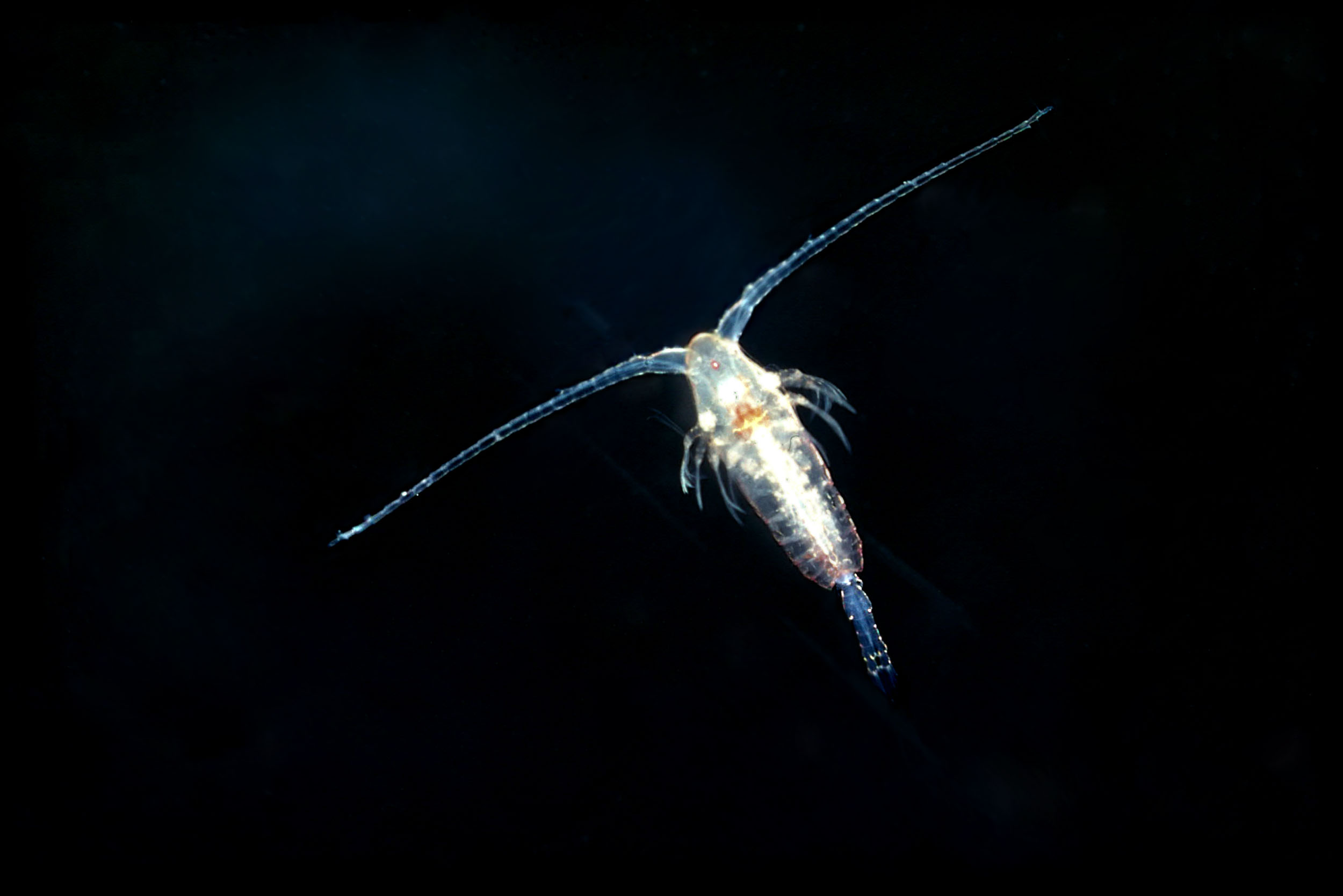
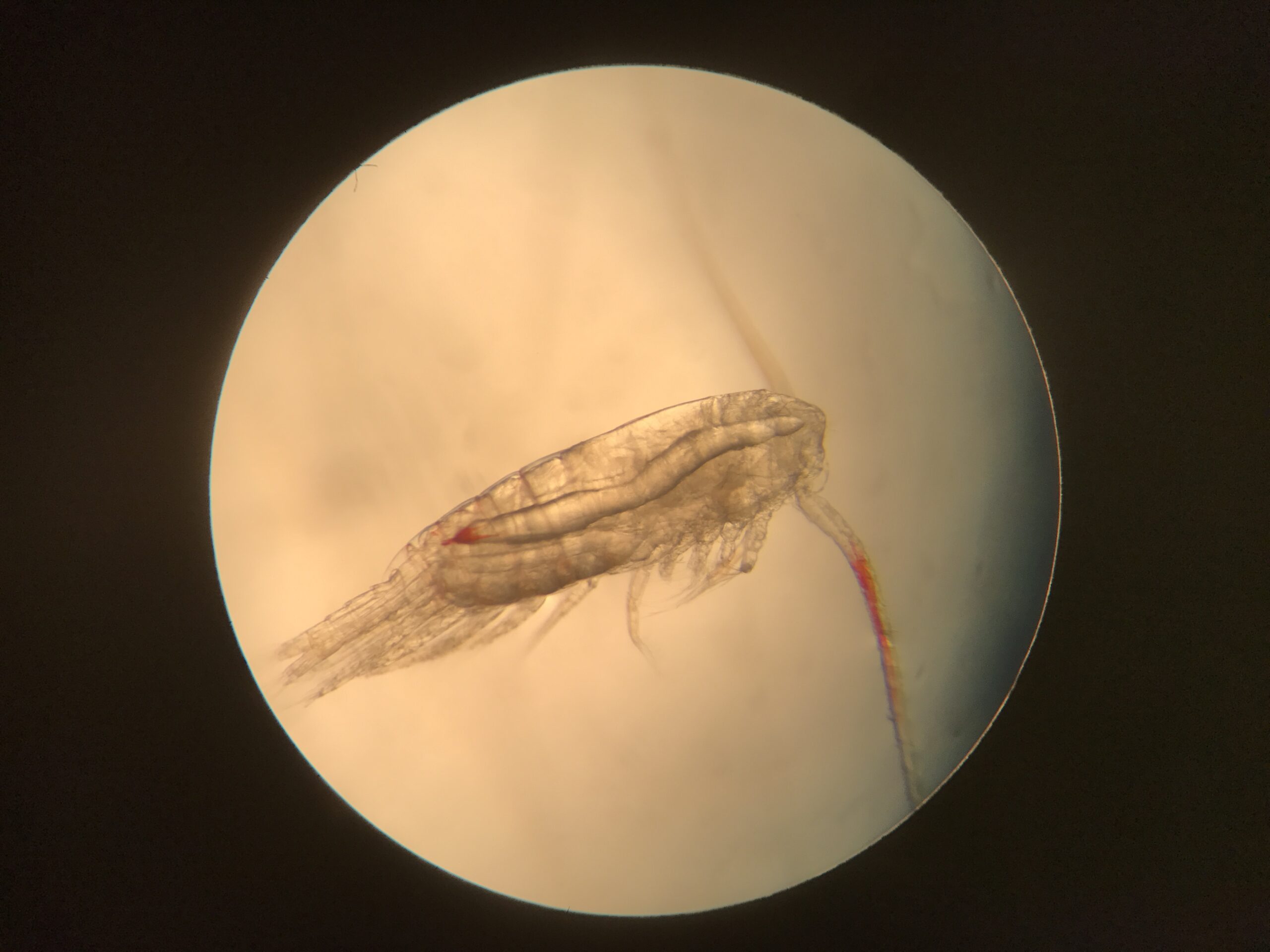
Image: One of the most striking declines observed is of Calanus helgolandicus, a copepod that has been one of the dominant species in the western English Channel for decades. PML’s Dr Karen Tait commented, “It was almost the ‘poster plankton’ for this ecosystem and then, quite suddenly, its abundance collapsed.”
Despite being such small organisms, the role of zooplankton is so immense in the marine food chain that their declines are projected to amplify into much larger declines in their consumers – from fish, to marine mammals, to birds.
This leads to a widespread effect, felt not only by the wider marine food web, but also by humans; affecting commercially important fish stocks – and the communities and livelihoods that depend on them.
Understanding what is driving these changes has therefore become an urgent priority, prompting PML scientists to turn to more than 35 years of data – from two very different sources – to try to reveal answers.
The research, led by PML’s Dr Karen Tait, combined 35 years of traditional zooplankton microscope records with 11 years of environmental DNA (eDNA) data from seawater samples collected at PML’s L4 monitoring site, approximately six nautical miles south of Plymouth, UK.
Both datasets have been generated through PML’s own long-term observations as part of the Western Channel Observatory.
Published in Nature’s Communications Biology, the study, titled ‘eDNA and microscopy reveal traits underlying long-term zooplankton community change’, marks one of the most comprehensive comparisons of traditional and molecular monitoring methods ever undertaken.
Dr Tait, who specialises in molecular biology and eDNA analysis, worked with colleagues across PML to combine the microscopy data alongside eDNA data, collected by PML in a parallel data set, since 2012.
What is eDNA? eDNA – which stands for environmental DNA – allows scientists to detect organisms through traces of the genetic material they leave behind, such as skin cells, faecal matter, reproductive material, or even the bodies of smaller animals.
The findings confirm significant shifts in the structure of the plankton community and provide new insights into the mechanisms driving these changes, discovering that long-term winners and losers could largely be distinguished by how they feed, in response to declining nutrient availability.
The ‘winners’ and ‘losers’ of climatic warming
Authors discovered a remarkable correlation between feeding styles and survival.
Species that have declined in recent decades are suspension-feeding copepods and other omnivorous grazers – that rely on relatively large phytoplankton. In contrast, species increasing in abundance are often fine filter feeders capable of exploiting much smaller particles.
Below: The ‘winners’ and ‘losers’ of climate change: Long-term changes in zooplankton functional composition during stratified and non-stratified periods. Orange = significant increase over time; blue = significant decrease over time; Grey = no significant trend.
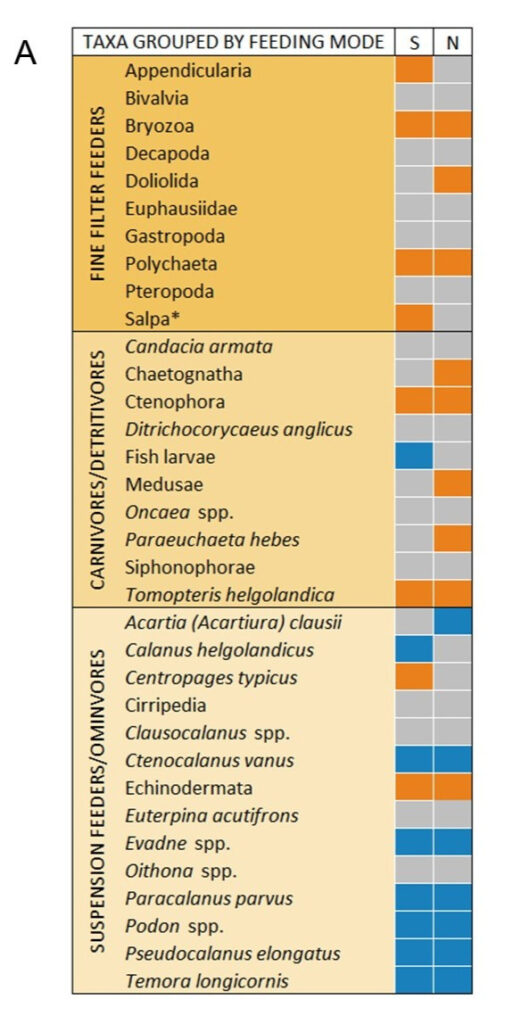
Below: Long-term changes in zooplankton functional composition during stratified and non-stratified periods. B, C Summary responses of functional groups. Fine filter feeders increased during stratification, while suspension feeders/omnivores declined.
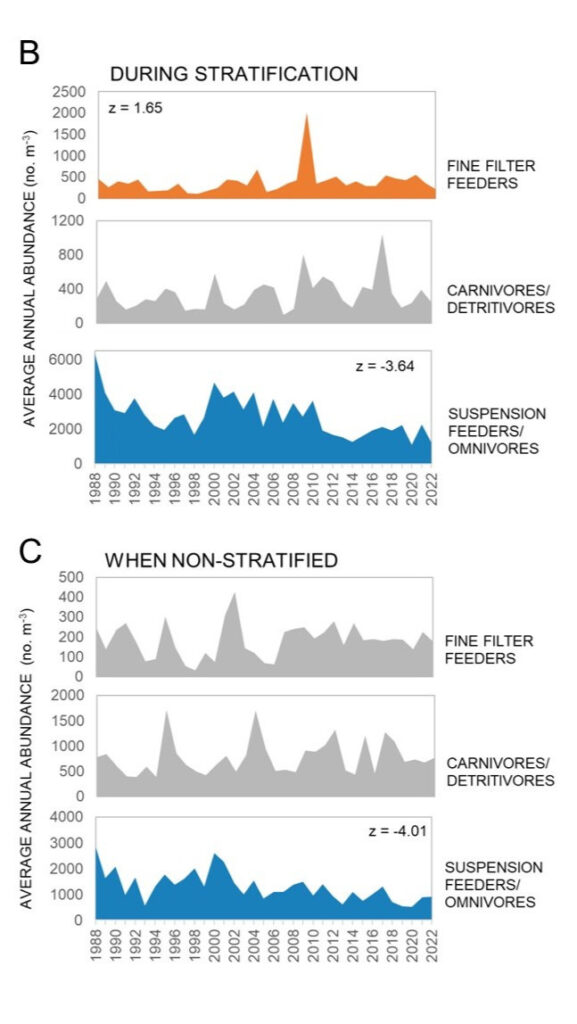
This pattern mirrors long-term changes at Station L4, where declining nutrient availability has favoured smaller phytoplankton and mixoplankton.
As a result, the ecosystem appears to be reorganising – from an ecosystem dominated by larger phytoplankton and the copepods that feed on them, to one dominated by much smaller microalgae and the consumers that can efficiently eat and survive on such small particles.
Dr Karen Tait, Microbial Ecologist at PML, and lead author of the study, commented on the significance of this restructure:
“Our findings suggest that changes in the smallest components of the food web are cascading upwards and influencing which zooplankton thrive – and which decline. The ‘winning’ and ‘losing’ groups are defined mainly by their feeding method.”
“This is a response to the shift towards smaller phytoplankton and reduced nutrient supply – favouring organisms that can efficiently feed on very small particles.”
“Plankton are often described as ‘sentinels of change’- and act as an early warning sign to us of things to come. These huge shifts will result in a domino effect on the wider marine food web, and indeed, us as humans.”
“This shift could have far-reaching consequences: reducing the quality of food available to marine life, affecting fish size and populations, changing fisheries productivity, and even altering how much carbon sinks into the deep ocean.”
Did you know? It is thought that zooplankton may be responsible for 85% of carbon sinking to the deep ocean, a process known as the biological carbon pump.
The study concluded that climate change is responsible for altering the physical and chemical conditions of the ocean, including nutrient availability and the seasonal stratification of the water column.
What is stratification? While the ocean may appear to be one giant body of water, it is often divided into horizontal layers based on temperature. As the ocean warms, these layers become stronger and less likely to vertically mix – a process known as thermal stratification
As the water column becomes more strongly stratified, nutrients from deeper waters can become less available to phytoplankton near the surface. This can favour smaller phytoplankton, which are better adapted to make use of the limited nutrients available – in turn changing the food available to zooplankton.
One of the key aims of this research was also to test how closely eDNA monitoring reflects patterns detected through conventional microscopic analysis.
Dr Tait explained the strengths and weaknesses of both methods, and how these two datasets can ‘fill the gaps’ and complement one another.
“Traditional microscopy is invaluable for us as scientists; we can monitor both the types of plankton communities and their numbers, and we can do this throughout the water column, from the surface to right down to the seafloor.”
“And, because it is such a long-standing method of research, it provides us with a long time series suitable for climate-relevant timescales. Only through PML’s 35-year zooplankton dataset have we been able to distinguish short-term variability from genuine ecological change. Through this dataset, we have observed profound changes in plankton communities, including declines of classic food web components diatoms and copepods, but increases in meroplankton, which have been mirrored more widely across the North East Atlantic.”
“However, microscopy has some limitations, in terms of providing us with taxonomic detail – and this is where eDNA data can help.”
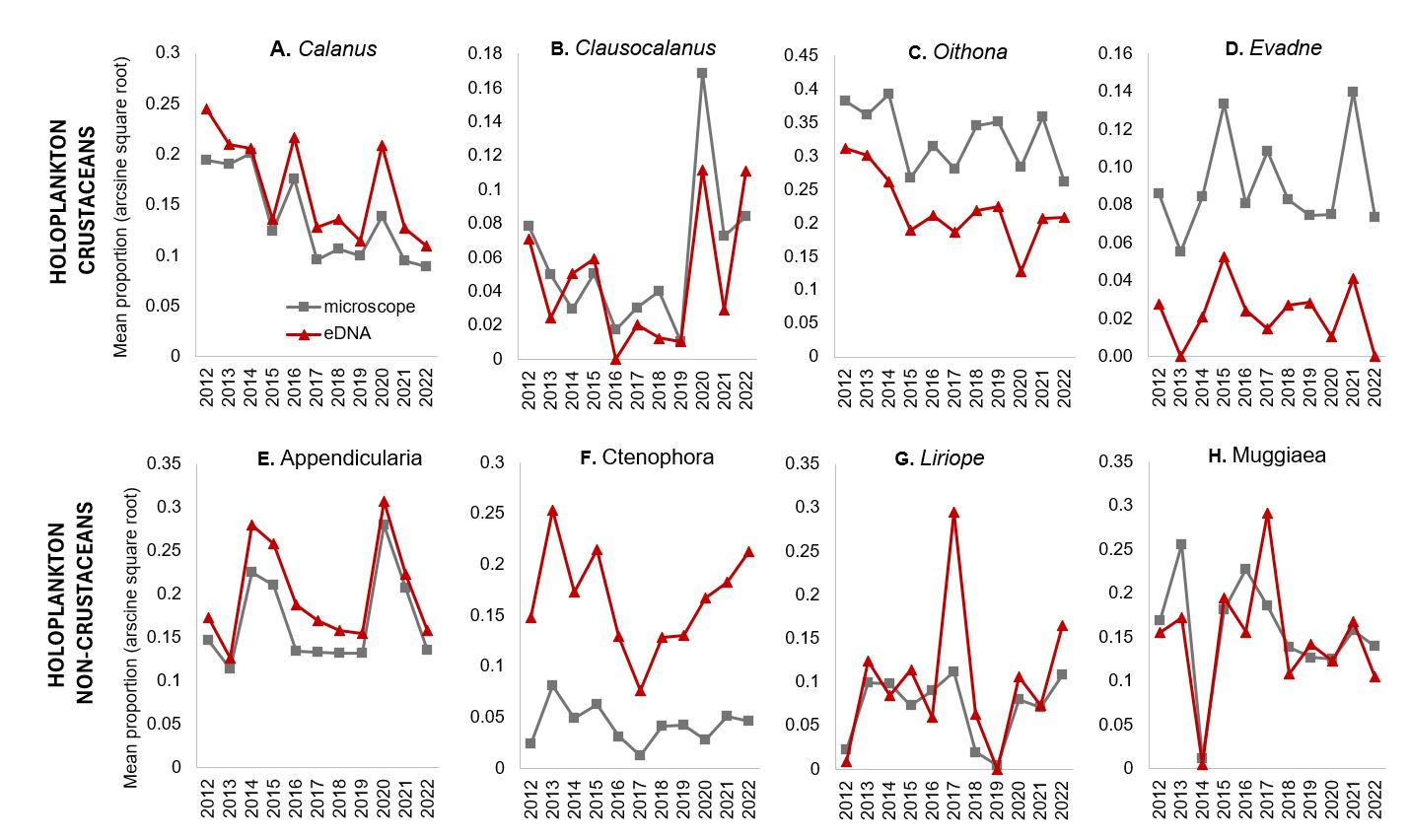
Above: Seasonal patterns of selected zooplankton taxa identified by microscopy and eDNA, showing clear correlation between the two datasets, despite differences in sampling depth and the properties quantified by the two methods. Of note, is the ongoing decline of Calanus
The study revealed that the greatest advantage of eDNA emerged when examining meroplankton.
Meroplankton are young stages of many marine animals, which spend the first part of their lives as plankton, drifting in the sea before developing into adult animals such as crabs, lobsters, worms, corals, octopus or fish – as opposed to Holoplankton, that are planktic for their entire life cycle.
Meroplankton are often difficult to identify under a microscope and as a result, they are often grouped into broad categories. However, by analysing DNA sequences from seawater, the researchers were able to identify many of these organisms to much finer taxonomic levels. Dr Tait explains:
“The molecular data revealed a diverse range of meroplankton, including polychaete worms, sea squirts, shellfish, sea urchins, brittle stars, ribbon worms and other invertebrates. This additional level of detail allowed us to investigate an important ecological question: which types of meroplankton are actually increasing, and why is it they are doing so well?”
Below: Seasonal and long-term patterns in meroplankton taxonomic and functional groups
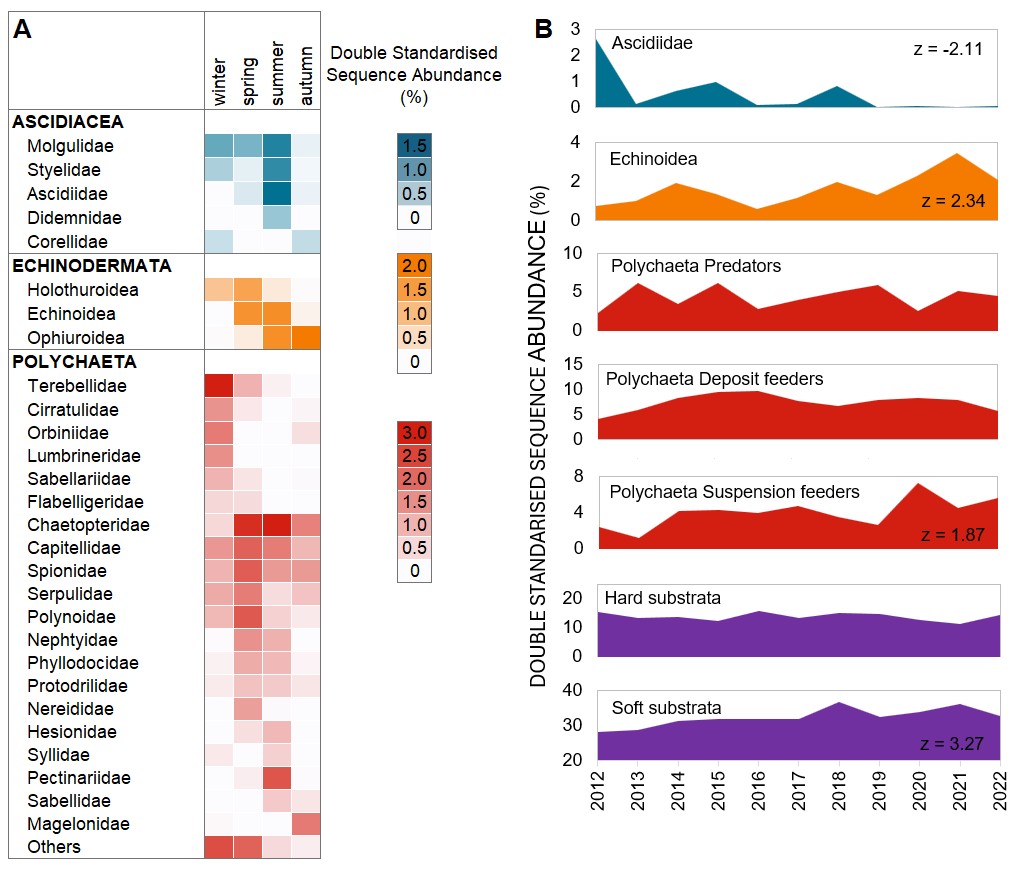
A: Average seasonal relative sequence abundance of selected meroplankton taxonomic groups (Ascidiacea, Echinodermata and Polychaeta). B: Long term trends in relative sequence abundance for representative taxa and functional groups. Ascidiidae showed declining relative sequence abundance, whereas Echinoidea increased over time. Polychaeta ASVs were grouped according to inferred adult feeding mode (predator, deposit or suspension feeder; in red), and all meroplankton ASVs were grouped according to adult habitat type (hard or soft, in purple). Temporal trends in annual relative sequence abundance were assessed using the Mann Kendall tests; the corresponding Z value shown on the plot (n = 11).
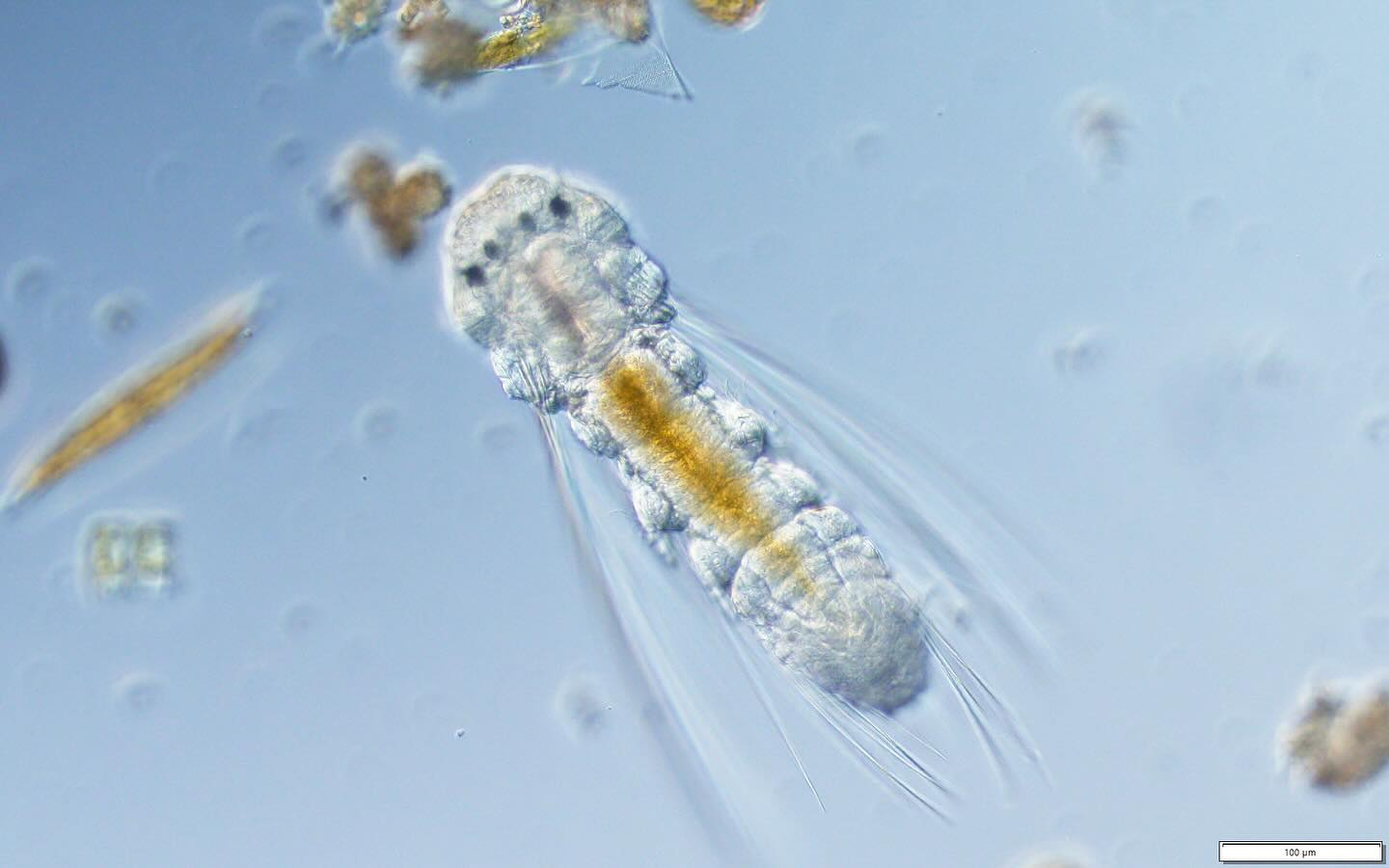
Image: Meroplankton under the microscope: a polychaete larva – marine worm (polychaete worm) in the larval stage of life – discovered from a sample at PML’s L4 Monitoring Station. Credit: PML’s Bryony Squires.
Photos: The adult-life stage of polychaete worms
All photos taken by: Thomas Mesher – Macrofaunal Ecologist at PML. (Click photos to enlarge)
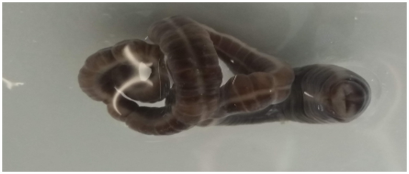
An adult polychaete worm pictured under the microscope, found as part of the WCO’s Benthic Survey at Station L4 – about six miles south of Plymouth. Polychaete worms, with few exceptions, are marine and estuarine animals, and are as diverse as any other major animal group.
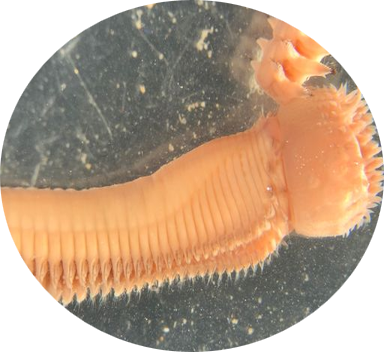
An adult polychaete worm, from the Arctic. These worms are found almost everywhere in the global ocean, where they burrow and hunt in the benthos (seabed).
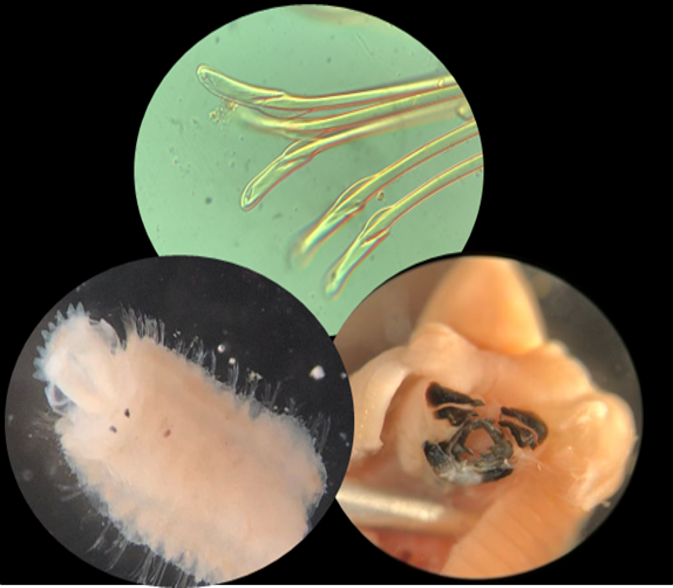
Close ups of polychaete worms, which are commonly called bristle worms. Each body segment has a pair of fleshy protrusions called parapodia which bear many bristles called chaetae, hence their name.
“eDNA provides that higher taxonomic resolution to piece together the puzzle – we were able to identify many meroplankton groups down to class, order, family, and even sometimes genus level, which allowed us to see which specific groups were increasing, rather than simply concluding that “meroplankton are increasing”.
“At the same time, eDNA has its limitations – it only measures sequence information – detecting DNA sequences in the water. It can tell us about the identity of diversity of organisms present – but it isn’t equivalent to counting individual organisms, so we don’t get the same amount of information on population numbers as we do with microscopy.”
The authors state that the research demonstrates the importance of maintaining long-term marine observations while embracing new technologies. Dr Tait concluded:
“What’s exciting here is that eDNA doesn’t compete with traditional monitoring, it enhances it. Together they give us a much stronger foundation for understanding change.”
“But the message I want to drive home is, this isn’t just a story about eDNA and microscopy. It’s a story about rapid ecosystem change, driven by climate change, and eDNA helped us finally understand what’s driving it.”
Professor Angus Atkinson MBE, co-author on the study, and Head of the Western Channel Observatory, said:
“The unique combination of weekly sampling, taxonomic expertise and eDNA monitoring at the Western Channel Observatory has allowed us to go beyond documenting change into learning what is causing it.”
“With eDNA being used alongside the traditional long time series, it is opening new doors into this understanding. For example, the eDNA showed, for the first time, that the increase in meroplankton was driven by inhabitants of soft sediments rather than taxa like barnacles and bryozoans that attach to hard substrates. This argues against the idea that increases in human-made structures in the sea is responsible for meroplankton increases, and adds to the evidence that we are instead seeing the ramifications of wider climate change impacts on the water column.”
Professor Pennie Lindeque, co-author of the study, and Head of the Marine Ecology and Society group at PML, said:
“For more than 30 years, Calanus helgolandicus has been one of the species I’ve worked with most closely. It was once a dominant and highly successful copepod in our local seas, helping to support the productivity of the entire marine ecosystem. The fact that it now appears to be losing out as the plankton community reorganises should be a wake-up call. What we are witnessing is not simply a change in species composition, but the restructuring of the marine food web in response to climate change.”
This study was authored entirely by PML researchers: Karen Tait, Penelope Lindeque, Amanda Beesley, Andrea McEvoy, Helen Parry and Angus Atkinson, who note “We are extremely grateful to the crew of the PML Quest for sample collection, and to Louise McNeill [of PML] and Anna Yunnie [of PML Applications] for their taxonomic expertise”.
Further information:
Both datasets used in this study have been generated through PML’s own long-term observations as part of the Western Channel Observatory – one of the longest, near-continuous marine time series in the world.
Since 1988, PML has collected weekly samples of zooplankton throughout the water column [from 50 metres deep, up to the surface] from the L4 monitoring site. Each week, the samples are taken to the laboratory to identify and count zooplankton taxa using microscopy.
Since 2012, PML has also collected weekly seawater samples for eDNA analysis in a parallel data set, allowing scientists to detect organisms – ranging from zooplankton to whales – through traces of the genetic material they leave in the water, such as skin cells, faecal matter, reproductive material, or even the bodies of smaller animals.
Meroplankton grown up: adult life-stages of what were originally meroplankton in their earlier life-stages
All photos taken by: Thomas Mesher – Macrofaunal Ecologist at PML. Click photos to enlarge.
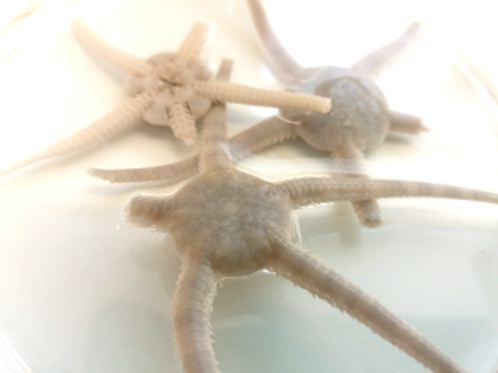
Image: Brittlestars under the microscope, found as part of the WCO’s Benthic Survey at Station L4 – about six miles south of Plymouth.
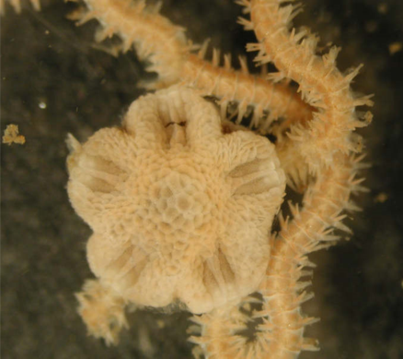
Image: A closer look at a brittlestar, found as part of the WCO’s Benthic Survey at Station L4 – about six miles south of Plymouth.
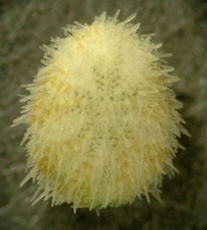
Image: A sea urchin under the microscope, found as part of the WCO’s Benthic Survey at Station L4 – about six miles south of Plymouth.