Story
PML scientists to showcase cutting-edge research at Ocean Sciences Meeting
23 February 2026
From marine carbon dioxide removal to AI-powered biodiversity monitoring, PML scientists will present the latest research addressing some of the most urgent environmental challenges of our time – and explore how the ocean both responds to climate change – and helps us fight it.
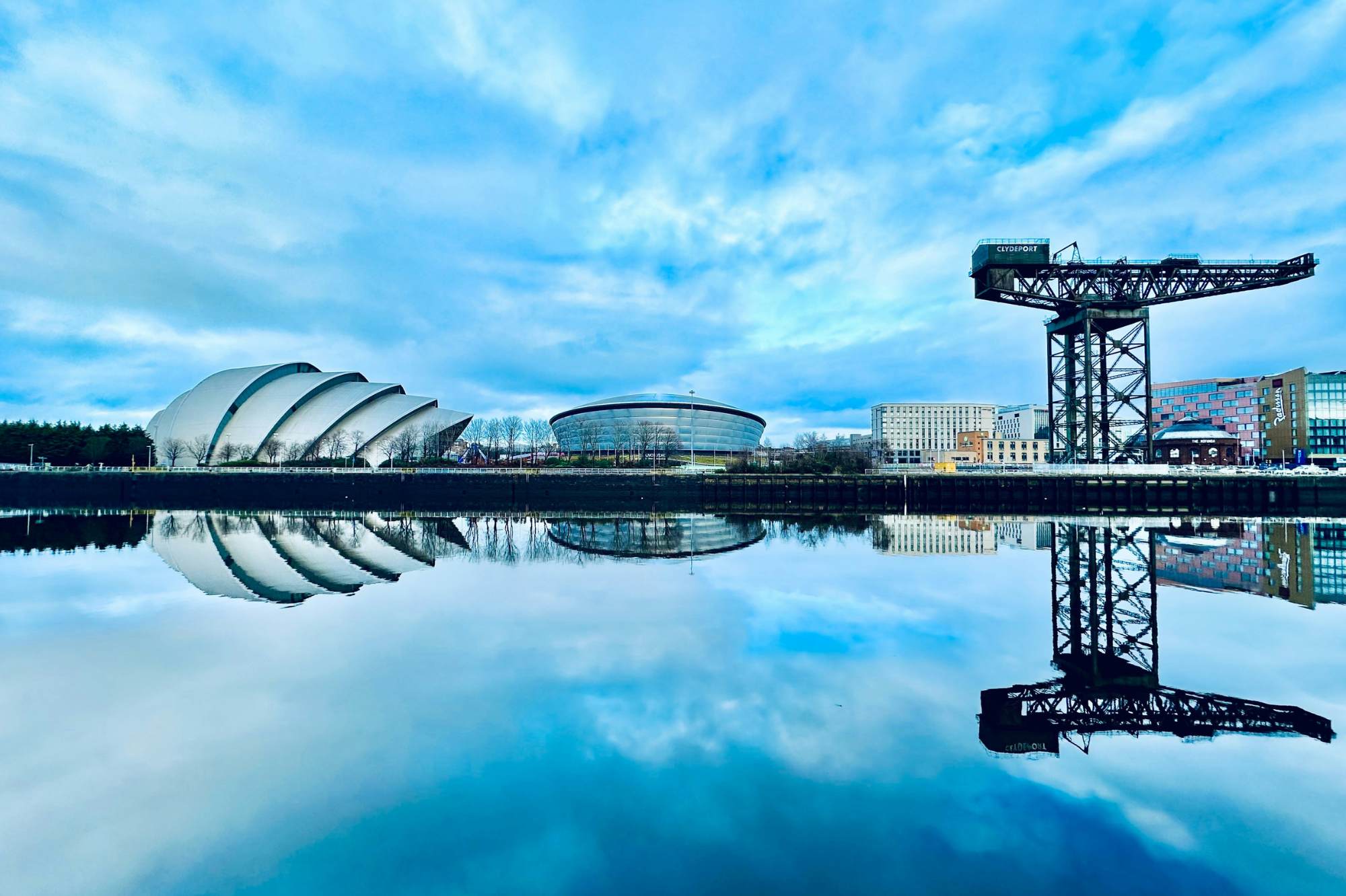
Scientists from Plymouth Marine Laboratory (PML) will be contributing to global discussions on climate, carbon and the future of ocean monitoring at next week’s Ocean Sciences Meeting (22nd – 27th February) held in Glasgow – a unique biennial gathering which sees around 6,000 scientists and ocean experts from across the globe come together to share the latest research findings, collaborate on solutions, and make lasting partnerships with the goal of advancing scientific knowledge and impacts.
Key areas of research being showcased by PML scientists:
How marine carbon dioxide removal can be scaled responsibly
Marine carbon dioxide removal (mCDR) will be a major focus for PML at the meeting. As interest grows in the ocean’s potential role in climate mitigation, PML scientists are contributing to research that ensures proposed approaches are scientifically robust and environmentally responsible – without causing unintended impacts.
Presentations and poster sessions will explore environmental impact assessments, monitoring, reporting and verification (MRV) frameworks, ocean alkalinity enhancement, and direct ocean carbon capture – and its impacts on fisheries and other marine organisms. Researchers will also address the social and governance dimensions of mCDR, including engagement with fisheries and coastal communities. Discover our mCDR sessions below ↓
Harnessing AI and next-generation ocean observation
Advances in artificial intelligence and autonomous technologies are transforming how scientists observe marine ecosystems. At OSM, PML researchers will showcase developments in automated image analysis, decentralised machine learning and digital ocean modelling.
This includes work under the DEAL (DEcentrAlised Learning for automated image analysis and biodiversity monitoring) project, which aims to improve classification of vast biological image datasets while preserving data privacy. Other presentations explore AI-assisted plankton analysis, deep-sea imaging and hybrid machine learning–ecosystem modelling approaches. Discover our AI and next-gen ocean observation sessions below ↓
The carbon cycle – and the ocean’s role in regulating climate
“The ocean generates 50 percent of the oxygen we need, absorbs 30 percent of all carbon dioxide emissions and captures 90 percent of the excess heat generated by these emissions. It is not just ‘the lungs of the planet’ but also its largest ‘carbon sink’ – a vital buffer against the impacts of climate change.” [United Nations]
PML scientists will share new insights into how carbon moves through the ocean system – from air–sea gas exchange at the surface to biological processes in the deep ocean.
Research being presented spans the Southern Ocean, shelf seas and the North Atlantic, highlighting how changing temperatures, circulation and ecosystem dynamics influence the ocean carbon sink. Other studies examine carbon export, microbial processes and long-term projections under future climate scenarios.
Together, this work strengthens understanding of how the ocean regulates climate, how that capacity may shift in a warming world – and what that ultimately means for us all. Discover our carbon sessions below ↓
Offshore renewable energy in the transition to net zero
As offshore renewable energy expands in the race to reduce emissions, understanding ecosystem impacts and managing trade-offs is increasingly important. PML scientists will contribute to discussions on offshore wind development, ecosystem-level effects and cumulative impact assessment frameworks.
This research supports marine spatial planning and evidence-based policy, helping to balance climate mitigation ambitions with healthy, resilient marine ecosystems. Discover our renewables sessions below ↓
Understanding and tracking ecosystem change in a warming ocean
From marine heatwaves and harmful algal blooms to shifts in phytoplankton productivity and biodiversity, PML researchers are examining how climate change is reshaping marine ecosystems.
By integrating long-term observations, experimental studies and modelling, this work provides critical evidence to inform conservation, management and adaptation strategies. Discover our sessions below ↓
Thematic sessions: PML at OSM
Related mCDR and OAE sessions:
Related AI and next-gen ocean observation sessions:
Related offshore renewables sessions:
Related carbon and climate sessions:
Related ecosystem understanding and ecosystem change sessions:
Related information
Attending OSM too? Meet with our scientists on our exhibition stand (number 38) – through the Marine Research Plymouth Alliance.
Media enquiries: Our Head of Marketing and Communications Dan Jones will be attending OSM and will be happy to connect with journalists and media. Please email comms@pml.ac.uk to arrange contact.
PML participants include: Prof Andy Rees, Dr David Moffat, Elaine Fileman, Dr Gemma Kulk, Dr Gennadi Lessin, Guy Hooper, Dr Helen Powley, Irene Monreal-Campos, Dr James Clark, Prof Jerry Blackford, Dr Juliane Wihsgott, Dr Karen Tait, Lily Anna Stokes, Dr Loren Temple, Dr Marius Dewar, Dr Mingxi Yang, Dr Rebecca Millington, Prof Shubha Sathyendranath, Dr Yaru Li, Dr Yuri Artioli, Prof Thomas Bell, Dr Saskia Ruhl, Dr Samuel Fawcett, Dr Frances Hopkins, Dr Gavin Tilstone, Dr Ann VB, Dr Deep Banerjee, Prof Helen Findlay, Thecla Keizer, Dan Jones.